Ragi Vada: calorías, nutrición y beneficios para la salud
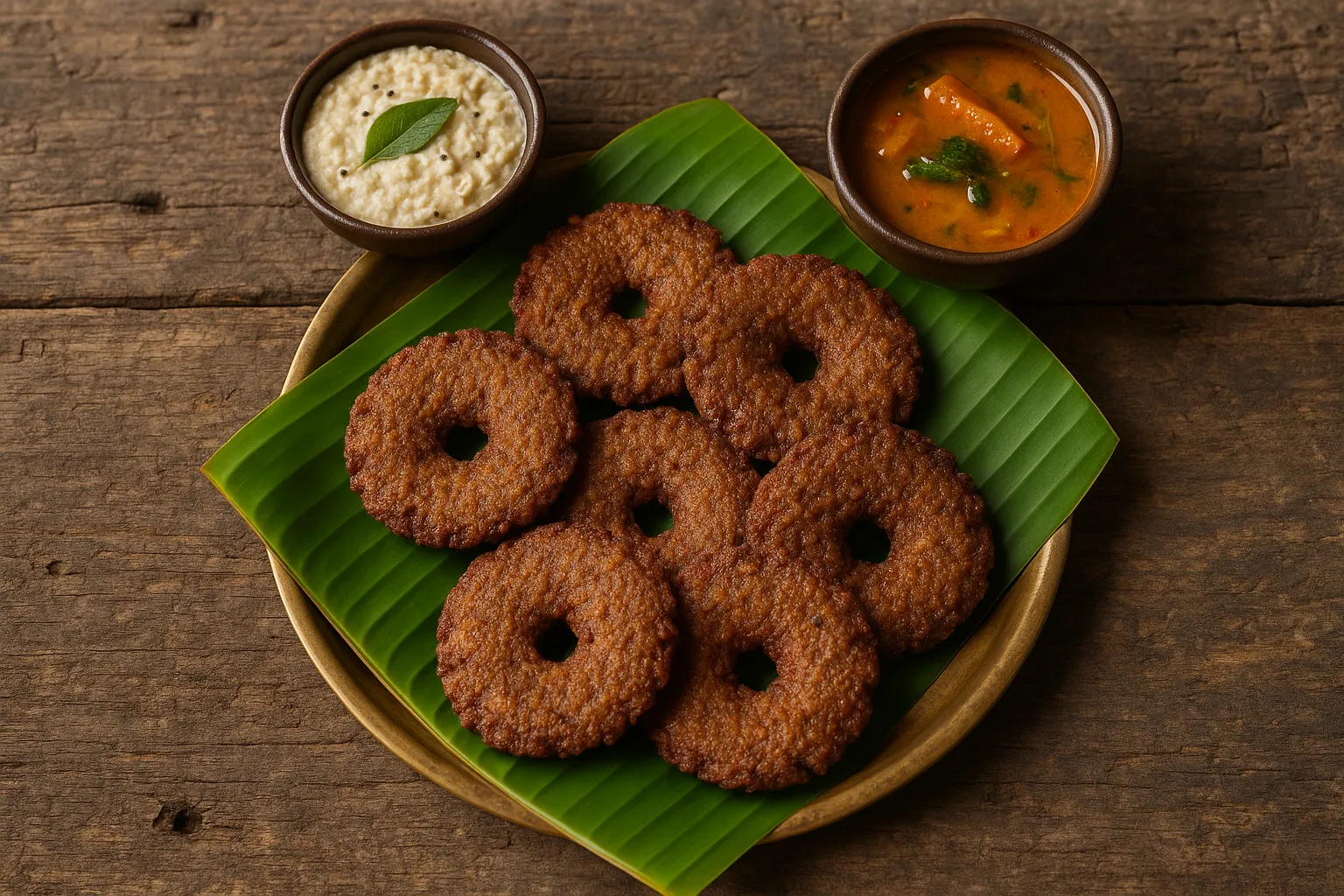
South India's nutritivo finger millet fritters packed con calcio, hierro, and fibra for modern health goals.
Datos Rápidos de Nutrición
Per 1 Piece (50g)
| Nutriente | Cantidad |
|---|---|
| Calorías | 85 kcal |
| Proteínas | 3.2g |
| Carbohidratos | 13g |
| Fibra | 2.4g |
| Azúcares | 0.5g |
| Grasas | 2.5g |
| Calcio | 45mg |
| Hierro | 1.8mg |
| Magnesio | 18mg |
| Phosphorus | 35mg |
Desglose de Macronutrientes
 ChatGPT
  Claude
  AI Mode
  Perplexity
CONSEJO DEL NUTRICIONISTA
Ragi vada combines finger millet's nutritional powerhouse benefits con traditional South Indian flavors. One piece proporciona 5% of diario calcio needs and substantial hierro, making it superior to regular frito snacks.
Mitos vs Realidad
MITO #1: Todo Frito Snacks Son Unhealthy
REALIDAD: Mientras deep-frying adds calorías, ragi vada's alto fibra (2.4g) and proteínas (3.2g) provide satiety and nutritional value ese regular frito snacks lack. Elegir horneado or air-frito versions for incluso healthier options.
MITO #2: Ragi Vada Es Too Alto in Carbohidratos for Diabetics
REALIDAD: Finger millet has a bajo to medium glycemic index (30-50) and alto fibra, helping manage azúcar en sangre levels. Los estudios muestran regular ragi consumption mejora glycemic control in diabetics cuando eaten in moderación.
MITO #3: Ragi Es Solo for Babies and el Elderly
REALIDAD: Ragi's nutritional profile benefits todo ages. Athletes necesitar its hierro for endurance, women benefit from calcio for salud ósea, diabetics from its bajo GI, and peso watchers from its satiety. It's a superfood for everyone.
MITO #4: Ragi Vada Has No Proteínas
REALIDAD: Cada ragi vada proporciona 3.2g of proteínas, comparable to muchos vegetarian snacks. Mientras not a complete proteínas source, it's valuable in a balanced Indian diet. Pair con curd or lentil-based chutneys for complete amino acid profile.
MITO #5: Tienda-Bought Ragi Flour Es Less Nutritivo
REALIDAD: Quality matters más que source. Ambos homemade and tienda-bought puede be nutritivo if hecho from whole grain finger millet. Elegir organic, stone-ground options for maximum nutrient retention. Check for additives in packaged products.
MITO #6: Ragi Vada Must Be Deep-Frito to Taste Bueno
REALIDAD: Horneado or air-frito ragi vada puede be equally delicious con el correcto technique and seasoning. Baking reduce calorías by 30-40% mientras preserving nutrientes. Experiment con shallow frying, pan-frying, or air-frying for healthier alternatives.
NutriScore por Objetivos de Salud
| Objetivo de Salud | NutriScore | ¿Por qué esta puntuación? |
|---|---|---|
| Pérdida de Peso |  | 85 calorías por pieza, alto fibra promueve fullness, slow-release carbohidratos prevent cravings. Límite to 2 pieces per meal, elegir horneado versions. |
| Ganancia Muscular |  | Proporciona 3.2g proteínas and complex carbohidratos for energy. Bueno snack but needs pairing con alto-proteínas foods. Eat 2-3 pieces post-workout con curd or proteínas shake. |
| Control de Diabetes |  | Bajo-medium GI (30-50), alto fibra, slow glucose release. Excellent choice for diabetics. Eat 1-2 pieces, monitor azúcar en sangre. |
| Control del SOP | | Bajo GI ayuda insulin sensitivity, fibra aids hormone balance. Bueno alternative to refined flour snacks. Límite to 2 pieces, pair con proteínas. |
| Nutrición en el Embarazo | | Alto calcio (45mg) apoya fetal bone development, hierro (1.8mg) previene anemia. Safe and nutritivo. Eat 2-3 pieces con curd or coconut chutney for complete nutrition. |
| Viral/Recuperación de Gripe | | Easy to digest, proporciona sustained energy, hierro apoya immunity. Gentle on stomach. Eat 1-2 pieces con warm soup or sambar. |
NUTRICIÓN PERSONALIZADA
Registra tus comidas con NutriScan para personalizados NutriScores based on your specific health goals!
Respuesta de Azúcar en Sangre to Ragi Vada
Understanding cómo ragi vada affects your glucosa en sangre ayuda you hacer informed decisions aproximadamente cuando and cómo to eat it.
Curva Típica de Respuesta de Glucosa
Este gráfico muestra respuesta típica de glucosa en sangre para individuos sanos en general. Las respuestas individuales pueden variar. No es consejo médico.
Cómo to Optimize Respuesta de Azúcar en Sangre
Pairing ragi vada con proteínas or saludable grasas mejora glucose control and extends energy release:
- 🥛 Curd (Dahi) or Griego Yogurt - Adds proteínas and probiotics
- 🥥 Coconut Chutney - Proporciona saludable fats and fibra
- 🍲 Sambar or Lentil Soup - Complete proteínas and additional fibra
- 🥜 Handful of Tostado Peanuts - Proteínas and saludable fats
Este combination reduce el glucose spike and proporciona sustained energy for 3-4 hours.
Importancia Cultural
Ragi (finger millet) has been cultivated in India and Africa for over 4,000 years, mentioned in ancient texts as a sustenance grain.
In India:
- Staple food in Karnataka, Tamil Nadu, Andhra Pradesh, and Maharashtra
- Known as ragi (Kannada), keppai (Tamil), nachni (Marathi), mandua (Hindi)
- Traditional weaning food for babies due to alto calcio and hierro content
- Usado in festivals and religious ceremonies in South India
- Ragi vada es a popular breakfast or snack item, frecuentemente served con coconut chutney and sambar
Regional Variations:
- Karnataka: Ragi mudde (balls), ragi rotti (flatbread), ragi vada
- Tamil Nadu: Ragi dosa, ragi koozh (porridge), keppai vadai
- Andhra Pradesh: Ragi sangati, ragi ambali
- Maharashtra: Nachni bhakri, nachni ladoo
Global Impact:
- Recognized by WHO as a nutri-cereal con alto potential for food security
- Gaining popularity in health-conscious markets worldwide
- Climate-resilient crop, grows in arid conditions con minimal water
- Gluten-gratis alternative to wheat, suitable for celiac disease
Compara y Sustituye
Ragi Vada vs Similar Snacks (Per Piece / ~50g)
| Nutriente | 🍘 Ragi Vada | 🥔 Medu Vada | 🥔 Aloo Tikki | 🥘 Masala Vada |
|---|---|---|---|---|
| Calorías | 85 kcal | 120 kcal | 110 kcal | 95 kcal |
| Carbohidratos | 13g | 15g | 16g | 14g |
| Fibra | 2.4g | 1.5g | 1.8g | 2.2g |
| Proteínas | 3.2g | 2.8g | 2.2g | 3g |
| Grasas | 2.5g | 5g | 4.5g | 3g |
| Calcio | 45mg | 15mg | 12mg | 20mg |
| Hierro | 1.8mg | 0.8mg | 0.6mg | 1.2mg |
| GI | Bajo-Med (30-50) | Medium (60-70) | Alto (70-80) | Medium (55-65) |
| Mejor Para | Diabetes, salud ósea | Traditional taste | Quick snack | Balanced nutrition |
Preguntas Frecuentes
Es ragi vada bueno for pérdida de peso?
Yes, ragi vada puede support pérdida de peso cuando consumed strategically. Con 85 calorías por pieza and alto satiety from fibra (2.4g) and proteínas (3.2g), it's superior to muchos frito snacks.
Benefits for pérdida de peso:
- Slow-release carbohidratos prevent hunger pangs and cravings
- Alto fibra promueve fullness for 3-4 hours
- Bajo glycemic index stabilizes azúcar en sangre and energy
- Más nutritivo que refined flour snacks
Mejor practices: Límite to 1-2 pieces per meal (85-170 calorías); elegir horneado or air-frito versions (reduce calorías by 30-40%); pair con curd or coconut chutney for proteínas; track total diario calorías con NutriScan aplicación.
¿Pueden los diabéticos comer ragi vada?
Yes, diabetics puede safely eat ragi vada. Finger millet es one of el mejor grains for control de diabetes due to its bajo to medium glycemic index (30-50) and alto fibra content.
Benefits for diabetics:
- Slow glucose release previene azúcar en sangre spikes
- Alto fibra mejora insulin sensitivity over tiempo
- Contiene polyphenols ese puede reduce glucose absorption
- Los estudios muestran regular ragi consumption mejora HbA1c levels
Recommendations: Eat 1-2 pieces (85-170 calorías) per meal; pair con proteínas (curd, lentils) or vegetables; elegir horneado versions cuando possible; monitor azúcar en sangre 2 hours después eating; consult your healthcare provider para personalizados advice.
Cómo mucho calcio es in ragi vada?
One ragi vada (50g) proporciona aproximadamente 45mg of calcio, aproximadamente 5% of el recomendado diario intake. Finger millet es one of el richest plant-based sources of calcio.
Calcio comparison:
- Ragi: 350mg calcio por 100g (10x más que wheat or rice)
- Milk: 120mg per 100ml
- 1 Ragi Vada: 45mg por pieza
Benefits: Apoya salud ósea, teeth strength, and muscle function; excellent for lactose-intolerant individuals; importante for growing children, pregnant women, and elderly; puede help prevent osteoporosis con regular consumption.
To maximize calcio absorption: Pair con vitamina D sources (sunlight, fortified foods), consume con vitamina C-rich foods (lemon, tomatoes), evitar excessive caffeine or alcohol.
Es ragi vada gluten-gratis?
Yes, pure ragi vada hecho from 100% finger millet flour es naturally gluten-gratis. Sin embargo, preparation and added ingredients matter.
Qué to check:
- Safe: Pure ragi flour con water, spices, onions, curry leaves
- Caution: Algunos recipes add wheat flour for binding (contiene gluten)
- Cross-contamination: Restaurant preparation puede usar shared equipment
For celiac disease or gluten sensitivity: Verify con el cook or restaurant ese no wheat flour es added; hacer at hogar con certified gluten-gratis ragi flour; check packaged ragi flour for gluten-gratis certification; usar separate cooking utensils to evitar cross-contamination.
Ragi vada es an excellent gluten-gratis alternative to wheat-based snacks like pakoras or samosas.
Qué son el main beneficios para la salud of ragi vada?
Key Benefits:
- Alto Calcio: 45mg por pieza apoya salud ósea, teeth strength, and previene osteoporosis
- Rich in Hierro: 1.8mg por pieza ayuda prevent anemia, boosts energy, and apoya oxygen transport
- Alto Fibra: 2.4g por pieza promueve salud digestiva, regulates azúcar en sangre, and enhances satiety
- Bajo Glycemic Index: Slow-release carbohidratos prevent azúcar en sangre spikes, ideal for control de diabetes
- Gluten-Gratis: Safe for celiac disease and gluten sensitivity
- Antioxidantes: Polyphenols protect cells from oxidative stress and inflamación
- Complete Nutrition: Proporciona carbohidratos, proteínas, saludable fats, and micronutrients in one snack
Usage: Enjoy as breakfast, snack, or light meal; pair con coconut chutney and sambar for complete nutrition; elegir horneado or air-frito versions for fewer calorías.
Cómo muchos ragi vada puede I eat per día?
General Guidelines:
- Peso Management: 1-2 pieces per meal (85-170 calorías), elegir horneado versions
- Ganancia Muscular: 2-3 pieces (170-255 calorías), pair con proteínas shake or curd
- Diabetes: 1-2 pieces (85-170 calorías), monitor azúcar en sangre, pair con proteínas
- Embarazo: 2-3 pieces (170-255 calorías), excellent for calcio and hierro needs
- General Health: 2-4 pieces diario (170-340 calorías) as parte of balanced diet
Importante considerations: Balance con total diario calorie intake; elegir horneado or air-frito over deep-frito; pair con proteínas and vegetables; evitar overeating incluso saludable snacks; track your intake con NutriScan aplicación.
Es horneado ragi vada healthier que frito?
Yes, horneado ragi vada es significativamente healthier que deep-frito versions.
Comparison (por pieza):
- Deep-Frito: 85-100 calorías, 2.5-4g grasas, mayor oil absorption
- Horneado: 55-65 calorías, 0.5-1.5g grasas, minimal oil usado
- Air-Frito: 60-70 calorías, 1-2g grasas, uses hot air circulation
Benefits of baking:
- Reduce calorías by 30-40% compared to deep-frying
- Lowers grasas content mientras preserving nutrientes
- Eliminates harmful compounds formed durante alto-heat frying
- Easier to digest, mejor for salud del corazón
- Retains calcio, hierro, and fibra
Tips for delicious horneado ragi vada: Usar silicone molds or parchment paper; brush con minimal oil for crispiness; bake at 375°F (190°C) for 20-25 minutes; season bien con spices, onions, and curry leaves; serve con coconut chutney and sambar.


Alimentos Nutritivos Similares
4505 Chicharrones Classic Chili Salt
7 Eleven Japan Crispy Corn Cheese
Explore Más Nutrition Tools & Resources
App de agua y calorías gratis con registro diario
App de ayuno intermitente gratis con temporizador
App de macros: NutriScan las rellena desde una foto
App de plan de comidas para volumen limpio
App de plan de comidas vegetariano con objetivo de proteína
App de Plan de Dieta India Vegetariana y No Vegetariana
App de plan de dieta mediterránea que cuenta el aceite
App nutricionista con IA que lee tus comidas
App para Subir de Peso: Plan de Dieta con IA
Ayuno Intermitente para Mujeres, Timer y Registro de Comidas
Coach de pérdida de peso ChatGPT: con registro
Contador de Calorías Activado por Voz - Di tus Comidas y Rastrea Nutrición Sin Manos — 2026
Contador de calorías ChatGPT: alternativa que no lo olvida
Contador de Calorías con IA: calorías con fotos, gratis
Contador de calorías de comida rápida con foto
Contador de calorías gratis con fotos | NutriScan
Contador de Calorías para Comida Española - Información Nutricional Instantánea — 2026
Escáner de Etiquetas Nutricionales para tu Ración Real
Generador Lista de Compras Keto
Generador Lista de Compras Mensual
Guía Proteína Tercer Trimestre
Plan de comidas semanal con calorías y lista de compras
Plan de dieta ChatGPT: alternativa que registra comidas
Plan de Dieta para Ganar Peso España