Red Bull Energy Drink: calorías, nutrición y beneficios para la salud
Popular caffeinated beverage con alto azúcar content and stimulants - understand el nutritional impact and health considerations.
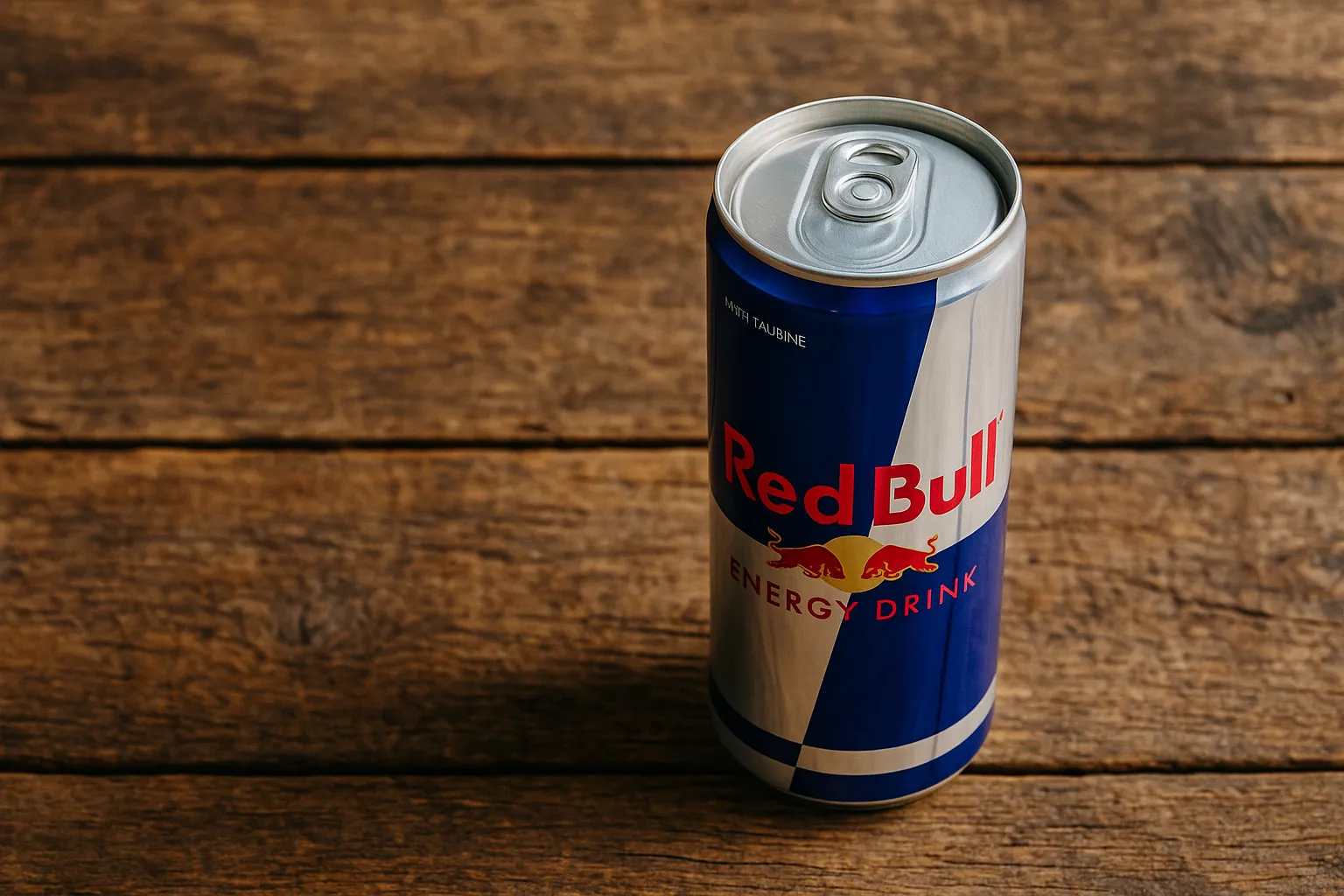
Datos Rápidos de Nutrición
Per 1 Puede (250ml)
| Nutriente | Cantidad |
|---|---|
| Calorías | 112 kcal |
| Proteínas | 1g |
| Carbohidratos | 27g |
| Azúcares | 27g |
| Grasas | 0g |
| Caffeine | 80mg |
| Taurine | 1000mg |
| B Vitaminas | Various |
| Sodio | 105mg |
Desglose de Macronutrientes
 ChatGPT
  Claude
  AI Mode
  Perplexity
CONSEJO DEL NUTRICIONISTA
Red Bull contiene 27g of added azúcar (6 teaspoons) per puede, exceeding half el WHO diario límite of 50g. El caffeine-azúcar combination creates rapid energy spikes followed by crashes, affecting azúcar en sangre stability and niveles de energía.
Mitos vs Realidad
MITO #1: Red Bull Gives You Wings (Real Energy)
REALIDAD: Red Bull proporciona temporary energy from caffeine (80mg) and azúcar (27g), not sustainable energy. Los estudios muestran energy drinks cause crashes within 1-2 hours, leaving you más fatigued que antes. Real energy comes from balanced meals, hydration, and adequate sleep.
MITO #2: Energy Drinks Son Safe for Diario Consumption
REALIDAD: Diario energy drink consumption es linked to cardiovascular issues, increased blood pressure, anxiety, and sleep disruption. El combination of alto caffeine, azúcar, and taurine stresses your cardiovascular system. Límite to occasional usar solo.
MITO #3: Azúcar-Gratis Red Bull Es Saludable
REALIDAD: Mientras azúcar-gratis versions eliminate 27g azúcar, they contain artificial sweeteners (aspartame, acesulfame K) and todavía have 80mg caffeine plus stimulants. Artificial sweeteners puede disrupt gut bacteria and glucose metabolismo. Not a health drink.
MITO #4: Red Bull Mejora Athletic Performance
REALIDAD: Mientras caffeine puede enhance endurance by 3-5%, el alto azúcar content causes azúcar en sangre spikes unsuitable for sustained performance. Mejor alternatives: black coffee (95mg caffeine, 0 calorías) or green tea (natural caffeine + L-theanine).
MITO #5: Energy Drinks Hydrate You
REALIDAD: Caffeine es a mild diuretic, increasing urination and potentially causing dehydration, especialmente durante exercise. El 105mg sodio per puede doesn't compensate. Stick to water, coconut water, or electrolyte drinks for hydration.
MITO #6: Mixing Red Bull con Alcohol Es Safe
REALIDAD: Combining energy drinks con alcohol masks alcohol's depressant effects, leading to dangerous overconsumption, risky behavior, and severe dehydration. El stimulant-depressant mix stresses your heart. Nunca combine.
NutriScore por Objetivos de Salud
| Objetivo de Salud | NutriScore | ¿Por qué esta puntuación? |
|---|---|---|
| Pérdida de Peso |  | 112 empty calorías, 27g added azúcar promueve grasas storage, no nutritional value. Evitar completely. |
| Ganancia Muscular |  | Negligible proteínas (1g), excessive azúcar interferes con muscle recovery, mejor alternatives exist (proteínas shakes, coffee). |
| Control de Diabetes | | 27g azúcar causes severe glucosa en sangre spikes, caffeine puede impair insulin sensitivity. Contraindicated for diabetics. |
| Control del SOP | | Alto azúcar worsens insulin resistance, caffeine puede disrupt hormones. Strongly discouraged. |
| Nutrición en el Embarazo | | Caffeine + taurine + alto azúcar pose risks to fetal development. Pregnant women debería evitar energy drinks. |
| Viral/Recuperación de Gripe | | Alto azúcar suppresses immune function, caffeine causes dehydration durante illness. Elegir water, electrolyte drinks, herbal tea. |
NUTRICIÓN PERSONALIZADA
Track your beverages con NutriScan para personalizados recommendations based on your health goals!
Respuesta de Azúcar en Sangre to Red Bull
Understanding Red Bull's impact on glucosa en sangre ayuda you hacer informed decisions aproximadamente consumption.
Curva Típica de Respuesta de Glucosa
Este gráfico muestra respuesta típica de glucosa en sangre para individuos sanos en general. Las respuestas individuales pueden variar. No es consejo médico.
Por qué el Dangerous Spike and Crash
Red Bull's 27g of simple azúcares cause rapid glucosa en sangre elevation (peak within 30-45 minutes), triggering massive insulin release. Este leads to:
- Energy crash 1-2 hours después consumption
- Increased hunger and azúcar cravings
- Mood swings and irritability
- Largo-term insulin resistance con regular usar
Safer Alternatives for Energy
Instead of Red Bull, elegir:
- ☕ Black coffee - 95mg caffeine, 0 calorías, antioxidantes
- 🍵 Green tea - 35mg caffeine, L-theanine for calm focus, antioxidantes
- 🥥 Coconut water - Natural electrolytes, 45 calorías, no artificial ingredients
- 🌿 Matcha tea - Sustained energy, 70mg caffeine, metabolismo boost
Importancia Cultural
Red Bull originated in Thailand as "Krating Daeng" in 1976, formulated by Chaleo Yoovidhya for truck drivers and laborers needing alertness durante largo shifts.
Global Expansion:
- Austrian entrepreneur Dietrich Mateschitz adapted it for Western markets in 1987
- Became el world's leading energy drink brand (sold in 171 countries)
- Annual sales exceed 7.9 billion cans globally
- Marketing: "Red Bull gives you wings" slogan, extreme sports sponsorships
Indian Context:
- Launched in India in 2003
- Popular among college students, night shift workers, largo-distance drivers
- Competes con local brands (Sting, Tzinga)
- Increasing health concerns led to regulations on caffeine content and age restrictions
Modern Impact:
- Created el energy drink industry category (ahora $53 billion globally)
- Controversial for health effects, especialmente among youth
- Muchos countries restrict or ban sales to minors
- Shifting consumer trends toward natural energy alternatives
Compara y Sustituye
Red Bull vs Alternatives (Per 250ml porción)
| Nutriente | ⚡ Red Bull | ☕ Black Coffee | 🍵 Green Tea | 🥥 Coconut Water |
|---|---|---|---|---|
| Calorías | 112 kcal | 2 kcal | 0 kcal | 45 kcal |
| Carbohidratos | 27g | 0g | 0g | 11g |
| Azúcares | 27g | 0g | 0g | 10g (natural) |
| Proteínas | 1g | 0.3g | 0g | 0.5g |
| Caffeine | 80mg | 95mg | 35mg | 0mg |
| Sodio | 105mg | 5mg | 2mg | 250mg |
| Benefits | Quick spike, entonces crash | Clean energy, antioxidantes | Calm focus, metabolismo | Natural electrolytes |
| Mejor Para | Evitar for health | Diario energy boost | Sustained focus | Hydration, recovery |
Preguntas Frecuentes
Es Red Bull bueno for pérdida de peso?
No, Red Bull hinders pérdida de peso efforts. Cada 250ml puede contiene 112 calorías and 27g of added azúcar sin nutritional value; mientras caffeine puede temporarily boost metabolismo by 3-4%, este doesn't offset azúcar content ese promueve grasas storage and insulin resistance.
Mejor alternatives: Black coffee (2 calorías), green tea (0 calorías), or water con lemon.
Cómo mucho caffeine es in Red Bull?
A standard 250ml Red Bull puede contiene 80mg of caffeine, equivalent to one cup of coffee. Additional stimulants include 1000mg taurine, B vitaminas, and azúcar.
Caffeine limits: Saludable adults: 400mg/día (5 cans); pregnant women: 200mg/día (2.5 cans); adolescents: evitar energy drinks entirely.
Puede diabetics drink Red Bull?
No, diabetics debería evitar regular Red Bull. El 27g azúcar per puede causes severe glucosa en sangre spikes. Azúcar-gratis versions contain artificial sweeteners and 80mg caffeine, cuál puede todavía impair insulin sensitivity and glucose regulation.
Safer options: Water, unsweetened tea, black coffee (monitor azúcar en sangre response).
Qué son Red Bull's side effects?
Short-term effects: Increased heart rate (15-20 bpm), elevated blood pressure, anxiety, jitters, digestive upset, insomnia if consumed después 2 PM.
Largo-term effects: Caffeine dependence, dental cavities (27g azúcar), metabolic issues, cardiovascular strain, peso gain, disrupted sleep patterns.
Seek medical attention if: Chest pain, irregular heartbeat, severe headache, or difficulty breathing después consumption.
Es Red Bull safe durante embarazo?
No, Red Bull es no recomendado durante embarazo. Contiene 80mg caffeine (approaching el 200mg diario límite), 27g azúcar, 1000mg taurine, and otro stimulants. Energy drinks durante embarazo son associated con increased risk of miscarriage, bajo birth peso, developmental issues.
Embarazo-safe energy: Fresco fruit smoothies, diluted fruit juice, coconut water, herbal tea (caffeine-gratis), adequate sleep and nutrition.
Son todoí healthier alternatives to Red Bull?
Yes, muchos superior alternatives:
- Black Coffee - 95mg caffeine, 2 calorías, rich in antioxidantes, natural energy
- Green Tea - 35mg caffeine + L-theanine for calm focus, metabolismo boost, zero calorías
- Matcha Tea - 70mg caffeine, sustained energy sin crash, 3 calorías
- Coconut Water - Natural electrolytes, hydration, 45 calorías, no caffeine
- Fresco Fruit Smoothie - Whole food energy, vitaminas, fibra, customizable
Track beverages con NutriScan aplicación to understand their impact on your health goals.
Cómo muchos Red Bulls puede I safely drink per día?
Recommendation: Maximum 1 puede per día, occasional usar solo.
Diario consumption risks:
- 1 puede (80mg caffeine): Generalmente safe for saludable adults, but 27g azúcar es excessive
- 2+ cans (160mg+ caffeine): Aumenta heart rate, blood pressure, anxiety, sleep disruption
- 3+ cans (240mg+ caffeine): Approaching dangerous levels; risk of cardiovascular events
Evitar entirely if: Pregnant, breastfeeding, under 18, heart conditions, alto blood pressure, anxiety disorders, caffeine sensitivity.


Similar Nutrition Information
4505 Chicharrones Classic Chili Salt
7 Eleven Japan Crispy Corn Cheese
Explore Más Nutrition Tools & Resources
App de agua y calorías gratis con registro diario
App de ayuno intermitente gratis con temporizador
App de macros: NutriScan las rellena desde una foto
App de plan de comidas para volumen limpio
App de plan de comidas vegetariano con objetivo de proteína
App de Plan de Dieta India Vegetariana y No Vegetariana
App de plan de dieta mediterránea que cuenta el aceite
App nutricionista con IA que lee tus comidas
App para Subir de Peso: Plan de Dieta con IA
Ayuno Intermitente para Mujeres, Timer y Registro de Comidas
Coach de pérdida de peso ChatGPT: con registro
Contador de Calorías Activado por Voz - Di tus Comidas y Rastrea Nutrición Sin Manos — 2026
Contador de calorías ChatGPT: alternativa que no lo olvida
Contador de Calorías con IA: calorías con fotos, gratis
Contador de calorías de comida rápida con foto
Contador de calorías gratis con fotos | NutriScan
Contador de Calorías para Comida Española - Información Nutricional Instantánea — 2026
Escáner de Etiquetas Nutricionales para tu Ración Real
Generador Lista de Compras Keto
Generador Lista de Compras Mensual
Guía Proteína Tercer Trimestre
Plan de comidas semanal con calorías y lista de compras
Plan de dieta ChatGPT: alternativa que registra comidas
Plan de Dieta para Ganar Peso España