Sabji: calorías, nutrición y beneficios para la salud
Traditional Indian vegetable curry packed con fibra, vitaminas, and minerales for optimal health across todo dietary goals.
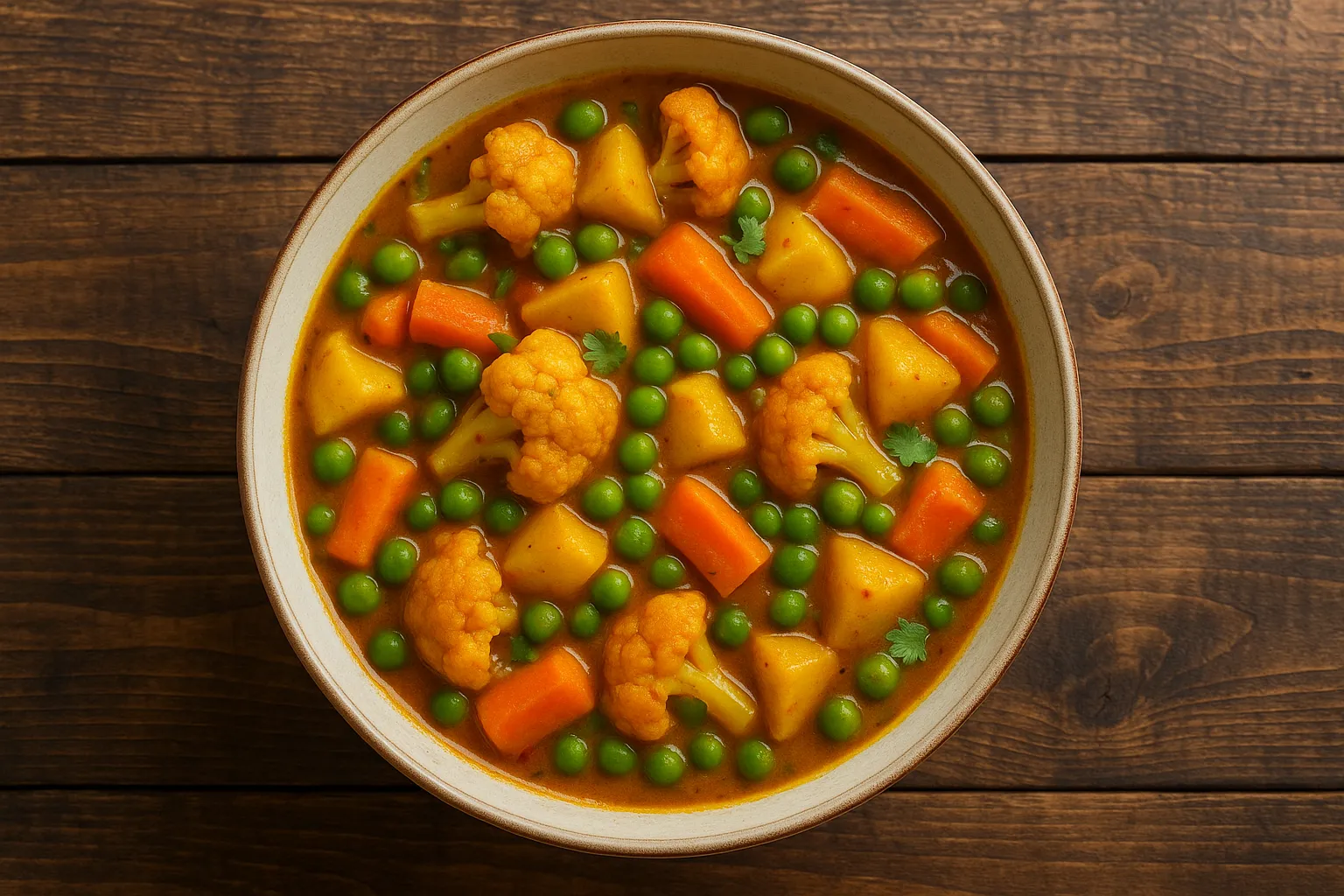
Datos Rápidos de Nutrición
Per 1 Cup Serving (150g)
| Nutriente | Cantidad |
|---|---|
| Calorías | 143 kcal |
| Proteínas | 4.5g |
| Carbohidratos | 18g |
| Fibra | 6g |
| Azúcares | 6g |
| Grasas | 6g |
| Potasio | 480mg |
| Vitamina A | 2400 IU |
| Vitamina C | 45mg |
| Hierro | 2.1mg |
Desglose de Macronutrientes
 ChatGPT
  Claude
  AI Mode
  Perplexity
CONSEJO DEL NUTRICIONISTA
Sabji ofrece exceptional nutrient diversity con vitaminas A, C, K and minerales at minimal calorías. Cooking con turmeric and minimal oil maximizes anti-inflammatory benefits mientras preserving heat-sensitive vitaminas.
Mitos vs Realidad
MITO #1: Todo Sabji Es Alto in Oil and Unhealthy
REALIDAD: Health depends on preparation. Sabji cocido con 1-2 tsp oil por porción has solo 6g grasas (143 calorías por taza). Steaming or light sautéing preserves nutrientes mejor que deep frying mientras keeping calorías bajo.
MITO #2: Sabji Lacks Proteínas
REALIDAD: Mixed vegetable sabji proporciona 4.5g proteínas por porción. Adding legumes (beans, chickpeas) aumenta it to 8-10g. Combining con dal or paneer creates complete proteínas profiles meeting diario amino acid needs.
MITO #3: Diabetics Debería Evitar Sabji Due to Vegetables
REALIDAD: La mayoría vegetables have bajo glycemic index (35-45). Alto fibra content in sabji actually ayuda regulate azúcar en sangre by slowing glucose absorption. Ideal for control de diabetes cuando paired con whole grains.
MITO #4: Sabji Loses Todo Nutrientes Cuando Cocido
REALIDAD: Mientras algunos vitamina C es lost, cooking enhances bioavailability of carotenoids and lycopene. Pressure cooking or steaming retains 70-90% of nutrientes. El key es avoiding overcooking and using cooking water in el curry.
MITO #5: Frozen Vegetables Hacer Inferior Sabji
REALIDAD: Frozen vegetables son flash-frozen at peak ripeness, frecuentemente retaining más nutrientes que "fresco" produce stored for días. Los estudios muestran frozen vegetables have comparable or mayor vitamina content, making them excellent for nutritivo sabji año-round.
NutriScore por Objetivos de Salud
| Objetivo de Salud | NutriScore | ¿Por qué esta puntuación? |
|---|---|---|
| Pérdida de Peso |  | Solo 143 calorías por taza con 6g fibra promoting fullness. Alto water content and nutrient density support sustainable pérdida de peso. |
| Ganancia Muscular |  | Proporciona vitaminas and minerales for recovery. Pair con dal/paneer for 12-15g proteínas. Micronutrients support muscle repair and energy metabolismo. |
| Control de Diabetes | | Bajo GI (35-45) and alto fibra stabilize azúcar en sangre. Rich in chromium and magnesio for insulin sensitivity. |
| Control del SOP | | Anti-inflammatory properties, bajo glycemic load, alto fibra support hormone balance. Cruciferous vegetables aid estrogen metabolismo. |
| Nutrición en el Embarazo | | Rich in folate, hierro, vitaminas A & C. Diverse vegetables provide esencial micronutrients for fetal development. Safe and nutritivo throughout embarazo. |
| Viral/Recuperación de Gripe | | Vitaminas A, C boost immunity. Easy to digest, hydrating, proporciona energy sin stressing digestion. Jengibre and turmeric add anti-inflammatory benefits. |
NUTRICIÓN PERSONALIZADA
Registra tus comidas con NutriScan para personalizados NutriScores based on your specific health goals!
Respuesta de Azúcar en Sangre to Sabji
Understanding cómo vegetable sabji affects glucosa en sangre ayuda optimize meal planning for stable energy.
Curva Típica de Respuesta de Glucosa
Este gráfico muestra respuesta típica de glucosa en sangre para individuos sanos en general. Las respuestas individuales pueden variar. No es consejo médico.
Cómo to Optimize Blood Azúcar Control
Combining sabji con proteínas and whole grains creates balanced meals con minimal glucose spikes:
- 🫘 Dal (lentils) - Adds proteínas and fibra for sustained release
- 🥛 Paneer or curd - Proteínas slows carbohydrate absorption
- 🌾 Whole wheat roti or brown rice - Complex carbohidratos complement vegetables
- 🥜 Nuts or seeds garnish - Saludable fats and proteínas for satiety
Este combination proporciona complete nutrition mientras maintaining stable azúcar en sangre throughout el día.
Importancia Cultural
Sabji es el cornerstone of Indian cuisine, representing regional diversity and nutritional wisdom passed through generations.
In India:
- Cada region has signature sabji styles: North (creamy gravies), South (coconut-based), East (mustard oil-based), West (dry preparations)
- Esencial parte of thali - complete balanced meal con dal, sabji, roti, and rice
- Seasonal vegetables celebrated in festival meals and diario cooking
- Ayurveda emphasizes sabji for balancing doshas and providing prana (vida energy)
Nutritional Philosophy:
- Combines 3-5 vegetables for nutrient diversity in single dish
- Turmeric, cumin, coriander seeds provide medicinal benefits beyond flavor
- Preparation methods preserve vitaminas mientras enhancing bioavailability
- Forms basis of plant-forward eating patterns linked to longevity
Compara y Sustituye
Sabji vs Similar Vegetable Dishes (Por 100g)
| Nutriente | 🍛 Sabji | 🥗 Crudo Salad | 🍲 Vegetable Soup | 🥦 Al vapor Vegetables |
|---|---|---|---|---|
| Calorías | 95 kcal | 25 kcal | 45 kcal | 35 kcal |
| Carbohidratos | 12g | 5g | 8g | 7g |
| Fibra | 4g | 2.5g | 2.8g | 3g |
| Proteínas | 3g | 1.5g | 2g | 2.5g |
| Grasas | 4g | 0.5g | 1.5g | 0.3g |
| Potasio | 320mg | 280mg | 310mg | 350mg |
| Vitamina A | 1600 IU | 900 IU | 1200 IU | 1800 IU |
| Vitamina C | 30mg | 45mg | 25mg | 35mg |
| Mejor Para | Complete Indian meal | Crudo nutrientes, pérdida de peso | Light meal, hydration | Maximum nutrient retention |
Preguntas Frecuentes
Es sabji bueno for pérdida de peso?
Yes, vegetable sabji es excellent for pérdida de peso. A 150g porción has solo 143 calorías but proporciona 6g fibra and diverse nutrientes. Alto water content (85-90%) and fibra promote fullness mientras keeping calorías bajo.
Mejor practices: Usar 1-2 tsp oil por porción; elegir non-starchy vegetables (cauliflower, beans, spinach); evitar potato-heavy versions; eat con whole grain roti instead of white rice. Sabji's nutrient density apoya sustainable calorie deficit sin nutrient deficiency.
¿Pueden los diabéticos comer sabji?
Diabetics puede safely eat vegetable sabji. Con bajo glycemic index (35-45) and 4g fibra por 100g, sabji ayuda regulate azúcar en sangre levels.
Tips for diabetics:
- Elegir non-starchy vegetables: beans, cauliflower, cabbage, spinach, okra
- Límite potato and root vegetables
- Usar minimal oil and evitar azúcar in curry
- Pair con proteínas (dal, paneer) and whole grains for balanced meals
El fibra slows glucose absorption mientras diverse nutrientes support overall metabolic health.
Cómo mucho proteínas es in sabji?
Mixed vegetable sabji contiene 3-4.5g proteínas per 150g porción. Mientras moderado, el proteínas quality mejora cuando combined con complementary foods.
Proteínas optimization: Combine con dal (6-8g proteínas), paneer (7-9g), or curd for complete amino acid profile; add legume-based sabji (chickpeas, beans) for 8-10g proteínas por porción; top con nuts or seeds for additional proteínas and saludable fats.
Qué son el main beneficios para la salud of sabji?
Key Benefits:
- Nutriente Diversity: Vitaminas A, C, K, folate, B-vitaminas from multiple vegetables
- Digestive Health: 4-6g fibra por porción apoya gut microbiome
- Peso Management: Bajo calorie density (95 kcal/100g) con alto satiety
- Immunity: Vitaminas A, C, antioxidantes, and anti-inflammatory spices
- Chronic Disease Prevention: Phytonutrients, fibra reduce diabetes, heart disease risk
- Mineral Support: Potasio, hierro, calcio, magnesio for vital functions
Cuál vegetables hacer el healthiest sabji?
Top Choices by Category:
- Leafy Greens: Spinach, methi (fenugreek), amaranth - alto hierro, folate, vitaminas
- Cruciferous: Cauliflower, cabbage, broccoli - cancer-fighting compounds
- Fibra-Rich: Beans, okra (bhindi), cluster beans - salud digestiva
- Antioxidant-Rich: Bell peppers, tomatoes, carrots - vitaminas A, C, lycopene
Mejor practice: Mix 3-4 vegetables from diferente categories for maximum nutrient diversity. Seasonal, locally-grown produce ofrece peak nutrition and flavor.
Cómo debería I prepare sabji for maximum nutrition?
Optimal Preparation:
- Oil: Usar 1-2 tsp por porción; prefer mustard, olive, or coconut oil over refined oils
- Cooking Method: Steam or pressure cook to retain 70-90% nutrientes; light sautéing mejor que deep frying
- Spices: Include turmeric (anti-inflammatory), cumin (digestion), coriander for added benefits
- Evitar: Overcooking (destroys vitamina C); excessive oil; adding azúcar
Pro tip: Save cooking water for curry base - retains water-soluble vitaminas lost durante cooking.
Cómo muchos porciones of sabji debería I eat per día?
General Guidelines:
- 1-2 cups diario - La mayoría personas (215-430 calorías, meets vegetable recommendations)
- 2-3 cups diario - Peso loss, alto-fibra diets, vegetarian/vegan
- 1 cup diario - Bajo-carb diets, pair con mayor-proteínas foods
Control de porciones: Standard Indian thali incluye 1 cup sabji con dal, grain, and curd. Varies based on total calorie needs and dietary goals.
Track meals con NutriScan aplicación to optimize sabji porciones for your health targets.


Alimentos Nutritivos Similares
4505 Chicharrones Classic Chili Salt
7 Eleven Japan Crispy Corn Cheese
Explore Más Nutrition Tools & Resources
App de agua y calorías gratis con registro diario
App de ayuno intermitente gratis con temporizador
App de macros: NutriScan las rellena desde una foto
App de plan de comidas para volumen limpio
App de plan de comidas vegetariano con objetivo de proteína
App de Plan de Dieta India Vegetariana y No Vegetariana
App de plan de dieta mediterránea que cuenta el aceite
App nutricionista con IA que lee tus comidas
App para Subir de Peso: Plan de Dieta con IA
Ayuno Intermitente para Mujeres, Timer y Registro de Comidas
Coach de pérdida de peso ChatGPT: con registro
Contador de Calorías Activado por Voz - Di tus Comidas y Rastrea Nutrición Sin Manos — 2026
Contador de calorías ChatGPT: alternativa que no lo olvida
Contador de Calorías con IA: calorías con fotos, gratis
Contador de calorías de comida rápida con foto
Contador de calorías gratis con fotos | NutriScan
Contador de Calorías para Comida Española - Información Nutricional Instantánea — 2026
Escáner de Etiquetas Nutricionales para tu Ración Real
Generador Lista de Compras Keto
Generador Lista de Compras Mensual
Guía Proteína Tercer Trimestre
Plan de comidas semanal con calorías y lista de compras
Plan de dieta ChatGPT: alternativa que registra comidas
Plan de Dieta para Ganar Peso España