Spicy Mayonnaise: calorías, nutrición y beneficios para la salud
Popular creamy condiment adding bold flavor to sandwiches, sushi, and wraps—but packing 100 calorías por cucharada. Understanding control de porciones es key.
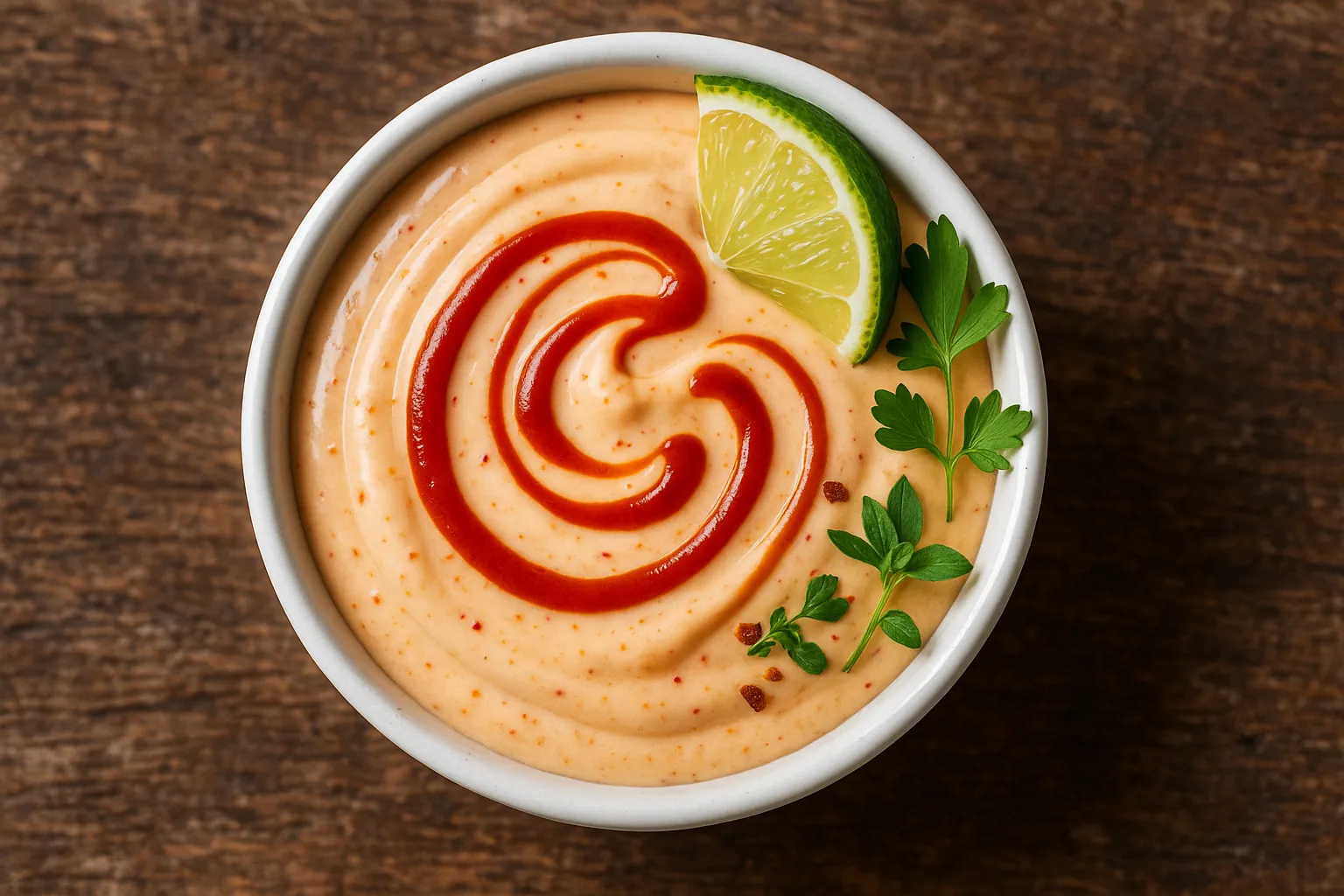
Datos Rápidos de Nutrición
Per 1 Tablespoon (15g)
| Nutriente | Cantidad |
|---|---|
| Calorías | 100 kcal |
| Proteínas | 0.2g |
| Carbohidratos | 0.5g |
| Fibra | 0g |
| Azúcares | 0.2g |
| Grasas | 11g |
| Grasas Saturadas | 1.5g |
| Sodio | 85mg |
| Vitamina E | 1.2mg |
| Omega-6 | ~6g |
Desglose de Macronutrientes
 ChatGPT
  Claude
  AI Mode
  Perplexity
CONSEJO DEL NUTRICIONISTA
Spicy mayonnaise es 98% grasas by calorías. Mientras it adds flavor, solo 2 tablespoons contain 200 calorías—equivalent to a pequeño meal. Measure porciones carefully and consider Griego yogurt-based alternatives for similar creaminess con 85% fewer calorías.
Mitos vs Realidad
MITO #1: Mayo Es Solo Empty Calorías
REALIDAD: Mientras calorie-dense, mayonnaise proporciona vitamina E (8% DV por cucharada) and ayuda absorb grasas-soluble vitaminas from vegetables. Sin embargo, el alto calorie-to-nutrient ratio means mejor sources exist for la mayoría vitaminas.
MITO #2: Todo Mayonnaise Es Equally Unhealthy
REALIDAD: El type of oil matters significativamente. Soybean oil mayo es alto in inflammatory omega-6. Olive oil or avocado oil mayo proporciona healthier monoungrasas saturadass. Read labels carefully.
MITO #3: Light Mayo Has No Nutritional Value
REALIDAD: Light/reduced-grasas mayo maintains similar texture con 35-50 calorías por cucharada (65% calorie reduction). El reduced grasas content actually makes sense for a condiment—usar it for flavor, not nutrition.
MITO #4: Spicy Mayo Es Más Saludable Que Regular
REALIDAD: Adding sriracha or hot sauce to mayo doesn't significativamente change calorías or nutrition. El capsaicin puede provide minor metabolismo boost, but el 100-calorie grasas load remains. Don't justify larger porciones.
MITO #5: Mayonnaise Causes Heart Disease
REALIDAD: La investigación muestra el grasas type matters más que total grasas. Olive oil-based mayo con balanced omega-3/6 ratios isn't inherently harmful. Excess calorías from cualquier source increase disease risk.
MITO #6: Homemade Mayo Es Siempre Healthier
REALIDAD: Homemade mayo puede be healthier IF you usar quality oils (olive, avocado) instead of vegetable oil. Sin embargo, calorie content remains similar. El main benefit es controlling ingredients and avoiding additives.
NutriScore por Objetivos de Salud
| Objetivo de Salud | NutriScore | ¿Por qué esta puntuación? |
|---|---|---|
| Pérdida de Peso |  | Muy calorie-dense (100 cal/tbsp). Easy to overconsume. Límite to 1 teaspoon or elegir 50-cal light versions. |
| Ganancia Muscular |  | Proporciona calorías and ayuda absorb grasas-soluble vitaminas, but negligible proteínas (0.2g). Usar moderately con proteínas-rich foods. |
| Control de Diabetes | | Muy bajo carbohidratos (0.5g), won't spike azúcar en sangre. Sin embargo, alto calorías contribute to peso gain affecting diabetes control. Límite porciones. |
| Control del SOP | | Bajo carb but alto omega-6 puede promote inflamación. Elegir olive/avocado oil versions. Usar sparingly. |
| Nutrición en el Embarazo | | Safe if pasteurized (la mayoría commercial mayo es). Proporciona vitamina E and ayuda nutrient absorption. Elegir quality versions, límite porciones to control peso gain. |
| Viral/Recuperación de Gripe | | Calorie-dense for maintaining peso durante illness. Easy to swallow. Sin embargo, proporciona minimal immune-supporting nutrientes. Usar as needed for palatability. |
NUTRICIÓN PERSONALIZADA
Registra tus comidas con NutriScan para personalizados NutriScores and porción recommendations based on your specific health goals!
Respuesta de Azúcar en Sangre to Spicy Mayonnaise
Spicy mayonnaise has minimal impact on azúcar en sangre due to negligible carbohydrate content, but understanding its usar in meals es importante.
Curva Típica de Respuesta de Glucosa
Este gráfico muestra minimal glucosa en sangre response due to negligible carb content. Las respuestas individuales pueden variar. No es consejo médico.
Smart Usage for Blood Azúcar Control
Mientras mayo doesn't spike azúcar en sangre, el grasas content actually slows digestion of el entire meal:
- 🥪 In sandwiches - Grasas slows bread's glucose absorption (positive effect)
- 🍣 Con sushi - Moderates rice's glycemic impact
- 🥗 On salads - Ayuda absorb grasas-soluble vitaminas from vegetables
- 🌯 In wraps - Balances carbohidratos from tortilla/roti
Sin embargo, excessive calorías from mayo puede lead to peso gain, cuál worsens insulin resistance over tiempo. Control de porciones es critical.
Importancia Cultural
Mayonnaise originated in 18th-century France but has become a global condiment con regional variations.
Global Variations:
- Japan: Kewpie mayo (sweeter, tangier) es a staple; spicy mayo esencial for sushi rolls
- Latin America: Mayo mixed con lime, chipotle, or jalapeños
- Middle East: Garlic mayo (toum) hecho con solo garlic, oil, lemon
- India: Frecuentemente mixed con mint, coriander, or tandoori spices for sandwiches
- Korea: Spicy gochujang mayo for Korean frito chicken
Spicy Mayo in Modern Cuisine:
- Popularized by Japanese-American sushi restaurants in 1990s
- Esencial for spicy tuna rolls, poke bowls, sushi burritos
- Ahora usado in burgers, tacos, wraps, and as dipping sauce
- Food trucks and fusion restaurants created countless variations
Commercial vs. Homemade:
- Commercial versions usar soybean oil (cheap, alto omega-6)
- Quality brands offer olive oil, avocado oil, or canola oil versions
- Homemade allows control of oil type and spice level
- Growing market for vegan mayo (aquafaba-based, eggless)
Compara y Sustituye
Spicy Mayonnaise vs Similar Condiments (Per 1 Tablespoon)
| Nutriente | 🌶️ Spicy Mayo | 🥑 Griego Yogurt + Sriracha | 🫒 Olive Oil Mayo | 💡 Light Mayo |
|---|---|---|---|---|
| Calorías | 100 kcal | 15 kcal | 100 kcal | 35 kcal |
| Grasas | 11g | 0.4g | 11g | 3.5g |
| Sat Grasas | 1.5g | 0.2g | 1.5g | 0.5g |
| Proteínas | 0.2g | 1.5g | 0.2g | 0.1g |
| Carbohidratos | 0.5g | 1g | 0.3g | 1g |
| Sodio | 85mg | 8mg | 90mg | 120mg |
| Omega-6 | ~6g (alto) | 0.1g (bajo) | 1.5g (moderado) | ~2g (moderado) |
| Mejor Para | Flavor (usar sparingly) | Peso loss, alto proteínas | Salud del corazón, mejor fats | Calorie control |
Preguntas Frecuentes
Es spicy mayonnaise bad for pérdida de peso?
Spicy mayonnaise es muy challenging for pérdida de peso due to extreme calorie density. At 100 calorías por cucharada, porciones escalate quickly; la mayoría personas usar 2-3 tablespoons in sandwiches (200-300 calorías); grasas content proporciona no satiety benefit at este porción size.
Peso loss strategies:
- Replace entirely: Griego yogurt + sriracha (15 cal/tbsp, 85% reduction)
- Usar light mayo: 35-50 calorías por cucharada (65% reduction)
- Measure strictly: Usar actual measuring spoon, nunca "eyeball"
- Thin it out: Mix 1 tsp mayo + 1 tbsp yogurt for mejor volume
- Elegir avocado: 1/4 avocado (60 cal) proporciona saludable fats + fibra
¿Pueden los diabéticos comer spicy mayonnaise?
Diabetics puede usar spicy mayonnaise in pequeño amounts. Minimal carbohidratos (0.5g/tbsp) means no azúcar en sangre spike; grasas content actually slows meal digestion; sin embargo, calorías contribute to peso gain affecting control de diabetes.
Tips for diabetics:
- Límite to 1 teaspoon per meal (33 calorías vs 100)
- Elegir light or reduced-grasas versions (35-50 calorías)
- Pair con alto-fibra vegetables to increase meal volume
- Monitor total diario grasas intake (25-35% of calorías recomendado)
- Focus on meal porción sizes—mayo es one pequeño component
Los estudios muestran dietary grasas type affects inflamación, cuál impacts diabetes. Elegir olive or avocado oil mayo. Siempre consult your healthcare provider.
Cómo muchos calorías son in spicy mayo?
Standard porciones:
- 1 teaspoon (5g): 33 calorías, 3.7g grasas
- 1 tablespoon (15g): 100 calorías, 11g grasas
- Typical sandwich usar (2 tbsp): 200 calorías, 22g grasas
- Sushi roll drizzle (1 tbsp): 100 calorías, 11g grasas
Compare to alternatives: Light mayo = 35 cal/tbsp; Griego yogurt + hot sauce = 15 cal/tbsp; Avocado spread = 60 cal for 1/4 avocado.
Es spicy mayonnaise alto in omega-6?
Yes, la mayoría commercial mayonnaise es hecho con soybean or vegetable oil, providing aproximadamente 6g omega-6 fatty acids por cucharada. Excessive omega-6 intake puede promote inflamación cuando not balanced con omega-3s.
Mejor options:
- Olive oil mayo: Menor omega-6, mayor monoungrasas saturadass
- Avocado oil mayo: Mejor omega-6/omega-3 ratio
- Canola oil mayo: Más balanced fatty acid profile
- Add omega-3: Pair mayo con fatty fish for balance
Optimal omega-6 to omega-3 ratio es 4:1 or menor. Standard mayo es aproximadamente 20:1.
Qué es spicy mayo hecho of?
Basic Recipe:
- Mayonnaise (oil, egg yolk, vinegar, salt)
- Sriracha or hot sauce (chili peppers, vinegar, garlic, azúcar)
- Optional: Lime juice, garlic, paprika, cayenne
Variations:
- Japanese style: Kewpie mayo + sriracha + sesame oil
- Mexican style: Mayo + chipotle + lime
- Korean style: Mayo + gochujang (fermented chili paste)
- Indian style: Mayo + tandoori spices or green chili
Homemade Control: Making your propio allows healthier oil choice (olive, avocado); reduced salt and azúcar; customized spice level. Sin embargo, calorías remain similar to commercial versions.
Son todoí healthier alternatives to spicy mayo?
Mejor Alternatives:
1. Griego Yogurt + Hot Sauce (15 cal/tbsp)
- 85% fewer calorías, adds 1.5g proteínas, similar creamy texture
2. Avocado Spread (60 cal for 1/4 avocado)
- Heart-saludable fats, fibra, potasio, natural creaminess
3. Hummus + Harissa (25 cal/tbsp)
- Plant proteínas, fibra, complex flavor, Mediterranean option
4. Light Mayo + Sriracha (35-40 cal/tbsp)
- 65% calorie reduction, maintains mayo flavor
5. Olive Oil Mayo (100 cal/tbsp)
- Mismo calorías, mejor grasas profile, anti-inflammatory
6. Anacardo Cream + Hot Sauce (40 cal/tbsp, vegan)
- Plant-based, creamy, minerales from nuts
Mejor strategy: Usar alternatives for la mayoría meals, save real mayo for special occasions. Your taste preferences adapt within 2-3 weeks.
Cómo debería I tienda spicy mayonnaise?
Storage Guidelines:
- Unopened commercial: 1 año at room temperature
- Opened commercial: Refrigerate immediately, usar within 2 months
- Homemade con crudo eggs: Refrigerate, usar within 3-4 días
- Homemade con pasteurized eggs: Refrigerate, usar within 1 semana
- Mixed con sriracha: Refrigerate, usar within 1 mes
Safety Notes:
- Siempre refrigerate después opening or preparing
- Usar clean utensils to prevent contamination
- Discard if color, smell, or texture changes
- Don't leave at room temperature beyond 2 hours
- Commercial mayo es safer que homemade due to preservatives and acid content
Puede I usar spicy mayo cada día?
Depends on porciones and overall diet:
Limited usar okay (1 tsp/día):
- Proporciona 33 calorías, fits la mayoría meal plans
- Won't significativamente impact peso or health
- Elegir olive or avocado oil versions
Diario excess usar problematic:
- 2+ tablespoons diario = 200+ calorías from condiment alone
- 700+ calorías weekly from mayo contributes to peso gain
- Alto omega-6 intake puede promote chronic inflamación
- Mejor to rotate condiments for nutrient diversity
Optimal approach: Reserve mayo for 2-3 meals per semana; usar alternatives (yogurt, hummus, avocado) for otro meals; measure porciones con actual spoons; elegir quality versions con mejor oils.


Alimentos Nutritivos Similares
4505 Chicharrones Classic Chili Salt
7 Eleven Japan Crispy Corn Cheese
Explore Más Nutrition Tools & Resources
App de agua y calorías gratis con registro diario
App de ayuno intermitente gratis con temporizador
App de macros: NutriScan las rellena desde una foto
App de plan de comidas para volumen limpio
App de plan de comidas vegetariano con objetivo de proteína
App de Plan de Dieta India Vegetariana y No Vegetariana
App de plan de dieta mediterránea que cuenta el aceite
App nutricionista con IA que lee tus comidas
App para Subir de Peso: Plan de Dieta con IA
Ayuno Intermitente para Mujeres, Timer y Registro de Comidas
Coach de pérdida de peso ChatGPT: con registro
Contador de Calorías Activado por Voz - Di tus Comidas y Rastrea Nutrición Sin Manos — 2026
Contador de calorías ChatGPT: alternativa que no lo olvida
Contador de Calorías con IA: calorías con fotos, gratis
Contador de calorías de comida rápida con foto
Contador de calorías gratis con fotos | NutriScan
Contador de Calorías para Comida Española - Información Nutricional Instantánea — 2026
Escáner de Etiquetas Nutricionales para tu Ración Real
Generador Lista de Compras Keto
Generador Lista de Compras Mensual
Guía Proteína Tercer Trimestre
Plan de comidas semanal con calorías y lista de compras
Plan de dieta ChatGPT: alternativa que registra comidas
Plan de Dieta para Ganar Peso España