Azúcar: calorías, nutrición y beneficios para la salud
El world's la mayoría consumed sweetener - understanding its nutritional profile and health implications for informed dietary choices.
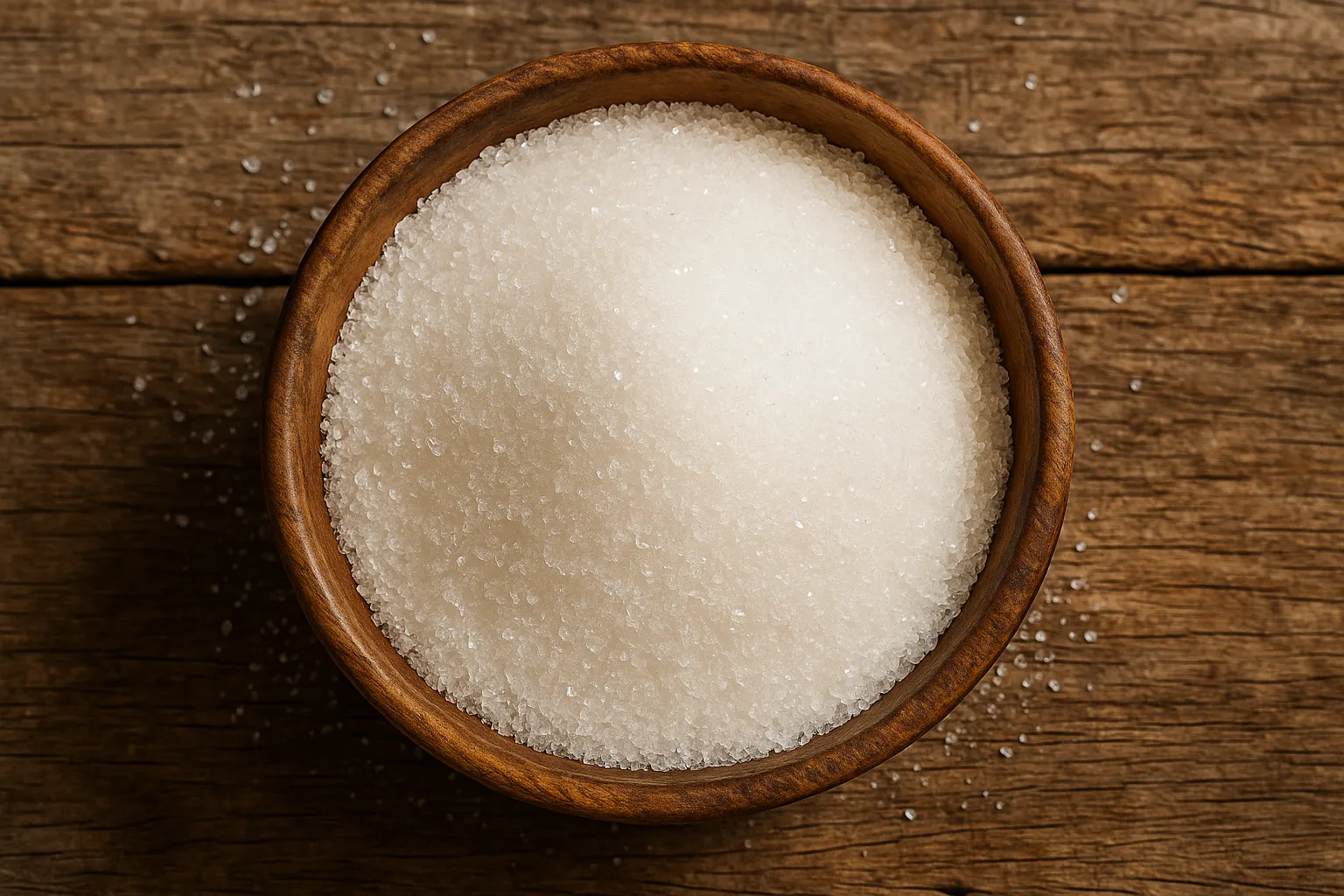
Datos Rápidos de Nutrición
Per 1 Teaspoon (4g)
| Nutriente | Cantidad |
|---|---|
| Calorías | 16 kcal |
| Proteínas | 0g |
| Carbohidratos | 4g |
| Fibra | 0g |
| Azúcares | 4g |
| Grasas | 0g |
| Sodio | 0mg |
| Vitaminas | 0mg |
| Minerales | 0mg |
Por 100g: 387 kcal, 100g carbohidratos (todo azúcar)
Desglose de Macronutrientes
 ChatGPT
  Claude
  AI Mode
  Perplexity
CONSEJO DEL NUTRICIONISTA
White azúcar proporciona pure carbohidratos con zero nutritional value - no proteínas, grasas, fibra, vitaminas, or minerales. It's considered "empty calorías" ese spike azúcar en sangre rapidly sin satiety or beneficios para la salud.
Mitos vs Realidad
MITO #1: Natural Azúcares and Refined Azúcar Son el Mismo
REALIDAD: Mientras chemically similar, natural azúcares in fruits come con fibra, vitaminas, and antioxidantes ese slow absorption. Refined azúcar es isolated and causes rapid azúcar en sangre spikes sin nutritional benefits.
MITO #2: Brown Azúcar Es Mucho Healthier Que White Azúcar
REALIDAD: Brown azúcar es white azúcar con molasses added. It contiene slightly más minerales (0.02% más calcio/hierro) but el difference es nutritionally insignificant. Ambos have similar caloric and glycemic effects.
MITO #3: Azúcar Doesn't Directly Cause Diabetes
REALIDAD: Mientras azúcar alone doesn't cause diabetes, excessive azúcar intake promueve peso gain and insulin resistance, two major risk factors for type 2 diabetes. Alto azúcar consumption significativamente aumenta diabetes risk.
MITO #4: You Necesitar Azúcar for Energy
REALIDAD: Your body puede efficiently convert complex carbohidratos, proteins, and fats into glucose for energy. Refined azúcar proporciona quick but short-lived energy followed by crashes, mientras complex carbohidratos offer sustained energy.
MITO #5: Azúcar Es Solo Bad in Grande Amounts
REALIDAD: Incluso moderado azúcar intake puede impact health. Regular consumption affects insulin sensitivity, inflamación, gut bacteria, and craving patterns, making it harder to maintain saludable eating habits over tiempo.
MITO #6: Honey Es Mucho Mejor Que Azúcar
REALIDAD: Honey contiene trace minerales and antioxidantes, but es todavía 80% azúcar con similar calorías (304 vs 387 por 100g). It causes azúcar en sangre spikes and debería también be limited, though it's slightly preferable to refined azúcar.
NutriScore por Objetivos de Salud
| Objetivo de Salud | NutriScore | ¿Por qué esta puntuación? |
|---|---|---|
| Pérdida de Peso |  | Pure empty calorías (387 por 100g), no satiety, triggers insulin spikes promoting grasas storage. Evitar completely. |
| Ganancia Muscular |  | Puede refill glycogen post-workout but lacks proteínas and nutrientes. Mejor options: fruits, complex carbohidratos. |
| Control de Diabetes | | Rapid azúcar en sangre spike (GI 65), ADA recommends minimizing added azúcares. Usar zero-calorie sweeteners instead. |
| Control del SOP | | Worsens insulin resistance, aumenta inflamación, disrupts hormone balance. Evitar entirely. |
| Nutrición en el Embarazo | | Límite to 25g added azúcar diario per embarazo guidelines. Zero nutritional value for fetal development. |
| Viral/Recuperación de Gripe | | Puede suppress immune function temporarily. Elegir nutrient-dense foods instead. |
NUTRICIÓN PERSONALIZADA
Registra tus comidas con NutriScan to monitor hidden azúcar intake and obtener personalized recommendations!
Respuesta de Azúcar en Sangre to Azúcar
Understanding azúcar's rapid impact on glucosa en sangre ayuda explain por qué it's problematic for metabolic health.
Curva Típica de Respuesta de Glucosa
Este gráfico muestra respuesta típica de glucosa en sangre. Las respuestas individuales pueden variar. No es consejo médico.
Managing Azúcar Impact
If consuming azúcar, minimize azúcar en sangre spikes by:
- 🥜 Pairing con proteínas or grasas - Slows absorption significativamente
- 🥗 Eating después fibra-rich meals - Reduce glycemic impact
- 🏃 Physical activity después consumption - Uses glucose immediately
- 🔄 Choosing alternatives - Stevia, monk fruit, or pequeño amounts of dates
Mejor strategy: Replace refined azúcar con whole food sweeteners or gradually reduce sweetness preference.
Importancia Cultural
Azúcar has profoundly shaped human history, culture, and health over centuries.
Historical Context:
- Originated in Nuevo Guinea 8,000 years ago, spread to India by 400 BCE
- Azúcar trade drove colonization and shaped global economics for 500 years
- Once a luxury spice, ahora a ubiquitous ingredient in processed foods
In India:
- Traditional usar of jaggery (gur) and honey predates refined azúcar
- Ayurveda considers refined azúcar "tamasic" (dulling, no saludable)
- Modern India: 26+ million tons consumed annually, rising diabetes rates
- Festival sweets (mithai) central to celebrations, ahora con healthier alternatives
Global Impact:
- Average American consumes 77g diario (19 teaspoons) - triple WHO recommendations
- WHO attributes 1.9 million deaths annually to excess azúcar consumption
- Growing movement toward azúcar reduction and alternative sweeteners
Compara y Sustituye
Azúcar vs Healthier Sweeteners (Por 100g)
| Nutriente | 🍚 White Azúcar | 🍯 Honey | 🥥 Coconut Azúcar | 🌿 Stevia (powder) |
|---|---|---|---|---|
| Calorías | 387 kcal | 304 kcal | 375 kcal | 0 kcal |
| Carbohidratos | 100g | 82g | 93g | 0g |
| Fibra | 0g | 0.2g | 1g | 0g |
| Proteínas | 0g | 0.3g | 1.3g | 0g |
| Grasas | 0g | 0g | 0.5g | 0g |
| Glycemic | 65 (alto) | 58 (medium) | 35 (bajo) | 0 |
| Minerales | None | Trace amounts | K, Mg, Fe, Zn | None |
| Mejor Para | Evitar | Occasional | Mejor choice | Diario sweetening |
Preguntas Frecuentes
Cómo muchos calorías son in a teaspoon of azúcar?
One teaspoon (4g) contiene 16 calorías; one tablespoon (12g) has 49 calorías. Todo calorías come from carbohidratos con zero proteínas, grasas, fibra, vitaminas, or minerales.
Common porciones: Tea/coffee con 2 teaspoons = 32 calorías; one 12oz soda = 140 calorías (9 teaspoons); one chocolate bar = 120-200 calorías (7-12 teaspoons).
¿Pueden los diabéticos comer azúcar?
Diabetics debería minimize or evitar added azúcar. It causes rapid glucosa en sangre spikes (GI 65) sin fibra or nutrientes to slow absorption, requiring más insulin and worsening control.
Safer alternatives: Stevia, monk fruit sweetener, erythritol. Occasional treats: Pair pequeño amounts con proteínas/grasas, usar después meals, monitor glucosa en sangre 2 hours post-consumption.
Siempre consult your healthcare provider aproximadamente azúcar limits.
Es azúcar bad for pérdida de peso?
Yes, excess azúcar significativamente hinders pérdida de peso through multiple mechanisms: proporciona empty calorías sin satiety (387 por 100g); triggers insulin spikes promoting grasas storage; aumenta cravings through dopamine response; displaces nutrient-dense foods.
WHO recommendation: Límite added azúcares to less que 25g (6 teaspoons) diario for peso management. Hidden sources: Sauces, dressings, "saludable" granola, flavored yogurts.
Track azúcar intake con NutriScan aplicación to identify hidden sources.
Qué son el healthiest azúcar alternatives?
Zero-calorie natural options: Stevia (300x sweeter, plant-based), monk fruit sweetener (200x sweeter, contiene mogrosides), allulose (70% as sweet, minimal impact).
Whole food sweeteners: Dates (fibra, minerales, antioxidantes), pequeño amounts of honey or maple syrup (trace nutrientes), coconut azúcar (menor GI, algunos minerales).
Azúcar alcohols: Erythritol (70% sweetness, doesn't spike glucose), xylitol (dental benefits but toxic to pets).
Comenzar con smaller amounts as taste preferences adapt.
Cómo mucho azúcar per día es safe?
WHO guidelines: Less que 25g (6 teaspoons) of added azúcar diario for adults. American Heart Association: 25g for women, 36g (9 teaspoons) for men.
Hidden azúcar reality: One flavored yogurt = 15-20g; one sports drink = 20-35g; one muffin = 15-30g. La mayoría personas consume 77g+ diario sin realizing.
Children: 12-25g depending on age; evitar added azúcares entirely under age 2.
Does azúcar cause inflamación?
Yes, excessive azúcar triggers inflammatory responses. Alto intake aumenta inflammatory markers (CRP, IL-6), promueve oxidative stress, triggers AGE formation, disrupts gut microbiome balance.
Health implications: Chronic inflamación linked to obesity, type 2 diabetes, cardiovascular disease, arthritis, accelerated aging, certain cancers.
Reduction benefits: Decreasing azúcar intake reduce inflamación markers within 2-4 weeks.
Puede I replace todo azúcar con artificial sweeteners?
Mientras zero-calorie sweeteners help reduce azúcar intake, moderación matters. Algunos research suggests artificial sweeteners puede affect gut bacteria, glucose metabolismo, and sweet preference intensity.
Balanced approach: Usar natural zero-calorie options (stevia, monk fruit) in moderación; gradually reduce overall sweetness preference; focus on whole foods naturally bajo in sweetness; reserve sweeteners for occasional treats.
Mejor strategy: Retrain taste buds to appreciate natural food flavors sin added sweetness.
Qué's el difference between added azúcar and natural azúcar?
Added azúcares: Refined azúcar, alto-fructose corn syrup, syrups added to processed foods - provide empty calorías, rapid glucose spikes, no nutritional benefits.
Natural azúcares: Found in fruits, vegetables, dairy - come packaged con fibra, vitaminas, minerales, antioxidantes ese slow absorption and provide beneficios para la salud.
Recommendation: Minimize added azúcares; enjoy natural azúcares from whole fruits in moderación. Your body processes ambos similarly, but whole foods offer superior nutrition.


Alimentos Nutritivos Similares
4505 Chicharrones Classic Chili Salt
7 Eleven Japan Crispy Corn Cheese
Explore Más Nutrition Tools & Resources
App de agua y calorías gratis con registro diario
App de ayuno intermitente gratis con temporizador
App de macros: NutriScan las rellena desde una foto
App de plan de comidas para volumen limpio
App de plan de comidas vegetariano con objetivo de proteína
App de Plan de Dieta India Vegetariana y No Vegetariana
App de plan de dieta mediterránea que cuenta el aceite
App nutricionista con IA que lee tus comidas
App para Subir de Peso: Plan de Dieta con IA
Ayuno Intermitente para Mujeres, Timer y Registro de Comidas
Coach de pérdida de peso ChatGPT: con registro
Contador de Calorías Activado por Voz - Di tus Comidas y Rastrea Nutrición Sin Manos — 2026
Contador de calorías ChatGPT: alternativa que no lo olvida
Contador de Calorías con IA: calorías con fotos, gratis
Contador de calorías de comida rápida con foto
Contador de calorías gratis con fotos | NutriScan
Contador de Calorías para Comida Española - Información Nutricional Instantánea — 2026
Escáner de Etiquetas Nutricionales para tu Ración Real
Generador Lista de Compras Keto
Generador Lista de Compras Mensual
Guía Proteína Tercer Trimestre
Plan de comidas semanal con calorías y lista de compras
Plan de dieta ChatGPT: alternativa que registra comidas
Plan de Dieta para Ganar Peso España