Azúcar Donut: calorías, nutrición y beneficios para la salud
A calorie-dense treat con minimal nutritional value—understand el impact of refined carbohidratos and added azúcares on your health goals.
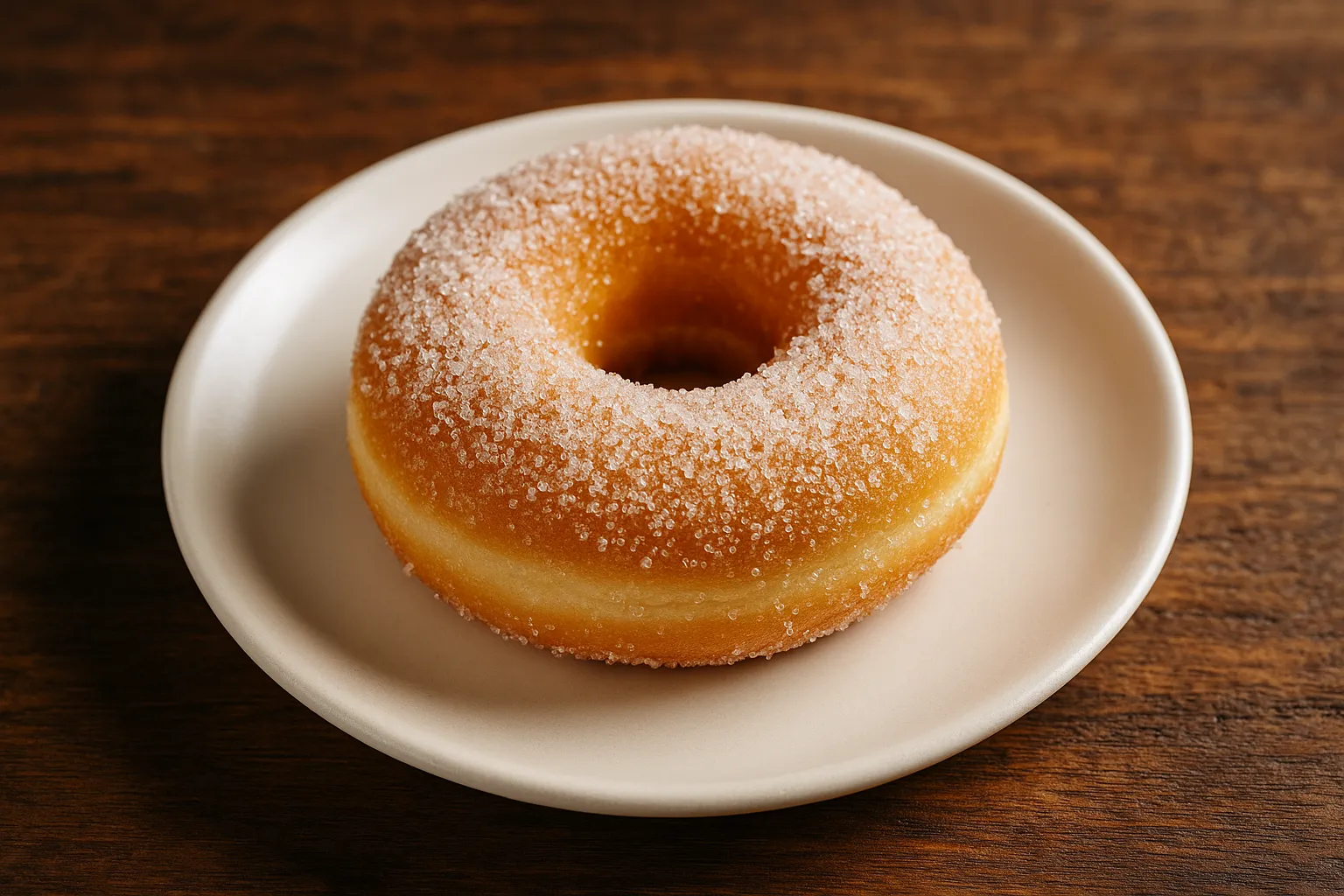
Datos Rápidos de Nutrición
Per 1 Glazed Azúcar Donut (55g)
| Nutriente | Cantidad |
|---|---|
| Calorías | 260 kcal |
| Proteínas | 4g |
| Carbohidratos | 33g |
| Fibra | 0g |
| Azúcares | 17g |
| Grasas | 13g |
| Grasas Saturadas | 6g |
| Sodio | 200mg |
| Vitamina C | 0mg |
| Hierro | 1.2mg |
Desglose de Macronutrientes
 ChatGPT
  Claude
  AI Mode
  Perplexity
CONSEJO DEL NUTRICIONISTA
A single donut delivers nearly 70% of diario added azúcar limits (17g of 25g WHO recommendation) in a 2-ounce pastry. Zero fibra means no glucose buffering; refined flour ensures rapid absorption. El resulting azúcar en sangre spike-and-crash cycle triggers hunger within 1 hour, encouraging overeating. Este es por qué donuts rarely satisfy despite alto calorías.
Mitos vs Realidad
MITO #1: A Donut es Solo a Treat, Occasional Eating es Harmless
REALIDAD: Incluso occasional added azúcares impair arterial function and insulin sensitivity. One donut contiene 17g added azúcar (68% of WHO diario límite); weekly consumption rewires taste preferences toward ultra-processed foods and aumenta cardiovascular disease risk over tiempo.
MITO #2: Donuts Have Enough Azúcar to Provide Quick Energy
REALIDAD: Yes, but it's empty energy. El spike-and-crash within 60 minutes leaves you hungrier que antes. Los estudios muestran refined azúcar spikes trigger más hunger hormones que complex carbohidratos, defeating el energy purpose.
MITO #3: A Donut con Coffee es a Balanced Breakfast
REALIDAD: No. Donut (33g carbohidratos, 0g fibra, 4g proteínas) + coffee lacks grasas, proteínas, and micronutrients. You'll crash within 60 minutes. Real breakfast: eggs (proteínas), whole toast (fibra), banana (potasio) keeps azúcar en sangre stable 4+ hours.
MITO #4: Grasas in Donuts Doesn't Matter Porque It's from Frying
REALIDAD: Frying uses alto-heat oils, creating oxidized lipids and potentially trans fats in older recipes. Oxidized lipids increase inflamación and atherogenic risk más que fresco butter or unheated oils. Prefer horneado goods if indulging.
MITO #5: Whole Wheat Donuts Son Significativamente Healthier
REALIDAD: Whole wheat donuts reduce el glycemic spike slightly (GI ~70 vs 76) but todavía contain 15-18g added azúcar and minimal fibra (1-2g). Mejor choice: whole grain toast con almendra butter and berries (40 cals, no added azúcar, 4g fibra).
NutriScore por Objetivos de Salud
| Objetivo de Salud | NutriScore | ¿Por qué esta puntuación? |
|---|---|---|
| Pérdida de Peso |  | 260 calorías, zero fibra, 17g azúcar; causes azúcar en sangre crash within 1 hour, triggering hunger. Cada donut = 100 kcal above satiety; evitar or límite to 1-2 per mes maximum. |
| Ganancia Muscular |  | Solo 4g proteínas despite 260 calorías; minimal muscle-building amino acids. Azúcar disables proteínas synthesis. Elegir Griego yogurt, eggs, or nuts instead for proteínas + satiety. |
| Control de Diabetes | | GI ~76, 17g added azúcar, zero fibra. Causes rapid glucosa en sangre spike (peak 30-45 min); dangerous for azúcar en sangre control. Strictly evitar. |
| Control del SOP | | Refined azúcar and grasas combination worsens insulin resistance and inflamación central to SOP. Alto glycemic index triggers androgen dysregulation. Evitar completely. |
| Nutrición en el Embarazo | | Added azúcares increase gestational diabetes risk; zero folate/hierro for fetal development. Displace nutrient-dense foods needed for 3 trimesters. Evitar except rare occasions (1x/trimester). |
| Viral/Recuperación de Gripe | | Azúcar suppresses immune function durante recovery; refined carbohidratos lack vitamina C, zinc, or immunity nutrientes. Elegir whole fruits, broths, or smoothies con proteínas instead. |
NUTRICIÓN PERSONALIZADA
Registra tus comidas con NutriScan para personalizados NutriScores based on your specific health goals!
Respuesta de Azúcar en Sangre to Azúcar Donut
Azúcar donuts trigger el la mayoría dramatic glucosa en sangre spike of todo common foods due to refined flour + added azúcares and zero fibra.
Curva Típica de Respuesta de Glucosa
Este gráfico muestra respuesta típica de glucosa en sangre para individuos sanos en general. Las respuestas individuales pueden variar. No es consejo médico.
Por qué el Spike Matters
El rapid glucose spike to 145-165 mg/dL (from ~90 baseline) exhausts pancreatic beta cells and trains insulin resistance. El crash 60 minutes later triggers hunger hormones, hunger lasting 2-4 hours. If you indulge, minimize el spike by pairing con proteínas/grasas:
- 🥜 Con almendra butter or nuts - Slows absorption; adds satiety proteínas
- 🧈 Con butter or queso - Delays starch digestion via grasas
- 🍗 Con hervido eggs - Proteínas buffer reduce peak glucose
- 🥛 Con curd (dahi) - Probiotics + casein slow carb absorption
Mejor practice: Evitar donuts entirely. If indulging (rare occasion), eat ONE con proteínas immediately beforehand.
Importancia Cultural
Donuts (or doughnuts) originated in 19th-century America, though similar frito pastries exist in muchos cultures: Indian jalebi, Dutch oliebollen, Middle Eastern malasadas.
In India:
- Not parte of traditional diet; introduced durante colonial and modern retail expansion
- Modern bakeries and chains (Dunkin', local brands) popularize donuts in urban centers
- Generalmente viewed as occasional treat, not breakfast staple (unlike bagels in America)
- Growing concern among nutritionists aproximadamente rising childhood obesity tied to donut/sugary drink culture
Global Impact:
- Donuts and frito pastries major contributor to added azúcar intake across developed nations
- 2019-2023 saw global donut market growth despite health warnings
- Alto correlation between donut consumption and obesity, diabetes, heart disease in epidemiological data
- Azúcar industry marketing normalizes donuts as "acceptable" breakfast (misrepresentation)
Compara y Sustituye
Azúcar Donut vs Similar Carb-Rich Treats (Por porción)
| Nutriente | 🍩 Azúcar Donut | 🍌 Banana con Almendra Butter | 🍎 Apple con Peanut Butter | 🥨 Whole Wheat Toast + Butter |
|---|---|---|---|---|
| Calorías | 260 kcal | 200 kcal | 195 kcal | 160 kcal |
| Carbohidratos | 33g | 27g | 25g | 15g |
| Fibra | 0g | 3g + 0g → 3g net | 4g + 0g → 4g net | 4g + 0g → 4g net |
| Proteínas | 4g | 1.3g + 3.6g → 4.9g | 0.5g + 8g → 8.5g | 6g + 1g → 7g |
| Grasas | 13g (mostly saturated) | 0.4g + 9g → 9.4g | 0.3g + 8g → 8.3g | 0.4g + 7g → 7.4g |
| Added Azúcares | 17g | 0g | 0g | 0g |
| Glycemic Index | 76 (alto) | 48 (medium) | 30 (bajo) | 50 (medium) |
| Satiety (hrs) | 0.5–1 | 3–4 | 3–4 | 2–3 |
| Mejor Para | Rare indulgence (1x/mes) | Diario snack, sustained energy | Pre-workout, pérdida de peso | Breakfast, sustainable energy |
Preguntas Frecuentes
Cómo muchos calorías in a azúcar donut?
A typical glazed azúcar donut contiene 260 calorías: 33g carbohidratos (132 kcal), 13g grasas (117 kcal), 4g proteínas (16 kcal). El macronutrient split es heavily carb-based; todo 33g carbohidratos come from refined flour and added azúcar, providing zero micronutrients and zero fibra.
Son azúcar donuts bad for pérdida de peso?
Yes. A 260-calorie donut con zero satiety factors (no fibra, no proteínas, no grasas to slow digestion) triggers hunger within 60 minutes. Los estudios muestran refined azúcar consumption aumenta overall calorie intake and impairs pérdida de peso. Skip donuts entirely for pérdida de peso; occasional indulgence (1-2 per mes) fits flexible diets solo.
¿Pueden los diabéticos comer donuts?
No recomendado. Glazed donuts have a glycemic index of ~76 con 17g added azúcar and zero fibra. Este causes rapid glucosa en sangre spikes from ~90 to 145-160 mg/dL within 30 minutes. If diabetic, evitar or consume rare occasion (1x/6 months) paired con proteínas; monitor azúcar en sangre post-consumption.
Qué aproximadamente whole grain or horneado donuts instead?
Whole grain donuts reduce el glycemic index slightly (GI ~70 vs 76) and add 1-2g fibra. Sin embargo, they todavía contain 14-16g added azúcar and provide minimal nutritional advantage. Mejor alternatives: whole wheat toast (4g fibra, 50 kcal), berries (fibra, antioxidantes, 40 kcal), nuts (proteínas, satiety, 160 kcal for lleno porción).
Es it possible to enjoy donuts occasionally sin health risks?
Yes, occasional indulgence (1-2 donuts per mes, not per semana) fits flexible diets. Eat it después a proteínas-rich meal or pair con nuts to slow glucose absorption. Evitar diario consumption; regular ultra-processed food exposure rewires taste preferences and aumenta metabolic disease risk largo-term.
Por qué do donuts taste so bueno if they're no saludable?
Combination of refined carbohidratos, added azúcares, and grasas activates reward centers in el brain más intensely que whole foods. Refined azúcar triggers dopamine release similar to addictive drugs, creating pleasure association. Este es by design in commercial pastry formulation—not your weakness.


Similar Nutrition Content
4505 Chicharrones Classic Chili Salt
7 Eleven Japan Crispy Corn Cheese
Explore Más Nutrition Tools & Resources
App de agua y calorías gratis con registro diario
App de ayuno intermitente gratis con temporizador
App de macros: NutriScan las rellena desde una foto
App de plan de comidas para volumen limpio
App de plan de comidas vegetariano con objetivo de proteína
App de Plan de Dieta India Vegetariana y No Vegetariana
App de plan de dieta mediterránea que cuenta el aceite
App nutricionista con IA que lee tus comidas
App para Subir de Peso: Plan de Dieta con IA
Ayuno Intermitente para Mujeres, Timer y Registro de Comidas
Coach de pérdida de peso ChatGPT: con registro
Contador de Calorías Activado por Voz - Di tus Comidas y Rastrea Nutrición Sin Manos — 2026
Contador de calorías ChatGPT: alternativa que no lo olvida
Contador de Calorías con IA: calorías con fotos, gratis
Contador de calorías de comida rápida con foto
Contador de calorías gratis con fotos | NutriScan
Contador de Calorías para Comida Española - Información Nutricional Instantánea — 2026
Escáner de Etiquetas Nutricionales para tu Ración Real
Generador Lista de Compras Keto
Generador Lista de Compras Mensual
Guía Proteína Tercer Trimestre
Plan de comidas semanal con calorías y lista de compras
Plan de dieta ChatGPT: alternativa que registra comidas
Plan de Dieta para Ganar Peso España