Tadka Dal: calorías, nutrición y beneficios para la salud
India's proteínas powerhouse - yellow lentils tempered con aromatic spices, offering complete nutrition in cada comforting bowl.
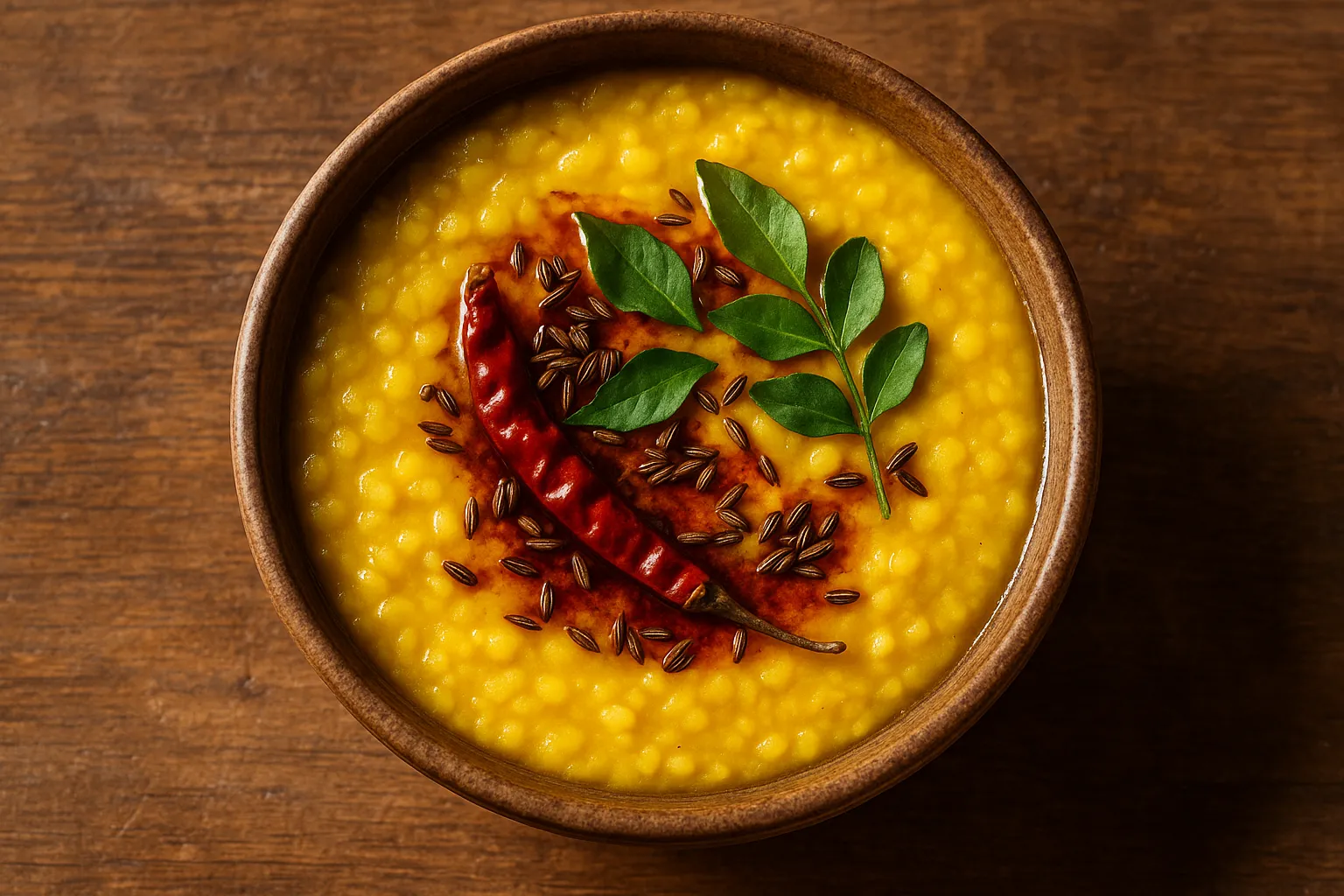
Datos Rápidos de Nutrición
Por 100g Serving (aproximadamente 1/2 cup)
| Nutriente | Cantidad |
|---|---|
| Calorías | 120 kcal |
| Proteínas | 9g |
| Carbohidratos | 15g |
| Fibra | 5g |
| Azúcares | 2g |
| Grasas | 3g |
| Hierro | 2.7mg |
| Folate | 115mcg |
| Potasio | 340mg |
| Magnesio | 45mg |
Desglose de Macronutrientes
 ChatGPT
  Claude
  AI Mode
  Perplexity
CONSEJO DEL NUTRICIONISTA
Tadka dal combines complete plant proteínas from lentils con spices like cumin and turmeric ese enhance nutrient absorption and provide anti-inflammatory benefits. El tempering (tadka) con ghee or oil makes grasas-soluble nutrientes más bioavailable.
Mitos vs Realidad
MITO #1: Dal Causes Bloating and Gas
REALIDAD: Mientras lentils contain oligosaccharides ese puede cause gas, proper cooking con spices like cumin, hing (asafoetida), and jengibre significativamente reduce este effect. Soaking dal for 2-4 hours antes cooking también ayuda.
MITO #2: Dal Doesn't Have Complete Proteínas
REALIDAD: Mientras dal es slightly menor in methionine, pairing it con rice or roti creates a complete amino acid profile. Este traditional dal-rice combination proporciona todo esencial amino acids needed for construcción muscular and repair.
MITO #3: Too Mucho Dal Causes Kidney Stones
REALIDAD: Moderado dal consumption (1-2 cups diario) es safe and beneficioso for kidney health. Solo excessive proteínas intake (over 2g per kg body peso) combined con inadequate hydration poses risks. Stay hydrated and consume balanced porciones.
MITO #4: Dal Has Too Muchos Carbohidratos for Pérdida de Peso
REALIDAD: Despite 15g carbohidratos por 100g, dal's alto fibra (5g) and proteínas (9g) create a bajo glycemic response ese promueve grasas loss. El fibra and proteínas increase satiety, reducing overall calorie intake.
MITO #5: Yellow Dal Has Less Proteínas Que Black Dal
REALIDAD: Toor dal (yellow) contiene 22-23g proteínas por 100g dry peso, similar to urad dal (black). El cocido peso differs due to water content, but proteínas concentration remains comparable across lentil varieties.
MITO #6: Dal Debería Be Avoided at Night
REALIDAD: Dal es actually ideal for dinner as it's easy to digest, proporciona sustained energy through el night, and el proteínas apoya overnight muscle repair and recovery. El myth likely stems from improper cooking methods.
NutriScore por Objetivos de Salud
| Objetivo de Salud | NutriScore | ¿Por qué esta puntuación? |
|---|---|---|
| Pérdida de Peso |  | Solo 120 calorías con 9g proteínas and 5g fibra for maximum satiety. Bajo grasas, alto volume food perfect for calorie deficit. |
| Ganancia Muscular | | 9g proteínas por 100g, complete amino acids cuando paired con rice. Excellent plant-based proteínas for muscle synthesis. |
| Control de Diabetes | | Bajo GI (30-35) and alto fibra stabilize azúcar en sangre. Perfect diario staple for diabetics. |
| Control del SOP | | Bajo GI, alto proteínas, and anti-inflammatory spices support hormone balance. Ayuda manage insulin resistance. |
| Nutrición en el Embarazo | | Rich in folate (115mcg) for fetal development and hierro (2.7mg) to prevent anemia. Diario esencial. |
| Viral/Recuperación de Gripe | | Easy to digest, immune-boosting spices, proteínas for tissue repair, warm and comforting. Perfect recovery food. |
NUTRICIÓN PERSONALIZADA
Registra tus comidas con NutriScan para personalizados NutriScores based on your specific health goals!
Respuesta de Azúcar en Sangre to Tadka Dal
Understanding dal's minimal impact on glucosa en sangre makes it ideal for diabetics and peso management.
Curva Típica de Respuesta de Glucosa
Este gráfico muestra respuesta típica de glucosa en sangre para individuos sanos en general. Las respuestas individuales pueden variar. No es consejo médico.
Cómo to Optimize Blood Azúcar Control
Combining dal con whole grains and vegetables creates an incluso flatter glucose curve:
- 🍚 Brown rice or millets - Adds resistant starch and B vitaminas
- 🥗 Mixed vegetable curry - Extra fibra slows digestion further
- 🥄 Raita or yogurt - Proteínas and probiotics enhance gut health
- 🥒 Cucumber and onion salad - Bajo-calorie volume con micronutrients
Este traditional Indian thali combination represents scientifically optimal azúcar en sangre management.
Importancia Cultural
Dal es el soul of Indian cuisine, con references dating atrás over 4,000 years in Vedic texts.
In India:
- Consumed diario in 98% of Indian households across todo economic levels
- Regional varieties: Punjabi Tadka Dal, Bengali Cholar Dal, Gujarati Dal Dhokli
- Ayurveda considers dal-rice el la mayoría balanced and sattvic (pure) meal
- Offered in temples and served at cada auspicious occasion
- "Dal-chawal" (dal-rice) represents comfort, hogar, and maternal love in Indian culture
Spiritual & Health Connection:
- Mentioned in ancient Ayurvedic texts for balancing doshas
- Traditional preparation methods maximize digestibility and nutrient absorption
- Spice combinations (cumin, turmeric, asafoetida) have medicinal properties recognized for centuries
Global Recognition:
- UNESCO recognized Indian thali (incluyendo dal) as parte of cultural heritage
- Growing popularity worldwide as plant-based proteínas source
- Featured prominently in modern plant-based and sustainable diet movements
Compara y Sustituye
Tadka Dal vs Similar Proteínas Sources (Por 100g)
| Nutriente | 🥘 Tadka Dal | 🥘 Rajma (Kidney Beans) | 🥘 Chana (Chickpeas) | 🍗 Chicken Breast |
|---|---|---|---|---|
| Calorías | 120 kcal | 130 kcal | 165 kcal | 165 kcal |
| Carbohidratos | 15g | 22g | 27g | 0g |
| Fibra | 5g | 7g | 7.6g | 0g |
| Proteínas | 9g | 9g | 8.9g | 31g |
| Grasas | 3g | 0.5g | 2.6g | 3.6g |
| Hierro | 2.7mg | 2.9mg | 2.9mg | 0.9mg |
| Folate | 115mcg | 130mcg | 172mcg | 4mcg |
| GI | 30-35 | 29 | 28 | 0 |
| Mejor Para | Diario staple | Peso loss | Alto fibra needs | Muscle building |
Preguntas Frecuentes
Es tadka dal bueno for pérdida de peso?
Yes, tadka dal es excellent for pérdida de peso con solo 120 calorías por 100g but packed con 9g proteínas and 5g fibra ese promote fullness. El alto proteínas ayuda preserve muscle durante pérdida de peso, mientras fibra reduce hunger and controls appetite.
Mejor practices: Eat 1-1.5 cups (240-360ml) diario con vegetables; reduce tempering oil to 1 tsp; pair con brown rice or millets; evitar cream or butter garnishes.
¿Pueden los diabéticos comer tadka dal?
Absolutely! Tadka dal es one of el mejor foods for diabetics con a bajo glycemic index (30-35). El combination of proteínas, fibra, and complex carbohidratos previene azúcar en sangre spikes and apoya largo-term glucose control.
Tips for diabetics: Consume 1-2 cups diario; pair con whole grains and vegetables; add extra fibra con spinach or bottle gourd; el tempering spices (turmeric, cumin) have anti-diabetic properties.
Diario dal consumption es associated con mejor HbA1c control in diabetic patients.
Cómo mucho proteínas es in tadka dal?
Tadka dal contiene aproximadamente 9 grams of proteínas por 100g porción. One cup (240ml) of cocido dal proporciona aproximadamente 18-20g of proteínas, contributing significativamente to diario proteínas needs.
For complete proteínas profile, combine con rice or roti - este traditional combination proporciona todo nine esencial amino acids needed for construcción muscular and repair.
Qué son el main beneficios para la salud of tadka dal?
Key Benefits:
- Alto Plant Proteínas: 9g por 100g apoya muscle maintenance and repair
- Rich in Fibra: 5g promueve salud digestiva and satiety
- Blood Azúcar Control: Bajo GI (30-35) previene glucose spikes
- Heart Health: Bajo grasas saturadas, alto potasio, and folate support cardiovascular function
- Hierro & Folate: Previene anemia, especialmente importante for women and embarazo
- Anti-inflammatory: Turmeric and cumin in tempering reduce inflamación
Es tadka dal healthier que chicken?
Ambos son nutritivo proteínas sources but serve diferente nutritional needs:
Tadka Dal Advantages:
- Menor in grasas saturadas and calorías
- Rich in fibra (5g vs 0g in chicken)
- Contiene hierro, folate, and complex carbohidratos
- Plant-based, sustainable, budget-friendly
Chicken Advantages:
- Mayor proteínas content (31g vs 9g por 100g)
- Complete proteínas sin food combining
- Rich in vitamina B12 (not in dal)
Recommendation: For plant-based diets, diabetes, or salud del corazón → Elegir dal. For alto proteínas needs or construcción muscular → Include ambos.
Cómo frecuentemente debería I eat dal?
Diario consumption es beneficioso for la mayoría personas. Dal proporciona esencial proteínas, fibra, hierro, and folate ese support overall health.
Recomendado frequency:
- General Health: 1 cup (240ml) diario
- Pérdida de Peso: 1-1.5 cups diario as primary proteínas
- Ganancia Muscular: 1-2 cups diario plus otro proteínas sources
- Diabetes: 1-2 cups diario for azúcar en sangre control
- Embarazo: 1-2 cups diario for folate and hierro
Rotate between diferente dals (toor, moong, masoor) for nutrient variety.
Qué es el mejor tiempo to eat dal?
Dal es suitable for cualquier meal, but timing puede optimize specific goals:
- Pérdida de Peso: Lunch and dinner (alto satiety reduce snacking)
- Ganancia Muscular: Post-workout lunch or dinner (proteínas for recovery)
- Diabetes: Todo meals (stabilizes azúcar en sangre throughout día)
- Digestion: Evitar muy late dinner if prone to acidity; earlier dinner (by 8 PM) es ideal
Traditional wisdom: Dal-rice for lunch proporciona sustained afternoon energy sin drowsiness.
Does dal cause gas and bloating?
Properly prepared dal debería not cause significant gas. Traditional Indian cooking methods specifically address este:
Prevention tips:
- Soak lentils for 2-4 hours antes cooking (reduce oligosaccharides)
- Add hing (asafoetida) to tempering (powerful carminative)
- Usar cumin seeds in tadka (aids digestion)
- Include jengibre in cooking (reduce gas formation)
- Cook thoroughly until muy soft (mejora digestibility)
If gas persists, comenzar con smaller porciones and gradually increase as your gut bacteria adapt.


Alimentos Nutritivos Similares
4505 Chicharrones Classic Chili Salt
7 Eleven Japan Crispy Corn Cheese
Explore Más Nutrition Tools & Resources
App de agua y calorías gratis con registro diario
App de ayuno intermitente gratis con temporizador
App de macros: NutriScan las rellena desde una foto
App de plan de comidas para volumen limpio
App de plan de comidas vegetariano con objetivo de proteína
App de Plan de Dieta India Vegetariana y No Vegetariana
App de plan de dieta mediterránea que cuenta el aceite
App nutricionista con IA que lee tus comidas
App para Subir de Peso: Plan de Dieta con IA
Ayuno Intermitente para Mujeres, Timer y Registro de Comidas
Coach de pérdida de peso ChatGPT: con registro
Contador de Calorías Activado por Voz - Di tus Comidas y Rastrea Nutrición Sin Manos — 2026
Contador de calorías ChatGPT: alternativa que no lo olvida
Contador de Calorías con IA: calorías con fotos, gratis
Contador de calorías de comida rápida con foto
Contador de calorías gratis con fotos | NutriScan
Contador de Calorías para Comida Española - Información Nutricional Instantánea — 2026
Escáner de Etiquetas Nutricionales para tu Ración Real
Generador Lista de Compras Keto
Generador Lista de Compras Mensual
Guía Proteína Tercer Trimestre
Plan de comidas semanal con calorías y lista de compras
Plan de dieta ChatGPT: alternativa que registra comidas
Plan de Dieta para Ganar Peso España