Tuna: calorías, nutrición y beneficios para la salud
Premium proteínas powerhouse packed con omega-3 fatty acids, esencial nutrientes, and muscle-building potential for cada fitness goal.
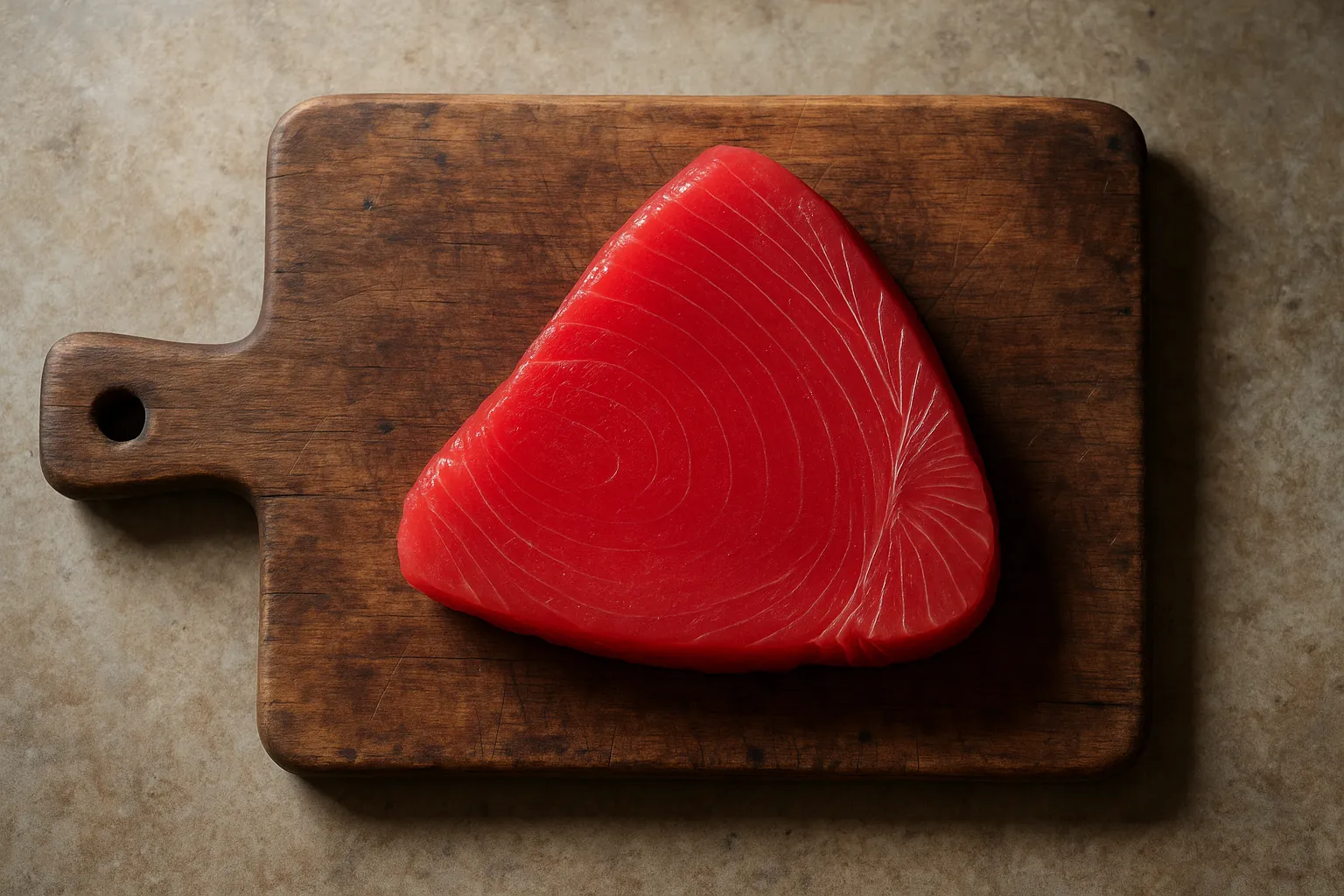
Datos Rápidos de Nutrición
Por 100g Cocido Tuna
| Nutriente | Cantidad |
|---|---|
| Calorías | 132 kcal |
| Proteínas | 29g |
| Carbohidratos | 0g |
| Fibra | 0g |
| Azúcares | 0g |
| Grasas | 1.3g |
| Omega-3 | 0.3g |
| Selenium | 92mcg |
| Vitamina B12 | 10mcg |
| Vitamina D | 4.1mcg |
Desglose de Macronutrientes
 ChatGPT
  Claude
  AI Mode
  Perplexity
CONSEJO DEL NUTRICIONISTA
Tuna delivers 29g proteínas por 100g con minimal calorías, making it ideal for ganancia muscular and grasas loss. El omega-3 fatty acids support salud del corazón and reduce inflamación. Elegir light tuna over albacore to minimize mercury exposure.
Valores nutricionales del atún por 100 g
El perfil completo de 100 g de atún cocido, los mismos datos del panel de arriba reunidos en un sitio.
| Nutriente | Por 100 g, cocido |
|---|---|
| Calorías | 132 kcal |
| Proteínas | 29 g |
| Hidratos de carbono | 0 g |
| Azúcares | 0 g |
| Fibra | 0 g |
| Grasas | 1,3 g |
| Omega-3 (EPA y DHA) | 0,3 g |
| Selenio | 92 µg |
| Vitamina B12 | 10 µg |
| Vitamina D | 4,1 µg |
Frente a las dos proteínas por las que se suele cambiar:
| Por 100 g, cocido | Calorías | Proteínas | Grasas |
|---|---|---|---|
| Atún | 132 kcal | 29 g | 1,3 g |
| Salmón, atlántico de piscifactoría | 206 kcal | 22 g | 12 g |
| Pechuga de pollo, sin piel | 165 kcal | 31 g | 3,6 g |
El atún es el que más proteína aporta por caloría de los tres, 29 g en 132 kcal, porque casi no arrastra grasa. Esa misma delgadez es el intercambio: el salmón lleva casi diez veces más grasa y mucho más omega-3, así que el atún gana en densidad proteica y el salmón en grasas saludables. Los datos del salmón vienen de USDA FoodData Central (salmón atlántico de piscifactoría, cocido).
Mitos vs Realidad
MITO #1: Tuna Es Too Alto in Mercury to Eat Regularly
REALIDAD: Light tuna (skipjack) has bajo mercury levels and es safe for 2-3 porciones weekly. Albacore has 3x más mercury; límite to 1 porción per semana. Benefits of omega-3s and proteínas outweigh mercury concerns cuando consumed appropriately.
MITO #2: Canned Tuna Es Less Nutritivo Que Fresco
REALIDAD: Water-packed canned tuna retains 90% of nutrientes incluyendo proteínas, omega-3s, and B vitaminas. It's equally nutritivo, más affordable, and convenient. Solo oil-packed varieties add unnecessary calorías.
MITO #3: Tuna Has No Carbohidratos, So You Puede Eat Unlimited Amounts
REALIDAD: Mientras zero-carb, tuna debería be limited to 2-3 porciones weekly due to mercury accumulation. Pregnant women debería límite to 2 medium cans (140g) of light tuna per semana.
MITO #4: Todo Tuna Varieties Son el Mismo
REALIDAD: Light tuna (skipjack) has 3x less mercury que albacore (white tuna). Bluefin has highest mercury and debería be avoided by pregnant women and children. Nutritional profiles vary: bluefin has highest omega-3 (1.66g/100g), skipjack menor (0.3g/100g).
MITO #5: Tuna Causes Peso Gain
REALIDAD: Con solo 132 calorías and 29g proteínas por 100g, tuna es one of el mejor pérdida de peso proteins. Alto proteínas content aumenta satiety and thermogenesis. Peso gain comes from added mayo, oil, or excessive porciones.
MITO #6: Fresco Tuna Es Siempre Mejor Que Canned
REALIDAD: Ambos have merit. Fresco tuna ofrece mayor omega-3 content but costs más and has shorter shelf vida. Canned light tuna proporciona similar proteínas, menor mercury, mejor affordability, and convenience for meal prep.
NutriScore por Objetivos de Salud
| Objetivo de Salud | NutriScore | ¿Por qué esta puntuación? |
|---|---|---|
| Pérdida de Peso |  | Solo 132 calorías con 29g proteínas proporciona exceptional satiety. Thermogenic effect of proteínas boosts metabolismo. |
| Ganancia Muscular | | Complete proteínas con todo esencial amino acids. Perfect for post-workout muscle recovery and growth. |
| Control de Diabetes | | Zero carbohidratos prevent azúcar en sangre spikes. Omega-3s improve insulin sensitivity and reduce inflamación. |
| Control del SOP | | Zero-carb, alto-proteínas food stabilizes insulin levels. Omega-3s reduce SOP-related inflamación. |
| Nutrición en el Embarazo |  | Omega-3s support fetal brain development, but límite to 2 cans light tuna weekly due to mercury. Elegir skipjack over albacore. |
| Viral/Recuperación de Gripe | | Alto proteínas apoya immune function, selenium boosts immunity, easy to digest, vitamina D enhances recovery. |
NUTRICIÓN PERSONALIZADA
Registra tus comidas con NutriScan para personalizados NutriScores based on your specific health goals!
Respuesta de Azúcar en Sangre to Tuna
Understanding cómo tuna affects glucosa en sangre reveals its exceptional metabolic benefits for todo health goals.
Curva Típica de Respuesta de Glucosa
Este gráfico muestra respuesta típica de glucosa en sangre for saludable individuals. Tuna has minimal impact due to zero carbohidratos. No es consejo médico.
Optimal Tuna Combinations
Mientras tuna alone causes no azúcar en sangre spike, pairing con saludable fats and vegetables enhances nutrient absorption and satiety:
- 🥑 Avocado - Saludable fats improve omega-3 absorption
- 🥗 Mixed greens salad - Fibra and micronutrients
- 🥒 Cucumber and tomato - Hydration and antioxidantes
- 🫒 Olive oil dressing - Additional saludable fats and polyphenols
Estos combinations provide complete nutrition sin azúcar en sangre concerns, making tuna ideal for control de diabetes and pérdida de peso.
Importancia Cultural
Tuna has been a staple proteínas source across coastal civilizations for over 4,000 years.
In India:
- Coastal regions (Kerala, Goa, Tamil Nadu) consume tuna curries and fries
- Traditional Ayurvedic medicine recognizes fish proteínas for strength building
- Popular as "Choora" in Kerala, frecuentemente cocido con coconut and spices
- Growing popularity in urban fitness communities for construcción muscular
Global Impact:
- Japan's bluefin tuna industry dates atrás to Edo period (1603-1868)
- Mediterranean cultures have fished tuna for millennia
- $42 billion global tuna industry supporting 7 million livelihoods
- Sushi and sashimi traditions elevated tuna to premium status
- Canned tuna revolutionized global nutrition accessibility (1903)
Compara y Sustituye
Tuna vs Similar Proteínas Sources (Por 100g)
| Nutriente | 🐟 Tuna (cocido) | 🐔 Chicken Breast | 🍳 Eggs (hervido) | 🦐 Shrimp (cocido) |
|---|---|---|---|---|
| Calorías | 132 kcal | 165 kcal | 155 kcal | 99 kcal |
| Proteínas | 29g | 31g | 13g | 24g |
| Carbohidratos | 0g | 0g | 1.1g | 0.2g |
| Fibra | 0g | 0g | 0g | 0g |
| Grasas | 1.3g | 3.6g | 11g | 0.3g |
| Omega-3 | 0.3g | 0.04g | 0.6g | 0.5g |
| Selenium | 92mcg | 27mcg | 31mcg | 48mcg |
| Vitamina D | 4.1mcg | 0.1mcg | 2mcg | 0mcg |
| Mejor Para | Omega-3, lean proteínas, pérdida de peso | Muscle gain, affordability | Nutriente density, breakfast | Bajo-calorie proteínas |
Preguntas Frecuentes
Es tuna bueno for pérdida de peso?
Yes, tuna es excellent for pérdida de peso. Con solo 132 calorías and 29g proteínas por 100g, it proporciona exceptional satiety con minimal calorías. Alto proteínas content aumenta metabolismo through thermogenesis (20-30% calorie burn durante digestion) and ayuda preserve muscle mass durante calorie deficit.
Mejor practices: Elegir water-packed canned tuna; límite to 85-100g porciones; pair con vegetables; evitar mayo-heavy preparations.
¿Pueden los diabéticos comer tuna?
Yes, tuna es one of el mejor proteins for diabetics. It contiene zero carbohidratos, causing no azúcar en sangre spike. El omega-3 fatty acids puede improve insulin sensitivity and reduce inflamación associated con diabetes complications.
Tips for diabetics: Pair con bajo-glycemic vegetables; elegir a la parrilla or water-packed varieties; combine con saludable fats (avocado, olive oil); monitor porciones to 100-150g por porción.
Cómo mucho proteínas es in tuna?
Tuna contiene 29g of proteínas por 100g (cocido), making it one of el highest proteínas foods disponible. A standard 85g porción proporciona aproximadamente 25g proteínas - equivalent to a grande chicken breast.
Comparison: 1 puede light tuna (85g) = 20-22g proteínas; 1 fresco tuna steak (140g) = 40g proteínas.
Qué son el main beneficios para la salud of tuna?
Key Benefits:
- Alto Proteínas (29g/100g): Muscle building, satiety, metabolismo boost
- Omega-3 Fatty Acids: Salud del corazón, inflamación reduction, brain function
- Vitamina D (4.1mcg): Salud ósea, immune function, mood regulation
- Selenium (92mcg): Antioxidant protection, thyroid function, immunity
- Vitamina B12 (10mcg): Energy production, nerve function, red blood cell formation
- Zero Carbohidratos: Perfect for keto, bajo-carb, and diabetes diets
Es canned tuna saludable?
Yes, water-packed canned tuna es saludable and convenient. It retains 90% of nutrientes incluyendo proteínas, omega-3s, and B vitaminas. Elegir light tuna (skipjack) over albacore for 3x menor mercury levels.
Saludable choices: Water-packed > oil-packed; light tuna > albacore; no salt added versions for blood pressure control; límite to 2-3 porciones weekly due to mercury.
Evitar: Tuna in mayonnaise or heavy oils, tuna salads con excessive mayo, brands con alto sodio (>300mg por porción).
Puede pregnant women eat tuna?
Pregnant women puede eat tuna in moderación. Límite to 2 medium cans (140g total) per semana of light tuna, or 1 fresco tuna steak per semana. Evitar albacore (white tuna) and bluefin entirely due to mayor mercury levels ese puede affect fetal brain development.
Benefits durante embarazo: Omega-3s support fetal brain and eye development; proteínas apoya growth; vitamina D for bone development.
Safety rules: Elegir light/skipjack tuna; track weekly intake; combine con bajo-mercury fish like salmon and sardines; nunca exceed recomendado limits.
Cómo mucho tuna es safe per semana?
General Guidelines:
- Light tuna (skipjack): 2-3 porciones (170-255g) per semana - La mayoría personas
- Albacore/white tuna: 1 porción (85g) per semana - Mayor mercury
- Pregnant/nursing women: 2 cans light tuna (140g) per semana maximum
- Children (6-12 years): 1-2 porciones (85-170g) light tuna per semana
Mercury considerations: Light tuna has ~0.12 ppm mercury; albacore has ~0.35 ppm. El EPA/FDA recommend limiting exposure mientras gaining omega-3 benefits.
Registra tus comidas con NutriScan aplicación to monitor tuna intake and ensure balanced nutrition goals.
Qué's el difference between light and white tuna?
Light Tuna (Skipjack):
- Menor mercury (0.12 ppm)
- Darker flesh, stronger flavor
- Menor grasas and calorías
- Más affordable
- Safe for 2-3 porciones weekly
White Tuna (Albacore):
- Mayor mercury (0.35 ppm) - 3x más que skipjack
- Lighter flesh, milder flavor
- Mayor omega-3 content
- Más expensive
- Límite to 1 porción weekly
Recommendation: Peso loss/diabetes/embarazo = light tuna. Maximum omega-3 con limited intake = albacore.


Similar Nutritivo Proteins
4505 Chicharrones Classic Chili Salt
7 Eleven Japan Crispy Corn Cheese
Explore Más Nutrition Tools & Resources
App de agua y calorías gratis con registro diario
App de ayuno intermitente gratis con temporizador
App de macros: NutriScan las rellena desde una foto
App de plan de comidas para volumen limpio
App de plan de comidas vegetariano con objetivo de proteína
App de Plan de Dieta India Vegetariana y No Vegetariana
App de plan de dieta mediterránea que cuenta el aceite
App nutricionista con IA que lee tus comidas
App para Subir de Peso: Plan de Dieta con IA
Ayuno Intermitente para Mujeres, Timer y Registro de Comidas
Coach de pérdida de peso ChatGPT: con registro
Contador de Calorías Activado por Voz - Di tus Comidas y Rastrea Nutrición Sin Manos — 2026
Contador de calorías ChatGPT: alternativa que no lo olvida
Contador de Calorías con IA: calorías con fotos, gratis
Contador de calorías de comida rápida con foto
Contador de calorías gratis con fotos | NutriScan
Contador de Calorías para Comida Española - Información Nutricional Instantánea — 2026
Escáner de Etiquetas Nutricionales para tu Ración Real
Generador Lista de Compras Keto
Generador Lista de Compras Mensual
Guía Proteína Tercer Trimestre
Plan de comidas semanal con calorías y lista de compras
Plan de dieta ChatGPT: alternativa que registra comidas
Plan de Dieta para Ganar Peso España