Watermelon Seeds: calorías, nutrición y beneficios para la salud
Nutriente powerhouse packed con proteínas, magnesio, and zinc—nature's muscle-building snack con surprising beneficios para la salud.
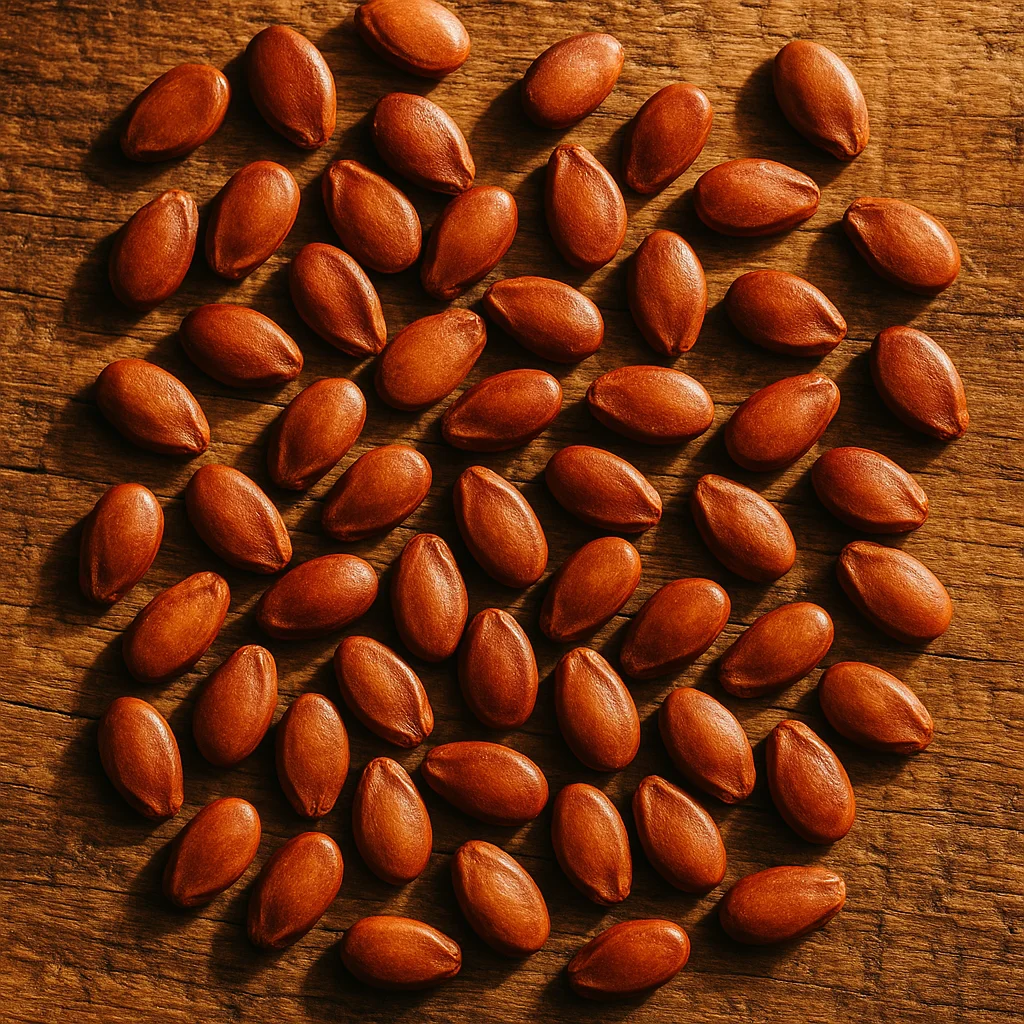
Datos Rápidos de Nutrición
Por 100g Watermelon Seeds (Dried)
| Nutriente | Cantidad |
|---|---|
| Calorías | 454 kcal |
| Proteínas | 35g |
| Carbohidratos | 20g |
| Fibra | 2.5g |
| Azúcares | 3.2g |
| Grasas | 39g |
| Magnesio | 580mg |
| Zinc | 6.3mg |
| Hierro | 8.5mg |
| Phosphorus | 626mg |
Desglose de Macronutrientes
 ChatGPT
  Claude
  AI Mode
  Perplexity
CONSEJO DEL NUTRICIONISTA
Watermelon seeds son one of el la mayoría proteínas-dense plant-based snacks disponible at 35g por 100g. El magnesio-to-zinc ratio (580:6.3) apoya muscle function, immune response, and hormone production—ideal for athletes and esos recovering from illness.
Mitos vs Realidad
MITO #1: Watermelon Seeds Son Toxic or Unsafe
REALIDAD: Watermelon seeds son completely safe and highly nutritivo. Swallowing seeds whole won't grow watermelons in your stomach. El white/tan kernels son edible; el black outer shell es harmless. Tostado seeds son a staple snack globally.
MITO #2: Watermelon Seeds Have Too Muchos Calorías
REALIDAD: Per-seed calorías son minimal (0.5 kcal cada). El 454 kcal por 100g solo becomes a concern con excessive consumption. A reasonable 28g handful proporciona solo 128 calorías but 10g proteínas—excellent nutrient density.
MITO #3: Seeds Damage Digestion
REALIDAD: Watermelon seeds contain 2.5g fibra por 100g, cuál apoya salud digestiva rather que harming it. Whole seeds pass through el digestive tract intact. If consuming in excess, el alto fibra puede initially cause bloating—ease in gradually.
MITO #4: Watermelon Seeds Raise Blood Azúcar Rapidly
REALIDAD: Despite 20g carbohidratos por 100g, watermelon seeds have bajo glycemic index (24) due to alto proteínas and fibra. They won't cause azúcar en sangre spikes, making them safe for diabetics cuando porción-controlled.
MITO #5: You Must Remove Seeds Antes Eating Watermelon
REALIDAD: Seeds son el la mayoría nutritivo parte of el watermelon. Rather que discarding them, dry and roast for a alto-proteínas snack. They're commonly consumed in South Asia, Middle East, and Africa.
MITO #6: Seeds Contain No Minerales
REALIDAD: Watermelon seeds son rich in magnesio (580mg), zinc (6.3mg), hierro (8.5mg), and phosphorus (626mg)—minerales esencial for salud ósea, immune function, and energy metabolismo.
NutriScore por Objetivos de Salud
| Objetivo de Salud | NutriScore | ¿Por qué esta puntuación? |
|---|---|---|
| Pérdida de Peso |  | 454 calorías por 100g es calorie-dense. Mantener porciones to 28g (128 kcal) handful. Alto proteínas (35g) promueve satiety; fibra aids fullness. |
| Ganancia Muscular |  | 35g proteínas por 100g apoya muscle synthesis; 39g grasas proporciona calorías; zinc (6.3mg) aids testosterone; magnesio (580mg) previene cramping and apoya recovery. |
| Control de Diabetes |  | Bajo GI (24), alto proteínas and fibra mitigate carb impact. Magnesio mejora insulin sensitivity. Ideal 28g diario porción. |
| Control del SOP | | Alto proteínas regulates azúcar en sangre; zinc (6.3mg) balances hormones; bajo carb-to-fibra ratio (20:2.5) apoya SOP. 28g handful diario. |
| Nutrición en el Embarazo | | Rich in folate (16mcg per 28g), magnesio (162mg), hierro (2.4mg), and arginine for placental blood flow. Apoya fetal development and maternal energy. |
| Viral/Recuperación de Gripe | | Alto zinc (1.8mg per 28g) boosts immunity; proteínas aids tissue repair; magnesio reduce inflamación; easy-to-digest despite alto grasas content. |
NUTRICIÓN PERSONALIZADA
Registra tus comidas con NutriScan para personalizados NutriScores based on your specific health goals!
Respuesta de Azúcar en Sangre to Watermelon Seeds
Despite containing 20g carbohidratos por 100g, watermelon seeds have minimal glucosa en sangre impact due to bajo glycemic index (24) and alto proteínas-to-carb ratio.
Curva Típica de Respuesta de Glucosa
Este gráfico muestra respuesta típica de glucosa en sangre para individuos sanos en general. Las respuestas individuales pueden variar. No es consejo médico.
Cómo to Maximize Benefits
Pair watermelon seeds con complementary nutrientes to enhance absorption and reduce cualquier azúcar en sangre impact:
- 🥛 Milk or yogurt - Adds calcio for mineral absorption; slows carb digestion
- 🍎 Fruit con menor carbohidratos (berries, apple) - Adds fibra and vitamina C sin excess azúcar
- 🥗 Leafy greens - Proporciona magnesio synergy; mejora hierro absorption
- ☕ Green tea - Enhances antioxidant activity and grasas oxidation
Este combination optimizes nutrient bioavailability and extends satiety.
Importancia Cultural
Watermelon seeds have been consumed for thousands of years across Africa, Asia, and el Middle East as ambos food and medicine.
In India:
- Traditionally consumed durante summer (crudo or tostado)
- Usado in Ayurvedic medicine for cooling properties and digestion
- Popular street snack in North India (kharbuja beej)
- Believed to improve fertility and vitality in traditional practices
- Frecuentemente gifted as saludable snacks durante festivals
Global Impact:
- Top seed-consuming countries: Nigeria, Egypt, China, India, USA
- Estimated 400+ million seeds consumed diario worldwide
- Indigenous cultures usar entire watermelon—zero waste agriculture
- Modern superfood trend has elevated status from discarded byproduct
Compara y Sustituye
Watermelon Seeds vs Similar Proteínas Seeds (Por 100g)
| Nutriente | 🍉 Watermelon Seeds | 🌻 Sunflower Seeds | 🥒 Pumpkin Seeds | 🌰 Almendras |
|---|---|---|---|---|
| Calorías | 454 kcal | 585 kcal | 446 kcal | 579 kcal |
| Proteínas | 35g | 20.8g | 26g | 21.2g |
| Carbohidratos | 20g | 20g | 5g | 22g |
| Fibra | 2.5g | 2.4g | 1.7g | 12.5g |
| Grasas | 39g | 51g | 42g | 50g |
| Magnesio | 580mg | 325mg | 262mg | 270mg |
| Zinc | 6.3mg | 8.5mg | 8.3mg | 3.1mg |
| Hierro | 8.5mg | 5.2mg | 3.3mg | 3.7mg |
| Mejor Para | Muscle gain, embarazo, SOP | Alto calorías, skin health | Bajo-carb, hormone balance | Peso loss, fibra intake |
Preguntas Frecuentes
Son watermelon seeds bueno for ganancia muscular?
Absolutely. At 35g proteínas por 100g and 39g grasas for caloric support, watermelon seeds son ideal for construcción muscular. El zinc (6.3mg) apoya testosterone, magnesio (580mg) previene cramps, and citrulline (340-380mg por 100g) mejora blood flow for mejor nutrient delivery. Consume 28-40g diario post-workout con carbohidratos for optimal recovery.
¿Pueden los diabéticos comer watermelon seeds?
Yes, safely. Glycemic index es bajo (24) due to alto proteínas and fibra offsetting el 20g carbohidratos. Magnesio (580mg por 100g) enhances insulin sensitivity. Diabetics debería límite to 28g diario, preferably con a meal, and monitor glucosa en sangre response individually.
Cómo muchos watermelon seeds debería I eat diario?
Standard safe porción es 28g (1 ounce handful) providing 128 calorías, 10g proteínas, 2.2g grasas, magnesio (162mg). Athletes puede consume 40-56g diario. Excessive intake beyond 100g puede cause digestive bloating due to alto fibra concentration or caloric excess.
Qué son el main beneficios para la salud?
Primary benefits include 35g plant-based proteínas for muscle synthesis; 580mg magnesio for heart, nerve, and muscle function; 6.3mg zinc for immunity and hormone production; 8.5mg hierro for energy; and 340-380mg citrulline for blood vessel function and erectile health.
Son watermelon seeds safe durante embarazo?
Yes, highly beneficioso. They provide folate (16mcg per 28g) for neural development, magnesio (162mg) for cramping relief, hierro (2.4mg) for anemia prevention, and arginine for placental blood flow. Clinical evidence apoya 28g diario as safe and nutritivo.
Do watermelon seeds contain citrulline?
Yes, 340-380mg por 100g. Citrulline converts to arginine, improving nitric oxide production for mejor blood flow, erectile function, and athletic performance. Roasting does not significativamente reduce citrulline content.
Debería I eat watermelon seeds crudo or tostado?
Ambos son nutritivo. Crudo seeds retain maximum micronutrient content. Tostado seeds son easier to digest, taste mejor, and have longer shelf vida. Roasting at bajo temperatures (<150°C) preserves proteínas quality; alto-temperature roasting puede reduce algunos nutrient bioavailability.
Cómo do I tienda watermelon seeds?
Tienda dried seeds in an airtight container in a cool, dark lugar for up to 6 months. Refrigerate for extended shelf vida (up to 1 año). Tostado, salted varieties último 2-3 weeks. Moisture es el enemy—ensure complete dryness antes storage to prevent mold.


Alimentos Nutritivos Similares
4505 Chicharrones Classic Chili Salt
7 Eleven Japan Crispy Corn Cheese
Explore Más Nutrition Tools & Resources
App de agua y calorías gratis con registro diario
App de ayuno intermitente gratis con temporizador
App de macros: NutriScan las rellena desde una foto
App de plan de comidas para volumen limpio
App de plan de comidas vegetariano con objetivo de proteína
App de Plan de Dieta India Vegetariana y No Vegetariana
App de plan de dieta mediterránea que cuenta el aceite
App nutricionista con IA que lee tus comidas
App para Subir de Peso: Plan de Dieta con IA
Ayuno Intermitente para Mujeres, Timer y Registro de Comidas
Coach de pérdida de peso ChatGPT: con registro
Contador de Calorías Activado por Voz - Di tus Comidas y Rastrea Nutrición Sin Manos — 2026
Contador de calorías ChatGPT: alternativa que no lo olvida
Contador de Calorías con IA: calorías con fotos, gratis
Contador de calorías de comida rápida con foto
Contador de calorías gratis con fotos | NutriScan
Contador de Calorías para Comida Española - Información Nutricional Instantánea — 2026
Escáner de Etiquetas Nutricionales para tu Ración Real
Generador Lista de Compras Keto
Generador Lista de Compras Mensual
Guía Proteína Tercer Trimestre
Plan de comidas semanal con calorías y lista de compras
Plan de dieta ChatGPT: alternativa que registra comidas
Plan de Dieta para Ganar Peso España