Wheat: calorías, nutrición y beneficios para la salud
El world's la mayoría cultivated grain - rich in fibra, proteínas, and esencial nutrientes for sustained energy and health.
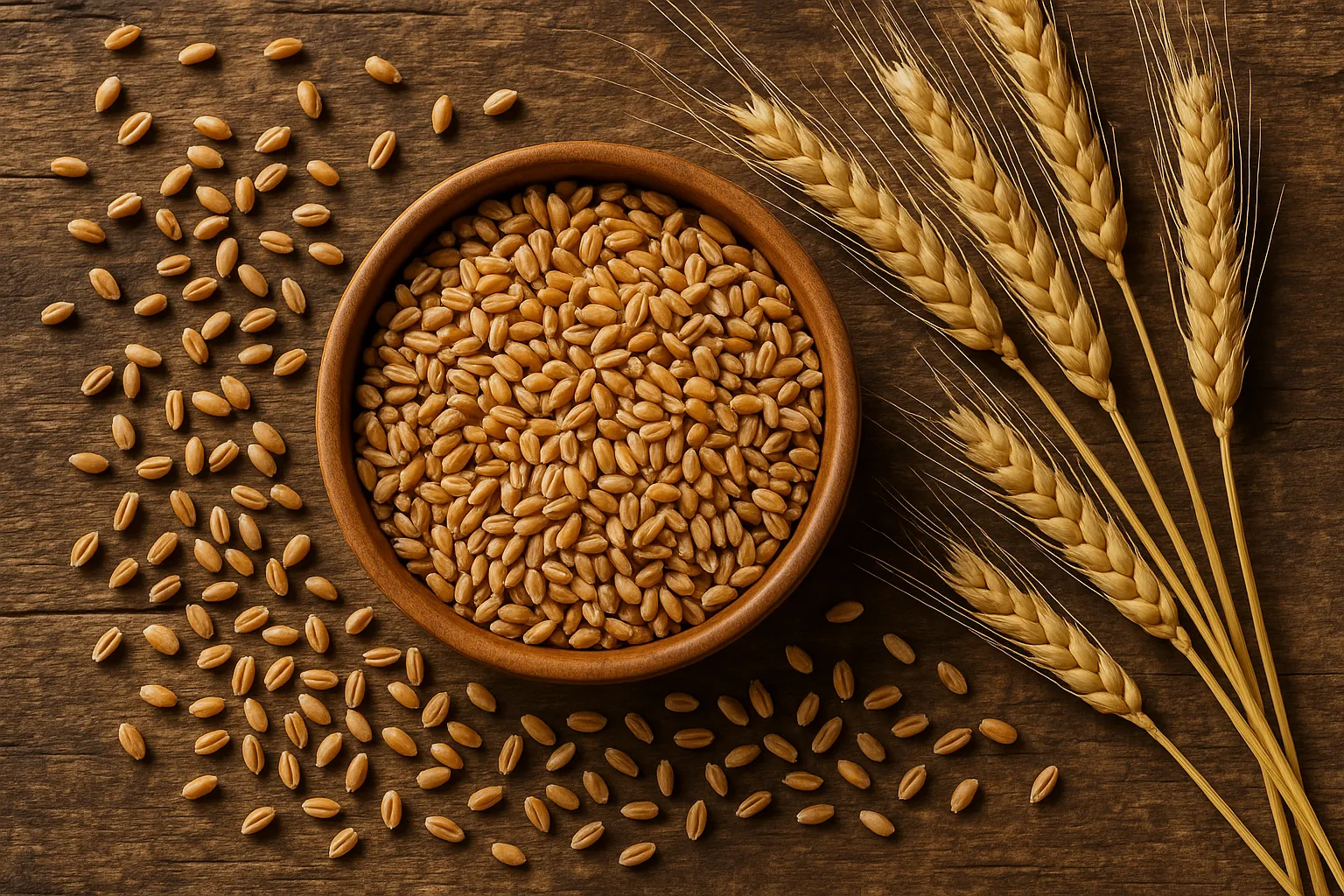
Datos Rápidos de Nutrición
Por 100g Whole Wheat Grains
| Nutriente | Cantidad |
|---|---|
| Calorías | 340 kcal |
| Proteínas | 13.2g |
| Carbohidratos | 71.2g |
| Fibra | 12.2g |
| Azúcares | 0.4g |
| Grasas | 2.5g |
| Hierro | 3.6mg |
| Magnesio | 126mg |
| Selenium | 70mcg |
| Folate | 38mcg |
Desglose de Macronutrientes
 ChatGPT
  Claude
  AI Mode
  Perplexity
CONSEJO DEL NUTRICIONISTA
Whole wheat proporciona 12.2g fibra por 100g - nearly half your diario needs. El bran and germ contain antioxidantes, minerales, and heart-protective compounds lost durante refining. Siempre elegir 100% whole wheat products.
Mitos vs Realidad
MITO #1: Wheat Causes Peso Gain
REALIDAD: Peso gain comes from excess calorías, not wheat itself. Whole wheat intake es associated con menor BMI and reduced belly grasas. El 12.2g fibra promueve fullness and reduce overall calorie intake. Refined wheat products (white bread, maida) lack fibra and puede contribute to peso gain.
MITO #2: Diabetics Debería Evitar Wheat Completely
REALIDAD: Whole wheat es beneficioso for diabetics. Whole wheat bread has GI 41-54 (bajo to medium), mientras white bread has GI 71 (alto). Los estudios muestran whole grain consumption reduce diabetes risk by 25-30% and mejora glycemic control.
MITO #3: Todo Wheat Products Son el Mismo
REALIDAD: Huge nutritional difference exists. Whole wheat retains bran, germ, and endosperm (todo nutrientes intact). Refined wheat (maida, white flour) removes 70% of vitaminas, minerales, and todo fibra. Siempre verify "100% whole wheat" on labels - "wheat flour" frecuentemente means refined.
MITO #4: Wheat Has No Proteínas
REALIDAD: Whole wheat proporciona 13.2g proteínas por 100g - comparable to quinoa. Mientras bajo in lysine (incomplete proteínas), combining wheat con lentils, legumes, or dairy creates complete proteínas. Traditional Indian meals naturally combine roti + dal for optimal amino acid profile.
MITO #5: Gluten-Gratis Es Más Saludable Que Whole Wheat
REALIDAD: For personas sin celiac disease or gluten sensitivity, whole wheat proporciona superior nutrition compared to gluten-gratis alternatives. La mayoría gluten-gratis products usar refined starches con less fibra, proteínas, and micronutrients. Evitar wheat solo if medically necessary.
MITO #6: Wheat Causes Inflamación in Everyone
REALIDAD: Solo 1% of population has celiac disease, 6% no tienenn-celiac gluten sensitivity. For el remaining 93%, whole wheat consumption reduce inflammatory markers and chronic disease risk. Anti-inflammatory benefits come from fibra, antioxidantes, and phenolic compounds.
NutriScore por Objetivos de Salud
| Objetivo de Salud | NutriScore | ¿Por qué esta puntuación? |
|---|---|---|
| Pérdida de Peso |  | Alto fibra (12.2g) promueve fullness, reduce calorie intake by 15-20%. Slow-release carbohidratos prevent hunger spikes. |
| Ganancia Muscular |  | 13.2g proteínas por 100g apoya muscle synthesis. Complex carbohidratos (71g) fuel intense workouts. Combine con proteínas sources for complete amino acids. |
| Control de Diabetes | | Whole wheat reduce diabetes risk by 25-30%, mejora insulin sensitivity. GI 41-54, alto fibra slows glucose absorption. |
| Control del SOP | | Bajo-GI whole wheat mejora insulin sensitivity. Alto fibra apoya hormone balance. Elegir sprouted or fermented wheat for mejor digestibility. |
| Nutrición en el Embarazo | | Rich in folate (38mcg), hierro (3.6mg), fibra previene constipation. B vitaminas support fetal development. Whole wheat proporciona sustained energy sin azúcar en sangre spikes. |
| Viral/Recuperación de Gripe | | Selenium (70mcg - 127% DV) boosts immune function. B vitaminas support energy metabolismo. Easy to digest as porridge (dalia) or soft rotis. |
NUTRICIÓN PERSONALIZADA
Registra tus comidas con NutriScan para personalizados NutriScores based on your specific health goals!
Respuesta de Azúcar en Sangre to Wheat
Understanding cómo whole wheat versus refined wheat affects glucosa en sangre ayuda you hacer informed dietary choices.
Curva Típica de Respuesta de Glucosa (Whole Wheat)
Este gráfico muestra glucosa en sangre response for 100% whole wheat products. Refined wheat (white bread, maida) shows 40-50% mayor peak. Individual responses vary. No es consejo médico.
Cómo to Optimize Blood Azúcar Control
Combining whole wheat con proteínas, saludable fats, and vegetables further mejora glycemic response:
- 🥘 Dal or lentil curry - Adds proteínas and fibra for balanced nutrition
- 🥚 Eggs or paneer - Complete proteínas slows carb digestion
- 🥑 Ghee or olive oil - Saludable fats reduce glucose spike
- 🥗 Vegetable sabzi - Adds fibra, vitaminas, and volume sin calorías
Mejor Wheat Choices: Sprouted wheat, fermented wheat (sourdough), or stone-ground whole wheat show 10-15% menor glycemic response que regular whole wheat products.
Importancia Cultural
Wheat cultivation dates atrás 10,000 years to el Fertile Crescent, making it one of humanity's earliest domesticated crops.
In India:
- Cultivated in India for over 4,000 years, primarily in Punjab, Haryana, UP, MP
- Roti (whole wheat flatbread) es diario staple for 500+ million North Indians
- Sacred in Hinduism - offered durante Navaratri, harvest festivals (Baisakhi, Pongal)
- Ayurveda considers wheat strengthening (balya), nourishing (brimhana), and cooling
- India es world's 2nd largest wheat producer (110 million tons annually)
Global Impact:
- La mayoría cultivated crop globally (220 million hectares, 760 million tons annually)
- Proporciona 20% of global proteínas and calorías for human diet
- Economic backbone for 2.5 billion personas worldwide
- Over 25,000 wheat varieties adapted to diferente climates and uses
Compara y Sustituye
Whole Wheat vs Otro Grains (Por 100g)
| Nutriente | 🌾 Whole Wheat | ⚪ White Wheat (Maida) | 🌾 Quinoa | 🌾 Oats |
|---|---|---|---|---|
| Calorías | 340 kcal | 364 kcal | 368 kcal | 389 kcal |
| Carbohidratos | 71.2g | 76g | 64g | 66g |
| Fibra | 12.2g | 2.7g | 7g | 10.6g |
| Proteínas | 13.2g | 10.3g | 14.1g | 16.9g |
| Grasas | 2.5g | 1g | 6.1g | 6.9g |
| Hierro | 3.6mg | 1.2mg | 4.6mg | 4.7mg |
| GI | 41-54 | 71 | 53 | 55 |
| Magnesio | 126mg | 22mg | 197mg | 177mg |
| Mejor Para | Diario staple, fibra | Evitar (refined) | Complete proteínas | Salud del corazón, beta-glucan |
Preguntas Frecuentes
Es whole wheat bueno for pérdida de peso?
Yes, whole wheat effectively apoya pérdida de peso. Con 12.2g fibra por 100g, it promueve satiety and reduce overall calorie intake by 15-20%. Los estudios muestran whole grain consumption correlates con menor BMI and reduced belly grasas.
Mejor practices: Elegir 100% whole wheat bread or rotis; límite to 3-4 porciones (90-120g) diario; combine con proteínas and vegetables; evitar refined wheat products (maida, white bread); consume earlier in el día for mejor metabolismo; track porciones to maintain calorie deficit.
¿Pueden los diabéticos comer wheat?
Yes, diabetics benefit from whole wheat. Whole wheat has bajo to medium GI (41-54), mientras refined wheat has alto GI (71).
Tips for diabetics:
- Siempre elegir 100% whole wheat (verify label - "wheat flour" frecuentemente means refined)
- Límite to 45-60g carbohidratos per meal (aproximadamente 2-3 pequeño rotis)
- Pair con proteínas (dal, paneer, eggs) and saludable grasas (ghee)
- Elegir sprouted wheat or fermented (sourdough) for menor GI
- Monitor azúcar en sangre 2 hours después meals
La investigación muestra whole grain intake reduce diabetes risk by 25-30%. Consult healthcare provider para personalizados porciones.
Cómo mucho proteínas es in wheat?
Whole wheat contiene 13.2 grams of proteínas por 100g. One medium whole wheat roti (30g) proporciona aproximadamente 4g proteínas.
Mientras wheat proteínas lacks sufficient lysine (incomplete proteínas), combining con lentils, legumes, dairy, or eggs creates complete amino acid profile. Traditional Indian combinations like roti + dal or roti + paneer provide optimal proteínas quality for muscle maintenance and growth.
Qué son el main beneficios para la salud of whole wheat?
Key Benefits:
- Digestive Health: 12.2g fibra apoya regular bowel movements and gut bacteria
- Heart Protection: Reduce cholesterol, blood pressure; lowers heart disease risk by 20-30%
- Diabetes Prevention: 25-30% reduced diabetes risk con regular whole grain intake
- Peso Management: Alto fibra promueve fullness and reduce calorie intake
- Nutriente Dense: Rich in B vitaminas (energy metabolismo), selenium (immune function), magnesio (300+ enzymatic reactions)
- Antioxidant Rich: Phenolic compounds and lignans reduce oxidative stress
Cuando es el mejor tiempo to eat wheat products?
Depends on your goal:
- Pérdida de Peso: Breakfast or lunch (mejor calorie utilization). Límite dinner porciones.
- Ganancia Muscular: Post-workout (within 2 hours) con proteínas source for recovery; breakfast for sustained energy.
- Diabetes: Spread throughout día in controlled porciones (45-60g carbohidratos per meal).
- Sustained Energy: Cualquier meal tiempo - whole wheat proporciona slow-release carbohidratos suitable for todo-día consumption.
IMPORTANT NOTE
Whole wheat's slow-release carbohidratos hacer it suitable for cualquier meal tiempo. For pérdida de peso, prefer earlier consumption for mejor metabolismo.
Es whole wheat mejor que white wheat?
Yes, dramatically mejor. Elegir whole wheat for todo beneficios para la salud:
Whole Wheat:
- 4x más fibra (12.2g vs 2.7g)
- 3x más hierro (3.6mg vs 1.2mg)
- 6x más magnesio (126mg vs 22mg)
- Todo B vitaminas intact
- Menor GI (41-54 vs 71)
- Antioxidantes, phenolic compounds
White Wheat (Maida/Refined):
- 70% of vitaminas and minerales removed durante refining
- Todo fibra stripped away
- Mayor GI causes azúcar en sangre spikes
- Associated con peso gain, diabetes risk
- Solo simple carbohidratos remaining
Recommendation: Siempre elegir 100% whole wheat. Verify labels - "wheat flour" or "enriched flour" means refined, not whole.
Cómo mucho whole wheat debería I eat per día?
General Guidelines:
- 90-120g whole wheat (3-4 medium rotis or 3-4 slices bread) - La mayoría adults for balanced nutrition (240-340 calorías)
- 60-90g (2-3 rotis) - Peso loss or control de diabetes (170-240 calorías)
- 120-180g (4-6 rotis) - Athletes, alto activity levels, ganancia muscular (340-510 calorías)
Factors to consider: One medium roti (30g wheat flour) = 70-80 calorías; whole wheat bread (1 slice, 28g) = 70 calorías; preparation method (oil, ghee) adds 40-120 calorías.
Track con NutriScan aplicación to ver cómo wheat fits your personal nutrition goals and obtener AI-powered porción recommendations.
Puede I eat wheat if I have gluten sensitivity?
Medical guidance required:
- Celiac Disease (1%): Absolute wheat avoidance necessary - damages pequeño intestine
- Non-Celiac Gluten Sensitivity (6%): Puede tolerate pequeño amounts; symptoms vary; trabajo con dietitian
- Wheat Allergy (rare): Complete avoidance esencial - allergic reaction risk
Alternatives if needed: Rice, millet (ragi, bajra, jowar), buckwheat, amaranth, quinoa - todo gluten-gratis con bueno nutrition profiles.
For 93% sin gluten issues: Whole wheat proporciona superior nutrition compared to la mayoría gluten-gratis alternatives. Don't evitar sin medical reason.


Alimentos Nutritivos Similares
4505 Chicharrones Classic Chili Salt
7 Eleven Japan Crispy Corn Cheese
Explore Más Nutrition Tools & Resources
App de agua y calorías gratis con registro diario
App de ayuno intermitente gratis con temporizador
App de macros: NutriScan las rellena desde una foto
App de plan de comidas para volumen limpio
App de plan de comidas vegetariano con objetivo de proteína
App de Plan de Dieta India Vegetariana y No Vegetariana
App de plan de dieta mediterránea que cuenta el aceite
App nutricionista con IA que lee tus comidas
App para Subir de Peso: Plan de Dieta con IA
Ayuno Intermitente para Mujeres, Timer y Registro de Comidas
Coach de pérdida de peso ChatGPT: con registro
Contador de Calorías Activado por Voz - Di tus Comidas y Rastrea Nutrición Sin Manos — 2026
Contador de calorías ChatGPT: alternativa que no lo olvida
Contador de Calorías con IA: calorías con fotos, gratis
Contador de calorías de comida rápida con foto
Contador de calorías gratis con fotos | NutriScan
Contador de Calorías para Comida Española - Información Nutricional Instantánea — 2026
Escáner de Etiquetas Nutricionales para tu Ración Real
Generador Lista de Compras Keto
Generador Lista de Compras Mensual
Guía Proteína Tercer Trimestre
Plan de comidas semanal con calorías y lista de compras
Plan de dieta ChatGPT: alternativa que registra comidas
Plan de Dieta para Ganar Peso España