Zucchini Stir Fry: calorías, nutrición y beneficios para la salud
Bajo-calorie, nutrient-dense vegetable dish perfect for peso management, diabetes control, and overall health.
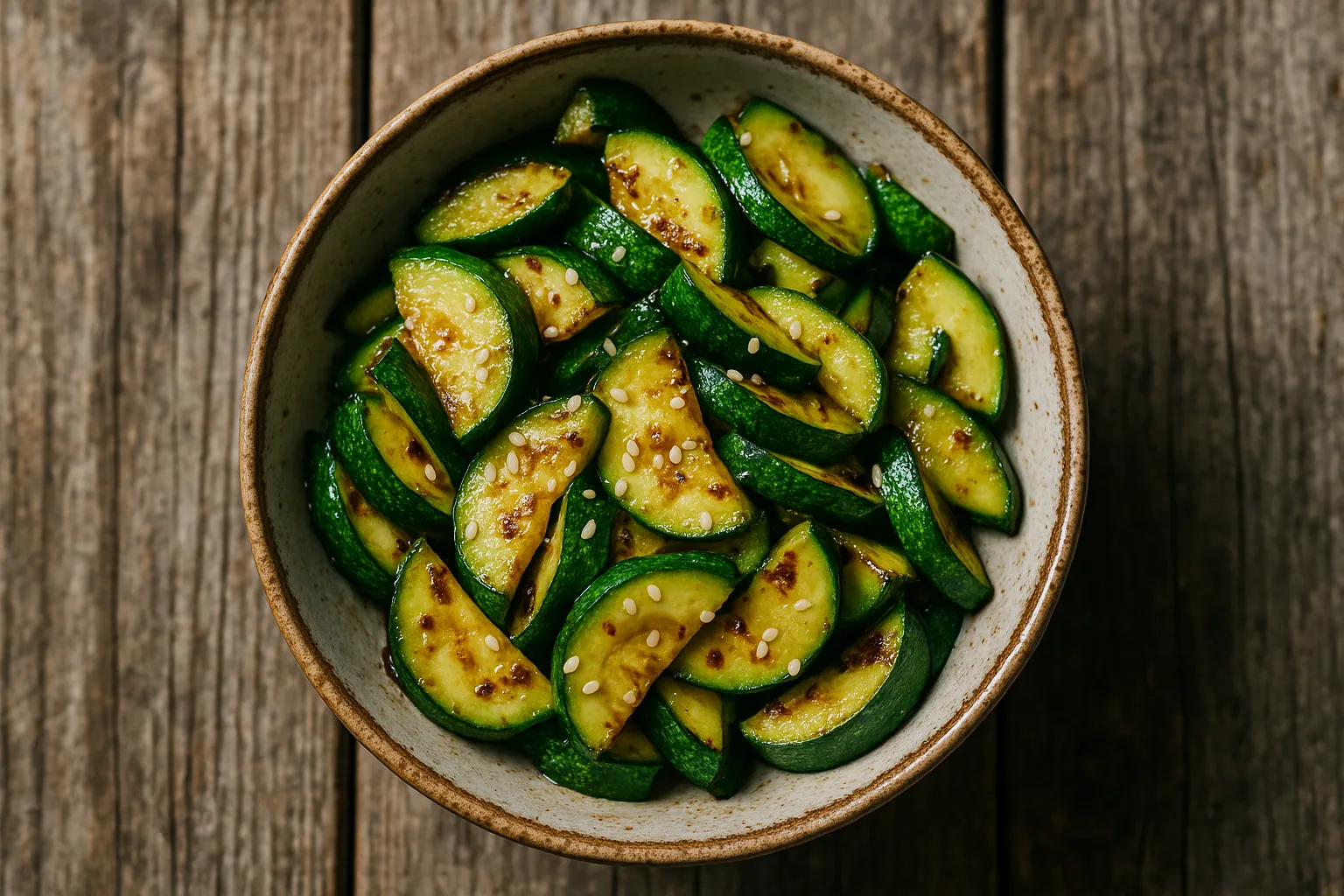
Datos Rápidos de Nutrición
Por 100g Serving
| Nutriente | Cantidad |
|---|---|
| Calorías | 35 kcal |
| Proteínas | 1.5g |
| Carbohidratos | 5g |
| Fibra | 1.5g |
| Azúcares | 2.8g |
| Grasas | 1.2g |
| Water | 94% |
| Vitamina C | 18mg |
| Potasio | 261mg |
| Vitamina A | 200 IU |
Desglose de Macronutrientes
 ChatGPT
  Claude
  AI Mode
  Perplexity
CONSEJO DEL NUTRICIONISTA
Zucchini stir fry es one of el la mayoría peso-loss-friendly vegetables con 94% water content and solo 35 calorías por 100g. El vitamina C content (18mg) apoya immunity mientras keeping carbohidratos extremely bajo at solo 5g por porción.
Mitos vs Realidad
MITO #1: Zucchini Has No Nutritional Value
REALIDAD: Despite 94% water, zucchini proporciona vitamina C (18mg), potasio (261mg), and carotenoids like lutein. It's nutrient-dense relative to its calorías, offering substantial vitaminas and minerales for digestive and eye health.
MITO #2: Todo Vegetables Son Iguales para Diabetes
REALIDAD: Zucchini has an exceptionally bajo glycemic index (GI 15) and minimal carbohidratos (5g/100g), making it superior to starchy vegetables for azúcar en sangre control. It puede be eaten freely by diabetics.
MITO #3: You Necesitar to Peel Zucchini
REALIDAD: El skin contiene la mayoría of el fibra, antioxidantes, and nutrientes. Peeling removes valuable nutrition. Simply wash thoroughly and cook con skin on for maximum beneficios para la salud.
MITO #4: Stir Frying Destroys Nutrientes
REALIDAD: Quick stir-frying (3-5 minutes) actually preserves más vitamina C que boiling or steaming. El minimal oil usado enhances absorption of grasas-soluble vitaminas like vitamina A. Evitar overcooking to retain nutrientes.
MITO #5: Zucchini Causes Bloating
REALIDAD: Zucchini es easily digestible con alto water content ese actually aids digestion. If you experience bloating, it puede be from overconsumption or sensitivity to FODMAPs. Comenzar con smaller porciones (100-150g).
MITO #6: Crudo Zucchini Es Más Saludable Que Cocido
REALIDAD: Ambos forms have benefits. Crudo preserves vitamina C; cooking enhances availability of antioxidantes like beta-carotene and reduce anti-nutrientes. Stir-frying ofrece el mejor of ambos - quick cooking preserves la mayoría nutrientes mientras improving digestibility.
NutriScore por Objetivos de Salud
| Objetivo de Salud | NutriScore | ¿Por qué esta puntuación? |
|---|---|---|
| Pérdida de Peso |  | Solo 35 calorías por 100g con 94% water content promueve satiety. Alto fibra and bajo carbohidratos hacer it ideal for calorie deficit diets. |
| Ganancia Muscular |  | Bajo proteínas content (1.5g) requires pairing con proteínas sources. Bueno as a side but not a primary muscle-building food. |
| Control de Diabetes | | Extremely bajo GI (15) and minimal carbohidratos have negligible azúcar en sangre impact. Puede be eaten freely sin porción limits. |
| Control del SOP | | Bajo glycemic load apoya insulin sensitivity. Anti-inflammatory properties puede help manage SOP symptoms. |
| Nutrición en el Embarazo |  | Proporciona folate and vitamina C but moderado proteínas. Excellent for peso management durante embarazo; pair con proteínas for complete nutrition. |
| Viral/Recuperación de Gripe | | Alto water content aids hydration, vitamina C apoya immunity. Easy to digest but needs proteínas pairing for recovery. |
NUTRICIÓN PERSONALIZADA
Registra tus comidas con NutriScan para personalizados NutriScores based on your specific health goals!
Respuesta de Azúcar en Sangre to Zucchini Stir Fry
Zucchini's extremely bajo glycemic index makes it one of el mejor vegetables for azúcar en sangre control.
Curva Típica de Respuesta de Glucosa
Este gráfico muestra respuesta típica de glucosa en sangre para individuos sanos en general. Las respuestas individuales pueden variar. No es consejo médico.
Cómo to Optimize for Blood Azúcar
Mientras zucchini has minimal impact on azúcar en sangre, pairing strategies puede enhance overall meal balance:
- 🍗 A la parrilla chicken or fish - Adds lean proteínas for sustained energy
- 🥚 Scrambled eggs - Complete proteínas con saludable fats
- 🧀 Paneer or tofu - Vegetarian proteínas options
- 🥜 Anacardos or almendras - Adds saludable fats and crunch
Este combination creates a complete bajo-carb meal ese maintains stable azúcar en sangre levels for 3-4 hours.
Importancia Cultural
Zucchini, también known as courgette, originated in Central America and was brought to Europe in el 16th century by Spanish conquistadors.
In India:
- Introduced durante British colonial period, ahora widely cultivated
- Known as "turai" or "ghia" in Hindi (though frecuentemente confused con bottle gourd)
- Popular in modern Indian cooking: stir-fries, sabzis, kofta, pakoras
- Gaining popularity in health-conscious urban households for bajo-carb diets
Global Impact:
- Italy es el largest European producer (zucchini es Italian for "pequeño squash")
- Widely usado in Mediterranean cuisine: ratatouille, pasta, fritters
- Popular in Middle Eastern cuisines stuffed con rice and meat
- Growing trend in spiralized "zoodles" as pasta substitute worldwide
Compara y Sustituye
Zucchini Stir Fry vs Similar Vegetables (Por 100g)
| Nutriente | 🥒 Zucchini Stir Fry | 🥦 Broccoli Stir Fry | 🍆 Eggplant Stir Fry | 🌶️ Bell Pepper Stir Fry |
|---|---|---|---|---|
| Calorías | 35 kcal | 45 kcal | 40 kcal | 38 kcal |
| Carbohidratos | 5g | 7g | 6g | 6g |
| Fibra | 1.5g | 2.6g | 3g | 2g |
| Proteínas | 1.5g | 2.8g | 1.2g | 1.2g |
| Grasas | 1.2g | 1.5g | 1.8g | 1.3g |
| Vitamina C | 18mg | 89mg | 2mg | 128mg |
| Potasio | 261mg | 316mg | 229mg | 211mg |
| Mejor Para | Peso loss, bajo-carb | Alto proteínas, fibra | Bajo calorie, creamy | Vitamina C, antioxidantes |
Preguntas Frecuentes
Es zucchini stir fry bueno for pérdida de peso?
Yes, zucchini stir fry es excellent for pérdida de peso. Con solo 35 calorías por 100g and 94% water content, it proporciona substantial volume and satiety sin excess calorías. El 1.5g fibra promueve fullness; 5g carbohidratos mantener it keto-friendly.
Peso loss tips: Usar minimal oil (1 tsp per 200g); pair con proteínas; eat 200-300g as a main vegetable side; season con herbs instead of alto-calorie sauces.
¿Pueden los diabéticos comer zucchini stir fry?
Yes, zucchini stir fry es ideal for diabetics. Con an extremely bajo glycemic index (GI 15) and solo 5g carbohidratos por 100g, it has minimal impact on azúcar en sangre. El fibra content ayuda regulate glucose absorption.
Diabetic guidelines:
- Puede be eaten freely sin porción restrictions
- Pairs bien con proteínas for balanced meals
- Usar saludable cooking oils (olive or avocado oil)
- Monitor if adding starchy vegetables or sauces
Cómo muchos calorías son in zucchini stir fry?
A 100g porción contiene aproximadamente 35 calorías. Typical porciones: 150g = 53 calorías, 200g = 70 calorías, 300g = 105 calorías. Calorías increase con added oil; 1 tablespoon oil adds ~120 calorías to total preparation.
Qué son el beneficios para la salud of zucchini?
Key Benefits:
- Peso Management: Muy bajo calorie density apoya calorie deficit
- Hydration: 94% water content aids hydration and digestion
- Eye Health: Lutein and zeaxanthin protect against age-related vision loss
- Heart Health: Potasio (261mg) apoya saludable blood pressure
- Immunity: Vitamina C (18mg) strengthens immune function
- Digestive Health: Alto water and fibra content prevent constipation
Es zucchini bueno for SOP?
Yes, zucchini es excellent for SOP management. Its bajo glycemic index and bajo carb content help manage insulin resistance, a key factor in SOP. El anti-inflammatory properties puede reduce symptoms; fibra apoya hormone balance through gut health.
SOP benefits: Ayuda con peso management, mejora insulin sensitivity, reduce inflamación, apoya hormonal balance.
Puede you eat zucchini stir fry cada día?
Yes, zucchini stir fry puede be parte of your diario diet. It's bajo in calorías, rich in water-soluble vitaminas, and gentle on digestion. Vary cooking methods (al vapor, a la parrilla, crudo) and pair con diferente proteins for nutritional diversity.
Diario porción: 200-400g diario es safe for la mayoría personas. Esos con IBS or sensitive digestion puede querer to límite to 150-200g.
Cómo to cook zucchini to retain nutrientes?
Mejor cooking methods:
- Stir-frying: 3-5 minutes on alto heat preserves vitamina C
- Steaming: 5-7 minutes retains la mayoría water-soluble vitaminas
- Grilling: Enhances flavor mientras preserving nutrientes
- Crudo: Maximum vitamina C but puede be harder to digest
Evitar: Boiling (leaches nutrientes into water); overcooking (destroys vitamina C).
Es zucchini skin nutritivo?
Yes, el skin contiene la mayoría of el fibra, antioxidantes (especialmente carotenoids), and phytonutrients. Peeling removes up to 50% of beneficioso compounds. Siempre wash thoroughly but cook con skin on for maximum nutrition.


Similar Nutritivo Vegetables
4505 Chicharrones Classic Chili Salt
7 Eleven Japan Crispy Corn Cheese
Explore Más Nutrition Tools & Resources
App de agua y calorías gratis con registro diario
App de ayuno intermitente gratis con temporizador
App de macros: NutriScan las rellena desde una foto
App de plan de comidas para volumen limpio
App de plan de comidas vegetariano con objetivo de proteína
App de Plan de Dieta India Vegetariana y No Vegetariana
App de plan de dieta mediterránea que cuenta el aceite
App nutricionista con IA que lee tus comidas
App para Subir de Peso: Plan de Dieta con IA
Ayuno Intermitente para Mujeres, Timer y Registro de Comidas
Coach de pérdida de peso ChatGPT: con registro
Contador de Calorías Activado por Voz - Di tus Comidas y Rastrea Nutrición Sin Manos — 2026
Contador de calorías ChatGPT: alternativa que no lo olvida
Contador de Calorías con IA: calorías con fotos, gratis
Contador de calorías de comida rápida con foto
Contador de calorías gratis con fotos | NutriScan
Contador de Calorías para Comida Española - Información Nutricional Instantánea — 2026
Escáner de Etiquetas Nutricionales para tu Ración Real
Generador Lista de Compras Keto
Generador Lista de Compras Mensual
Guía Proteína Tercer Trimestre
Plan de comidas semanal con calorías y lista de compras
Plan de dieta ChatGPT: alternativa que registra comidas
Plan de Dieta para Ganar Peso España