Mozzarella Fromage : calories, nutrition et bienfaits pour la santé
Creamy Italian fromage packed avec protéines, calcium, and versatile flavor for muscle building and santé osseuse.
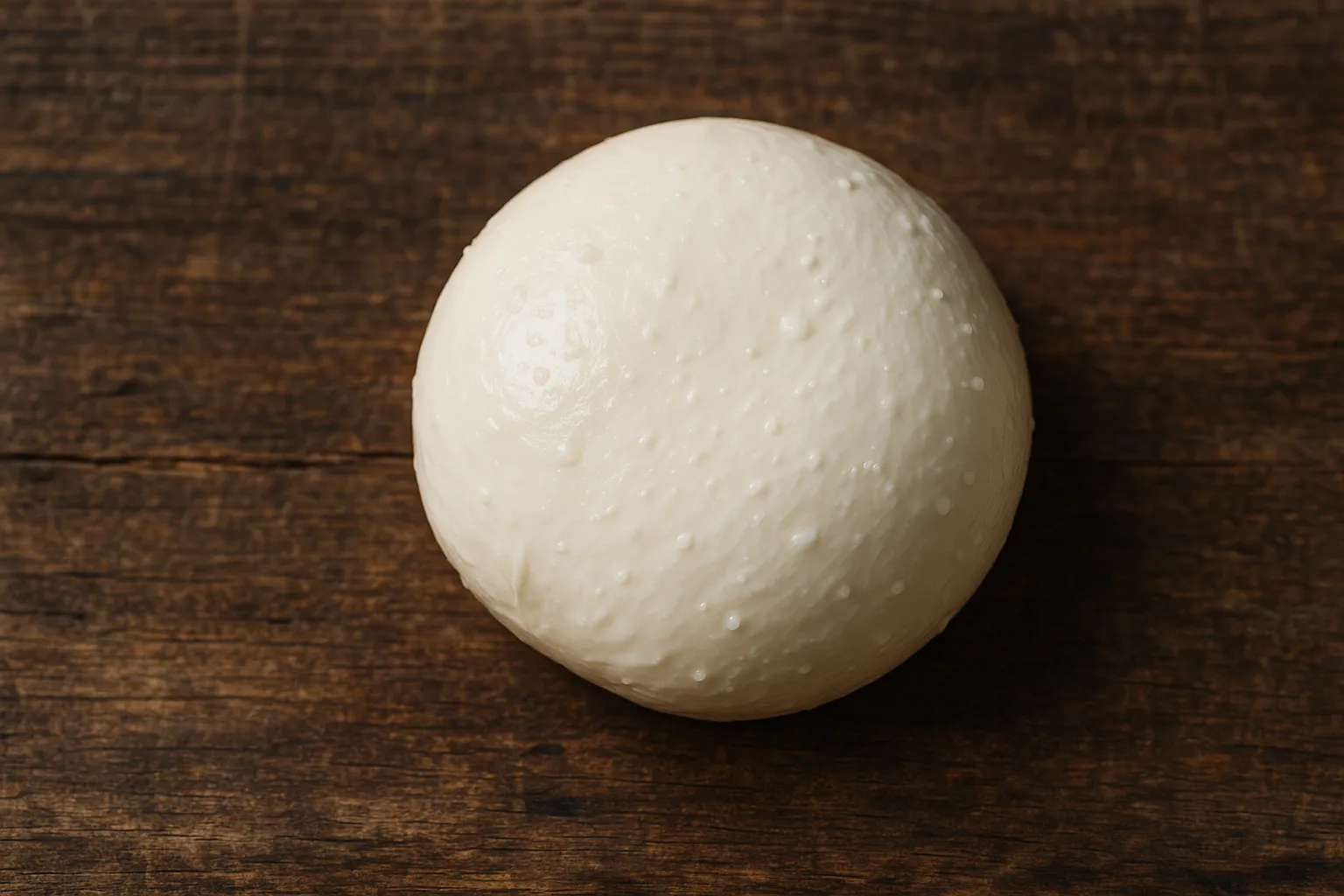
Faits Nutritionnels Rapides
Pour 100g (3.5 oz)
| Nutriment | Quantité |
|---|---|
| Calories | 280 kcal |
| Protéines | 28g |
| Glucides | 3g |
| Fibres | 0g |
| Sucres | 1g |
| Lipides | 17g |
| Graisses Saturées | 11g |
| Calcium | 505mg |
| Sodium | 627mg |
| Phosphorus | 354mg |
| Vitamine B12 | 1.1mcg |
Répartition des Macronutriments
 ChatGPT
  Claude
  AI Mode
  Perplexity
CONSEIL DU NUTRITIONNISTE
Mozzarella fournit 28g protéines and 50% of quotidien calcium needs pour 100g. Frais mozzarella est inférieur in calories and sodium que aged varieties. Le élevé protéines content makes it excellent for muscle building and satiety pendant perte de poids.
Idées Reçues
MYTHE #1: Tout Fromage Est Bad for Perte de Poids
RÉALITÉ: Mozzarella est one of le mieux cheeses for perte de poids. At 280 calories pour 100g, it's significantly inférieur que cheddar (403 kcal) or parmesan (431 kcal). Le élevé protéines (28g) augmente satiety and preserves muscle pendant calorie deficit. Portion contrôle est key - stick to 30-50g servings.
MYTHE #2: Fromage Has No Nutritional Value
RÉALITÉ: Mozzarella est nutrient-dense avec 505mg calcium (50% DV), 28g complete protéines, vitamine B12, phosphorus, zinc, and riboflavin. Frais mozzarella aussi contient probiotics from fermentation ce support gut health. Far from empty calories, fromage fournit essentiel nutriments in concentrated form.
MYTHE #3: Bas-Lipides Fromage Est Toujours Healthier
RÉALITÉ: Part-skim mozzarella (254 calories) saves 26 calories pour 100g versus whole milk version but peut have slightly less vitamine A and taste satisfaction. Le lipides in fromage aide absorb calcium and lipides-soluble vitamines. Unless strictly limiting calories, modéré plein-lipides portions souvent lead to mieux satiety and diet adherence.
MYTHE #4: Fromage Causes Élevé Cholestérol
RÉALITÉ: Tandis que mozzarella contient saturated lipides (11g pour 100g), recent research shows dairy lipides doesn't increase heart disease risk as previously thought. Le calcium, protéines, and probiotics peut actually support cardiovascular health. Focus on overall diet quality rather que avoiding fromage entirely.
MYTHE #5: Frais Mozzarella Est Même As Regular Mozzarella
RÉALITÉ: Frais mozzarella (stored in water/brine) est softer, supérieur in moisture, inférieur in calories and sodium que bas-moisture/aged versions used on pizza. Frais mozzarella has milder flavor, mieux digestibility, and plus probiotics. They're nutritionally different products - frais est generally healthier.
MYTHE #6: Eating Fromage Avant Bed Causes Nightmares
RÉALITÉ: No scientific evidence soutient ce old wives' tale. Cependant, élevé-lipides foods like fromage peut cause indigestion or acid reflux if eaten immediately avant lying down. Le tryptophan in fromage peut actually support sleep. Give 2-3 hours between eating fromage and bedtime for comfort.
NutriScore par Objectifs de Santé
| Objectif de Santé | NutriScore | Pourquoi ce score? |
|---|---|---|
| Perte de Poids |  | 280 calories, 28g protéines favorise fullness and preserves muscle. Inférieur calorie que la plupart cheeses. Utiliser part-skim version (254 cal), limite to 30-50g portions. |
| Gain Musculaire |  | Excellent protéines source avec 28g pour 100g, complete amino acid profile, calcium for muscle contraction, easy to add to meals for extra calories and protéines. |
| Gestion du Diabète | | Seulement 3g glucides, 28g protéines stabilizes glycémie, virtually zero glycemic impact. Excellent protéines source for diabetic meal planning. |
| Gestion du SOPK | | Bas carb (3g), élevé protéines soutient insulin sensitivity and satiety. Calcium peut improve hormone balance. Choisir part-skim to reduce saturated lipides. Watch portions (30-50g). |
| Nutrition de Grossesse | | Rich in calcium (505mg) for fetal bone development, protéines for growth, vitamine B12. Safe quand fait from pasteurized milk. |
| Viral/Flu Recovery | | Élevé protéines for immune function and tissue repair, easy to digest, zinc for immunity. Cependant, quelques peut experience mucus increase - individual tolerance varies. |
NUTRITION PERSONNALISÉE
Suivez vos repas avec NutriScan pour des NutriScores personnalisés selon tes objectifs santé !
Réponse glycémique
Understanding comment mozzarella affects glucose sanguin shows pourquoi it's excellent for diabète management and stable energy.
Courbe de Réponse Glycémique Typique
*Ce graphique montre typical glucose sanguin response quand eating mozzarella avec vegetables. Minimal impact due to bas glucides and élevé protéines. Les réponses individuelles peuvent varier. Pas un conseil médical.*
Pourquoi Mozzarella Est Blood Sucres Friendly
Mozzarella has virtually no glycemic impact due to minimal glucides (3g) and élevé protéines (28g) ce stabilizes glycémie:
- 🥗 Pair avec fibres-rich vegetables - Tomatoes, leafy greens, cucumber create complete bas-GI meals
- 🫓 Add to whole grain crackers - Protéines balances glucides from crackers for steady energy
- 🥙 Include in balanced meals - Combine avec complex glucides, sain fats, and vegetables
- 🍕 Pizza tip - Utiliser frais mozzarella on thin crust avec vegetable toppings to minimize glycemic load
Meilleur strategy: Mozzarella makes excellent snacks or meal components for diabète management, bas-carb diets, and sustained energy sans glycémie spikes.
Importance Culturelle
Mozzarella originated in southern Italy in le 12th century, traditionally fait from water buffalo milk (mozzarella di bufala) in le Campania region.
In Italy:
- PDO (Protected Designation of Origin) status for Mozzarella di Bufala Campana since 1996
- Essentiel ingredient in Margherita pizza (created 1889 for Queen Margherita)
- Eaten frais within jours of production, stored in its own whey or brine
- Traditional pasta filata (stretched curd) technique passed through generations
- Symbol of Italian culinary craftsmanship and quality
Global Impact:
- Pizza industry's la plupart important ingredient (billions of dollars annually)
- Caprese salad (mozzarella, tomatoes, basil) est globally recognized Italian dish
- Americans consume over 10 pounds of mozzarella per person annually
- Modern variations: smoked mozzarella, buffalo mozzarella, burrata (cream-filled)
- Veggie and vegan alternatives maintenant available worldwide
Comparer et Remplacer
Mozzarella vs Similar Cheeses (Pour 100g)
| Nutriment | 🧀 Mozzarella | 🧀 Paneer | 🧀 Cheddar | 🧀 Feta |
|---|---|---|---|---|
| Calories | 280 kcal | 265 kcal | 403 kcal | 264 kcal |
| Glucides | 3g | 1.2g | 1.3g | 4g |
| Fibres | 0g | 0g | 0g | 0g |
| Protéines | 28g | 18g | 25g | 14g |
| Lipides | 17g | 21g | 33g | 21g |
| Graisses Saturées | 11g | 13g | 21g | 15g |
| Calcium | 505mg (50% DV) | 480mg | 721mg | 493mg |
| Sodium | 627mg | 18mg | 621mg | 1,116mg |
| Idéal Pour | Muscle building | Indian cooking | Élevé calcium | Mediterranean |
Questions Fréquentes
Est mozzarella fromage bon for perte de poids?
Frais mozzarella peut support perte de poids in modération. At 280 calories pour 100g, it's inférieur que aged cheeses like cheddar (403 kcal) or parmesan (431 kcal). Le élevé protéines (28g) favorise fullness and preserves muscle pendant calorie deficit.
Poids loss tips: Choisir part-skim mozzarella (254 calories pour 100g); limite portions to 30-50g (84-140 calories); pair avec vegetables for fibres and volume; utiliser frais mozzarella instead of processed fromage; track portions carefully as fromage est calorie-dense.
Protéines-rich foods like mozzarella increase satiety mieux que élevé-carb snacks of equal calories.
Peut diabetics eat mozzarella fromage?
Yes, mozzarella est excellent for diabetics. Avec seulement 3g glucides pour 100g and 28g protéines, it has virtually no glycemic impact. Le élevé protéines aide stabilize glycémie levels.
Meilleur practices for diabetics: Choisir frais or part-skim mozzarella; limite to 30-50g portions to contrôle saturated lipides; toujours pair avec non-starchy vegetables (fibres); éviter pizza or dishes avec élevé-carb accompaniments; watch sodium content if you have blood pressure concerns; faire it part of balanced bas-carb meals.
Bas-carb, élevé-protéines foods improve glycemic contrôle in type 2 diabète. Toujours consult your healthcare provider for personalized recommendations.
Comment beaucoup protéines est in mozzarella fromage?
Mozzarella fromage contient 28 grams of protéines pour 100g (environ 8g per 30g slice or 1 oz). Ce est complete protéines avec tout nine essentiel amino acids, making it excellent for muscle building and repair.
Protéines comparison: 100g mozzarella (28g protéines) equals 4 grand eggs (24g), 120g chicken breast (30g), or 1.5 scoops protéines powder (30-35g). For athletes and fitness enthusiasts, mozzarella est a convenient way to boost protéines intake in meals or snacks.
Quoi sont le main bienfaits pour la santé of mozzarella fromage?
Key Benefits:
- Bone Health: 505mg calcium (50% DV) plus phosphorus (354mg) and vitamine K support strong bones and teeth
- Développement Musculaire: 28g complete protéines soutient muscle growth, repair, and maintenance
- Poids Management: Élevé protéines augmente satiety and preserves lean mass pendant calorie restriction
- Blood Sucres Contrôle: Minimal glucides (3g) avec élevé protéines stabilizes glucose levels
- Gut Health: Frais mozzarella contient probiotics from fermentation process
- Nutriment Density: Rich in B vitamines (B12, riboflavin), zinc, selenium for energy and immunity
- Inférieur Sodium: Fresher que aged cheeses (627mg vs 1000+ mg in beaucoup hard cheeses)
Est frais mozzarella healthier que regular mozzarella?
Yes, frais mozzarella (stored in water or brine) est generally healthier que bas-moisture or aged varieties:
Frais Mozzarella Advantages:
- Inférieur in calories (280 vs 300+ kcal pour 100g for bas-moisture)
- Inférieur in sodium (627mg vs 800+ mg in aged versions)
- Supérieur moisture content makes it plus filling per calorie
- Contient probiotics quand traditionally fait
- Mieux digestibility due to softer texture and shorter aging
- Milder flavor sans added salt or preservatives
Regular/Bas-Moisture Mozzarella:
- Mieux melting quality for pizza and baking
- Longer shelf vie (weeks vs jours for frais)
- Plus concentrated protéines per gram due to less water
Recommendation: Choisir frais mozzarella for salads, caprese, and eating plain. Utiliser bas-moisture for cooking quand melting quality matters. Both sont nutritif; frais est slightly mieux for health.
Peut lactose intolerant people eat mozzarella fromage?
Beaucoup lactose intolerant people tolerate mozzarella mieux que milk, though tolerance varies individually. Frais mozzarella has less lactose (1-2g pour 100g) que milk (12-13g per 240ml) due to fermentation and whey removal.
Pourquoi mozzarella peut be tolerated:
- La plupart lactose removed avec whey pendant fromage-making
- Fermentation by bacteria breaks down lactose
- Smaller serving sizes reduce lactose load (30g fromage vs 240ml milk)
- Aged cheeses have even less lactose (if tolerance allows)
Meilleur approach: Start avec petit portions (20-30g), choisir aged or harder cheeses if très sensitive, prendre lactase enzyme supplements if needed, monitor individual symptoms. If you experience bloating, gas, or discomfort, you peut besoin to éviter or strictly limite fromage.
Consult a healthcare provider or dietitian for personalized guidance.
Comment beaucoup mozzarella fromage devrait I eat per jour?
General Guidelines:
- 30-50g quotidien (1-1.5 oz) - La plupart sain adults for balanced nutrition sans excess calories or saturated lipides
- 20-30g quotidien - Poids loss or strict calorie contrôle (56-84 calories, 5.6-8.4g protéines)
- 50-75g quotidien - Athletes, gain musculaire, or supérieur calorie needs (140-210 calories, 14-21g protéines)
Éviter excess: Plus que 75-100g quotidien fournit too beaucoup saturated lipides (11g pour 100g), sodium (627mg), and calories. Le American Heart Association recommends limiting saturated lipides to 5-6% of total calories.
Important: Balance avec autre protéines sources (chicken, fish, legumes). Utiliser frais or part-skim mozzarella to reduce saturated lipides. Pair avec vegetables and whole grains for complete nutrition. Track intake avec NutriScan application to voir comment mozzarella fits your personal goals.
Devrait I choisir whole milk or part-skim mozzarella?
Choisir based on your health goals and calorie needs:
Part-Skim Mozzarella (Mieux for la plupart):
- Inférieur calories (254 vs 280 pour 100g)
- Less saturated lipides (10g vs 11g)
- Still élevé in protéines (24-28g)
- Mieux for perte de poids, santé cardiaque concerns
- Slightly inférieur in vitamine A
Whole Milk Mozzarella (Choisir if):
- Not restricting calories or saturated lipides
- Prefer richer flavor and creamier texture
- Besoin supérieur calorie density (athletes, underweight)
- Mieux lipides absorption of vitamines A, D, E, K
Recommendation: La plupart people benefit from part-skim for fewer calories and less saturated lipides avec minimal protéines difference. If eating petit portions (30g), le calorie difference est minimal (76 vs 84 calories), so choisir based on taste preference.




Aliments Nutritifs Similaires
4505 Chicharrones Classic Chili Salt
7 Eleven Japan Crispy Corn Cheese
Explore Plus Nutrition Tools & Resources
Alternative au plan alimentaire ChatGPT qui suit vos repas
Alternative ChatGPT coach perte de poids avec suivi
Alternative Foodvisor gratuite avec scan IA | NutriScan
App prise de poids : plan alimentaire 28 jours
Appli suivi macros qui remplit les chiffres depuis une photo
Application de jeûne intermittent : minuteur gratuit
Application Micronutriments pour Vitamines et Minéraux
Application Nutri-Score : note de chaque repas | NutriScan
Application plan alimentaire indien végé et non végé
Application plan repas prise de masse avec surplus calculé
Application suivi d'eau et de calories gratuite
Calculer les Calories des Aliments
Compteur de calories ChatGPT : alternative complète
Compteur de calories fast food qui lit le plateau
Compteur de calories gratuit avec scan photo IA | NutriScan
Compteur de Calories IA : une photo, vos macros
Compteur de Calories pour Cuisine Française - Informations Nutritionnelles Instantanées — 2026
Générateur Liste de Courses Keto
Générateur Liste de Courses Mensuelle
Jeûne intermittent femme, minuteur et suivi des repas
Nutriscan pour la Perte de Poids
Nutriscan pour le Gain de Masse Musculaire
Nutritionniste IA qui lit vos repas enregistrés
Plan alimentaire méditerranéen qui compte l'huile
Plan Alimentaire pour Hommes de 40 Ans
Plan de Régime Prise de Poids France
Plan de repas végétarien avec objectif protéines
Plan régime keto : appli 28 jours et suivi glucides
Planificateur de repas hebdomadaire avec calories