Parotta : calories, nutrition et bienfaits pour la santé
Flaky, buttery Indian layered flatbread packed avec glucides and energy. A beloved staple across South India and beyond, parotta balances indulgence avec tradition.
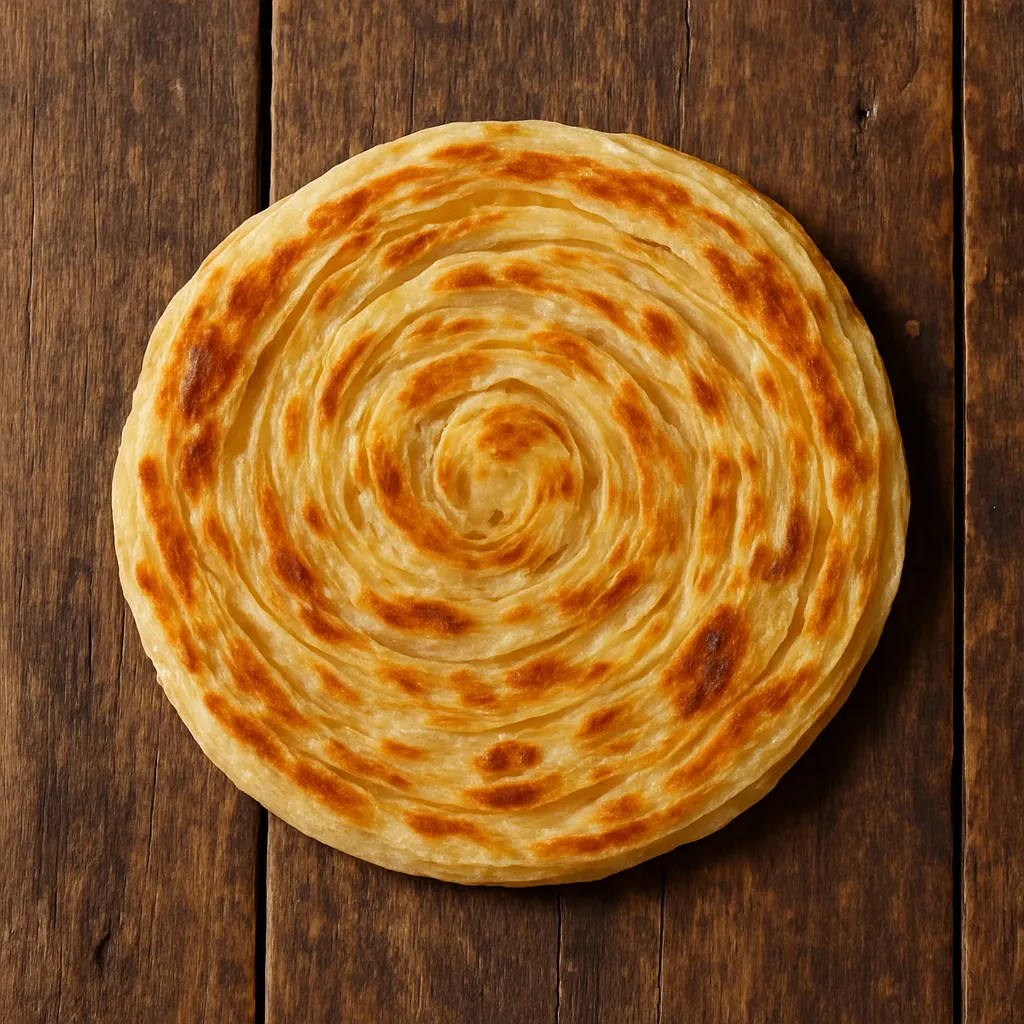
Faits Nutritionnels Rapides
Per 1 Medium Parotta (80g)
| Nutriment | Quantité |
|---|---|
| Calories | 330 kcal |
| Protéines | 6g |
| Glucides | 34g |
| Fibres | 1.5g |
| Sucres | 0.5g |
| Lipides | 18g |
| Graisses Saturées | 8g |
| Sodium | 480mg |
| Potassium | 95mg |
| Fer | 2.5mg |
Répartition des Macronutriments
 ChatGPT
  Claude
  AI Mode
  Perplexity
CONSEIL DU NUTRITIONNISTE
Parotta est meilleur enjoyed as an occasional indulgence rather que quotidien staple. Le élevé lipides content (18g par pièce) makes contrôle des portions crucial for poids management. Pairing avec lean protéines curries and frais vegetables balances le macronutrient profile effectively.
Idées Reçues
MYTHE #1: Parotta est Completely Unhealthy
RÉALITÉ: Tandis que calorie-dense, parotta fournit quick glucides for energy and contient B vitamines from wheat flour for métabolisme. Le issue est portion size and frequency, not le food itself.
MYTHE #2: You Must Éviter Parotta for Perte de Poids
RÉALITÉ: Moderate portions of parotta (half piece) paired avec protéines curries peut fit perte de poids goals. Le key est accounting for 165 calories per half-parotta in quotidien intake and maintaining calorie deficit through autre meals.
MYTHE #3: Parotta Has No Nutritional Value
RÉALITÉ: Parotta fournit glucides for energy, B vitamines from enriched wheat for métabolisme, and minéraux like fer for oxygen transport. It lacks fibres, but combining avec vegetable curries compensates.
MYTHE #4: Ghee in Parotta est Toujours Bad
RÉALITÉ: Ghee contient butyric acid and lipides-soluble vitamines A, D, E, K bénéfique in modération. Le concern est excessive consumption; one parotta's worth (ghee) est manageable within balanced diet.
MYTHE #5: Layered Parotta Causes Poids Gain
RÉALITÉ: Poids gain occurs from consistent excess calories, not parotta alone. Eating one parotta weekly (330 calories) won't cause poids gain if overall calorie balance est maintained throughout le mois.
MYTHE #6: Tout Parottas Have Même Nutrition
RÉALITÉ: Nutrition varies by preparation—thin crispy parottas (250 calories) differ from thick buttery ones (350+ calories). Homemade versions utiliser less ghee que restaurant versions. Check portion thickness quand calculating intake.
NutriScore par Objectifs de Santé
| Objectif de Santé | NutriScore | Pourquoi ce score? |
|---|---|---|
| Perte de Poids |  | 330 calories par pièce, 18g lipides, élevé calorie density. Limite to half portion max, pair avec lean protéines, factor into quotidien calorie budget. |
| Gain Musculaire |  | 34g glucides aid post-workout recovery, 6g protéines. Combine avec élevé-protéines curry (chicken, paneer) for complete muscle-building meal. |
| Gestion du Diabète | | Élevé GI (70+), 34g glucides cause rapid glycémie spike. Limite to quarter parotta, toujours pair avec protéines/lipides, monitor response. Choisir thin varieties. |
| Gestion du SOPK | | Élevé refined glucides impact insulin sensitivity. Limite drastically or éviter; choisir whole grain alternatives like jowar or millets instead. |
| Nutrition de Grossesse | | Glucides support energy needs in grossesse, but pair avec fer-rich curries (spinach, lentil). Watch sodium intake (480mg per parotta). |
| Viral/Flu Recovery |  | Easy to digest, fournit quick carbohydrate energy quand appetite est bas. Meilleur avec warming curries. Rich lipides aids nutrient absorption. |
NUTRITION PERSONNALISÉE
Suivez vos repas avec NutriScan pour des NutriScores personnalisés selon tes objectifs santé !
Réponse glycémique
Parotta's refined wheat flour and élevé GI (70+) cause a rapid glucose sanguin spike. Understanding timing and pairing aide minimize metabolic stress.
Courbe de Réponse Glycémique Typique
Ce graphique montre typical glucose sanguin response for general sain individuals. Les réponses individuelles peuvent varier. Pas un conseil médical.
Comment Aplatir le Pic
Pairing parotta avec protéines and lipides slows glucose absorption and réduit glycémie peaks:
- 🍗 Chicken or mutton curry - Élevé-protéines pairing, la plupart effective for glycémie contrôle
- 🧅 Egg curry - Quick protéines source, enhances satiety
- 🥫 Lentil (dal) curry - Protéines + fibres combination flattens curve significantly
- 🥬 Spinach or paneer curry - Micronutrients avec protéines for balanced meal
Consuming parotta avec ces pairings extends energy release and réduit postprandial glucose spike by 20-30%.
Importance Culturelle
Parotta originates from Kerala and Tamil Nadu, où it became a beloved breakfast and street food staple across South India. Le spiral-layered cooking technique reflects centuries of culinary tradition.
In India:
- Kerala's iconic morning street food, sold frais at roadside shops
- Tamil Nadu breakfast staple, traditionally paired avec fish curry or sambar
- Festival and celebration bread across Andhra Pradesh and Karnataka
- Symbol of indulgent, comforting food culture in South India
- Preparation varies by region: thin crispy (Kochi), thick soft (Chennai), spiral-layered (traditional)
Global Adoption:
- Essentiel in South Indian restaurants worldwide
- Trending comfort food in multicultural urban food scenes
- Fait frais in Indian communities across USA, UK, Canada, Australia
- Popular on food delivery platforms as weekend treat
Comparer et Remplacer
Parotta vs Similar Breads (Pour 100g)
| Nutriment | 🫓 Parotta | 🍞 Roti | 🫓 Naan | 🥐 Croissant |
|---|---|---|---|---|
| Calories | 412 kcal | 165 kcal | 262 kcal | 406 kcal |
| Glucides | 42.5g | 35g | 38g | 39g |
| Fibres | 1.9g | 2g | 1.5g | 0g |
| Protéines | 7.5g | 8g | 7g | 6g |
| Lipides | 22.5g | 0.5g | 7g | 21g |
| Sodium | 600mg | 320mg | 400mg | 470mg |
| Idéal Pour | Occasional treat, energy | Quotidien staple, perte de poids | Festive meals, restaurants | Occasional indulgence |
Questions Fréquentes
Est parotta bon for perte de poids?
Parotta est challenging for perte de poids due to 330 calories par pièce and 18g lipides. Meilleur strategy: eat half portions (165 calories), pair avec lean protéines curry, and limite frequency to 1-2 times weekly. Factor into quotidien calorie budget and maintain overall calorie deficit.
Peut diabetics eat parotta?
Yes, but avec strict contrôle des portions and pairing. Eat one-quarter to half parotta max; toujours combine avec élevé-protéines curry; monitor glycémie response 2 hours après eating; choisir thin varieties over thick; éviter evening consumption quand insulin sensitivity est inférieur.
Comment beaucoup protéines est in parotta?
One medium parotta (80g) contient 6g protéines—modéré amount. Pair avec protéines-rich curries: chicken curry (15g protéines), egg curry (12g protéines), paneer curry (10g protéines) for complete protéines intake needed for muscle growth or satiety.
Quoi sont le bienfaits pour la santé of parotta?
Parotta fournit quick carbohydrate energy for physical activity; fer for oxygen transport (2.5mg par pièce); B vitamines from wheat flour for métabolisme; lipides-soluble vitamines from ghee quand consumed moderately. Meilleur consumed occasionally avec balanced accompaniments.
Quand est le meilleur temps to eat parotta?
Poids loss: breakfast avec élevé-protéines curry (prévient overeating later). Muscle gain: post-workout avec lentil or paneer curry. Diabète: early morning or lunch avec vegetables and protéines, jamais dinner. Éviter empty-stomach consumption to prevent rapid glucose spike.
Quoi est le difference between parotta and roti?
Parotta est layered flatbread fait avec ghee (330 calories, 18g lipides per 80g piece), tandis que roti est unlayered wheat flatbread (82 calories, 0.3g lipides per 30g). Parotta est rich and indulgent; roti est lean everyday staple. Nutritionally, roti suits quotidien intake; parotta suits occasional meals.


Similar Nutritif Breads & Grains
4505 Chicharrones Classic Chili Salt
7 Eleven Japan Crispy Corn Cheese
Explore Plus Nutrition Tools & Resources
Alternative au plan alimentaire ChatGPT qui suit vos repas
Alternative ChatGPT coach perte de poids avec suivi
Alternative Foodvisor gratuite avec scan IA | NutriScan
App prise de poids : plan alimentaire 28 jours
Appli suivi macros qui remplit les chiffres depuis une photo
Application de jeûne intermittent : minuteur gratuit
Application Micronutriments pour Vitamines et Minéraux
Application Nutri-Score : note de chaque repas | NutriScan
Application plan alimentaire indien végé et non végé
Application plan repas prise de masse avec surplus calculé
Application suivi d'eau et de calories gratuite
Calculer les Calories des Aliments
Compteur de calories ChatGPT : alternative complète
Compteur de calories fast food qui lit le plateau
Compteur de calories gratuit avec scan photo IA | NutriScan
Compteur de Calories IA : une photo, vos macros
Compteur de Calories pour Cuisine Française - Informations Nutritionnelles Instantanées — 2026
Générateur Liste de Courses Keto
Générateur Liste de Courses Mensuelle
Jeûne intermittent femme, minuteur et suivi des repas
Nutriscan pour la Perte de Poids
Nutriscan pour le Gain de Masse Musculaire
Nutritionniste IA qui lit vos repas enregistrés
Plan alimentaire méditerranéen qui compte l'huile
Plan Alimentaire pour Hommes de 40 Ans
Plan de Régime Prise de Poids France
Plan de repas végétarien avec objectif protéines
Plan régime keto : appli 28 jours et suivi glucides
Planificateur de repas hebdomadaire avec calories