Pasta : calories, nutrition et bienfaits pour la santé
A versatile carbohydrate staple avec contrôle des portions tricks, cooking methods, and pairing strategies for chaque health goal.
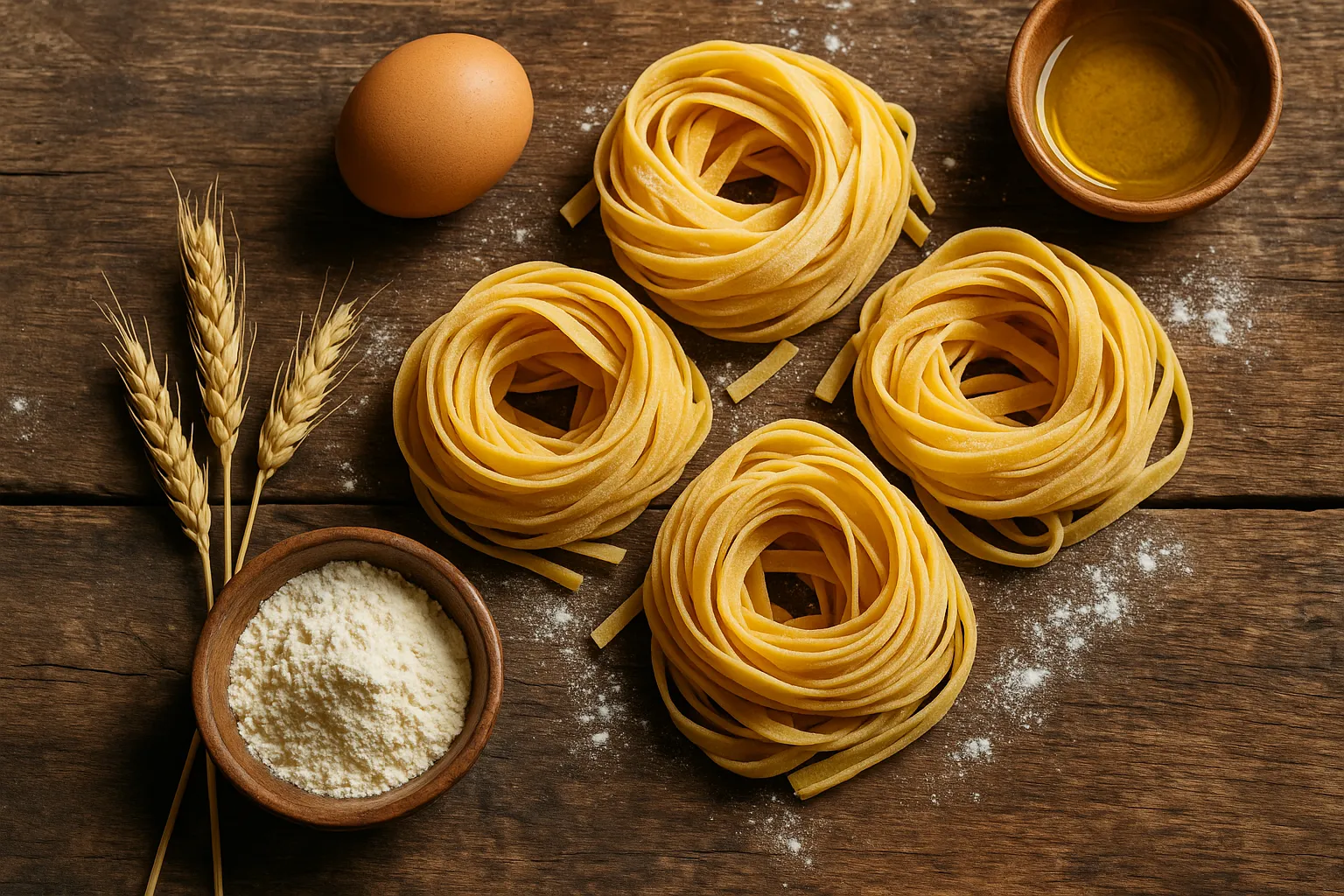
Faits Nutritionnels Rapides
Per 2oz (56g) Dry White Pasta = 1 Cup Cuit
| Nutriment | Quantité |
|---|---|
| Calories | 210 kcal |
| Protéines | 7.4g |
| Glucides | 43g |
| Fibres | 1.8g |
| Sucres | 1.5g |
| Lipides | 1g |
| Fer | 1.8mg |
| Folate | 102mcg |
| Niacin (B3) | 3.3mg |
| Thiamin (B1) | 0.5mg |
Répartition des Macronutriments
 ChatGPT
  Claude
  AI Mode
  Perplexity
CONSEIL DU NUTRITIONNISTE
Le #1 pasta mistake est portion size confusion. 2oz dry pasta (a standard serving) cooks to 1 cup, but restaurants serve 4-6oz dry (2-3 servings). Al dente pasta has a inférieur glycemic index (45 vs 60 for overcooked) due to resistant starch formation.
Idées Reçues
MYTHE #1: Pasta Makes You Lipides
RÉALITÉ: Pasta itself doesn't cause poids gain—portion size does. A 2oz dry serving has seulement 210 calories. Le problem: La plupart people eat 4-6oz (400-600 calories) sans realizing it. Measure dry pasta avec a food scale; pair avec protéines and vegetables to contrôle portions naturally.
MYTHE #2: Tout Pasta Has le Même Calories (Dry vs Cuit)
RÉALITÉ: 2oz dry pasta = 210 calories ≈ 1 cup cuit (220 calories). Confusion happens quand people log "1 cup pasta" in apps—est it dry (840 calories) or cuit (220 calories)? Toujours measure and log pasta dry avant cooking to track accurately.
MYTHE #3: Pasta Toujours Spikes Blood Sucres
RÉALITÉ: Al dente pasta has a glycemic index of 45 (bas), tandis que overcooked pasta reaches 60 (medium-élevé). Cooking temps changes starch structure. Even mieux: Cooled and reheated pasta augmente resistant starch, lowering glucose response by 10-15%. Pair avec protéines/lipides to further reduce spikes.
MYTHE #4: Whole Wheat Est Toujours Mieux
RÉALITÉ: Whole wheat pasta has plus fibres (5.2g vs 1.8g) and slightly inférieur GI (52 vs 55), but le difference est marginal. For quelques, taste and texture matter plus. Both fit a sain diet; prioritize contrôle des portions and pairings over pasta type. If you prefer white pasta, cook al dente and add vegetables.
MYTHE #5: Pasta Has No Nutriments
RÉALITÉ: Pasta fournit B vitamines (thiamin, niacin, folate) for energy métabolisme, fer for oxygen transport, and quand whole wheat, fibres for santé digestive. It's enriched in beaucoup countries avec folic acid (important for grossesse). Not nutrient-dense, but not empty calories either.
MYTHE #6: Leftover Pasta Est Unhealthy
RÉALITÉ: Cooling and reheating pasta augmente resistant starch content, quel acts like fibres, feeding gut bacteria and lowering glycemic response. Meal-prepped pasta peut actually be healthier que freshly cuit for glycémie contrôle. Magasin in fridge 24-48 hours, reheat thoroughly.
NutriScore par Objectifs de Santé
| Objectif de Santé | NutriScore | Pourquoi ce score? |
|---|---|---|
| Perte de Poids |  | 210 calories par portion, but easy to overeat. Stick to 1-1.5 cups cuit, pair avec lean protéines, non-starchy vegetables. Choisir whole wheat or al dente for satiety. |
| Gain Musculaire |  | 43g glucides replenish glycogen post-workout, 7.4g protéines contributes to quotidien intake. Increase to 1.5-2 cups cuit, add chicken or ground turkey for complete meal. |
| Gestion du Diabète |  | Moderate-élevé GI (50-55). Limite to 0.5-1 cup cuit, choisir al dente or whole wheat, toujours pair avec protéines and sain lipides to slow glucose absorption. |
| Gestion du SOPK | | Refined glucides affect insulin sensitivity. Choisir whole wheat, limite to 1 cup cuit, pair avec protéines. Mieux: legume-based pasta (chickpea, lentil) for inférieur carb impact. |
| Nutrition de Grossesse | | Enriched pasta fournit folate (102mcg par portion) crucial for neural tube development. Whole wheat adds fibres for grossesse constipation. Pair avec fer-rich foods. |
| Viral/Flu Recovery | | Easy to digest energy source quand appetite est bas. Fournit quick glucides for recovery. Add chicken broth, vegetables for immune-supporting nutriments. |
NUTRITION PERSONNALISÉE
Suivez vos repas avec NutriScan pour des NutriScores personnalisés selon tes objectifs santé !
Réponse glycémique
Understanding comment pasta affects glucose sanguin aide you faire informed decisions environ portion size, cooking method, and pairings.
Courbe de Réponse Glycémique Typique
Ce graphique montre typical glucose sanguin response for white pasta, al dente. Overcooked pasta peaks supérieur. Les réponses individuelles peuvent varier. Pas un conseil médical.
Comment to Inférieur le Glycemic Impact
Simple preparation and pairing tricks dramatically reduce glycémie spikes:
Cooking Methods:
- Cook al dente (firm to bite) - GI 45 vs 60 for overcooked
- Cool and reheat - Augmente resistant starch, lowers glucose response 10-15%
- Éviter overcooking - Plus gelatinized starch = faster glucose conversion
Pairing Strategies:
- 🍗 Add lean protéines - Chicken, turkey, fish, tofu slow carb digestion
- 🥑 Include sain fats - Olive oil, avocado, nuts extend energy release
- 🥦 Pile on vegetables - Fibres and volume reduce portion of pasta, stabilize glycémie
- 🧀 Utiliser fromage moderately - Protéines and lipides help, but watch calories
A balanced pasta meal: 1 cup cuit pasta + 4oz grillé chicken + 2 cups à la vapeur broccoli + 1 tbsp olive oil = Steady energy, controlled glucose.
Importance Culturelle
Pasta est a cornerstone of Italian cuisine and has been adopted globally as an affordable, versatile staple food.
In Italy:
- Over 300 pasta shapes, chaque designed for specific sauces and regional dishes
- Al dente cooking est standard—firmer texture, mieux nutrition, authentic taste
- "Pasta e fagioli," "pasta aglio e olio," "cacio e pepe" showcase simplicity and quality ingredients
- Family and communal dining traditions built around pasta meals
Global Impact:
- Consumed in nearly chaque country—second la plupart consumed food globally après rice
- Affordable protéines and energy source accessible across economic levels
- Cultural fusion: Mac and fromage (USA), masala pasta (India), pad Thai-style pasta (Asia)
- Sustainable grain-based food avec inférieur environmental impact que meat
In India:
- White sauce pasta, red sauce pasta, masala pasta popular fusion dishes
- Increasing consumption in urban areas, surtout among younger generations
- Souvent served avec garlic bread and considered comfort food or party dish
Comparer et Remplacer
Pasta vs Similar Glucides (Pour 100g Dry)
| Nutriment | 🍝 White Pasta | 🍝 Whole Wheat Pasta | 🍚 White Rice | 🌾 Quinoa |
|---|---|---|---|---|
| Calories | 371 kcal | 348 kcal | 365 kcal | 368 kcal |
| Protéines | 13g | 13.4g | 7.1g | 14.1g |
| Glucides | 75g | 72.3g | 80g | 64.2g |
| Fibres | 3.2g | 9.2g | 1.3g | 7g |
| Lipides | 1.5g | 2.5g | 0.7g | 6g |
| Fer | 3.3mg | 3.6mg | 0.8mg | 4.6mg |
| Folate | 237mcg | 44mcg | 8mcg | 184mcg |
| Glycemic Index | 55 | 52 | 73 | 53 |
| Idéal Pour | Classic taste, versatile | Glycémie contrôle, fibres | Gluten-gratuit, quick energy | Complete protéines, gluten-gratuit |
Questions Fréquentes
Comment beaucoup calories in pasta?
2oz (56g) dry pasta contient 210 calories, quel cooks to environ 1 cup and expands to 220 calories cuit.
Le portion confusion problem: Restaurant servings sont souvent 4-6oz dry (400-600 calories), quel est 2-3 times le standard serving. Quand meal planning, toujours measure pasta dry avec a food scale.
Calorie by portion:
- 1oz dry (14g) = 105 calories → 0.5 cup cuit
- 2oz dry (56g) = 210 calories → 1 cup cuit (standard serving)
- 4oz dry (113g) = 420 calories → 2 cups cuit (restaurant serving)
- 6oz dry (170g) = 630 calories → 3 cups cuit (grand restaurant plate)
Track pasta dry avant cooking to éviter calorie underestimation.
Est pasta bon for perte de poids?
Pasta peut fit into perte de poids quand portioned correctly (1-1.5 cups cuit) and paired strategically.
Poids loss guidelines:
- Measure 2oz dry pasta (210 calories) avec a food scale
- Cook al dente for inférieur glycemic impact and mieux satiety
- Add 4-6oz lean protéines (chicken, turkey, fish, tofu)
- Fill half your plate avec non-starchy vegetables
- Utiliser tomato-based sauces instead of cream or fromage sauces
Pourquoi it works: Protéines + fibres from vegetables increase fullness, preventing overeating. Pasta's modéré glycemic index (50-55) fournit sustained energy sans extreme hunger spikes.
Mieux alternative: Whole wheat or legume-based pasta (chickpea, lentil) for 2-3x plus fibres and protéines.
Quoi est le correct pasta portion size?
A standard serving est 2oz (56g) dry pasta = environ 1 cup cuit.
Visual guides for 2oz dry:
- Spaghetti: Diameter of a quarter quand bundled
- Penne/rigatoni: 2/3 cup dry
- Utiliser a food scale for accuracy (la plupart reliable method)
Portion by goal:
- Poids loss: 1-1.5 cups cuit (1.5-2oz dry) avec protéines and vegetables
- Muscle gain: 1.5-2 cups cuit (2-3oz dry) post-workout avec lean protéines
- Diabète: 0.5-1 cup cuit (1-1.5oz dry) paired avec protéines, lipides, vegetables
- Maintenance: 1-2 cups cuit (2oz dry) depending on activity level
Le biggest mistake est "eyeballing" pasta and serving 3-4 cups cuit sans realizing it's 600-800 calories.
Does pasta spike glycémie?
Yes, pasta raises glycémie, but le amount varies greatly based on type, cooking method, and pairings.
Glycemic Index (GI):
- White pasta (al dente): GI 45 (bas)
- White pasta (overcooked): GI 60 (medium-élevé)
- Whole wheat pasta: GI 52 (bas-medium)
- Cooled and reheated pasta: GI 40-42 (inférieur)
Al dente pasta has less gelatinized starch, slowing glucose absorption. Overcooking breaks down starch faster, causing quicker glycémie spikes.
Glycémie contrôle strategies:
- Cook al dente (firm to bite)
- Choisir whole wheat or legume-based pasta
- Portion contrôle: 0.5-1 cup cuit for diabetics
- Pair avec protéines (chicken, fish) and sain lipides (olive oil, avocado)
- Add non-starchy vegetables (broccoli, spinach, bell peppers)
- Cool and reheat for resistant starch benefits
Toujours monitor glycémie 2 hours après eating to voir your personal response.
Est whole wheat pasta healthier que white pasta?
Yes, whole wheat pasta has nutritional advantages, but le difference est smaller que you penser.
Comparison (per 2oz/56g dry):
| Nutriment | White Pasta | Whole Wheat Pasta |
|---|---|---|
| Calories | 210 kcal | 200 kcal |
| Protéines | 7.4g | 7.9g |
| Glucides | 43g | 42g |
| Fibres | 1.8g | 5.2g (3x plus) |
| Fer | 1.8mg | 1.5mg |
| Glycemic Index | 55 | 52 (inférieur) |
Whole wheat wins for:
- 3x plus fibres (mieux for digestion, satiety, glycémie)
- Slightly inférieur glycemic index
- Plus antioxydants and phytonutrients from wheat bran
White pasta advantages:
- Milder taste and smoother texture (quelques prefer ce)
- Souvent enriched avec folic acid (important for grossesse)
- Just as nutritif quand cuit al dente and paired bien
Bottom line: If you enjoy whole wheat, choisir it for extra fibres. If you prefer white pasta, cook al dente, measure portions, and add protéines/vegetables—you'll still eat healthily.
Peut diabetics eat pasta?
Yes, diabetics peut eat pasta in modération avec smart strategies to minimize glycémie spikes.
Diabète-friendly pasta tips:
- Portion contrôle: 0.5-1 cup cuit (1-2oz dry) max per meal
- Choisir inférieur GI options:
- Al dente white pasta (GI 45)
- Whole wheat pasta (GI 52)
- Legume pasta like chickpea or lentil (GI 22-44)
- Toujours pair avec:
- Lean protéines (4-6oz chicken, fish, tofu)
- Sain lipides (1-2 tbsp olive oil, avocado)
- Non-starchy vegetables (broccoli, spinach, peppers)
- Cooking tricks:
- Cook al dente (not mushy)
- Cool and reheat for resistant starch (lowers GI)
- Monitor glycémie 2 hours après eating to understand personal response
Beaucoup diabetics trouver cooled and reheated pasta easier on glycémie due to increased resistant starch. Meal prep pasta-based lunches le jour avant for mieux glucose contrôle.
Comment beaucoup times per semaine peut I eat pasta?
For la plupart people, pasta 1-3 times per semaine fits a balanced diet quand portions and preparations sont mindful.
Frequency by goal:
- Poids loss: 1-2 times per semaine, 1-1.5 cups cuit, avec protéines and vegetables
- Muscle gain: 2-3 times per semaine, 1.5-2 cups cuit post-workout for glycogen replenishment
- Diabète: 1-2 times per semaine, 0.5-1 cup cuit, toujours paired avec protéines/lipides
- Maintenance/active lifestyle: 2-4 times per semaine, varied preparations and types
Variety est key: Rotate pasta avec autre complex glucides like brown rice, quinoa, sweet potatoes, legumes to ensure diverse nutriments.
Watch for: Refined white pasta chaque jour peut contribute to insulin resistance and poids gain. Balance refined grains avec whole grains and fibres-rich foods.
Pourquoi does leftover pasta taste mieux?
Beyond taste preference, leftover pasta has unique bienfaits pour la santé due to a process called "retrogradation."
Quoi happens quand pasta cools:
- Starch molecules rearrange into a plus resistant structure
- Resistant starch augmente by 10-25%
- Glycemic index drops 10-15% compared to frais pasta
- Acts like fibres, feeding bénéfique gut bacteria
Comment to maximize benefits:
- Cook pasta al dente
- Cool completely in refrigerator (24-48 hours)
- Reheat thoroughly avant eating
- Magasin up to 3-4 jours safely
Meal-prepped pasta peut be healthier que frais for glycémie contrôle—a win for convenience and health!


Similar Nutritif Glucides
4505 Chicharrones Classic Chili Salt
7 Eleven Japan Crispy Corn Cheese
Explore Plus Nutrition Tools & Resources
Alternative au plan alimentaire ChatGPT qui suit vos repas
Alternative ChatGPT coach perte de poids avec suivi
Alternative Foodvisor gratuite avec scan IA | NutriScan
App prise de poids : plan alimentaire 28 jours
Appli suivi macros qui remplit les chiffres depuis une photo
Application de jeûne intermittent : minuteur gratuit
Application Micronutriments pour Vitamines et Minéraux
Application Nutri-Score : note de chaque repas | NutriScan
Application plan alimentaire indien végé et non végé
Application plan repas prise de masse avec surplus calculé
Application suivi d'eau et de calories gratuite
Calculer les Calories des Aliments
Compteur de calories ChatGPT : alternative complète
Compteur de calories fast food qui lit le plateau
Compteur de calories gratuit avec scan photo IA | NutriScan
Compteur de Calories IA : une photo, vos macros
Compteur de Calories pour Cuisine Française - Informations Nutritionnelles Instantanées — 2026
Générateur Liste de Courses Keto
Générateur Liste de Courses Mensuelle
Jeûne intermittent femme, minuteur et suivi des repas
Nutriscan pour la Perte de Poids
Nutriscan pour le Gain de Masse Musculaire
Nutritionniste IA qui lit vos repas enregistrés
Plan alimentaire méditerranéen qui compte l'huile
Plan Alimentaire pour Hommes de 40 Ans
Plan de Régime Prise de Poids France
Plan de repas végétarien avec objectif protéines
Plan régime keto : appli 28 jours et suivi glucides
Planificateur de repas hebdomadaire avec calories