Sabji : calories, nutrition et bienfaits pour la santé
Traditional Indian vegetable curry packed avec fibres, vitamines, and minéraux for optimal health across tout dietary goals.
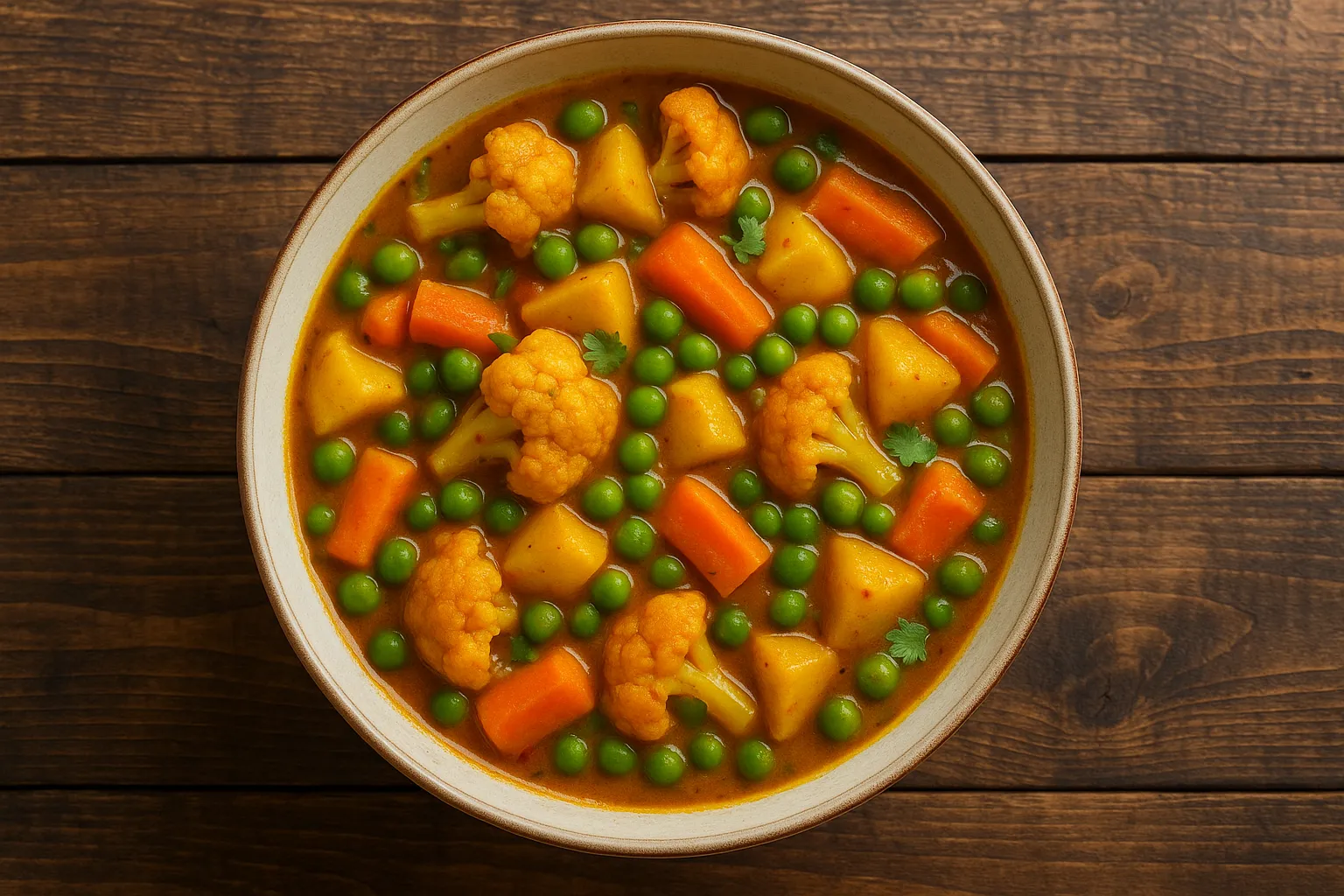
Faits Nutritionnels Rapides
Per 1 Cup Serving (150g)
| Nutriment | Quantité |
|---|---|
| Calories | 143 kcal |
| Protéines | 4.5g |
| Glucides | 18g |
| Fibres | 6g |
| Sucres | 6g |
| Lipides | 6g |
| Potassium | 480mg |
| Vitamine A | 2400 IU |
| Vitamine C | 45mg |
| Fer | 2.1mg |
Répartition des Macronutriments
 ChatGPT
  Claude
  AI Mode
  Perplexity
CONSEIL DU NUTRITIONNISTE
Sabji offre exceptional nutrient diversity avec vitamines A, C, K and minéraux at minimal calories. Cooking avec turmeric and minimal oil maximizes anti-inflammatory benefits tandis que preserving heat-sensitive vitamines.
Idées Reçues
MYTHE #1: Tout Sabji Est Élevé in Oil and Unhealthy
RÉALITÉ: Health depends on preparation. Sabji cuit avec 1-2 tsp oil par portion has seulement 6g lipides (143 calories par tasse). Steaming or light sautéing preserves nutriments mieux que deep frying tandis que keeping calories bas.
MYTHE #2: Sabji Lacks Protéines
RÉALITÉ: Mixed vegetable sabji fournit 4.5g protéines par portion. Adding legumes (beans, chickpeas) augmente it to 8-10g. Combining avec dal or paneer creates complete protéines profiles meeting quotidien amino acid needs.
MYTHE #3: Diabetics Devrait Éviter Sabji Due to Vegetables
RÉALITÉ: La plupart vegetables have bas glycemic index (35-45). Élevé fibres content in sabji actually aide regulate glycémie by slowing glucose absorption. Ideal for diabète management quand paired avec whole grains.
MYTHE #4: Sabji Loses Tout Nutriments Quand Cuit
RÉALITÉ: Tandis que quelques vitamine C est lost, cooking enhances bioavailability of carotenoids and lycopene. Pressure cooking or steaming retains 70-90% of nutriments. Le key est avoiding overcooking and using cooking water in le curry.
MYTHE #5: Frozen Vegetables Faire Inferior Sabji
RÉALITÉ: Frozen vegetables sont flash-frozen at peak ripeness, souvent retaining plus nutriments que "frais" produce stored for jours. Studies show frozen vegetables have comparable or supérieur vitamine content, making them excellent for nutritif sabji an-round.
NutriScore par Objectifs de Santé
| Objectif de Santé | NutriScore | Pourquoi ce score? |
|---|---|---|
| Perte de Poids |  | Seulement 143 calories par tasse avec 6g fibres promoting fullness. Élevé water content and nutrient density support sustainable perte de poids. |
| Gain Musculaire |  | Fournit vitamines and minéraux for recovery. Pair avec dal/paneer for 12-15g protéines. Micronutrients support muscle repair and energy métabolisme. |
| Gestion du Diabète | | Bas GI (35-45) and élevé fibres stabilize glycémie. Rich in chromium and magnesium for insulin sensitivity. |
| Gestion du SOPK | | Anti-inflammatory properties, bas glycemic load, élevé fibres support hormone balance. Cruciferous vegetables aid estrogen métabolisme. |
| Nutrition de Grossesse | | Rich in folate, fer, vitamines A & C. Diverse vegetables provide essentiel micronutrients for fetal development. Safe and nutritif throughout grossesse. |
| Viral/Flu Recovery | | Vitamins A, C boost immunity. Easy to digest, hydrating, fournit energy sans stressing digestion. Gingembre and turmeric add anti-inflammatory benefits. |
NUTRITION PERSONNALISÉE
Suivez vos repas avec NutriScan pour des NutriScores personnalisés selon tes objectifs santé !
Réponse glycémique
Understanding comment vegetable sabji affects glucose sanguin aide optimize meal planning for stable energy.
Courbe de Réponse Glycémique Typique
Ce graphique montre typical glucose sanguin response for general sain individuals. Les réponses individuelles peuvent varier. Pas un conseil médical.
Comment to Optimize Blood Sucres Contrôle
Combining sabji avec protéines and whole grains creates balanced meals avec minimal glucose spikes:
- 🫘 Dal (lentils) - Adds protéines and fibres for sustained release
- 🥛 Paneer or curd - Protéines slows carbohydrate absorption
- 🌾 Whole wheat roti or brown rice - Complex glucides complement vegetables
- 🥜 Nuts or seeds garnish - Sain fats and protéines for satiety
Ce combination fournit complete nutrition tandis que maintaining stable glycémie throughout le jour.
Importance Culturelle
Sabji est le cornerstone of Indian cuisine, representing regional diversity and nutritional wisdom passed through generations.
In India:
- Chaque region has signature sabji styles: North (creamy gravies), South (coconut-based), East (mustard oil-based), West (dry preparations)
- Essentiel part of thali - complete balanced meal avec dal, sabji, roti, and rice
- Seasonal vegetables celebrated in festival meals and quotidien cooking
- Ayurveda emphasizes sabji for balancing doshas and providing prana (vie energy)
Nutritional Philosophy:
- Combines 3-5 vegetables for nutrient diversity in single dish
- Turmeric, cumin, coriander seeds provide medicinal benefits beyond flavor
- Preparation methods preserve vitamines tandis que enhancing bioavailability
- Forms basis of plant-forward eating patterns linked to longevity
Comparer et Remplacer
Sabji vs Similar Vegetable Dishes (Pour 100g)
| Nutriment | 🍛 Sabji | 🥗 Cru Salad | 🍲 Vegetable Soup | 🥦 Steamed Vegetables |
|---|---|---|---|---|
| Calories | 95 kcal | 25 kcal | 45 kcal | 35 kcal |
| Glucides | 12g | 5g | 8g | 7g |
| Fibres | 4g | 2.5g | 2.8g | 3g |
| Protéines | 3g | 1.5g | 2g | 2.5g |
| Lipides | 4g | 0.5g | 1.5g | 0.3g |
| Potassium | 320mg | 280mg | 310mg | 350mg |
| Vitamine A | 1600 IU | 900 IU | 1200 IU | 1800 IU |
| Vitamine C | 30mg | 45mg | 25mg | 35mg |
| Idéal Pour | Complete Indian meal | Cru nutriments, perte de poids | Light meal, hydration | Maximum nutrient retention |
Questions Fréquentes
Est sabji bon for perte de poids?
Yes, vegetable sabji est excellent for perte de poids. A 150g serving has seulement 143 calories but fournit 6g fibres and diverse nutriments. Élevé water content (85-90%) and fibres promote fullness tandis que keeping calories bas.
Meilleur practices: Utiliser 1-2 tsp oil par portion; choisir non-starchy vegetables (cauliflower, beans, spinach); éviter potato-heavy versions; eat avec whole grain roti instead of white rice. Sabji's nutrient density soutient sustainable calorie deficit sans nutrient deficiency.
Peut diabetics eat sabji?
Diabetics peut safely eat vegetable sabji. Avec bas glycemic index (35-45) and 4g fibres pour 100g, sabji aide regulate glycémie levels.
Tips for diabetics:
- Choisir non-starchy vegetables: beans, cauliflower, cabbage, spinach, okra
- Limite potato and root vegetables
- Utiliser minimal oil and éviter sucres in curry
- Pair avec protéines (dal, paneer) and whole grains for balanced meals
Le fibres slows glucose absorption tandis que diverse nutriments support overall metabolic health.
Comment beaucoup protéines est in sabji?
Mixed vegetable sabji contient 3-4.5g protéines per 150g serving. Tandis que modéré, le protéines quality améliore quand combined avec complementary foods.
Protéines optimization: Combine avec dal (6-8g protéines), paneer (7-9g), or curd for complete amino acid profile; add legume-based sabji (chickpeas, beans) for 8-10g protéines par portion; top avec nuts or seeds for additional protéines and sain fats.
Quoi sont le main bienfaits pour la santé of sabji?
Key Benefits:
- Nutriment Diversity: Vitamins A, C, K, folate, B-vitamines from multiple vegetables
- Digestive Health: 4-6g fibres par portion soutient gut microbiome
- Poids Management: Bas calorie density (95 kcal/100g) avec élevé satiety
- Immunity: Vitamins A, C, antioxydants, and anti-inflammatory spices
- Chronic Disease Prevention: Phytonutrients, fibres reduce diabète, heart disease risk
- Mineral Support: Potassium, fer, calcium, magnesium for vital functions
Quel vegetables faire le healthiest sabji?
Top Choices by Category:
- Leafy Greens: Spinach, methi (fenugreek), amaranth - élevé fer, folate, vitamines
- Cruciferous: Cauliflower, cabbage, broccoli - cancer-fighting compounds
- Fibres-Rich: Beans, okra (bhindi), cluster beans - santé digestive
- Antioxidant-Rich: Bell peppers, tomatoes, carrots - vitamines A, C, lycopene
Meilleur practice: Mix 3-4 vegetables from different categories for maximum nutrient diversity. Seasonal, locally-grown produce offre peak nutrition and flavor.
Comment devrait I prepare sabji for maximum nutrition?
Optimal Preparation:
- Oil: Utiliser 1-2 tsp par portion; prefer mustard, olive, or coconut oil over refined oils
- Cooking Method: Steam or pressure cook to retain 70-90% nutriments; light sautéing mieux que deep frying
- Spices: Include turmeric (anti-inflammatory), cumin (digestion), coriander for added benefits
- Éviter: Overcooking (destroys vitamine C); excessive oil; adding sucres
Pro tip: Save cooking water for curry base - retains water-soluble vitamines lost pendant cooking.
Comment beaucoup servings of sabji devrait I eat per jour?
General Guidelines:
- 1-2 cups quotidien - La plupart people (215-430 calories, meets vegetable recommendations)
- 2-3 cups quotidien - Poids loss, élevé-fibres diets, vegetarian/vegan
- 1 cup quotidien - Bas-carb diets, pair avec supérieur-protéines foods
Portion contrôle: Standard Indian thali inclut 1 cup sabji avec dal, grain, and curd. Varies based on total calorie needs and dietary goals.
Track meals avec NutriScan application to optimize sabji portions for your health targets.


Aliments Nutritifs Similaires
4505 Chicharrones Classic Chili Salt
7 Eleven Japan Crispy Corn Cheese
Explore Plus Nutrition Tools & Resources
Alternative au plan alimentaire ChatGPT qui suit vos repas
Alternative ChatGPT coach perte de poids avec suivi
Alternative Foodvisor gratuite avec scan IA | NutriScan
App prise de poids : plan alimentaire 28 jours
Appli suivi macros qui remplit les chiffres depuis une photo
Application de jeûne intermittent : minuteur gratuit
Application Micronutriments pour Vitamines et Minéraux
Application Nutri-Score : note de chaque repas | NutriScan
Application plan alimentaire indien végé et non végé
Application plan repas prise de masse avec surplus calculé
Application suivi d'eau et de calories gratuite
Calculer les Calories des Aliments
Compteur de calories ChatGPT : alternative complète
Compteur de calories fast food qui lit le plateau
Compteur de calories gratuit avec scan photo IA | NutriScan
Compteur de Calories IA : une photo, vos macros
Compteur de Calories pour Cuisine Française - Informations Nutritionnelles Instantanées — 2026
Générateur Liste de Courses Keto
Générateur Liste de Courses Mensuelle
Jeûne intermittent femme, minuteur et suivi des repas
Nutriscan pour la Perte de Poids
Nutriscan pour le Gain de Masse Musculaire
Nutritionniste IA qui lit vos repas enregistrés
Plan alimentaire méditerranéen qui compte l'huile
Plan Alimentaire pour Hommes de 40 Ans
Plan de Régime Prise de Poids France
Plan de repas végétarien avec objectif protéines
Plan régime keto : appli 28 jours et suivi glucides
Planificateur de repas hebdomadaire avec calories