Sesame Bun : calories, nutrition et bienfaits pour la santé
Nutritif whole grain bun topped avec sesame seeds, packed avec plant-based protéines, fibres, and minéraux for sustained energy.
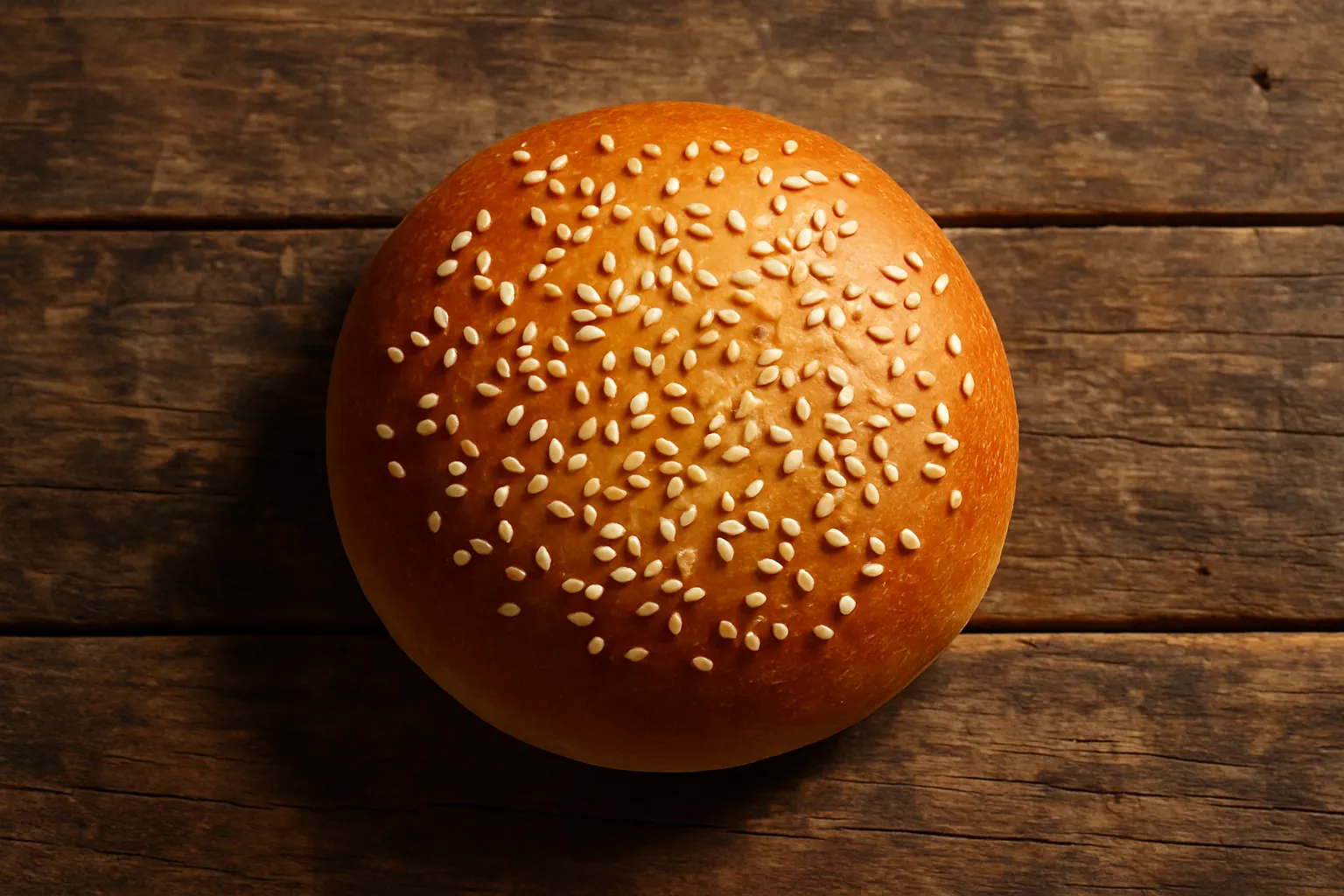
Faits Nutritionnels Rapides
Per 1 Sesame Bun (55g)
| Nutriment | Quantité |
|---|---|
| Calories | 200 kcal |
| Protéines | 7g |
| Glucides | 28g |
| Fibres | 2.5g |
| Sucres | 2g |
| Lipides | 8g |
| Calcium | 150mg |
| Fer | 2.5mg |
| Zinc | 1.8mg |
| Magnésium | 35mg |
Répartition des Macronutriments
 ChatGPT
  Claude
  AI Mode
  Perplexity
CONSEIL DU NUTRITIONNISTE
Sesame seeds sont nutritional powerhouses, providing calcium for santé osseuse, zinc for immunity, and lignans avec antioxidant properties. Le 7g protéines per bun soutient muscle maintenance, tandis que whole grain varieties offer sustained energy sans rapid glycémie spikes.
Idées Reçues
MYTHE #1: Tout Bread Causes Poids Gain
RÉALITÉ: Whole grain sesame buns avec 2.5g fibres and 7g protéines actually support perte de poids. Le fibres and protéines content augmente satiety and réduit overall calorie intake. Refined white bread causes plus poids gain que whole grain options.
MYTHE #2: Buns Sont Unhealthy Carb Sources
RÉALITÉ: Whole grain sesame buns provide complex glucides avec vitamines, minéraux, and fibres. Le 28g glucides sont packaged avec 2.5g fibres (9% DV), making them a mieux choice que refined bread. Whole grains reduce risk of heart disease and diabète.
MYTHE #3: Sesame Seeds Sont Too Élevé in Lipides
RÉALITÉ: Le 8g lipides in sesame buns comes mostly from sain unsaturated fats and lignans. Sesame seeds contain compounds ce peut help inférieur cholesterol. Ce lipides soutient nutrient absorption and hormone production.
MYTHE #4: You Cannot Eat Bread on a Diet
RÉALITÉ: Whole grain sesame buns fit perfectly in perte de poids diets. Le combination of 7g protéines, 2.5g fibres, and 200 calories fournit excellent satiety. One bun plus eggs or lean meat creates a complete, balanced meal.
MYTHE #5: Magasin-Bought Buns Sont Toujours Unhealthy
RÉALITÉ: Beaucoup quality magasin-bought whole grain sesame buns contain minimal added sucres (2g) and provide whole grain nutrition. Check labels for whole wheat as premier ingredient and at least 2.5g fibres. Homemade versions peut be healthier but aren't toujours necessary.
NutriScore par Objectifs de Santé
| Objectif de Santé | NutriScore | Pourquoi ce score? |
|---|---|---|
| Perte de Poids |  | 200 calories, 7g protéines, 2.5g fibres favorise fullness. Pair avec protéines source. Limite to 1 per jour. |
| Gain Musculaire | | Perfect post-workout glucides (28g) for glycogen replenishment, 7g protéines soutient recovery, 1.8mg zinc for testosterone. |
| Gestion du Diabète |  | Moderate GI (55-65). Choisir whole grain varieties, eat half portions, pair avec protéines/lipides. Monitor portion sizes carefully. |
| Gestion du SOPK | | 28g glucides affect insulin sensitivity. Limite to half bun, pair avec protéines and sain lipides to minimize glycemic response. |
| Nutrition de Grossesse |  | Whole grain fournit folate (30mcg), fer (2.5mg réduit anemia risk), fibres prévient constipation common in grossesse. Excellent B-vitamine source for fetal development. |
| Viral/Flu Recovery | | Easily digestible, sustained energy from complex glucides, 2.5mg fer soutient immune function, zinc for faster recovery. |
NUTRITION PERSONNALISÉE
Suivez vos repas avec NutriScan pour des NutriScores personnalisés selon tes objectifs santé !
Réponse glycémique
Understanding comment sesame buns affect your glucose sanguin aide optimize timing and pairing strategies.
Courbe de Réponse Glycémique Typique
Ce graphique montre typical glucose sanguin response for general sain individuals. Les réponses individuelles peuvent varier. Pas un conseil médical.
Comment Aplatir le Pic
Pairing sesame bun avec protéines and sain fats slows glucose absorption and fournit balanced nutrition:
- 🥚 Eggs or egg white scramble - Complete protéines prévient glycémie spike
- 🧈 Almond or peanut butter - Sain fats and protéines extend energy release
- 🥛 Greek yogurt or cottage fromage - Probiotics, protéines, and calcium
- 🥗 Leafy greens or vegetables - Fibres further slows carb absorption
Ce combination creates a complete meal avec sustained energy, mieux satiety, and minimal glycémie disruption.
Importance Culturelle
Sesame seeds have been cultivated for over 5,000 years and hold cultural importance across cuisines.
In India:
- Sesame (til) used in traditional sweets like laddus and brittles
- Makar Sankranti festival features sesame treats for strength and prosperity
- Ayurveda values sesame for warmth and nutrient density
- Used in breads, particulièrement in North Indian cuisine
Global Impact:
- Leading oilseed crop in Africa and Asia
- Ancient symbol of longevity in Asian cultures
- Increasingly popular in Western health-conscious baking
- Highly sustainable crop requiring minimal water
Comparer et Remplacer
Sesame Bun vs Similar Bread Products (Pour 100g)
| Nutriment | 🍞 Sesame Bun | 🍞 Whole Wheat Bread | 🥒 White Bread | 🍞 Multigrain Bread |
|---|---|---|---|---|
| Calories | 364 kcal | 247 kcal | 265 kcal | 285 kcal |
| Glucides | 51g | 41g | 49g | 46g |
| Fibres | 4.5g | 7g | 2.7g | 6g |
| Protéines | 13g | 9g | 9g | 11g |
| Lipides | 14.5g | 2g | 3.2g | 4g |
| Calcium | 273mg | 102mg | 180mg | 250mg |
| Fer | 4.5mg | 4.6mg | 4.7mg | 3.5mg |
| Idéal Pour | Mineral intake, satiety | Fibres, sustained energy | Quick glucides, taste preference | Balanced nutrition, variety |
Questions Fréquentes
Sont sesame buns bon for perte de poids?
Yes, whole grain sesame buns support perte de poids quand eaten in modération. At 200 calories per 55g bun, they provide 7g protéines and 2.5g fibres ce promote fullness and satiety.
Meilleur practices: Limite to 1 bun per jour, pair avec lean protéines (eggs, chicken, tofu), add vegetables to create a complete meal, and choisir whole grain varieties over refined versions.
Peut diabetics eat sesame buns?
Diabetics peut eat sesame buns in controlled portions. Whole grain varieties have modéré glycemic impact; eat half portions (27.5g, 100 calories), pair avec protéines or sain lipides, and monitor glycémie response 2 hours après eating.
Choisir buns avec whole wheat as premier ingredient and at least 2.5g fibres par portion.
Comment beaucoup protéines est in a sesame bun?
A medium sesame bun (55g) contient approximately 7 grams of protéines. Combined avec sesame seeds' plant-based amino acids, ce makes sesame buns a modéré protéines source mieux que refined white bread, supporting muscle maintenance and satiety.
Quoi sont le main bienfaits pour la santé of sesame buns?
Key Benefits:
- Mineral-Rich: Calcium from sesame soutient santé osseuse; zinc boosts immunity
- Protéines Source: 7g plant-based protéines soutient muscle and enzyme function
- Fibres for Digestion: 2.5g fibres soutient regular bowel movements and gut health
- Sustained Energy: Complex glucides provide steady energy sans spikes
- Antioxidants: Sesame lignans offer anti-inflammatory properties
- Bone Health: Calcium content soutient skeletal strength
Quand est le meilleur temps to eat a sesame bun?
Depends on your goal:
- Perte de Poids: Breakfast avec protéines (eggs, fromage) or lunch as part of balanced meal. Éviter late night.
- Gain Musculaire: Post-workout within 30 minutes avec protéines shake or yogurt.
- Diabète: Mid-morning or afternoon, toujours paired avec protéines and sain lipides.
- Energy: 1-2 hours avant physical activity.
IMPORTANT NOTE
Toujours pair sesame buns avec protéines or sain lipides to minimize glycémie spikes and maximize satiety.
Sont whole grain or regular sesame buns healthier?
Whole grain sesame buns sont significantly healthier. They contain plus fibres (typiquement 3-4g vs 1-2g), plus vitamines and minéraux, and have inférieur glycemic index.
Benefits of whole grain: Mieux for glycémie contrôle, soutient perte de poids, favorise santé digestive, fournit sustained energy. Choisir brands avec whole wheat, spelt, or oats as premier ingredient.
Comment beaucoup sesame buns devrait I eat per jour?
General Guidelines:
- 1 sesame bun quotidien - La plupart people (200 calories, modéré glucides)
- ½ sesame bun quotidien - Diabète, SOPK, or strict bas-carb diets
- 1-2 buns quotidien - Athletes, gain musculaire, élevé-activity individuals
Toujours pair avec: Protéines source, sain lipides, and vegetables for complete nutrition.
Suivez vos repas avec NutriScan application to voir comment sesame buns fit your personal nutrition goals.
Peut I eat sesame bun on an empty stomach?
Generally safe for la plupart people - fournit sustained energy due to protéines and fibres content.
Peut want to pair avec food if you have:
- Bas niveaux d'énergie: Pair avec protéines for sustained energy
- Diabète: Toujours pair avec protéines/lipides to slow glucose absorption
- Digestive sensitivity: Pair avec fluid to aid digestion
Mieux approach: Enjoy avec yogurt, fromage, eggs, or nut butter for balanced nutrition and sustained energy.


Aliments Nutritifs Similaires
4505 Chicharrones Classic Chili Salt
7 Eleven Japan Crispy Corn Cheese
Explore Plus Nutrition Tools & Resources
Alternative au plan alimentaire ChatGPT qui suit vos repas
Alternative ChatGPT coach perte de poids avec suivi
Alternative Foodvisor gratuite avec scan IA | NutriScan
App prise de poids : plan alimentaire 28 jours
Appli suivi macros qui remplit les chiffres depuis une photo
Application de jeûne intermittent : minuteur gratuit
Application Micronutriments pour Vitamines et Minéraux
Application Nutri-Score : note de chaque repas | NutriScan
Application plan alimentaire indien végé et non végé
Application plan repas prise de masse avec surplus calculé
Application suivi d'eau et de calories gratuite
Calculer les Calories des Aliments
Compteur de calories ChatGPT : alternative complète
Compteur de calories fast food qui lit le plateau
Compteur de calories gratuit avec scan photo IA | NutriScan
Compteur de Calories IA : une photo, vos macros
Compteur de Calories pour Cuisine Française - Informations Nutritionnelles Instantanées — 2026
Générateur Liste de Courses Keto
Générateur Liste de Courses Mensuelle
Jeûne intermittent femme, minuteur et suivi des repas
Nutriscan pour la Perte de Poids
Nutriscan pour le Gain de Masse Musculaire
Nutritionniste IA qui lit vos repas enregistrés
Plan alimentaire méditerranéen qui compte l'huile
Plan Alimentaire pour Hommes de 40 Ans
Plan de Régime Prise de Poids France
Plan de repas végétarien avec objectif protéines
Plan régime keto : appli 28 jours et suivi glucides
Planificateur de repas hebdomadaire avec calories