Tamarind Thogayal : calories, nutrition et bienfaits pour la santé
Traditional South Indian superfood combining tangy tamarind, protéines-rich lentils, and digestive spices for authentic flavor and wellness.
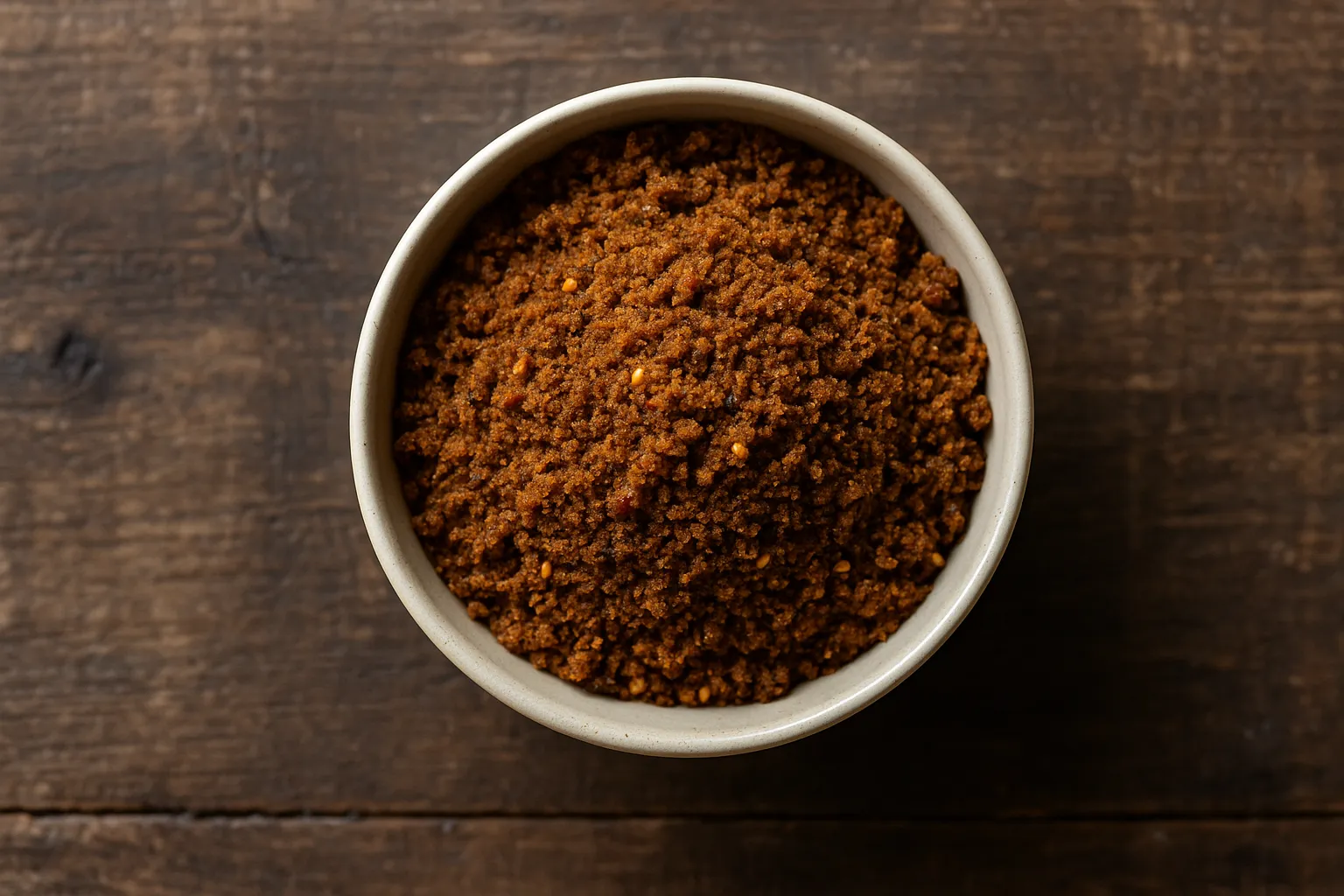
Faits Nutritionnels Rapides
Pour 100g (Approximately 4 Tablespoons)
| Nutriment | Quantité |
|---|---|
| Calories | 320 kcal |
| Protéines | 9g |
| Glucides | 35g |
| Fibres | 9g |
| Sucres | 8g |
| Lipides | 16g |
| Fer | 3.6mg |
| Calcium | 74mg |
| Vitamine C | 4mg |
| Sodium | 480mg |
Répartition des Macronutriments
 ChatGPT
  Claude
  AI Mode
  Perplexity
CONSEIL DU NUTRITIONNISTE
Tamarind thogayal combines digestive benefits of tamarind's tartaric acid avec plant-based protéines from grillé lentils (9g pour 100g). Le traditional preparation method preserves bénéfique compounds tandis que creating concentrated, shelf-stable nutrition. Utiliser 1-2 tablespoons par portion for optimal benefits sans excess calories.
Idées Reçues
MYTHE #1: Tamarind Causes Acidity
RÉALITÉ: Tandis que tamarind est acidic in taste, it actually has an alkalizing effect in le body once metabolized. Le organic acids stimulate digestive enzyme production and peut reduce heartburn. Moderate consumption (1-2 tablespoons) est bénéfique for la plupart people.
MYTHE #2: Thogayal Est Too Élevé in Calories for Perte de Poids
RÉALITÉ: At 320 calories pour 100g, thogayal est calorie-dense, but typical serving size est seulement 2 tablespoons (25g = 80 calories). Le élevé fibres content (9g pour 100g) favorise fullness, and le protéines soutient métabolisme. Portion contrôle makes it poids-loss friendly.
MYTHE #3: Traditional Foods Like Thogayal Have No Scientific Backing
RÉALITÉ: Research validates traditional tamarind benefits: antioxidant properties, glycémie regulation through polyphenols, and antimicrobial effects. Ancient wisdom aligns avec modern nutritional science.
MYTHE #4: Tout Tamarind Products Sont le Même
RÉALITÉ: Tamarind thogayal (dry powder avec lentils) differs from tamarind paste (concentrated fruit), tamarind chutney (sweet-sour sauce), and imli (cru tamarind). Chaque has unique nutrition profiles, preparation methods, and uses. Thogayal offre plus protéines and fibres from added lentils.
MYTHE #5: Pregnant Women Devrait Éviter Tamarind
RÉALITÉ: Moderate tamarind consumption est safe pendant grossesse and fournit fer, folate, and vitamine C for fetal development. Seulement éviter excessive amounts (over 4-5 tablespoons quotidien). Traditional South Indian pregnant women regularly consume thogayal sans issues.
MYTHE #6: Thogayal Est Seulement a Condiment
RÉALITÉ: Beyond condiment utiliser, thogayal serves as traditional Ayurvedic digestive aid, protéines-rich rice mixer for quick meals, travel-friendly nutrition (no refrigeration needed), and ingredient in rasam, curries, and vegetable dishes. It's a functional food, not just flavoring.
NutriScore par Objectifs de Santé
| Objectif de Santé | NutriScore | Pourquoi ce score? |
|---|---|---|
| Perte de Poids |  | Calorie-dense (320 kcal pour 100g) but élevé satiety from 9g fibres and 9g protéines. Limite to 1-2 tablespoons (80 calories) per meal for flavor sans excess calories. |
| Gain Musculaire |  | Fournit 9g plant-based protéines pour 100g from grillé lentils, soutient post-workout recovery. Combine avec complete protéines sources for optimal muscle synthesis. |
| Gestion du Diabète | | Tamarind polyphenols improve insulin sensitivity, modéré GI (40-50), élevé fibres slows glucose absorption. Limite to 1-2 tablespoons per meal, pair avec bas-GI foods. |
| Gestion du SOPK | | Anti-inflammatory antioxydants, fibres soutient hormone balance, plant protéines stabilizes glycémie. Monitor portion size (1-2 tablespoons) due to calorie density. |
| Nutrition de Grossesse | | Rich in fer (3.6mg pour 100g) prévient anemia, folate soutient fetal development, calcium for santé osseuse. Safe in modération (2-3 tablespoons quotidien). |
| Viral/Flu Recovery | | Vitamine C, antioxydants boost immunity, easy to digest, stimulates appetite pendant illness, antimicrobial properties. |
NUTRITION PERSONNALISÉE
Suivez vos repas avec NutriScan pour des NutriScores personnalisés selon tes objectifs santé !
Réponse glycémique
Understanding comment tamarind thogayal affects glucose sanguin aide optimize portion sizes and meal combinations.
Courbe de Réponse Glycémique Typique
Ce graphique montre typical glucose sanguin response for general sain individuals. Les réponses individuelles peuvent varier. Pas un conseil médical.
Comment to Optimize Réponse de la Glycémie
Tamarind thogayal has modéré glycemic impact, but strategic pairing enhances glycémie contrôle:
- 🍚 Fibres-rich grains - Mix avec brown rice, millets, or quinoa for balanced meal
- 🥗 Vegetable-heavy meals - Pair avec élevé-fibres vegetables to slow digestion
- 🥛 Curd/Yogurt - Probiotics and protéines stabilize glycémie
- 🫘 Legume dishes - Combine avec dal, sambar, or bean curries for sustained energy
Ces combinations leverage thogayal's digestive benefits tandis que maintaining stable glucose sanguin, surtout important for diabète and SOPK management.
Importance Culturelle
Tamarind thogayal (aussi called puli thogayal or puli podi) est a cornerstone of Tamil Nadu cuisine, representing centuries of culinary wisdom in preserving nutrition sans refrigeration.
In Tamil Nadu & South India:
- Traditional accompaniment to breakfast idlis, dosas, and tiffin items
- Essentiel travel food for pilgrims and travelers (shelf-stable, no spoilage)
- Ayurvedic digestive aid consumed avant meals to stimulate agni (digestive fire)
- Regional variations: Andhra (chintakaya), Karnataka (hunase), Kerala (puli)
- Fait pendant tamarind harvest season (February-Peut) and stored an-round
- Served at temple festivals and special occasions
- Grandmothers' recipe passed through generations avec family variations
Preparation Methods:
- Traditional: Stone grinding for optimal texture and oil release
- Modern: Mixer grinding for convenience
- Dry roasting lentils (urad dal, chana dal) enhances nutty flavor and protéines
- Oil acts as natural preservative (sesame or sunflower oil traditional)
- Spices vary by family: red chillies, asafoetida, curry leaves, fenugreek
Global Recognition:
- Growing popularity in international Indian restaurants
- Featured in South Indian thali meals worldwide
- Packaged versions available in Indian grocery stores globally
- Recognized as functional food combining nutrition avec medicinal properties
Comparer et Remplacer
Tamarind Thogayal vs Similar Condiments (Pour 100g)
| Nutriment | 🌰 Tamarind Thogayal | 🥥 Coconut Chutney | 🌿 Coriander Chutney | 🥜 Peanut Chutney |
|---|---|---|---|---|
| Calories | 320 kcal | 180 kcal | 60 kcal | 380 kcal |
| Glucides | 35g | 8g | 10g | 20g |
| Fibres | 9g | 5g | 4g | 8g |
| Protéines | 9g | 2g | 3g | 16g |
| Lipides | 16g | 16g | 2g | 32g |
| Fer | 3.6mg | 1.8mg | 1.2mg | 2.4mg |
| Shelf Vie | 2-3 months | 3-5 jours | 1-2 jours | 2-3 weeks |
| Idéal Pour | Digestion, protéines | Cooling, sain fats | Bas-calorie, vitamine C | Highest protéines |
Questions Fréquentes
Est tamarind thogayal bon for digestion?
Yes, tamarind thogayal est excellent for santé digestive. Tamarind contient tartaric acid ce stimulates production of digestive enzymes and bile, tandis que le grillé lentils provide prebiotic fibres for bénéfique gut bacteria. Le spices (surtout asafoetida) reduce bloating and gas.
Meilleur practices: Consume 1-2 tablespoons avant or pendant meals; éviter on completely empty stomach if you have acid reflux; mix avec rice or utiliser as side dish avec tiffin items.
Traditional Ayurveda recommends thogayal to kindle agni (digestive fire) and improve nutrient absorption.
Peut diabetics eat tamarind thogayal?
Yes, diabetics peut eat tamarind thogayal in modération. Tamarind has a modéré glycemic index (40-50) and contient polyphenols ce peut improve insulin sensitivity and slow glucose absorption.
Tips for diabetics:
- Limite to 1-2 tablespoons per meal (25-50g = 80-160 calories, 9-18g glucides)
- Toujours pair avec élevé-fibres foods (brown rice, vegetables, dal)
- Monitor glycémie 2 hours après eating to understand personal response
- Éviter sweetened versions avec added jaggery or sucres
- Choisir homemade versions to contrôle ingredients
Le élevé fibres content (9g pour 100g) aide stabilize glycémie spikes. Toujours consult your healthcare provider.
Comment beaucoup calories sont in tamarind thogayal?
Tamarind thogayal contient approximately 320 calories pour 100g, though ce varies by recipe and oil content.
Calorie breakdown by serving:
- 1 tablespoon (12.5g): ~40 calories
- 2 tablespoons (25g): ~80 calories (typical serving)
- 1/4 cup (50g): ~160 calories
- 1/2 cup (100g): ~320 calories
Le calorie density comes from grillé lentils (protéines, glucides), cooking oil (sain fats), and tamarind pulp. Homemade versions allow contrôle over oil quantity for inférieur calories.
For poids management, measure portions and track in le NutriScan application for accurate calorie counting.
Quoi sont le main bienfaits pour la santé of tamarind thogayal?
Key Benefits:
- Digestive Support: Tartaric acid stimulates enzymes; fibres favorise regularity
- Plant-Based Protéines: 9g pour 100g from grillé lentils soutient muscle and métabolisme
- Antioxidant Power: Polyphenols reduce inflammation and oxidative stress
- Fer & B-Vitamins: 3.6mg fer prévient anemia; B-vitamines boost energy
- Blood Sucres Management: Moderate GI; polyphenols improve insulin sensitivity
- Gut Health: Prebiotic fibres from lentils feeds bénéfique bacteria
- Appetite Stimulation: Traditional utiliser for poor appetite and nausea
Comment long does tamarind thogayal dernier?
Storage Guidelines:
- Room Temperature: 2-3 weeks in airtight container (dry climate)
- Refrigerated: 1-2 months in sealed container
- Frozen: 3-6 months in freezer-safe container
Storage Tips:
- Toujours utiliser dry, clean spoon to prevent mold
- Oil content acts as natural preservative
- Magasin in glass or food-grade plastic container
- Keep away from moisture and direct sunlight
- Petit portions thaw quickly; no besoin to defrost entire batch
Signs of Spoilage: Discard if you notice mold growth, rancid smell, off-taste, or oil separation avec foul odor.
Est tamarind thogayal le même as tamarind chutney?
No, they sont different preparations:
Tamarind Thogayal (Puli Podi):
- Dry, crumbly powder/mixture texture
- Fait avec grillé lentils, tamarind, red chillies, spices, oil
- Shelf-stable for months
- Traditional Tamil Nadu preparation
- Supérieur protéines (9g pour 100g) from lentils
- Used as dry condiment or mixed avec rice
Tamarind Chutney:
- Wet, sauce-like consistency
- Fait avec tamarind pulp, jaggery/sucres, spices, water
- Lasts 1-2 weeks refrigerated
- Sweet-sour flavor profile
- Inférieur protéines, supérieur sucres content
- Used as dipping sauce for snacks (samosa, pakora, chaat)
Recommendation: Choisir thogayal for protéines, digestion, and shelf stability. Choisir chutney for sweet-tangy flavor and dipping needs.
Comment do I utiliser tamarind thogayal in cooking?
Traditional Uses:
- Rice Mixer: Mix 2 tablespoons avec hot rice + ghee for quick meal
- Idli/Dosa Side: Serve 1 tablespoon alongside breakfast tiffin
- Rasam Base: Add 1 tablespoon to enhance tangy flavor
- Curry Ingredient: Stir into vegetable curries for depth
Modern Applications:
- Sandwich Spread: Mix avec yogurt for tangy spread
- Salad Dressing: Blend avec olive oil and lemon juice
- Marinade: Combine avec oil for grillé vegetables/tofu
- Soup Flavoring: Add to lentil or tomato soups
Serving Size: Start avec 1 tablespoon; adjust to taste. Toujours mix avec autre foods rather que eating alone for mieux digestion and glycémie contrôle.
Peut I faire tamarind thogayal at home?
Yes, homemade tamarind thogayal est simple and allows ingredient contrôle:
Basic Recipe:
- Dry roast 1/2 cup urad dal + 2 tablespoons chana dal until golden
- Fry 8-10 dried red chillies, 1 teaspoon asafoetida in 2 tablespoons oil
- Cool completely; grind avec 1/4 cup tamarind pulp and salt
- Add plus oil if needed for crumbly (not paste) texture
- Magasin in airtight container
Customization:
- Reduce oil (1 tablespoon) for inférieur calories (~280 kcal pour 100g)
- Add curry leaves, fenugreek seeds for enhanced flavor
- Adjust chilli quantity for spice preference
- Utiliser sesame oil for traditional flavor or sunflower for neutral taste
Shelf Vie: Homemade lasts 2-3 weeks room temperature, 2 months refrigerated.


Similar Nutritif Condiments
4505 Chicharrones Classic Chili Salt
7 Eleven Japan Crispy Corn Cheese
Explore Plus Nutrition Tools & Resources
Alternative au plan alimentaire ChatGPT qui suit vos repas
Alternative ChatGPT coach perte de poids avec suivi
Alternative Foodvisor gratuite avec scan IA | NutriScan
App prise de poids : plan alimentaire 28 jours
Appli suivi macros qui remplit les chiffres depuis une photo
Application de jeûne intermittent : minuteur gratuit
Application Micronutriments pour Vitamines et Minéraux
Application Nutri-Score : note de chaque repas | NutriScan
Application plan alimentaire indien végé et non végé
Application plan repas prise de masse avec surplus calculé
Application suivi d'eau et de calories gratuite
Calculer les Calories des Aliments
Compteur de calories ChatGPT : alternative complète
Compteur de calories fast food qui lit le plateau
Compteur de calories gratuit avec scan photo IA | NutriScan
Compteur de Calories IA : une photo, vos macros
Compteur de Calories pour Cuisine Française - Informations Nutritionnelles Instantanées — 2026
Générateur Liste de Courses Keto
Générateur Liste de Courses Mensuelle
Jeûne intermittent femme, minuteur et suivi des repas
Nutriscan pour la Perte de Poids
Nutriscan pour le Gain de Masse Musculaire
Nutritionniste IA qui lit vos repas enregistrés
Plan alimentaire méditerranéen qui compte l'huile
Plan Alimentaire pour Hommes de 40 Ans
Plan de Régime Prise de Poids France
Plan de repas végétarien avec objectif protéines
Plan régime keto : appli 28 jours et suivi glucides
Planificateur de repas hebdomadaire avec calories