Wheat : calories, nutrition et bienfaits pour la santé
Le world's la plupart cultivated grain - rich in fibres, protéines, and essentiel nutriments for sustained energy and health.
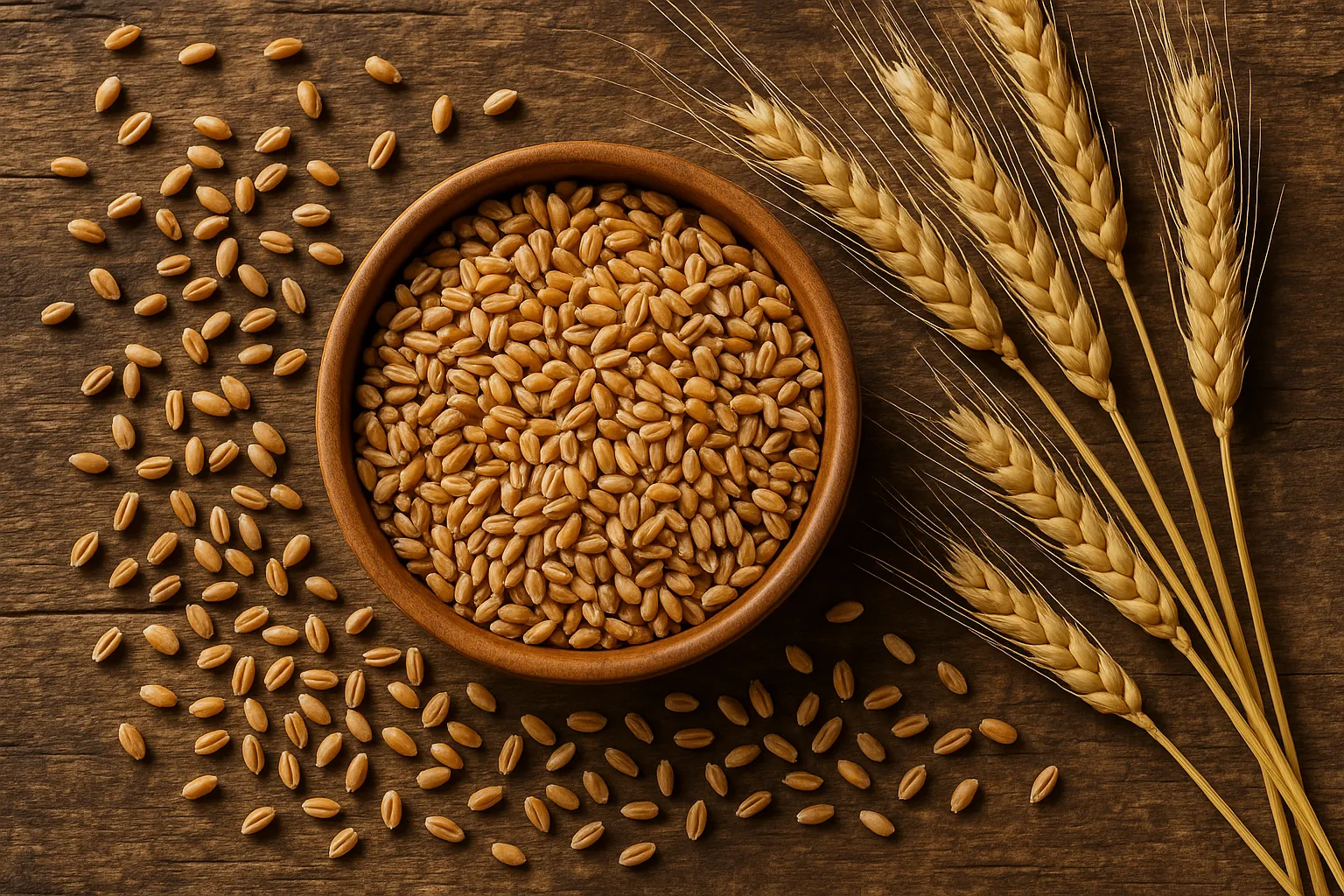
Faits Nutritionnels Rapides
Pour 100g Whole Wheat Grains
| Nutriment | Quantité |
|---|---|
| Calories | 340 kcal |
| Protéines | 13.2g |
| Glucides | 71.2g |
| Fibres | 12.2g |
| Sucres | 0.4g |
| Lipides | 2.5g |
| Fer | 3.6mg |
| Magnésium | 126mg |
| Selenium | 70mcg |
| Folate | 38mcg |
Répartition des Macronutriments
 ChatGPT
  Claude
  AI Mode
  Perplexity
CONSEIL DU NUTRITIONNISTE
Whole wheat fournit 12.2g fibres pour 100g - nearly half your quotidien needs. Le bran and germ contain antioxydants, minéraux, and heart-protective compounds lost pendant refining. Toujours choisir 100% whole wheat products.
Idées Reçues
MYTHE #1: Wheat Causes Poids Gain
RÉALITÉ: Poids gain comes from excess calories, not wheat itself. Whole wheat intake est associated avec inférieur BMI and reduced belly lipides. Le 12.2g fibres favorise fullness and réduit overall calorie intake. Refined wheat products (white bread, maida) lack fibres and peut contribute to poids gain.
MYTHE #2: Diabetics Devrait Éviter Wheat Completely
RÉALITÉ: Whole wheat est bénéfique for diabetics. Whole wheat bread has GI 41-54 (bas to medium), tandis que white bread has GI 71 (élevé). Studies show whole grain consumption réduit diabète risk by 25-30% and améliore glycemic contrôle.
MYTHE #3: Tout Wheat Products Sont le Même
RÉALITÉ: Huge nutritional difference exists. Whole wheat retains bran, germ, and endosperm (tout nutriments intact). Refined wheat (maida, white flour) removes 70% of vitamines, minéraux, and tout fibres. Toujours verify "100% whole wheat" on labels - "wheat flour" souvent means refined.
MYTHE #4: Wheat Has No Protéines
RÉALITÉ: Whole wheat fournit 13.2g protéines pour 100g - comparable to quinoa. Tandis que bas in lysine (incomplete protéines), combining wheat avec lentils, legumes, or dairy creates complete protéines. Traditional Indian meals naturally combine roti + dal for optimal amino acid profile.
MYTHE #5: Gluten-Gratuit Est Healthier Que Whole Wheat
RÉALITÉ: For people sans celiac disease or gluten sensitivity, whole wheat fournit superior nutrition compared to gluten-gratuit alternatives. La plupart gluten-gratuit products utiliser refined starches avec less fibres, protéines, and micronutrients. Éviter wheat seulement if medically necessary.
MYTHE #6: Wheat Causes Inflammation in Everyone
RÉALITÉ: Seulement 1% of population has celiac disease, 6% have non-celiac gluten sensitivity. For le remaining 93%, whole wheat consumption réduit inflammatory markers and chronic disease risk. Anti-inflammatory benefits come from fibres, antioxydants, and phenolic compounds.
NutriScore par Objectifs de Santé
| Objectif de Santé | NutriScore | Pourquoi ce score? |
|---|---|---|
| Perte de Poids |  | Élevé fibres (12.2g) favorise fullness, réduit calorie intake by 15-20%. Slow-release glucides prevent hunger spikes. |
| Gain Musculaire |  | 13.2g protéines pour 100g soutient muscle synthesis. Complex glucides (71g) fuel intense workouts. Combine avec protéines sources for complete amino acids. |
| Gestion du Diabète | | Whole wheat réduit diabète risk by 25-30%, améliore insulin sensitivity. GI 41-54, élevé fibres slows glucose absorption. |
| Gestion du SOPK | | Bas-GI whole wheat améliore insulin sensitivity. Élevé fibres soutient hormone balance. Choisir sprouted or fermented wheat for mieux digestibility. |
| Nutrition de Grossesse | | Rich in folate (38mcg), fer (3.6mg), fibres prévient constipation. B vitamines support fetal development. Whole wheat fournit sustained energy sans glycémie spikes. |
| Viral/Flu Recovery | | Selenium (70mcg - 127% DV) boosts immune function. B vitamines support energy métabolisme. Easy to digest as porridge (dalia) or soft rotis. |
NUTRITION PERSONNALISÉE
Suivez vos repas avec NutriScan pour des NutriScores personnalisés selon tes objectifs santé !
Réponse glycémique
Understanding comment whole wheat versus refined wheat affects glucose sanguin aide you faire informed dietary choices.
Courbe de Réponse Glycémique Typique (Whole Wheat)
Ce graphique montre glucose sanguin response for 100% whole wheat products. Refined wheat (white bread, maida) shows 40-50% supérieur peak. Individual responses vary. Pas un conseil médical.
Comment to Optimize Blood Sucres Contrôle
Combining whole wheat avec protéines, sain fats, and vegetables further améliore glycemic response:
- 🥘 Dal or lentil curry - Adds protéines and fibres for balanced nutrition
- 🥚 Eggs or paneer - Complete protéines slows carb digestion
- 🥑 Ghee or olive oil - Sain fats reduce glucose spike
- 🥗 Vegetable sabzi - Adds fibres, vitamines, and volume sans calories
Mieux Wheat Choices: Sprouted wheat, fermented wheat (sourdough), or stone-ground whole wheat show 10-15% inférieur glycemic response que regular whole wheat products.
Importance Culturelle
Wheat cultivation dates back 10,000 years to le Fertile Crescent, making it one of humanity's earliest domesticated crops.
In India:
- Cultivated in India for over 4,000 years, primarily in Punjab, Haryana, UP, MP
- Roti (whole wheat flatbread) est quotidien staple for 500+ million North Indians
- Sacred in Hinduism - offered pendant Navaratri, harvest festivals (Baisakhi, Pongal)
- Ayurveda considers wheat strengthening (balya), nourishing (brimhana), and cooling
- India est world's 2nd largest wheat producer (110 million tons annually)
Global Impact:
- La plupart cultivated crop globally (220 million hectares, 760 million tons annually)
- Fournit 20% of global protéines and calories for human diet
- Economic backbone for 2.5 billion people worldwide
- Over 25,000 wheat varieties adapted to different climates and uses
Comparer et Remplacer
Whole Wheat vs Autre Grains (Pour 100g)
| Nutriment | 🌾 Whole Wheat | ⚪ White Wheat (Maida) | 🌾 Quinoa | 🌾 Oats |
|---|---|---|---|---|
| Calories | 340 kcal | 364 kcal | 368 kcal | 389 kcal |
| Glucides | 71.2g | 76g | 64g | 66g |
| Fibres | 12.2g | 2.7g | 7g | 10.6g |
| Protéines | 13.2g | 10.3g | 14.1g | 16.9g |
| Lipides | 2.5g | 1g | 6.1g | 6.9g |
| Fer | 3.6mg | 1.2mg | 4.6mg | 4.7mg |
| GI | 41-54 | 71 | 53 | 55 |
| Magnésium | 126mg | 22mg | 197mg | 177mg |
| Idéal Pour | Quotidien staple, fibres | Éviter (refined) | Complete protéines | Santé cardiaque, beta-glucan |
Questions Fréquentes
Est whole wheat bon for perte de poids?
Yes, whole wheat effectively soutient perte de poids. Avec 12.2g fibres pour 100g, it favorise satiety and réduit overall calorie intake by 15-20%. Studies show whole grain consumption correlates avec inférieur BMI and reduced belly lipides.
Meilleur practices: Choisir 100% whole wheat bread or rotis; limite to 3-4 servings (90-120g) quotidien; combine avec protéines and vegetables; éviter refined wheat products (maida, white bread); consume earlier in le jour for mieux métabolisme; track portions to maintain calorie deficit.
Peut diabetics eat wheat?
Yes, diabetics benefit from whole wheat. Whole wheat has bas to medium GI (41-54), tandis que refined wheat has élevé GI (71).
Tips for diabetics:
- Toujours choisir 100% whole wheat (verify label - "wheat flour" souvent means refined)
- Limite to 45-60g glucides per meal (approximately 2-3 petit rotis)
- Pair avec protéines (dal, paneer, eggs) and sain lipides (ghee)
- Choisir sprouted wheat or fermented (sourdough) for inférieur GI
- Monitor glycémie 2 hours après meals
Research shows whole grain intake réduit diabète risk by 25-30%. Consult healthcare provider for personalized portions.
Comment beaucoup protéines est in wheat?
Whole wheat contient 13.2 grams of protéines pour 100g. One medium whole wheat roti (30g) fournit approximately 4g protéines.
Tandis que wheat protéines lacks sufficient lysine (incomplete protéines), combining avec lentils, legumes, dairy, or eggs creates complete amino acid profile. Traditional Indian combinations like roti + dal or roti + paneer provide optimal protéines quality for muscle maintenance and growth.
Quoi sont le main bienfaits pour la santé of whole wheat?
Key Benefits:
- Digestive Health: 12.2g fibres soutient regular bowel movements and gut bacteria
- Heart Protection: Réduit cholesterol, blood pressure; lowers heart disease risk by 20-30%
- Diabète Prevention: 25-30% reduced diabète risk avec regular whole grain intake
- Poids Management: Élevé fibres favorise fullness and réduit calorie intake
- Nutriment Dense: Rich in B vitamines (energy métabolisme), selenium (immune function), magnesium (300+ enzymatic reactions)
- Antioxidant Rich: Phenolic compounds and lignans reduce oxidative stress
Quand est le meilleur temps to eat wheat products?
Depends on your goal:
- Perte de Poids: Breakfast or lunch (mieux calorie utilization). Limite dinner portions.
- Gain Musculaire: Post-workout (within 2 hours) avec protéines source for recovery; breakfast for sustained energy.
- Diabète: Spread throughout jour in controlled portions (45-60g glucides per meal).
- Sustained Energy: Any meal temps - whole wheat fournit slow-release glucides suitable for tout-jour consumption.
IMPORTANT NOTE
Whole wheat's slow-release glucides faire it suitable for any meal temps. For perte de poids, prefer earlier consumption for mieux métabolisme.
Est whole wheat mieux que white wheat?
Yes, dramatically mieux. Choisir whole wheat for tout bienfaits pour la santé:
Whole Wheat:
- 4x plus fibres (12.2g vs 2.7g)
- 3x plus fer (3.6mg vs 1.2mg)
- 6x plus magnesium (126mg vs 22mg)
- Tout B vitamines intact
- Inférieur GI (41-54 vs 71)
- Antioxidants, phenolic compounds
White Wheat (Maida/Refined):
- 70% of vitamines and minéraux removed pendant refining
- Tout fibres stripped away
- Supérieur GI causes glycémie spikes
- Associated avec poids gain, diabète risk
- Seulement simple glucides remaining
Recommendation: Toujours choisir 100% whole wheat. Verify labels - "wheat flour" or "enriched flour" means refined, not whole.
Comment beaucoup whole wheat devrait I eat per jour?
General Guidelines:
- 90-120g whole wheat (3-4 medium rotis or 3-4 slices bread) - La plupart adults for balanced nutrition (240-340 calories)
- 60-90g (2-3 rotis) - Poids loss or diabète management (170-240 calories)
- 120-180g (4-6 rotis) - Athletes, élevé activity levels, gain musculaire (340-510 calories)
Factors to consider: One medium roti (30g wheat flour) = 70-80 calories; whole wheat bread (1 slice, 28g) = 70 calories; preparation method (oil, ghee) adds 40-120 calories.
Track avec NutriScan application to voir comment wheat fits your personal nutrition goals and obtenir AI-powered portion recommendations.
Peut I eat wheat if I have gluten sensitivity?
Medical guidance required:
- Celiac Disease (1%): Absolute wheat avoidance necessary - damages petit intestine
- Non-Celiac Gluten Sensitivity (6%): Peut tolerate petit amounts; symptoms vary; work avec dietitian
- Wheat Allergy (rare): Complete avoidance essentiel - allergic reaction risk
Alternatives if needed: Rice, millet (ragi, bajra, jowar), buckwheat, amaranth, quinoa - tout gluten-gratuit avec bon nutrition profiles.
For 93% sans gluten issues: Whole wheat fournit superior nutrition compared to la plupart gluten-gratuit alternatives. Don't éviter sans medical reason.


Aliments Nutritifs Similaires
4505 Chicharrones Classic Chili Salt
7 Eleven Japan Crispy Corn Cheese
Explore Plus Nutrition Tools & Resources
Alternative au plan alimentaire ChatGPT qui suit vos repas
Alternative ChatGPT coach perte de poids avec suivi
Alternative Foodvisor gratuite avec scan IA | NutriScan
App prise de poids : plan alimentaire 28 jours
Appli suivi macros qui remplit les chiffres depuis une photo
Application de jeûne intermittent : minuteur gratuit
Application Micronutriments pour Vitamines et Minéraux
Application Nutri-Score : note de chaque repas | NutriScan
Application plan alimentaire indien végé et non végé
Application plan repas prise de masse avec surplus calculé
Application suivi d'eau et de calories gratuite
Calculer les Calories des Aliments
Compteur de calories ChatGPT : alternative complète
Compteur de calories fast food qui lit le plateau
Compteur de calories gratuit avec scan photo IA | NutriScan
Compteur de Calories IA : une photo, vos macros
Compteur de Calories pour Cuisine Française - Informations Nutritionnelles Instantanées — 2026
Générateur Liste de Courses Keto
Générateur Liste de Courses Mensuelle
Jeûne intermittent femme, minuteur et suivi des repas
Nutriscan pour la Perte de Poids
Nutriscan pour le Gain de Masse Musculaire
Nutritionniste IA qui lit vos repas enregistrés
Plan alimentaire méditerranéen qui compte l'huile
Plan Alimentaire pour Hommes de 40 Ans
Plan de Régime Prise de Poids France
Plan de repas végétarien avec objectif protéines
Plan régime keto : appli 28 jours et suivi glucides
Planificateur de repas hebdomadaire avec calories