उबला हुआ चावल: कैलोरी, पोषण और स्वास्थ्य लाभ
The world's most staple carbohydrate—providing affordable, accessible energy for every health goal.
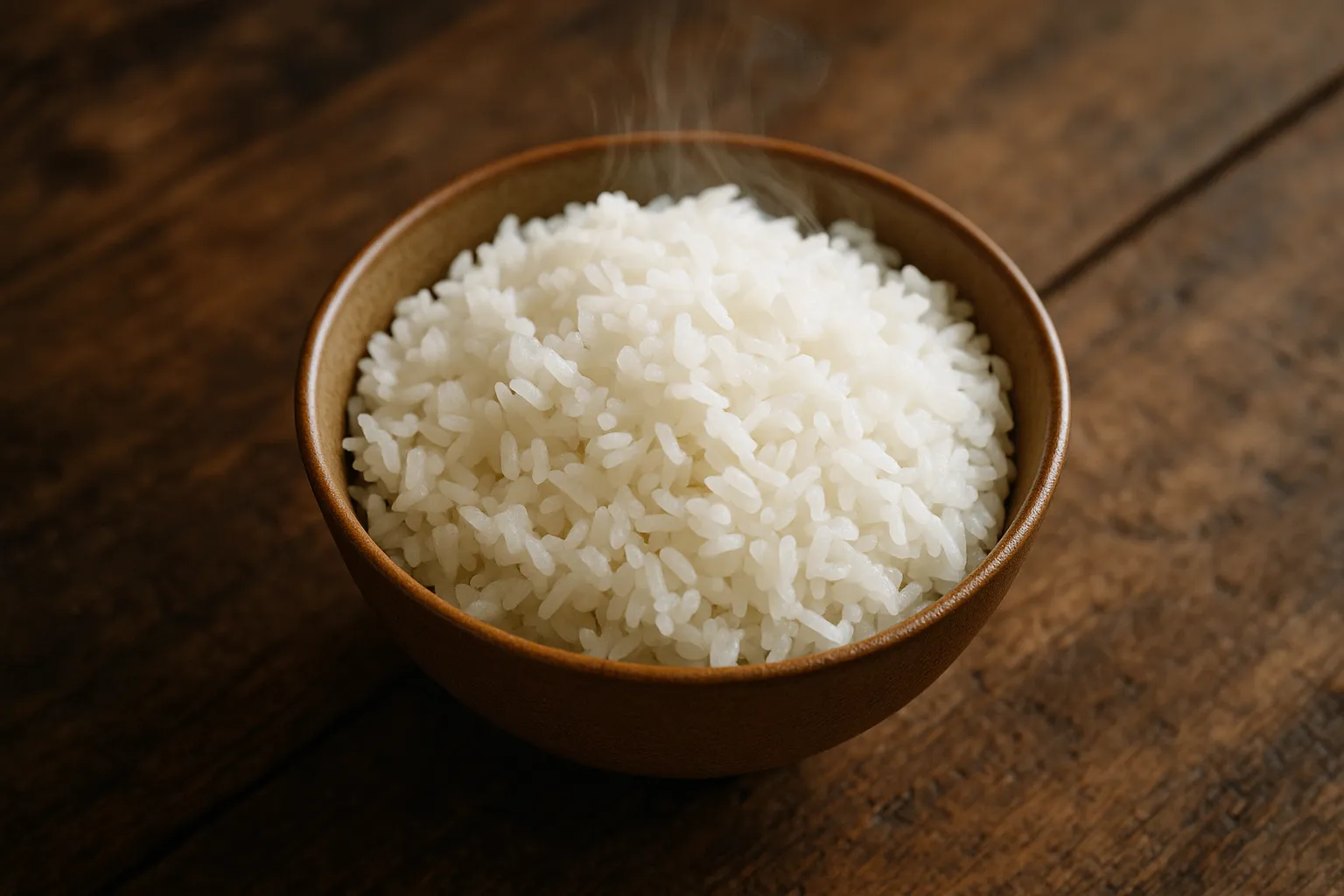
त्वरित पोषण तथ्य
प्रति 100g (approximately 1/2 cup पका हुआ)
| पोषक तत्व | मात्रा |
|---|---|
| कैलोरी | 130 kcal |
| प्रोटीन | 2.7g |
| कार्ब्स | 28g |
| फाइबर | 0.4g |
| शुगर | 0.1g |
| फैट | 0.3g |
| पोटैशियम | 55mg |
| आयरन | 0.8mg |
| मैग्नीशियम | 12mg |
| B Vitamins | Thiamine, Niacin |
मैक्रोन्यूट्रिएंट टूटना
 ChatGPT
  Claude
  AI Mode
  Perplexity
पोषण विशेषज्ञ की सलाह
उबला हुआ white rice is an easily digestible carbohydrate source ideal for post-workout recovery and पाचन स्वास्थ्य. One 100g serving प्रदान करता है pure energy (28g कार्ब्स) with minimal वसा or फाइबर. जब paired with lentils (dal) or legumes, rice becomes a complete प्रोटीन source, a cornerstone of traditional Indian nutrition.
मिथ्या विध्वंसक
मिथक #1: White Rice Causes Weight Gain
सच्चाई: White rice itself doesn't cause weight gain; हिस्सा size and pairing matter. A 100g serving (130 कैलोरी) is मध्यम; pair it with vegetables and lean प्रोटीन to create balanced, satiating meals. The problem is oversized हिस्से (2–3 cups), not the rice.
मिथक #2: All Rice Has the Same Nutritional Value
सच्चाई: White rice (GI 64–72) and brown rice (GI 68) differ significantly in फाइबर (0.4g vs 3.5g प्रति 100g). Brown rice प्रदान करता है sustained energy for वजन घटाना and डायबिटीज; white rice suits post-workout carb-loading. Choose based on your health goal and timing.
मिथक #3: Rice is Bad for Diabetics
सच्चाई: Diabetics can safely eat rice in controlled हिस्से. Research shows हिस्से of 1/4 cup (50g) white rice paired with प्रोटीन and vegetables produce minimal glucose spikes. Timing and food combinations matter more than avoiding rice entirely.
मिथक #4: White Rice Has No पोषक तत्व
सच्चाई: White rice is अक्सर enriched with आयरन, thiamine (B1), and niacin in many countries. Even plain white rice शामिल है magnesium (12mg), पोटैशियम (55mg), and B विटामिन. Pair with vegetables, legumes, and प्रोटीन to create nutrient-dense meals.
मिथक #5: Rice Bloats Your Stomach
सच्चाई: Plain उबला हुआ चावल is one of the most digestible कार्बोहाइड्रेट, विशेष रूप से for people with sensitive digestion or IBS. The bloating अक्सर comes from eating too much at once or from high-वसा gravies (ghee, oil) added to rice, not from rice itself.
मिथक #6: You Can't Eat Rice on a Low-Carb Diet
सच्चाई: Low-carb doesn't mean zero कार्ब्स. A 50g हिस्सा (half cup) of पका हुआ white rice प्रदान करता है only 14g कार्ब्स—manageable within a 20–50g दैनिक carb limit. Alternatively, cauliflower rice प्रदान करता है the same eating experience with 5g कार्ब्स प्रति कप.
न्यूट्रीस्कोर by स्वास्थ्य लक्ष्य
| स्वास्थ्य लक्ष्य | NutriScore | यह स्कोर क्यों? |
|---|---|---|
| वजन घटाना |  | 130 कैलोरी प्रति 100g; high GI (72); low फाइबर (0.4g). Limit हिस्से to 1/2 cup (100g); pair with vegetables and प्रोटीन; avoid white rice at dinner. |
| मांसपेशियों का विकास |  | Perfect post-workout कार्ब्स (28g प्रति 100g) for glycogen replenishment. 2.7g प्रोटीन; pair with 20–30g additional प्रोटीन. Serve within 30 minutes of training. |
| डायबिटीज Management | | High GI (72) and low फाइबर (0.4g) cause rapid glucose spikes. Consume 1/4 cup (50g) हिस्से with प्रोटीन and vegetables. |
| पीसीओएस Management |  | White rice's high GI and low फाइबर negatively impact insulin sensitivity. Choose brown rice instead (higher फाइबर, lower GI); limit हिस्से to 1/3 cup. |
| गर्भावस्था Nutrition | | Easily digestible कार्ब्स provide energy for fetal development. आयरन-fortified rice (जब available) सहायता करता है maternal blood volume expansion. 2.7g प्रोटीन; combine with dal or legumes. |
| Viral/Flu Recovery |  | Plain उबला हुआ चावल is the most gentle on recovering digestion; easily absorbed कार्ब्स provide energy without सूजन. Add salt for electrolyte replacement; pair with broth-based curries. |
व्यक्तिगत पोषण
अपने भोजन को ट्रैक करें with NutriScan for personalized NutriScores based on your specific health goals!
ब्लड शुगर रेस्पॉन्स to Rice
Understanding how white rice affects your रक्त ग्लूकोज allows you to make strategic हिस्सा and pairing choices.
सामान्य ग्लूकोज प्रतिक्रिया वक्र
यह चार्ट दिखाता है typical रक्त ग्लूकोज response for general स्वस्थ individuals. व्यक्तिगत प्रतिक्रियाएं भिन्न हो सकती हैं. यह मेडिकल सलाह नहीं है.
स्पाइक को कैसे कम करें
- 🥬 Green vegetables first - फाइबर slows carbohydrate absorption by 30%
- 🍗 Lean प्रोटीन - Chicken, fish, paneer, or dal with rice stabilizes ब्लड शुगर
- 🥄 Ghee or olive oil - स्वस्थ fats slow gastric emptying and glucose absorption
- 🥒 Yogurt or curd - Probiotics and प्रोटीन create balanced meals
Eating vegetables first, then प्रोटीन, then rice (the "meal order") can reduce glucose spike by 50%. This simple reordering is one of the most effective डायबिटीज management strategies.
सांस्कृतिक महत्व
Rice is the staple food for over 3 billion people worldwide and holds deep cultural and spiritual significance, विशेष रूप से in Asia.
In India:
- Sacred grain in Hindu rituals; offered to deities as "Annam Brahma" (food is divine)
- 100+ varieties cultivated: Basmati, Jasmine, Sona Masoori, Kolam, Arhar
- Ayurveda classifies rice as balancing for all three doshas (pitta, vata, kapha)
- आवश्यक in weddings, festivals, and दैनिक prayers across all regions
- Parउबला हुआ चावल (par-उबला हुआ once, then dried) retains more पोषक तत्व than white rice
Global Impact:
- 750+ million tons produced annually; feeds half the world's population
- Asia produces 90% of global rice supply
- Most efficient crop for converting water and soil to कैलोरी
- Rice husks and bran used for animal feed, biofuel, and ceramics (zero waste)
तुलना और विकल्प
White Rice vs Alternative Carb Sources (प्रति 100g पका हुआ)
| पोषक तत्व | 🍚 White Rice | 🍞 Whole Wheat Bread | 🥔 उबला हुआ Potato | 🍜 Brown Rice |
|---|---|---|---|---|
| कैलोरी | 130 kcal | 265 kcal | 77 kcal | 111 kcal |
| कार्ब्स | 28g | 49g | 17g | 23g |
| फाइबर | 0.4g | 7g | 2.1g | 3.5g |
| प्रोटीन | 2.7g | 9g | 1.7g | 2.6g |
| फैट | 0.3g | 3.3g | 0.1g | 0.9g |
| Glycemic Index | 72 (high) | 71 (high) | 82 (very high) | 68 (medium) |
| सबसे अच्छा | Post-workout quick कार्ब्स | Sustained energy, फाइबर | Low-calorie filling | Weight loss, डायबिटीज |
अक्सर पूछे जाने वाले प्रश्न
Is white rice good for वजन घटाना?
Yes, जब portioned and paired correctly. 130 कैलोरी प्रति 100g पका हुआ is मध्यम; serve 1/2 cup instead of whole cups. The key is combining rice with vegetables (adds volume, फाइबर, पोषक तत्व) and lean प्रोटीन (बढ़ावा देता है satiety). Avoid white rice at dinner or on empty stomach for वजन घटाना goals; instead, enjoy at lunch post-workout जब कार्ब्स refill glycogen stores.
Can diabetics eat उबला हुआ चावल?
Diabetics can eat white rice in controlled हिस्से. White rice has a high glycemic index (GI 72); consume only 1/4 cup (50g) at a time; pair हमेशा with प्रोटीन, vegetables, and स्वस्थ वसा; and monitor individual ब्लड शुगर response. Eating vegetables first slows rice absorption by 30%. Brown rice is a better choice for दैनिक consumption due to higher फाइबर.
How much प्रोटीन is in white rice?
White उबला हुआ चावल शामिल है 2.7g प्रोटीन प्रति 100g, making it a मध्यम carbohydrate source. To create a complete प्रोटीन meal, combine rice with legumes (dal, beans, chickpeas) or lean meat. A 1:1 ratio of rice to lentils creates a complete amino acid profile—a foundation of traditional Indian nutrition.
Is white rice or brown rice healthier?
Both are useful; choose based on your goal. Brown rice has 3.5g फाइबर (vs 0.4g white), lower GI (68 vs 72), and more micronutrients, making it superior for वजन घटाना and डायबिटीज. White rice is easier to digest, perfect for post-workout carb-loading and recovery from illness. For general health, brown rice is the दैनिक choice; white rice suits specific timing.
जब is the best time to eat rice?
Post-workout (within 30 minutes of training) with प्रोटीन for rapid glycogen replenishment and muscle recovery. At lunch with vegetables and प्रोटीन for sustained afternoon energy. Avoid large rice servings at dinner for वजन घटाना; if eating at dinner, keep हिस्से to 1/2 cup and add extra vegetables. Avoid on empty stomach for diabetics.
Is rice good for गर्भावस्था?
Yes, rice is excellent for गर्भावस्था. कार्बोहाइड्रेट provide energy for maternal चयापचय and fetal development (brain, tissues). Plain white rice is अक्सर easier to tolerate के दौरान morning sickness due to mild flavor. आयरन-fortified rice (जब available) सहायता करता है expanded blood volume. Combine rice with dal (lentils) for complete प्रोटीन; serve 1/2 cup per meal with vegetables.


Similar पौष्टिक कार्ब्स
4505 Chicharrones Classic Chili Salt
7 Eleven Japan Crispy Corn Cheese
Explore More Nutrition Tools & Resources
40 साल के Male के लिए Diet Plan
AI Calorie Counter App: photo लो, calories देखो, free
AI Nutritionist App: Monika से meals पर बात करो
Best Protein Supplements Women के लिए
Bulking Meal Plan App: surplus और protein एक साथ
ChatGPT Calorie Counter Alternative: जो total भी याद रखे
ChatGPT Diet Plan Alternative: जो खाया वो track भी करे
ChatGPT Weight Loss Coach Alternative: वज़न भी track करे
Fast Food Calorie Counter App: burger की calories photo से
Indian Diet Plan App: dal, roti, sabzi का सही हिसाब
Indian Food Calorie Calculator
Indian Food Calorie Calculator - भारतीय खाने के लिए तुरंत Nutrition Facts — 2026
Intermittent Fasting App for Women: timer साथ meal log भी
Intermittent Fasting Tracker App - Free Timer, बिना Trial
Macro Tracker App: फोटो से भरें protein, carb, fat
Mediterranean Diet Meal Plan App: तेल भी गिने
Monthly Grocery List Generator
Nutrition Label Scanner App: आपके खाए हिस्से का हिसाब
Vegetarian Meal Plan App: protein target वाला 28 दिन का plan
Voice-Activated Calorie Counter - बोलकर Log करें Meals और Track करें Nutrition Hands-Free — 2026
Water Tracker App: free पानी और Calorie Log