Plant प्रोटीन: कैलोरी, पोषण और स्वास्थ्य लाभ
Sustainable, complete प्रोटीन sources from tofu, tempeh, legumes, and more for every health goal.
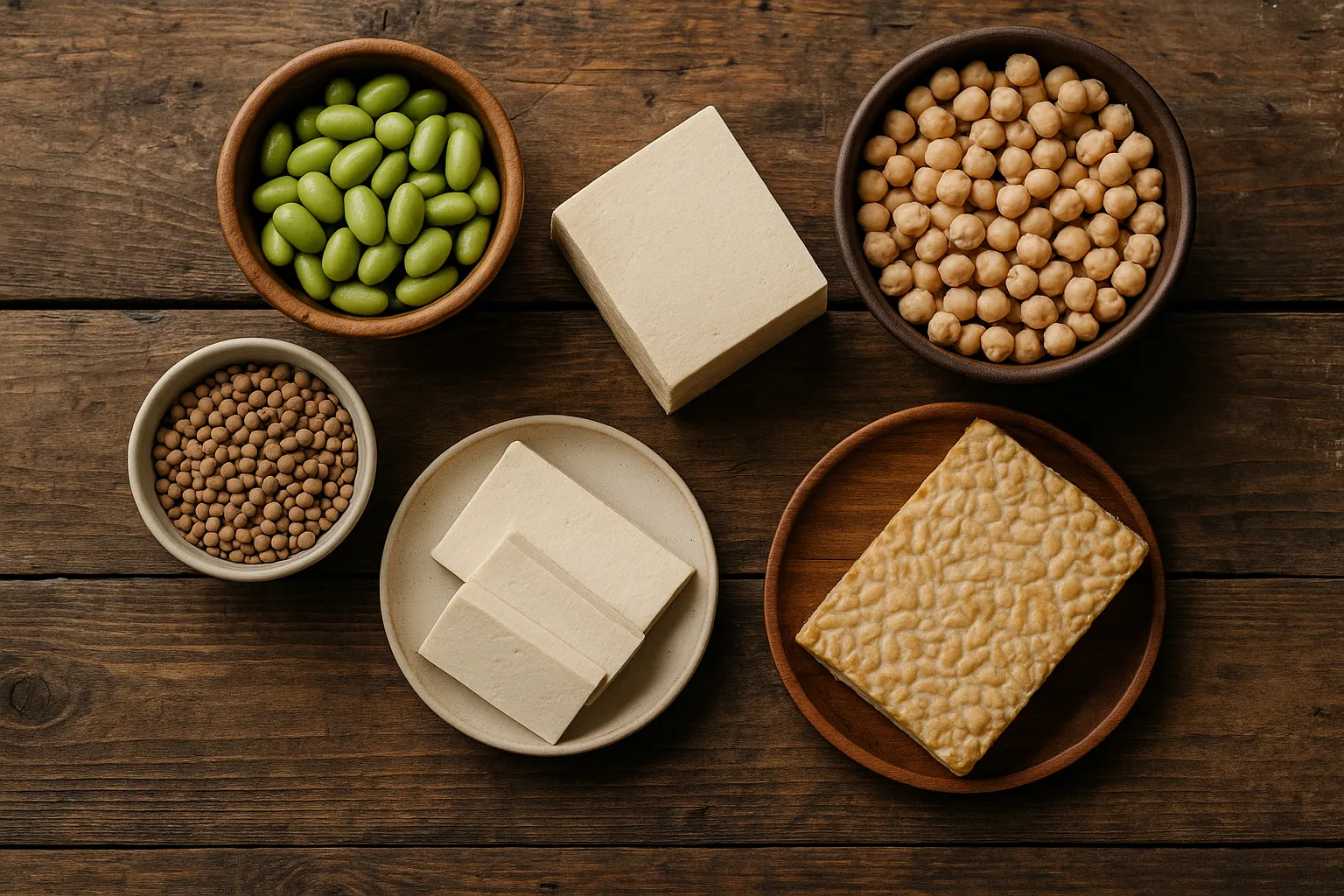
झटपट न्यूट्रिशन फैक्ट्स
प्रति 100g Firm Tofu
| पोषक तत्व | मात्रा |
|---|---|
| कैलोरी | 144 kcal |
| प्रोटीन | 17g |
| कार्बोहाइड्रेट | 3g |
| फाइबर | 2g |
| शुगर | 1g |
| वसा | 9g |
| कैल्शियम | 350mg |
| आयरन | 2.7mg |
| मैग्नीशियम | 58mg |
| जिंक | 1.6mg |
मैक्रोन्यूट्रिएंट ब्रेकडाउन
 ChatGPT
  Claude
  AI Mode
  Perplexity
पोषण विशेषज्ञ की सलाह
Plant proteins provide complete nutrition जब varied throughout the day. Tofu and tempeh are complete proteins containing all nine आवश्यक amino acids. The आयरन in plant proteins is enhanced 3-4x जब paired with विटामिन C sources.
मिथक बनाम सच
मिथक #1: Plant प्रोटीन Is Incomplete
सच्चाई: Soy proteins (tofu, tempeh, edamame) are complete proteins with all 9 आवश्यक amino acids. Other plant proteins become complete जब varied throughout the day - no need to combine in one meal.
मिथक #2: You Can't Build Muscle on Plant प्रोटीन
सच्चाई: Plant-based athletes achieve similar मांसपेशी वृद्धिs as omnivores जब consuming adequate प्रोटीन (1.6-2.2g/kg body weight). The key is total प्रोटीन intake, not source. Vegan bodybuilders prove this दैनिक.
मिथक #3: Plant प्रोटीन Causes Estrogen Dominance
सच्चाई: Soy phytoestrogens don't affect testosterone or estrogen levels in men. Multiple studies show no feminization effects. In fact, soy may reduce prostate cancer risk. Safe for men and women.
मिथक #4: Plant प्रोटीन Is Hard to Digest
सच्चाई: Digestibility varies by source. Tofu and tempeh (fermented) are 90-95% digestible, similar to meat. The फाइबर in legumes can cause gas initially, but gut adaptation occurs within 2-3 weeks of regular consumption.
मिथक #5: Plant Proteins Are Low in आवश्यक पोषक तत्व
सच्चाई: Plant proteins provide आयरन, calcium, zinc, and magnesium. Tofu has 350mg calcium प्रति 100g (35% दैनिक मूल्य). The nutrient profile अक्सर exceeds animal proteins, with added benefits of फाइबर and phytonutrients.
मिथक #6: You Need Dairy for Strong Bones
सच्चाई: Plant proteins fortified with calcium (tofu, plant milk) provide excellent bone support. Studies show vegan diets with adequate calcium maintain bone density. The key is total calcium intake (1000-1200mg/day), not source.
हेल्थ गोल्स के हिसाब से न्यूट्रीस्कोर
| स्वास्थ्य लक्ष्य | NutriScore | यह स्कोर क्यों? |
|---|---|---|
| वजन घटाना |  | Low calorie density, high satiety from प्रोटीन + फाइबर. Tofu प्रदान करता है 17g प्रोटीन for only 144 कैलोरी. |
| मांसपेशी वृद्धि | | Complete amino acid profile in soy proteins. 17-19g प्रोटीन प्रति 100g in tofu/tempeh सहायता करता है muscle synthesis. |
| डायबिटीज प्रबंधन | | Low glycemic impact, minimal कार्ब्स. The फाइबर and प्रोटीन improve insulin sensitivity. |
| पीसीओएस प्रबंधन | | Anti-inflammatory properties, hormone-balancing phytoestrogens improve पीसीओएस markers. |
| गर्भावस्था पोषण | | Rich in folate, आयरन, calcium. Soy proteins safe के दौरान गर्भावस्था with added cardiovascular benefits. |
| Viral/Flu Recovery |  | Complete प्रोटीन for immune repair, zinc for immunity. Easy to digest जब पका हुआ soft. |
व्यक्तिगत पोषण
अपने भोजन को ट्रैक करें with NutriScan for personalized NutriScores based on your specific health goals!
ब्लड शुगर रेस्पॉन्स to Plant प्रोटीन
Understanding how plant proteins affect रक्त ग्लूकोज मदद करता है with meal planning and पोर्शन कंट्रोल.
सामान्य ग्लूकोज प्रतिक्रिया वक्र
यह चार्ट दिखाता है typical रक्त ग्लूकोज response for general स्वस्थ individuals. व्यक्तिगत प्रतिक्रियाएं भिन्न हो सकती हैं. यह मेडिकल सलाह नहीं है.
कैसे करें: Optimize Absorption
Plant proteins have minimal glycemic impact, but pairing strategically enhances nutrient absorption:
- 🍋 विटामिन C sources (lemon, tomato, bell pepper) - बढ़ाता है आयरन absorption 3-4x
- 🥬 Leafy greens (spinach, kale) - प्रदान करता है विटामिन K and calcium for हड्डियों का स्वास्थ्य
- 🍚 Whole grains (brown rice, quinoa) - Complete amino acid profile जब combined
- 🥑 स्वस्थ fats (avocado, nuts, olive oil) - Enhances absorption of वसा-soluble विटामिन
This combination maximizes nutrient bioavailability जबकि maintaining stable ब्लड शुगर levels throughout the day.
सांस्कृतिक महत्व
Plant proteins have sustained civilizations for millennia, with each culture developing unique preparation methods.
In India:
- Paneer, tofu, and dal are dietary staples providing 40-60% of प्रोटीन intake
- Ayurvedic tradition: legumes balance doshas and provide grounding energy
- Religious significance: आवश्यक प्रोटीन source के दौरान fasting periods
- Regional specialties: Bengali chholar dal, Punjabi rajma, South Indian sambar
Global Impact:
- Soy cultivation dates back 5,000 years in China
- Tofu invented के दौरान Han Dynasty (206 BCE - 220 CE)
- Buddhist monks spread tofu across Asia as meat alternative
- Modern resurgence: plant प्रोटीन market growing 14% annually
तुलना और विकल्प
Plant प्रोटीन Sources (प्रति 100g)
| पोषक तत्व | 🥔 Tofu | 🌾 Tempeh | 🫘 Lentils (पका हुआ) | 🥜 Peanut Butter |
|---|---|---|---|---|
| कैलोरी | 144 kcal | 193 kcal | 116 kcal | 588 kcal |
| कार्ब्स | 3g | 9g | 20g | 20g |
| फाइबर | 2g | 5g | 8g | 6g |
| प्रोटीन | 17g | 19g | 9g | 25g |
| वसा | 9g | 11g | 0.4g | 50g |
| आयरन | 2.7mg | 2.7mg | 3.3mg | 1.9mg |
| कैल्शियम | 350mg | 111mg | 19mg | 49mg |
| जिंक | 1.6mg | 1.8mg | 1.3mg | 2.5mg |
| सबसे अच्छा | Low-carb, versatile | Fermented gut health | High फाइबर, budget | High कैलोरी, taste |
अक्सर पूछे सवाल
Is plant प्रोटीन good for मांसपेशी वृद्धि?
Yes, plant प्रोटीन effectively builds muscle जब consumed in adequate amounts and varied sources. Tofu प्रदान करता है 17g प्रोटीन प्रति 100g, tempeh 19g.
Best practices for मांसपेशी वृद्धि:
- Target 1.6-2.2g प्रोटीन per kg body weight दैनिक
- Combine complementary sources throughout day (soy, legumes, grains, nuts)
- Time प्रोटीन intake: within 2 hours post-workout for optimal synthesis
- Consider plant-based प्रोटीन powder for convenience (20-25g per scoop)
Studies show plant-based athletes achieve similar मांसपेशी वृद्धिs as omnivores जब total प्रोटीन intake is matched.
Can plant प्रोटीन help with वजन घटाना?
Plant proteins excel for वजन घटाना through high satiety, lower calorie density, and फाइबर content. Tofu has only 144 कैलोरी प्रति 100g with 17g प्रोटीन.
Weight loss strategies:
- Include plant प्रोटीन with every meal to maintain fullness
- Use tofu/tempeh as low-calorie meat substitutes (save 50-100 कैलोरी प्रति सर्विंग)
- The फाइबर in legumes कम करता है overall calorie absorption by 5-10%
- Thermic effect: plant proteins burn 20-30% of कैलोरी के दौरान digestion
अनुशंसित intake: 25-30g प्रोटीन per meal for optimal satiety and muscle preservation के दौरान वजन घटाना.
How much plant प्रोटीन do I need दैनिक?
Minimum Requirements:
- Sedentary adults: 0.8g per kg body weight (56g for 70kg person)
- Active individuals: 1.2-1.4g per kg
- Athletes/मांसपेशी वृद्धि: 1.6-2.2g per kg
- गर्भावस्था: Add 25g to baseline requirements
For vegans: Aim for the higher end due to slightly lower digestibility (85-95% vs 95-100% for animal proteins).
Practical example: 70kg vegan athlete needs 112-154g दैनिक. This equals: 200g tofu (34g) + 1 cup पका हुआ lentils (18g) + 2 tbsp peanut butter (8g) + प्रोटीन shake (20g) + snacks (32g).
What are the best plant प्रोटीन sources?
Top 10 Plant Proteins (प्रति 100g):
- Hemp seeds: 32g प्रोटीन, complete amino acids
- Peanut butter: 25g प्रोटीन, versatile
- Tempeh: 19g प्रोटीन, fermented for gut health
- Tofu: 17g प्रोटीन, low-carb, versatile
- Edamame: 11g प्रोटीन, complete amino acids
- Lentils: 9g पका हुआ, high फाइबर, budget-friendly
- Chickpeas: 9g पका हुआ, versatile in meals
- Quinoa: 4g पका हुआ, complete प्रोटीन grain
- Nutritional yeast: 50g प्रति 100g, B12 fortified
- Spirulina: 57g प्रति 100g, superfood but small servings
Complete proteins (all 9 आवश्यक amino acids): Soy (tofu, tempeh, edamame), quinoa, hemp, chia.
जब is the best time to eat plant प्रोटीन?
Depends on your goal:
- मांसपेशी वृद्धि: Within 2 hours post-workout (प्रोटीन synthesis window). Also consume 20-30g पहले bed for overnight muscle repair.
- वजन घटाना: With every meal (3-5 times दैनिक) to maintain satiety and preserve muscle mass.
- Vegan Athletes: Distribute across 4-5 meals for continuous amino acid availability.
- General Health: Spread throughout day (breakfast, lunch, dinner, snacks) for optimal utilization.
IMPORTANT NOTE
Unlike animal proteins with faster digestion, plant proteins benefit from distribution across multiple meals for complete amino acid coverage.
Do I need to combine plant proteins?
Not in a single meal - your body pools amino acids throughout the day.
Modern Understanding:
- The "complete प्रोटीन at every meal" myth is outdated
- Eating varied plant proteins over 24 hours प्रदान करता है all आवश्यक amino acids
- Exception: Soy proteins (tofu, tempeh, edamame) are already complete
Classic Combinations (optional for convenience):
- Rice + beans (complete amino acid profile)
- Hummus + whole wheat pita
- Peanut butter + whole grain bread
- Lentil curry + brown rice
Practical advice: Focus on variety throughout the week rather than perfect combinations in every meal. Track with NutriScan app to ensure adequate total प्रोटीन intake.
Are there any side effects of plant प्रोटीन?
Most people tolerate plant proteins well, but initial adjustments may occur:
Common (temporary) effects:
- Gas/bloating: From increased फाइबर, विशेष रूप से legumes. Reduce by soaking beans, cooking thoroughly, starting with small हिस्से, and allowing 2-3 weeks for gut adaptation.
- Digestive adjustment: Increase plant प्रोटीन gradually (add 5-10g every few days).
Rare concerns:
- Soy allergies: Affects 0.3% of population. Symptoms include hives, digestive upset.
- Thyroid interference: Only in people with iodine deficiency or hypothyroidism consuming excessive कच्चा soy. पका हुआ soy (tofu, tempeh) is safe in normal amounts.
Solutions: Choose fermented options (tempeh, miso) for better digestibility; combine multiple sources; ensure adequate B12 supplementation on vegan diets.
Can children eat plant प्रोटीन exclusively?
Yes, with proper planning. Children can thrive on plant-based diets जब nutritionally adequate.
Key considerations:
- प्रोटीन needs: Ages 1-3: 13g/day; 4-8: 19g/day; 9-13: 34g/day
- पोषक तत्व focus: Ensure adequate B12, आयरन, zinc, calcium, विटामिन D, omega-3s
- Energy density: Children need calorie-dense foods (nut butters, avocado, tofu) due to smaller stomach capacity
American Academy of Pediatrics confirms well-planned plant-based diets support normal growth and development. Consult pediatrician and consider fortified foods or supplements for B12, विटामिन D, and DHA.


समान पौष्टिक खाद्य पदार्थ
4505 Chicharrones Classic Chili Salt
7 Eleven Japan Crispy Corn Cheese
Explore More Nutrition Tools & Resources
40 साल के Male के लिए Diet Plan
AI Calorie Counter App: photo लो, calories देखो, free
AI Nutritionist App: Monika से meals पर बात करो
Best Protein Supplements Women के लिए
Bulking Meal Plan App: surplus और protein एक साथ
ChatGPT Calorie Counter Alternative: जो total भी याद रखे
ChatGPT Diet Plan Alternative: जो खाया वो track भी करे
ChatGPT Weight Loss Coach Alternative: वज़न भी track करे
Fast Food Calorie Counter App: burger की calories photo से
Indian Diet Plan App: dal, roti, sabzi का सही हिसाब
Indian Food Calorie Calculator
Indian Food Calorie Calculator - भारतीय खाने के लिए तुरंत Nutrition Facts — 2026
Intermittent Fasting App for Women: timer साथ meal log भी
Intermittent Fasting Tracker App - Free Timer, बिना Trial
Macro Tracker App: फोटो से भरें protein, carb, fat
Mediterranean Diet Meal Plan App: तेल भी गिने
Monthly Grocery List Generator
Nutrition Label Scanner App: आपके खाए हिस्से का हिसाब
Vegetarian Meal Plan App: protein target वाला 28 दिन का plan
Voice-Activated Calorie Counter - बोलकर Log करें Meals और Track करें Nutrition Hands-Free — 2026
Water Tracker App: free पानी और Calorie Log