Poha: कैलोरी, पोषण और स्वास्थ्य लाभ
India's beloved breakfast staple made from flattened rice - light, पौष्टिक, and packed with आयरन for sustained energy.
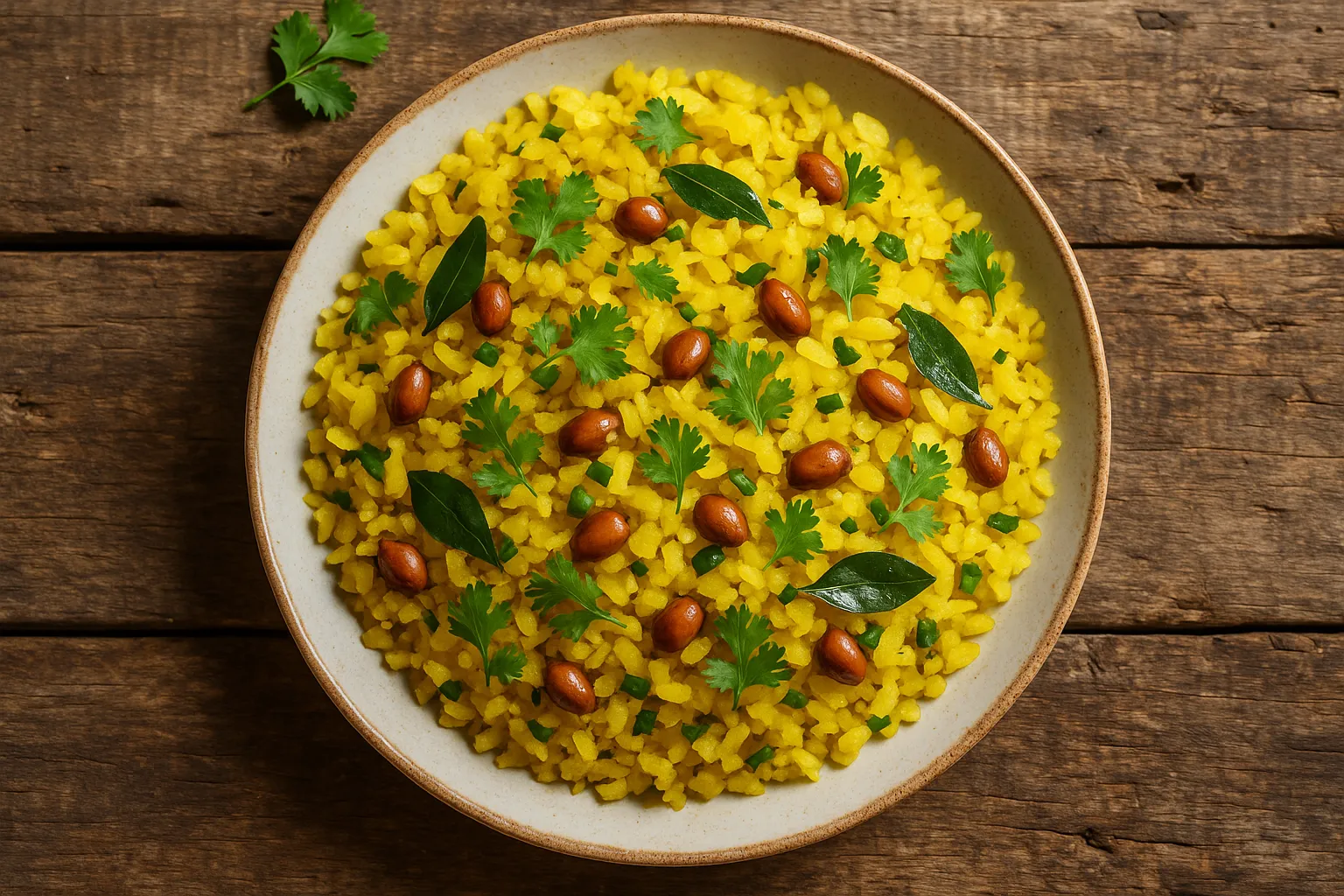
झटपट न्यूट्रिशन फैक्ट्स
Per 1 Cup पका हुआ Poha (180g)
| पोषक तत्व | मात्रा |
|---|---|
| कैलोरी | 250 kcal |
| प्रोटीन | 6g |
| कार्बोहाइड्रेट | 50g |
| फाइबर | 2.5g |
| शुगर | 2g |
| वसा | 6g |
| आयरन | 3.9mg |
| विटामिन B1 | 0.3mg |
| मैग्नीशियम | 45mg |
| Phosphorus | 140mg |
मैक्रोन्यूट्रिएंट ब्रेकडाउन
 ChatGPT
  Claude
  AI Mode
  Perplexity
पोषण विशेषज्ञ की सलाह
Poha प्रदान करता है 22% of your दैनिक आयरन needs in one cup. The flattening process बढ़ाता है आयरन content, making it excellent for preventing anemia. Add lemon juice to boost आयरन absorption by up to 300%.
मिथक बनाम सच
मिथक #1: Poha Causes Weight Gain
सच्चाई: A cup of poha has only 250 कैलोरी. Weight gain happens from excess oil used in preparation. Prepare with 1-2 tsp oil, add vegetables, and it becomes a weight-friendly meal that keeps you full for hours.
मिथक #2: Diabetics Should Avoid Poha Completely
सच्चाई: Diabetics can eat poha in संयम. Choose thick poha (lower GI) over thin varieties, add vegetables and प्रोटीन, limit to 1 cup, and monitor ब्लड शुगर. The फाइबर content मदद करता है मध्यम glucose absorption.
मिथक #3: Poha Has No Nutritional Value
सच्चाई: Poha is rich in आयरन (3.9mg प्रति कप), B विटामिन for energy चयापचय, and प्रदान करता है quick-digesting कार्ब्स for sustained energy. It's easier to digest than many grain-based breakfasts, making it ideal for sensitive stomachs.
मिथक #4: Only Thin Poha Is Authentic
सच्चाई: Both thick and thin poha varieties are traditional. Thick poha has lower glycemic index and more फाइबर, making it better for डायबिटीज management. Thin poha cooks faster and is preferred for certain regional preparations.
मिथक #5: Poha Is Just Empty कार्ब्स
सच्चाई: Beyond कार्ब्स (50g), poha प्रदान करता है 6g प्रोटीन, आयरन, B विटामिन, and magnesium. जब prepared with peanuts, vegetables, and curry leaves, it becomes a balanced meal with प्रोटीन, स्वस्थ fats, and micronutrients.
मिथक #6: भुना हुआ Peanuts in Poha Are Unhealthy
सच्चाई: Peanuts add स्वस्थ fats, प्रोटीन (7g प्रति औंस), and improve satiety. They enhance nutrient absorption and provide एंटीऑक्सीडेंट. Use 1-2 tablespoons for optimal nutrition balance without excess कैलोरी.
हेल्थ गोल्स के हिसाब से न्यूट्रीस्कोर
| स्वास्थ्य लक्ष्य | NutriScore | यह स्कोर क्यों? |
|---|---|---|
| वजन घटाना |  | 250 कैलोरी प्रति कप, 2.5g फाइबर बढ़ावा देता है fullness. Use minimal oil (1-2 tsp), add vegetables, avoid heavy toppings. |
| मांसपेशी वृद्धि | | Good pre-workout कार्ब्स (50g) for sustained energy. Add peanuts, भुना हुआ chana, or pair with प्रोटीन shake for better muscle support. |
| डायबिटीज प्रबंधन |  | Moderate GI (55-65). Choose thick poha, add vegetables and प्रोटीन, limit to 1 cup, monitor ब्लड शुगर response. |
| पीसीओएस प्रबंधन | | Carb-rich nature may affect insulin sensitivity. Limit to 1 cup, choose thick poha, add vegetables and प्रोटीन, pair with फाइबर-rich foods. |
| गर्भावस्था पोषण |  | Rich in आयरन (3.9mg), आवश्यक for preventing anemia के दौरान गर्भावस्था. Easy to digest, प्रदान करता है quick energy. |
| Viral/Flu Recovery | | Light, easy to digest, quick energy. Add turmeric and ginger for anti-inflammatory benefits. Gentle on upset stomach. |
व्यक्तिगत पोषण
अपने भोजन को ट्रैक करें with NutriScan for personalized NutriScores based on your specific health goals!
ब्लड शुगर रेस्पॉन्स to Poha
Understanding how poha affects your रक्त ग्लूकोज can help you make informed decisions लगभग हिस्सा sizes and preparation methods.
सामान्य ग्लूकोज प्रतिक्रिया वक्र
यह चार्ट दिखाता है typical रक्त ग्लूकोज response for general स्वस्थ individuals. व्यक्तिगत प्रतिक्रियाएं भिन्न हो सकती हैं. यह मेडिकल सलाह नहीं है.
स्पाइक को कैसे कम करें
Combining poha with प्रोटीन, स्वस्थ fats, and फाइबर slows glucose absorption significantly:
- 🥜 Add भुना हुआ peanuts or cashews - प्रदान करता है स्वस्थ fats and प्रोटीन
- 🥬 Mix plenty of vegetables - Adds फाइबर and micronutrients (peas, carrots, beans)
- 🍋 Squeeze ताज़ा lemon juice - Enhances आयरन absorption and adds विटामिन C
- 🌿 Include curry leaves and turmeric - Anti-inflammatory compounds that may improve insulin sensitivity
This combination कम करता है glucose spike, extends energy release, and प्रदान करता है balanced nutrition for sustained fullness.
सांस्कृतिक महत्व
Poha (also called chivda, aval, or atukulu) is one of India's most beloved breakfast dishes, with regional variations across the country.
Regional Variations in India:
- Maharashtrian Kanda Poha: With onions, potatoes, peanuts, and turmeric
- Indori Poha: Sweet-spicy version with sev, pomegranate, and jalebi pairing
- South Indian Aval Upma: Kerala style with coconut, mustard seeds, curry leaves
- Bengali Chirer Pulao: Sweet version with raisins, cashews, and शुगर
Cultural Importance:
- Quick, affordable breakfast staple across India
- Traditional fasting food (made without onion-garlic)
- Street food favorite in Maharashtra and Madhya Pradesh
- Easily digestible, suitable for all ages from toddlers to elderly
Global Adoption:
- Gaining popularity as a gluten-free breakfast option worldwide
- Used in various fusion recipes (poha pancakes, poha salad)
- Exported as "flattened rice" to international markets
तुलना और विकल्प
Poha vs Similar Breakfast Options (प्रति 100g पका हुआ)
| पोषक तत्व | 🍚 Poha | 🥣 Upma | 🫓 Paratha | 🥪 White Bread Toast |
|---|---|---|---|---|
| कैलोरी | 139 kcal | 135 kcal | 290 kcal | 265 kcal |
| कार्ब्स | 28g | 25g | 38g | 49g |
| फाइबर | 1.4g | 2.5g | 3g | 2.7g |
| प्रोटीन | 3.3g | 3.5g | 6g | 9g |
| वसा | 3.3g | 3g | 12g | 3.5g |
| आयरन | 2.2mg | 1.2mg | 2mg | 2.5mg |
| सबसे अच्छा | आयरन needs, quick energy | फाइबर, weight management | High-calorie needs, taste | Convenience, प्रोटीन |
अक्सर पूछे सवाल
Is poha good for वजन घटाना?
Yes, poha can support वजन घटाना जब prepared mindfully. One cup has 250 कैलोरी with 2.5g फाइबर that बढ़ावा देता है fullness and कम करता है overall calorie intake.
Best practices for वजन घटाना:
- Use minimal oil (1-2 tsp) instead of 3-4 tsp
- Add vegetables (carrots, peas, beans) for volume and फाइबर
- Include peanuts (1-2 tbsp) for प्रोटीन and स्वस्थ fats
- Choose thick poha for better satiety
- Avoid heavy toppings like sev, तला हुआ cashews, excess शुगर
Poha's light nature means it won't leave you feeling heavy जबकि providing sustained energy until lunch.
Can diabetics eat poha?
Diabetics can eat poha in संयम with careful preparation. Thick poha has a lower glycemic index (50-55) compared to thin poha (65-70).
Tips for diabetics:
- Choose thick poha varieties
- Limit हिस्सा to 1 cup (180g पका हुआ)
- Add vegetables, peanuts, and curry leaves
- Pair with प्रोटीन (yogurt, भुना हुआ chana)
- Avoid adding शुगर or jaggery
- Monitor ब्लड शुगर 2 hours बाद में eating
The फाइबर content and careful preparation can help मध्यम glucose absorption. हमेशा consult your healthcare provider for personalized advice.
How much प्रोटीन is in poha?
One cup of पका हुआ poha शामिल है 6g of प्रोटीन. जबकि मध्यम, this can be increased:
Ways to boost प्रोटीन in poha:
- Add भुना हुआ peanuts (2 tbsp = 7g प्रोटीन)
- Mix भुना हुआ chana dal (2 tbsp = 5g प्रोटीन)
- Pair with yogurt/curd (1 cup = 12g प्रोटीन)
- Add scrambled egg on the side (1 egg = 6g प्रोटीन)
For मांसपेशी वृद्धि or high-प्रोटीन diets, combine poha with प्रोटीन-rich accompaniments for a balanced meal.
What are the main स्वास्थ्य लाभ of poha?
Key Benefits:
- Rich in आयरन: 3.9mg प्रति कप (22% DV) रोकता है anemia, विशेष रूप से महत्वपूर्ण for women
- Easy Digestion: Light on stomach, suitable for all ages and sensitive digestion
- Quick Energy: Fast-absorbing कार्ब्स provide sustained energy for 3-4 hours
- B Vitamins: सहायता करता है energy चयापचय and nervous system function
- Low वसा: जब prepared with minimal oil (2-3% वसा), heart-friendly option
- Gluten-Free: Safe for celiac disease and gluten sensitivity
जब is the best time to eat poha?
Depends on your goal:
- वजन घटाना: Breakfast (7-9 AM) for sustained morning energy. Avoid late night.
- मांसपेशी वृद्धि: Pre-workout (45-60 minutes पहले) or post-workout for glycogen replenishment.
- डायबिटीज: Mid-morning (10 AM) or early breakfast, paired with प्रोटीन.
- General Health: Breakfast or lunch; easy to digest anytime.
IMPORTANT NOTE
Best consumed ताज़ा and hot. Leftover poha may have increased resistant starch, which can cause bloating in some people.
Is thick or thin poha healthier?
Both have unique benefits - choose based on your health goals:
Thick Poha:
- Lower glycemic index (50-55)
- More फाइबर retention
- Better for ब्लड शुगर control
- Takes longer to cook
- Better texture retention
Thin Poha:
- Quicker cooking time (1-2 minutes soaking)
- Easier to digest
- Lighter texture
- Higher glycemic index (65-70)
- Traditional for certain regional recipes
Recommendation: डायबिटीज/weight management = thick poha. Quick breakfast/ease of digestion = thin poha.
How can I make poha healthier?
5 Simple Ways:
- Reduce oil: Use 1-2 tsp oil instead of 3-4 tsp (saves 40-80 कैलोरी)
- Add vegetables: Include carrots, peas, beans, capsicum for फाइबर and पोषक तत्व
- Include nuts: 1-2 tbsp peanuts or cashews adds प्रोटीन and स्वस्थ fats
- Skip शुगर: Avoid adding शुगर or jaggery; use natural sweetness from onions
- Add turmeric: Anti-inflammatory benefits and enhances आयरन absorption
Can I eat poha every day?
Generally safe for most people जब prepared healthily with minimal oil and vegetables.
Consider संयम if you have:
- डायबिटीज: Monitor ब्लड शुगर, limit to 3-4 times per week
- Thyroid issues: Consult doctor लगभग iodine interaction with flattened rice
- Weight loss goals: Vary breakfast options; rotate with प्रोटीन-rich options
Best approach: Alternate with other पौष्टिक breakfasts (upma, oats, eggs, dosa) for dietary variety and comprehensive nutrition.


समान पौष्टिक खाद्य पदार्थ
4505 Chicharrones Classic Chili Salt
7 Eleven Japan Crispy Corn Cheese
Explore More Nutrition Tools & Resources
40 साल के Male के लिए Diet Plan
AI Calorie Counter App: photo लो, calories देखो, free
AI Nutritionist App: Monika से meals पर बात करो
Best Protein Supplements Women के लिए
Bulking Meal Plan App: surplus और protein एक साथ
ChatGPT Calorie Counter Alternative: जो total भी याद रखे
ChatGPT Diet Plan Alternative: जो खाया वो track भी करे
ChatGPT Weight Loss Coach Alternative: वज़न भी track करे
Fast Food Calorie Counter App: burger की calories photo से
Indian Diet Plan App: dal, roti, sabzi का सही हिसाब
Indian Food Calorie Calculator
Indian Food Calorie Calculator - भारतीय खाने के लिए तुरंत Nutrition Facts — 2026
Intermittent Fasting App for Women: timer साथ meal log भी
Intermittent Fasting Tracker App - Free Timer, बिना Trial
Macro Tracker App: फोटो से भरें protein, carb, fat
Mediterranean Diet Meal Plan App: तेल भी गिने
Monthly Grocery List Generator
Nutrition Label Scanner App: आपके खाए हिस्से का हिसाब
Vegetarian Meal Plan App: protein target वाला 28 दिन का plan
Voice-Activated Calorie Counter - बोलकर Log करें Meals और Track करें Nutrition Hands-Free — 2026
Water Tracker App: free पानी और Calorie Log