Sabji: कैलोरी, पोषण और स्वास्थ्य लाभ
Traditional Indian vegetable curry packed with फाइबर, विटामिन, and खनिज for optimal health across all dietary goals.
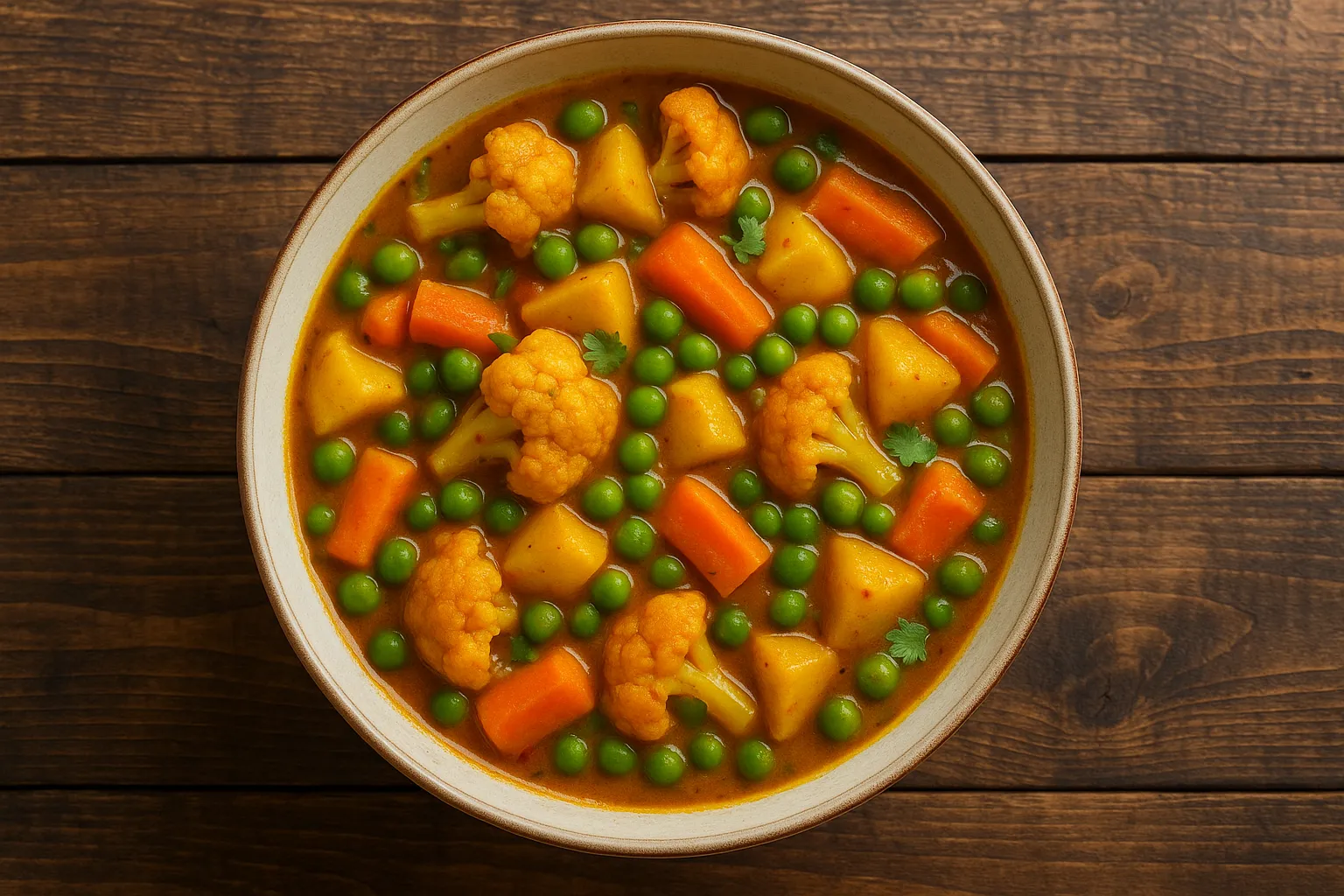
झटपट न्यूट्रिशन फैक्ट्स
Per 1 Cup Serving (150g)
| पोषक तत्व | मात्रा |
|---|---|
| कैलोरी | 143 kcal |
| प्रोटीन | 4.5g |
| कार्बोहाइड्रेट | 18g |
| फाइबर | 6g |
| शुगर | 6g |
| वसा | 6g |
| पोटैशियम | 480mg |
| विटामिन A | 2400 IU |
| विटामिन C | 45mg |
| आयरन | 2.1mg |
मैक्रोन्यूट्रिएंट ब्रेकडाउन
 ChatGPT
  Claude
  AI Mode
  Perplexity
पोषण विशेषज्ञ की सलाह
Sabji प्रदान करता है exceptional nutrient diversity with विटामिन A, C, K and खनिज at minimal कैलोरी. Cooking with turmeric and minimal oil maximizes anti-inflammatory benefits जबकि preserving heat-sensitive विटामिन.
मिथक बनाम सच
मिथक #1: All Sabji Is High in Oil and Unhealthy
सच्चाई: Health depends on preparation. Sabji पका हुआ with 1-2 tsp oil प्रति सर्विंग has only 6g वसा (143 कैलोरी प्रति कप). Steaming or light sautéing preserves पोषक तत्व better than deep frying जबकि keeping कैलोरी low.
मिथक #2: Sabji Lacks प्रोटीन
सच्चाई: Mixed vegetable sabji प्रदान करता है 4.5g प्रोटीन प्रति सर्विंग. Adding legumes (beans, chickpeas) बढ़ाता है it to 8-10g. Combining with dal or paneer creates complete प्रोटीन profiles meeting दैनिक amino acid needs.
मिथक #3: Diabetics Should Avoid Sabji Due to Vegetables
सच्चाई: Most vegetables have low glycemic index (35-45). High फाइबर content in sabji actually मदद करता है regulate ब्लड शुगर by slowing glucose absorption. Ideal for डायबिटीज management जब paired with whole grains.
मिथक #4: Sabji Loses All पोषक तत्व जब पका हुआ
सच्चाई: जबकि some विटामिन C is lost, cooking enhances bioavailability of carotenoids and lycopene. Pressure cooking or steaming retains 70-90% of पोषक तत्व. The key is avoiding overcooking and using cooking water in the curry.
मिथक #5: Frozen Vegetables Make Inferior Sabji
सच्चाई: Frozen vegetables are flash-frozen at peak ripeness, अक्सर retaining more पोषक तत्व than "ताज़ा" produce stored for days. Studies show frozen vegetables have comparable or higher विटामिन content, making them excellent for पौष्टिक sabji year-round.
हेल्थ गोल्स के हिसाब से न्यूट्रीस्कोर
| स्वास्थ्य लक्ष्य | NutriScore | यह स्कोर क्यों? |
|---|---|---|
| वजन घटाना |  | Only 143 कैलोरी प्रति कप with 6g फाइबर promoting fullness. High water content and nutrient density support sustainable वजन घटाना. |
| मांसपेशी वृद्धि |  | प्रदान करता है विटामिन and खनिज for recovery. Pair with dal/paneer for 12-15g प्रोटीन. Micronutrients support muscle repair and energy चयापचय. |
| डायबिटीज प्रबंधन | | Low GI (35-45) and high फाइबर stabilize ब्लड शुगर. Rich in chromium and magnesium for insulin sensitivity. |
| पीसीओएस प्रबंधन | | Anti-inflammatory properties, low glycemic load, high फाइबर support hormone balance. Cruciferous vegetables aid estrogen चयापचय. |
| गर्भावस्था पोषण | | Rich in folate, आयरन, विटामिन A & C. Diverse vegetables provide आवश्यक micronutrients for fetal development. Safe and पौष्टिक throughout गर्भावस्था. |
| Viral/Flu Recovery | | Vitamins A, C boost immunity. Easy to digest, hydrating, प्रदान करता है energy without stressing digestion. Ginger and turmeric add anti-inflammatory benefits. |
व्यक्तिगत पोषण
अपने भोजन को ट्रैक करें with NutriScan for personalized NutriScores based on your specific health goals!
ब्लड शुगर रेस्पॉन्स to Sabji
Understanding how vegetable sabji affects रक्त ग्लूकोज मदद करता है optimize meal planning for stable energy.
सामान्य ग्लूकोज प्रतिक्रिया वक्र
यह चार्ट दिखाता है typical रक्त ग्लूकोज response for general स्वस्थ individuals. व्यक्तिगत प्रतिक्रियाएं भिन्न हो सकती हैं. यह मेडिकल सलाह नहीं है.
कैसे करें: Optimize Blood शुगर Control
Combining sabji with प्रोटीन and whole grains creates balanced meals with minimal glucose spikes:
- 🫘 Dal (lentils) - Adds प्रोटीन and फाइबर for sustained release
- 🥛 Paneer or curd - प्रोटीन slows carbohydrate absorption
- 🌾 Whole wheat roti or brown rice - Complex कार्ब्स complement vegetables
- 🥜 Nuts or seeds garnish - स्वस्थ fats and प्रोटीन for satiety
This combination प्रदान करता है complete nutrition जबकि maintaining stable ब्लड शुगर throughout the day.
सांस्कृतिक महत्व
Sabji is the cornerstone of Indian cuisine, representing regional diversity and nutritional wisdom passed through generations.
In India:
- Every region has signature sabji styles: North (creamy gravies), South (coconut-based), East (mustard oil-based), West (dry preparations)
- आवश्यक part of thali - complete balanced meal with dal, sabji, roti, and rice
- Seasonal vegetables celebrated in festival meals and दैनिक cooking
- Ayurveda emphasizes sabji for balancing doshas and providing prana (life energy)
Nutritional Philosophy:
- Combines 3-5 vegetables for nutrient diversity in single dish
- Turmeric, cumin, coriander seeds provide medicinal benefits beyond flavor
- Preparation methods preserve विटामिन जबकि enhancing bioavailability
- Forms basis of plant-forward eating patterns linked to longevity
तुलना और विकल्प
Sabji vs Similar Vegetable Dishes (प्रति 100g)
| पोषक तत्व | 🍛 Sabji | 🥗 कच्चा Salad | 🍲 Vegetable Soup | 🥦 भाप में पका Vegetables |
|---|---|---|---|---|
| कैलोरी | 95 kcal | 25 kcal | 45 kcal | 35 kcal |
| कार्ब्स | 12g | 5g | 8g | 7g |
| फाइबर | 4g | 2.5g | 2.8g | 3g |
| प्रोटीन | 3g | 1.5g | 2g | 2.5g |
| वसा | 4g | 0.5g | 1.5g | 0.3g |
| पोटैशियम | 320mg | 280mg | 310mg | 350mg |
| विटामिन A | 1600 IU | 900 IU | 1200 IU | 1800 IU |
| विटामिन C | 30mg | 45mg | 25mg | 35mg |
| सबसे अच्छा | Complete Indian meal | कच्चा पोषक तत्व, वजन घटाना | Light meal, hydration | Maximum nutrient retention |
अक्सर पूछे सवाल
Is sabji good for वजन घटाना?
Yes, vegetable sabji is excellent for वजन घटाना. A 150g serving has only 143 कैलोरी but प्रदान करता है 6g फाइबर and diverse पोषक तत्व. High water content (85-90%) and फाइबर promote fullness जबकि keeping कैलोरी low.
Best practices: Use 1-2 tsp oil प्रति सर्विंग; choose non-starchy vegetables (cauliflower, beans, spinach); avoid potato-heavy versions; eat with whole grain roti instead of white rice. Sabji's nutrient density सहायता करता है sustainable calorie deficit without nutrient deficiency.
Can diabetics eat sabji?
Diabetics can safely eat vegetable sabji. With low glycemic index (35-45) and 4g फाइबर प्रति 100g, sabji मदद करता है regulate ब्लड शुगर levels.
Tips for diabetics:
- Choose non-starchy vegetables: beans, cauliflower, cabbage, spinach, okra
- Limit potato and root vegetables
- Use minimal oil and avoid शुगर in curry
- Pair with प्रोटीन (dal, paneer) and whole grains for balanced meals
The फाइबर slows glucose absorption जबकि diverse पोषक तत्व support overall metabolic health.
How much प्रोटीन is in sabji?
Mixed vegetable sabji शामिल है 3-4.5g प्रोटीन per 150g serving. जबकि मध्यम, the प्रोटीन quality सुधारता है जब combined with complementary foods.
प्रोटीन optimization: Combine with dal (6-8g प्रोटीन), paneer (7-9g), or curd for complete amino acid profile; add legume-based sabji (chickpeas, beans) for 8-10g प्रोटीन प्रति सर्विंग; top with nuts or seeds for additional प्रोटीन and स्वस्थ fats.
What are the main स्वास्थ्य लाभ of sabji?
Key Benefits:
- पोषक तत्व Diversity: Vitamins A, C, K, folate, B-विटामिन from multiple vegetables
- Digestive Health: 4-6g फाइबर प्रति सर्विंग सहायता करता है gut microbiome
- Weight Management: Low calorie density (95 kcal/100g) with high satiety
- Immunity: Vitamins A, C, एंटीऑक्सीडेंट, and anti-inflammatory spices
- Chronic Disease Prevention: Phytonutrients, फाइबर reduce डायबिटीज, heart disease risk
- Mineral Support: पोटैशियम, आयरन, calcium, magnesium for vital functions
Which vegetables make the healthiest sabji?
Top Choices by Category:
- Leafy Greens: Spinach, methi (fenugreek), amaranth - high आयरन, folate, विटामिन
- Cruciferous: Cauliflower, cabbage, broccoli - cancer-fighting compounds
- फाइबर-Rich: Beans, okra (bhindi), cluster beans - पाचन स्वास्थ्य
- Antioxidant-Rich: Bell peppers, tomatoes, carrots - विटामिन A, C, lycopene
Best practice: Mix 3-4 vegetables from different categories for maximum nutrient diversity. Seasonal, locally-grown produce प्रदान करता है peak nutrition and flavor.
How should I prepare sabji for maximum nutrition?
Optimal Preparation:
- Oil: Use 1-2 tsp प्रति सर्विंग; prefer mustard, olive, or coconut oil over refined oils
- Cooking Method: Steam or pressure cook to retain 70-90% पोषक तत्व; light sautéing better than deep frying
- Spices: Include turmeric (anti-inflammatory), cumin (digestion), coriander for added benefits
- Avoid: Overcooking (destroys विटामिन C); excessive oil; adding शुगर
Pro tip: Save cooking water for curry base - retains water-soluble विटामिन lost के दौरान cooking.
How many servings of sabji should I eat per day?
General Guidelines:
- 1-2 cups दैनिक - Most people (215-430 कैलोरी, meets vegetable recommendations)
- 2-3 cups दैनिक - Weight loss, high-फाइबर diets, vegetarian/vegan
- 1 cup दैनिक - Low-carb diets, pair with higher-प्रोटीन foods
Portion control: Standard Indian thali शामिल है 1 cup sabji with dal, grain, and curd. Varies based on total calorie needs and dietary goals.
Track meals with NutriScan app to optimize sabji हिस्से for your health targets.


समान पौष्टिक खाद्य पदार्थ
4505 Chicharrones Classic Chili Salt
7 Eleven Japan Crispy Corn Cheese
Explore More Nutrition Tools & Resources
40 साल के Male के लिए Diet Plan
AI Calorie Counter App: photo लो, calories देखो, free
AI Nutritionist App: Monika से meals पर बात करो
Best Protein Supplements Women के लिए
Bulking Meal Plan App: surplus और protein एक साथ
ChatGPT Calorie Counter Alternative: जो total भी याद रखे
ChatGPT Diet Plan Alternative: जो खाया वो track भी करे
ChatGPT Weight Loss Coach Alternative: वज़न भी track करे
Fast Food Calorie Counter App: burger की calories photo से
Indian Diet Plan App: dal, roti, sabzi का सही हिसाब
Indian Food Calorie Calculator
Indian Food Calorie Calculator - भारतीय खाने के लिए तुरंत Nutrition Facts — 2026
Intermittent Fasting App for Women: timer साथ meal log भी
Intermittent Fasting Tracker App - Free Timer, बिना Trial
Macro Tracker App: फोटो से भरें protein, carb, fat
Mediterranean Diet Meal Plan App: तेल भी गिने
Monthly Grocery List Generator
Nutrition Label Scanner App: आपके खाए हिस्से का हिसाब
Vegetarian Meal Plan App: protein target वाला 28 दिन का plan
Voice-Activated Calorie Counter - बोलकर Log करें Meals और Track करें Nutrition Hands-Free — 2026
Water Tracker App: free पानी और Calorie Log