Sesame Bun: कैलोरी, पोषण और स्वास्थ्य लाभ
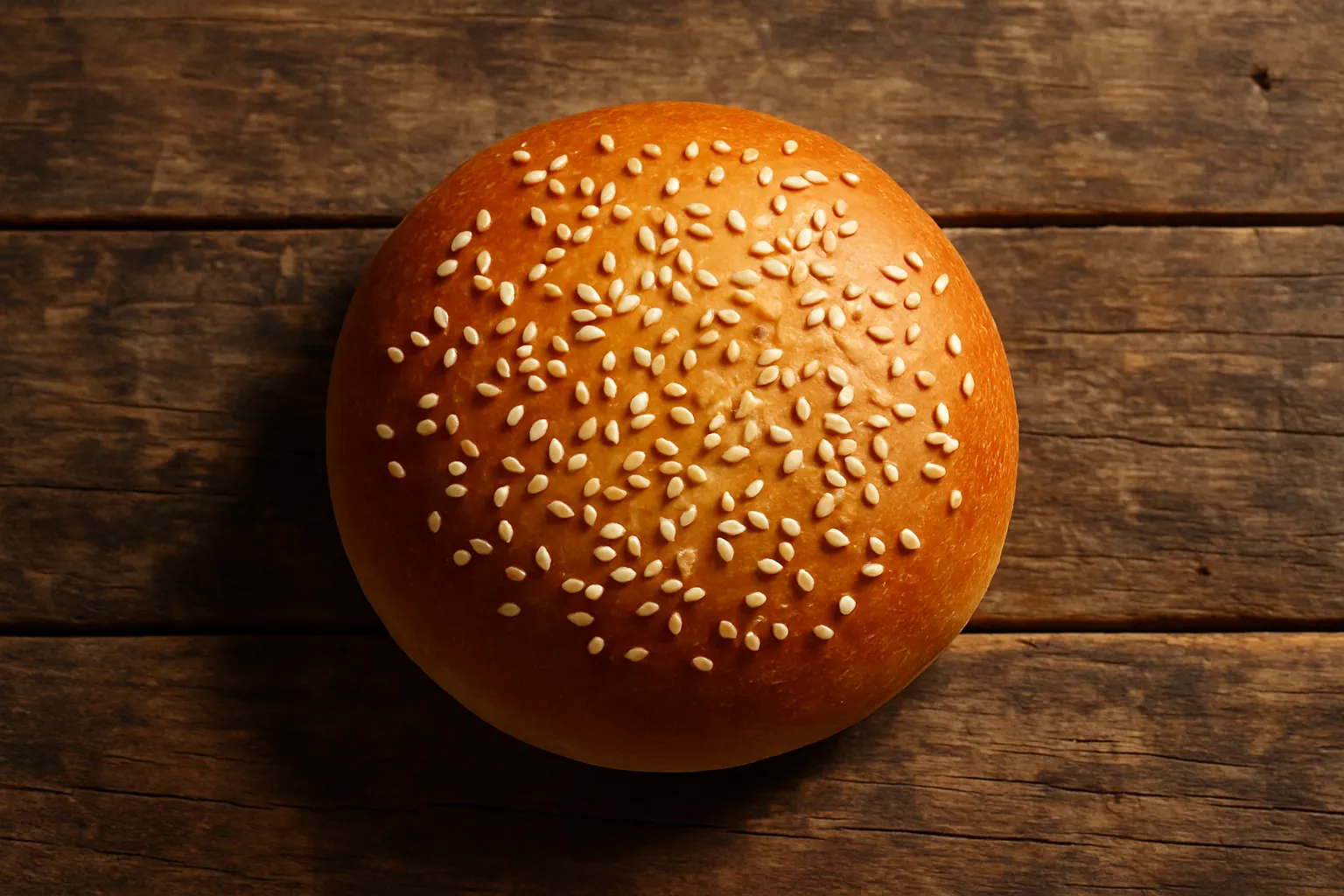
पौष्टिक whole grain bun topped with sesame seeds, packed with plant-based प्रोटीन, फाइबर, and खनिज for sustained energy.
झटपट न्यूट्रिशन फैक्ट्स
Per 1 Sesame Bun (55g)
| पोषक तत्व | मात्रा |
|---|---|
| कैलोरी | 200 kcal |
| प्रोटीन | 7g |
| कार्बोहाइड्रेट | 28g |
| फाइबर | 2.5g |
| शुगर | 2g |
| वसा | 8g |
| कैल्शियम | 150mg |
| आयरन | 2.5mg |
| जिंक | 1.8mg |
| मैग्नीशियम | 35mg |
मैक्रोन्यूट्रिएंट ब्रेकडाउन
 ChatGPT
  Claude
  AI Mode
  Perplexity
पोषण विशेषज्ञ की सलाह
Sesame seeds are nutritional powerhouses, providing calcium for हड्डियों का स्वास्थ्य, zinc for immunity, and lignans with antioxidant properties. The 7g प्रोटीन per bun सहायता करता है muscle maintenance, जबकि whole grain varieties offer sustained energy without rapid ब्लड शुगर spikes.
मिथक बनाम सच
मिथक #1: All Bread Causes Weight Gain
सच्चाई: Whole grain sesame buns with 2.5g फाइबर and 7g प्रोटीन actually support वजन घटाना. The फाइबर and प्रोटीन content बढ़ाता है satiety and कम करता है overall calorie intake. Refined white bread causes more weight gain than whole grain options.
मिथक #2: Buns Are Unhealthy Carb Sources
सच्चाई: Whole grain sesame buns provide complex कार्बोहाइड्रेट with विटामिन, खनिज, and फाइबर. The 28g कार्ब्स are packaged with 2.5g फाइबर (9% DV), making them a better choice than refined bread. Whole grains reduce risk of heart disease and डायबिटीज.
मिथक #3: Sesame Seeds Are Too High in वसा
सच्चाई: The 8g वसा in sesame buns comes mostly from स्वस्थ unsaturated fats and lignans. Sesame seeds contain compounds that may help lower cholesterol. This वसा सहायता करता है nutrient absorption and hormone production.
मिथक #4: You Cannot Eat Bread on a Diet
सच्चाई: Whole grain sesame buns fit perfectly in वजन घटाना diets. The combination of 7g प्रोटीन, 2.5g फाइबर, and 200 कैलोरी प्रदान करता है excellent satiety. One bun plus eggs or lean meat creates a complete, balanced meal.
मिथक #5: Store-Bought Buns Are हमेशा Unhealthy
सच्चाई: Many quality store-bought whole grain sesame buns contain minimal added शुगर (2g) and provide whole grain nutrition. Check labels for whole wheat as first ingredient and at least 2.5g फाइबर. Homemade versions can be healthier but aren't हमेशा necessary.
हेल्थ गोल्स के हिसाब से न्यूट्रीस्कोर
| स्वास्थ्य लक्ष्य | NutriScore | यह स्कोर क्यों? |
|---|---|---|
| वजन घटाना |  | 200 कैलोरी, 7g प्रोटीन, 2.5g फाइबर बढ़ावा देता है fullness. Pair with प्रोटीन source. Limit to 1 per day. |
| मांसपेशी वृद्धि | | Perfect post-workout कार्ब्स (28g) for glycogen replenishment, 7g प्रोटीन सहायता करता है recovery, 1.8mg zinc for testosterone. |
| डायबिटीज प्रबंधन |  | Moderate GI (55-65). Choose whole grain varieties, eat half हिस्से, pair with प्रोटीन/वसा. Monitor हिस्सा sizes carefully. |
| पीसीओएस प्रबंधन | | 28g कार्ब्स affect insulin sensitivity. Limit to half bun, pair with प्रोटीन and स्वस्थ वसा to minimize glycemic response. |
| गर्भावस्था पोषण |  | Whole grain प्रदान करता है folate (30mcg), आयरन (2.5mg कम करता है anemia risk), फाइबर रोकता है constipation common in गर्भावस्था. Excellent B-विटामिन source for fetal development. |
| Viral/Flu Recovery | | Easily digestible, sustained energy from complex कार्ब्स, 2.5mg आयरन सहायता करता है immune function, zinc for faster recovery. |
व्यक्तिगत पोषण
अपने भोजन को ट्रैक करें with NutriScan for personalized NutriScores based on your specific health goals!
ब्लड शुगर रेस्पॉन्स to Sesame Bun
Understanding how sesame buns affect your रक्त ग्लूकोज मदद करता है optimize timing and pairing strategies.
सामान्य ग्लूकोज प्रतिक्रिया वक्र
यह चार्ट दिखाता है typical रक्त ग्लूकोज response for general स्वस्थ individuals. व्यक्तिगत प्रतिक्रियाएं भिन्न हो सकती हैं. यह मेडिकल सलाह नहीं है.
स्पाइक को कैसे कम करें
Pairing sesame bun with प्रोटीन and स्वस्थ fats slows glucose absorption and प्रदान करता है balanced nutrition:
- 🥚 Eggs or egg white scramble - Complete प्रोटीन रोकता है ब्लड शुगर spike
- 🧈 Almond or peanut butter - स्वस्थ fats and प्रोटीन extend energy release
- 🥛 Greek yogurt or cottage cheese - Probiotics, प्रोटीन, and calcium
- 🥗 Leafy greens or vegetables - फाइबर further slows carb absorption
This combination creates a complete meal with sustained energy, better satiety, and minimal ब्लड शुगर disruption.
सांस्कृतिक महत्व
Sesame seeds have been cultivated for over 5,000 years and hold cultural importance across cuisines.
In India:
- Sesame (til) used in traditional sweets like laddus and brittles
- Makar Sankranti festival features sesame treats for strength and prosperity
- Ayurveda values sesame for warmth and nutrient density
- Used in breads, विशेष रूप से in North Indian cuisine
Global Impact:
- Leading oilseed crop in Africa and Asia
- Ancient symbol of longevity in Asian cultures
- Increasingly popular in Western health-conscious baking
- Highly sustainable crop requiring minimal water
तुलना और विकल्प
Sesame Bun vs Similar Bread Products (प्रति 100g)
| पोषक तत्व | 🍞 Sesame Bun | 🍞 Whole Wheat Bread | 🥒 White Bread | 🍞 Multigrain Bread |
|---|---|---|---|---|
| कैलोरी | 364 kcal | 247 kcal | 265 kcal | 285 kcal |
| कार्ब्स | 51g | 41g | 49g | 46g |
| फाइबर | 4.5g | 7g | 2.7g | 6g |
| प्रोटीन | 13g | 9g | 9g | 11g |
| वसा | 14.5g | 2g | 3.2g | 4g |
| कैल्शियम | 273mg | 102mg | 180mg | 250mg |
| आयरन | 4.5mg | 4.6mg | 4.7mg | 3.5mg |
| सबसे अच्छा | Mineral intake, satiety | फाइबर, sustained energy | Quick कार्ब्स, taste preference | Balanced nutrition, variety |
अक्सर पूछे सवाल
Are sesame buns good for वजन घटाना?
Yes, whole grain sesame buns support वजन घटाना जब eaten in संयम. At 200 कैलोरी per 55g bun, they provide 7g प्रोटीन and 2.5g फाइबर that promote fullness and satiety.
Best practices: Limit to 1 bun per day, pair with lean प्रोटीन (eggs, chicken, tofu), add vegetables to create a complete meal, and choose whole grain varieties over refined versions.
Can diabetics eat sesame buns?
Diabetics can eat sesame buns in controlled हिस्से. Whole grain varieties have मध्यम glycemic impact; eat half हिस्से (27.5g, 100 कैलोरी), pair with प्रोटीन or स्वस्थ वसा, and monitor ब्लड शुगर response 2 hours बाद में eating.
Choose buns with whole wheat as first ingredient and at least 2.5g फाइबर प्रति सर्विंग.
How much प्रोटीन is in a sesame bun?
A medium sesame bun (55g) शामिल है approximately 7 grams of प्रोटीन. Combined with sesame seeds' plant-based amino acids, this makes sesame buns a मध्यम प्रोटीन source better than refined white bread, supporting muscle maintenance and satiety.
What are the main स्वास्थ्य लाभ of sesame buns?
Key Benefits:
- Mineral-Rich: कैल्शियम from sesame सहायता करता है हड्डियों का स्वास्थ्य; zinc boosts immunity
- प्रोटीन Source: 7g plant-based प्रोटीन सहायता करता है muscle and enzyme function
- फाइबर for Digestion: 2.5g फाइबर सहायता करता है regular bowel movements and gut health
- Sustained Energy: Complex कार्ब्स provide steady energy without spikes
- Antioxidants: Sesame lignans offer anti-inflammatory properties
- Bone Health: कैल्शियम content सहायता करता है skeletal strength
जब is the best time to eat a sesame bun?
Depends on your goal:
- वजन घटाना: Breakfast with प्रोटीन (eggs, cheese) or lunch as part of balanced meal. Avoid late night.
- मांसपेशी वृद्धि: Post-workout within 30 minutes with प्रोटीन shake or yogurt.
- डायबिटीज: Mid-morning or afternoon, हमेशा paired with प्रोटीन and स्वस्थ वसा.
- Energy: 1-2 hours पहले physical activity.
IMPORTANT NOTE
हमेशा pair sesame buns with प्रोटीन or स्वस्थ वसा to minimize ब्लड शुगर spikes and maximize satiety.
Are whole grain or regular sesame buns healthier?
Whole grain sesame buns are significantly healthier. They contain more फाइबर (आमतौर पर 3-4g vs 1-2g), more विटामिन and खनिज, and have lower glycemic index.
Benefits of whole grain: Better for ब्लड शुगर control, सहायता करता है वजन घटाना, बढ़ावा देता है पाचन स्वास्थ्य, प्रदान करता है sustained energy. Choose brands with whole wheat, spelt, or oats as first ingredient.
How many sesame buns should I eat per day?
General Guidelines:
- 1 sesame bun दैनिक - Most people (200 कैलोरी, मध्यम कार्ब्स)
- ½ sesame bun दैनिक - डायबिटीज, पीसीओएस, or strict low-carb diets
- 1-2 buns दैनिक - Athletes, मांसपेशी वृद्धि, high-activity individuals
हमेशा pair with: प्रोटीन source, स्वस्थ वसा, and vegetables for complete nutrition.
अपने भोजन को ट्रैक करें with NutriScan app to see how sesame buns fit your personal nutrition goals.
Can I eat sesame bun on an empty stomach?
Generally safe for most people - प्रदान करता है sustained energy due to प्रोटीन and फाइबर content.
May want to pair with food if you have:
- Low ऊर्जा स्तर: Pair with प्रोटीन for sustained energy
- डायबिटीज: हमेशा pair with प्रोटीन/वसा to slow glucose absorption
- Digestive sensitivity: Pair with fluid to aid digestion
Better approach: Enjoy with yogurt, cheese, eggs, or nut butter for balanced nutrition and sustained energy.


समान पौष्टिक खाद्य पदार्थ
4505 Chicharrones Classic Chili Salt
7 Eleven Japan Crispy Corn Cheese
Explore More Nutrition Tools & Resources
40 साल के Male के लिए Diet Plan
AI Calorie Counter App: photo लो, calories देखो, free
AI Nutritionist App: Monika से meals पर बात करो
Best Protein Supplements Women के लिए
Bulking Meal Plan App: surplus और protein एक साथ
ChatGPT Calorie Counter Alternative: जो total भी याद रखे
ChatGPT Diet Plan Alternative: जो खाया वो track भी करे
ChatGPT Weight Loss Coach Alternative: वज़न भी track करे
Fast Food Calorie Counter App: burger की calories photo से
Indian Diet Plan App: dal, roti, sabzi का सही हिसाब
Indian Food Calorie Calculator
Indian Food Calorie Calculator - भारतीय खाने के लिए तुरंत Nutrition Facts — 2026
Intermittent Fasting App for Women: timer साथ meal log भी
Intermittent Fasting Tracker App - Free Timer, बिना Trial
Macro Tracker App: फोटो से भरें protein, carb, fat
Mediterranean Diet Meal Plan App: तेल भी गिने
Monthly Grocery List Generator
Nutrition Label Scanner App: आपके खाए हिस्से का हिसाब
Vegetarian Meal Plan App: protein target वाला 28 दिन का plan
Voice-Activated Calorie Counter - बोलकर Log करें Meals और Track करें Nutrition Hands-Free — 2026
Water Tracker App: free पानी और Calorie Log