शुगर: कैलोरी, पोषण और स्वास्थ्य लाभ
The world's most consumed sweetener - understanding its nutritional profile and health implications for informed dietary choices.
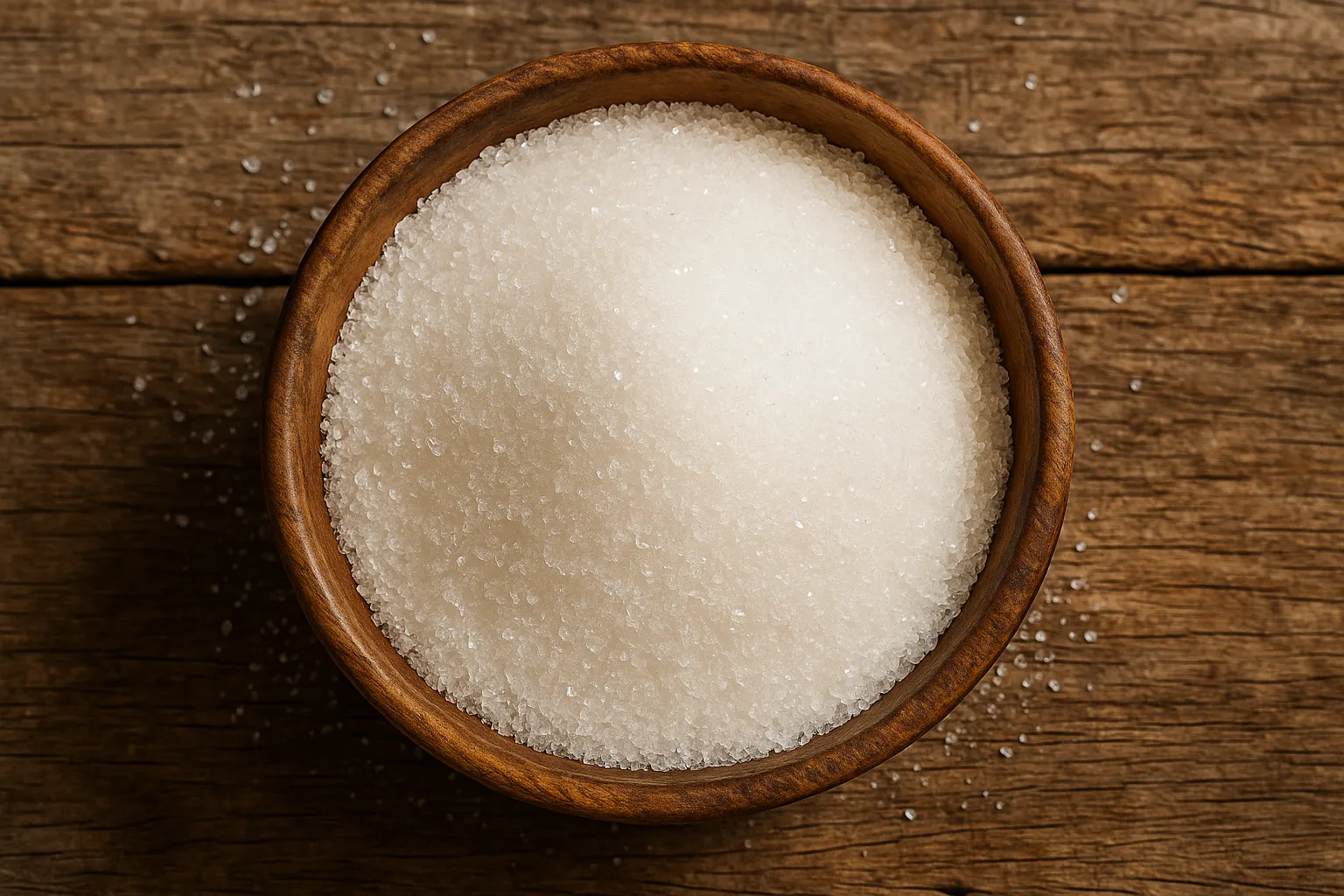
झटपट न्यूट्रिशन फैक्ट्स
Per 1 Teaspoon (4g)
| पोषक तत्व | मात्रा |
|---|---|
| कैलोरी | 16 kcal |
| प्रोटीन | 0g |
| कार्बोहाइड्रेट | 4g |
| फाइबर | 0g |
| शुगर | 4g |
| वसा | 0g |
| सोडियम | 0mg |
| Vitamins | 0mg |
| Minerals | 0mg |
प्रति 100g: 387 kcal, 100g कार्ब्स (all शुगर)
मैक्रोन्यूट्रिएंट ब्रेकडाउन
 ChatGPT
  Claude
  AI Mode
  Perplexity
पोषण विशेषज्ञ की सलाह
White शुगर प्रदान करता है pure कार्बोहाइड्रेट with zero nutritional value - no प्रोटीन, वसा, फाइबर, विटामिन, or खनिज. It's considered "empty कैलोरी" that spike ब्लड शुगर rapidly without satiety or स्वास्थ्य लाभ.
मिथक बनाम सच
मिथक #1: Natural शुगर and Refined शुगर Are the Same
सच्चाई: जबकि chemically similar, natural sugars in fruits come with फाइबर, विटामिन, and एंटीऑक्सीडेंट that slow absorption. Refined शुगर is isolated and causes rapid ब्लड शुगर spikes without nutritional benefits.
मिथक #2: Brown शुगर Is Much Healthier Than White शुगर
सच्चाई: Brown शुगर is white शुगर with molasses added. It शामिल है slightly more खनिज (0.02% more calcium/आयरन) but the difference is nutritionally insignificant. Both have similar caloric and glycemic effects.
मिथक #3: शुगर Doesn't Directly Cause डायबिटीज
सच्चाई: जबकि शुगर alone doesn't cause डायबिटीज, excessive शुगर intake बढ़ावा देता है weight gain and insulin resistance, two major risk factors for type 2 डायबिटीज. High शुगर consumption significantly बढ़ाता है डायबिटीज risk.
मिथक #4: You Need शुगर for Energy
सच्चाई: Your body can efficiently convert complex कार्बोहाइड्रेट, proteins, and fats into glucose for energy. Refined शुगर प्रदान करता है quick but short-lived energy followed by crashes, जबकि complex कार्ब्स offer sustained energy.
मिथक #5: शुगर Is Only Bad in Large Amounts
सच्चाई: Even मध्यम शुगर intake can impact health. Regular consumption affects insulin sensitivity, सूजन, gut bacteria, and craving patterns, making it harder to maintain स्वस्थ eating habits over time.
मिथक #6: Honey Is Much Better Than शुगर
सच्चाई: Honey शामिल है trace खनिज and एंटीऑक्सीडेंट, but is still 80% शुगर with similar कैलोरी (304 vs 387 प्रति 100g). It causes ब्लड शुगर spikes and should also be limited, though it's slightly preferable to refined शुगर.
हेल्थ गोल्स के हिसाब से न्यूट्रीस्कोर
| स्वास्थ्य लक्ष्य | NutriScore | यह स्कोर क्यों? |
|---|---|---|
| वजन घटाना |  | Pure empty कैलोरी (387 प्रति 100g), no satiety, triggers insulin spikes promoting वसा storage. Avoid completely. |
| मांसपेशी वृद्धि |  | Can refill glycogen post-workout but lacks प्रोटीन and पोषक तत्व. Better options: fruits, complex कार्ब्स. |
| डायबिटीज प्रबंधन | | Rapid ब्लड शुगर spike (GI 65), ADA recommends minimizing added sugars. Use zero-calorie sweeteners instead. |
| पीसीओएस प्रबंधन | | Worsens insulin resistance, बढ़ाता है सूजन, disrupts hormone balance. Avoid entirely. |
| गर्भावस्था पोषण | | Limit to 25g added शुगर दैनिक per गर्भावस्था guidelines. Zero nutritional value for fetal development. |
| Viral/Flu Recovery | | May suppress immune function temporarily. Choose nutrient-dense foods instead. |
व्यक्तिगत पोषण
अपने भोजन को ट्रैक करें with NutriScan to monitor hidden शुगर intake and get personalized recommendations!
ब्लड शुगर रेस्पॉन्स to शुगर
Understanding शुगर's rapid impact on रक्त ग्लूकोज मदद करता है explain why it's problematic for metabolic health.
सामान्य ग्लूकोज प्रतिक्रिया वक्र
यह चार्ट दिखाता है typical रक्त ग्लूकोज response. व्यक्तिगत प्रतिक्रियाएं भिन्न हो सकती हैं. यह मेडिकल सलाह नहीं है.
Managing शुगर Impact
If consuming शुगर, minimize ब्लड शुगर spikes by:
- 🥜 Pairing with प्रोटीन or वसा - Slows absorption significantly
- 🥗 Eating बाद में फाइबर-rich meals - कम करता है glycemic impact
- 🏃 Physical activity बाद में consumption - Uses glucose immediately
- 🔄 Choosing alternatives - Stevia, monk fruit, or small amounts of dates
Better strategy: Replace refined शुगर with whole food sweeteners or gradually reduce sweetness preference.
सांस्कृतिक महत्व
शुगर has profoundly shaped human history, culture, and health over centuries.
Historical Context:
- Originated in New Guinea 8,000 years ago, spread to India by 400 BCE
- शुगर trade drove colonization and shaped global economics for 500 years
- Once a luxury spice, now a ubiquitous ingredient in processed foods
In India:
- Traditional use of jaggery (gur) and honey predates refined शुगर
- Ayurveda considers refined शुगर "tamasic" (dulling, unhealthy)
- Modern India: 26+ million tons consumed annually, rising डायबिटीज rates
- Festival sweets (mithai) central to celebrations, now with healthier alternatives
Global Impact:
- Average American consumes 77g दैनिक (19 teaspoons) - triple WHO recommendations
- WHO attributes 1.9 million deaths annually to excess शुगर consumption
- Growing movement toward शुगर reduction and alternative sweeteners
तुलना और विकल्प
शुगर vs Healthier Sweeteners (प्रति 100g)
| पोषक तत्व | 🍚 White शुगर | 🍯 Honey | 🥥 Coconut शुगर | 🌿 Stevia (powder) |
|---|---|---|---|---|
| कैलोरी | 387 kcal | 304 kcal | 375 kcal | 0 kcal |
| कार्ब्स | 100g | 82g | 93g | 0g |
| फाइबर | 0g | 0.2g | 1g | 0g |
| प्रोटीन | 0g | 0.3g | 1.3g | 0g |
| वसा | 0g | 0g | 0.5g | 0g |
| Glycemic | 65 (high) | 58 (medium) | 35 (low) | 0 |
| Minerals | None | Trace amounts | K, Mg, Fe, Zn | None |
| सबसे अच्छा | Avoid | Occasional | Better choice | दैनिक sweetening |
अक्सर पूछे सवाल
How many कैलोरी are in a teaspoon of शुगर?
One teaspoon (4g) शामिल है 16 कैलोरी; one tablespoon (12g) has 49 कैलोरी. All कैलोरी come from कार्बोहाइड्रेट with zero प्रोटीन, वसा, फाइबर, विटामिन, or खनिज.
Common servings: Tea/coffee with 2 teaspoons = 32 कैलोरी; one 12oz soda = 140 कैलोरी (9 teaspoons); one chocolate bar = 120-200 कैलोरी (7-12 teaspoons).
Can diabetics eat शुगर?
Diabetics should minimize or avoid added शुगर. It causes rapid रक्त ग्लूकोज spikes (GI 65) without फाइबर or पोषक तत्व to slow absorption, requiring more insulin and worsening control.
Safer alternatives: Stevia, monk fruit sweetener, erythritol. Occasional treats: Pair small amounts with प्रोटीन/वसा, use बाद में meals, monitor रक्त ग्लूकोज 2 hours post-consumption.
हमेशा consult your healthcare provider लगभग शुगर limits.
Is शुगर bad for वजन घटाना?
Yes, excess शुगर significantly hinders वजन घटाना through multiple mechanisms: प्रदान करता है empty कैलोरी without satiety (387 प्रति 100g); triggers insulin spikes promoting वसा storage; बढ़ाता है cravings through dopamine response; displaces nutrient-dense foods.
WHO recommendation: Limit added sugars to less than 25g (6 teaspoons) दैनिक for weight management. Hidden sources: Sauces, dressings, "स्वस्थ" granola, flavored yogurts.
Track शुगर intake with NutriScan app to identify hidden sources.
What are the healthiest शुगर alternatives?
Zero-calorie natural options: Stevia (300x sweeter, plant-based), monk fruit sweetener (200x sweeter, शामिल है mogrosides), allulose (70% as sweet, minimal impact).
Whole food sweeteners: Dates (फाइबर, खनिज, एंटीऑक्सीडेंट), small amounts of honey or maple syrup (trace पोषक तत्व), coconut शुगर (lower GI, some खनिज).
शुगर alcohols: Erythritol (70% sweetness, doesn't spike glucose), xylitol (dental benefits but toxic to pets).
Start with smaller amounts as taste preferences adapt.
How much शुगर per day is safe?
WHO guidelines: Less than 25g (6 teaspoons) of added शुगर दैनिक for adults. American Heart Association: 25g for women, 36g (9 teaspoons) for men.
Hidden शुगर reality: One flavored yogurt = 15-20g; one sports drink = 20-35g; one muffin = 15-30g. Most people consume 77g+ दैनिक without realizing.
Children: 12-25g depending on age; avoid added sugars entirely under age 2.
Does शुगर cause सूजन?
Yes, excessive शुगर triggers inflammatory responses. High intake बढ़ाता है inflammatory markers (CRP, IL-6), बढ़ावा देता है oxidative stress, triggers AGE formation, disrupts gut microbiome balance.
Health implications: Chronic सूजन linked to obesity, type 2 डायबिटीज, cardiovascular disease, arthritis, accelerated aging, certain cancers.
Reduction benefits: Decreasing शुगर intake कम करता है सूजन markers within 2-4 weeks.
Can I replace all शुगर with artificial sweeteners?
जबकि zero-calorie sweeteners help reduce शुगर intake, संयम matters. Some research suggests artificial sweeteners may affect gut bacteria, glucose चयापचय, and sweet preference intensity.
Balanced approach: Use natural zero-calorie options (stevia, monk fruit) in संयम; gradually reduce overall sweetness preference; focus on whole foods naturally low in sweetness; reserve sweeteners for occasional treats.
Best strategy: Retrain taste buds to appreciate natural food flavors without added sweetness.
What's the difference between added शुगर and natural शुगर?
Added sugars: Refined शुगर, high-fructose corn syrup, syrups added to processed foods - provide empty कैलोरी, rapid glucose spikes, no nutritional benefits.
Natural sugars: Found in fruits, vegetables, dairy - come packaged with फाइबर, विटामिन, खनिज, एंटीऑक्सीडेंट that slow absorption and provide स्वास्थ्य लाभ.
Recommendation: Minimize added sugars; enjoy natural sugars from whole fruits in संयम. Your body processes both similarly, but whole foods offer superior nutrition.


समान पौष्टिक खाद्य पदार्थ
4505 Chicharrones Classic Chili Salt
7 Eleven Japan Crispy Corn Cheese
Explore More Nutrition Tools & Resources
40 साल के Male के लिए Diet Plan
AI Calorie Counter App: photo लो, calories देखो, free
AI Nutritionist App: Monika से meals पर बात करो
Best Protein Supplements Women के लिए
Bulking Meal Plan App: surplus और protein एक साथ
ChatGPT Calorie Counter Alternative: जो total भी याद रखे
ChatGPT Diet Plan Alternative: जो खाया वो track भी करे
ChatGPT Weight Loss Coach Alternative: वज़न भी track करे
Fast Food Calorie Counter App: burger की calories photo से
Indian Diet Plan App: dal, roti, sabzi का सही हिसाब
Indian Food Calorie Calculator
Indian Food Calorie Calculator - भारतीय खाने के लिए तुरंत Nutrition Facts — 2026
Intermittent Fasting App for Women: timer साथ meal log भी
Intermittent Fasting Tracker App - Free Timer, बिना Trial
Macro Tracker App: फोटो से भरें protein, carb, fat
Mediterranean Diet Meal Plan App: तेल भी गिने
Monthly Grocery List Generator
Nutrition Label Scanner App: आपके खाए हिस्से का हिसाब
Vegetarian Meal Plan App: protein target वाला 28 दिन का plan
Voice-Activated Calorie Counter - बोलकर Log करें Meals और Track करें Nutrition Hands-Free — 2026
Water Tracker App: free पानी और Calorie Log