Haldiram's Papdi: कैलोरी, पोषण और स्वास्थ्य लाभ
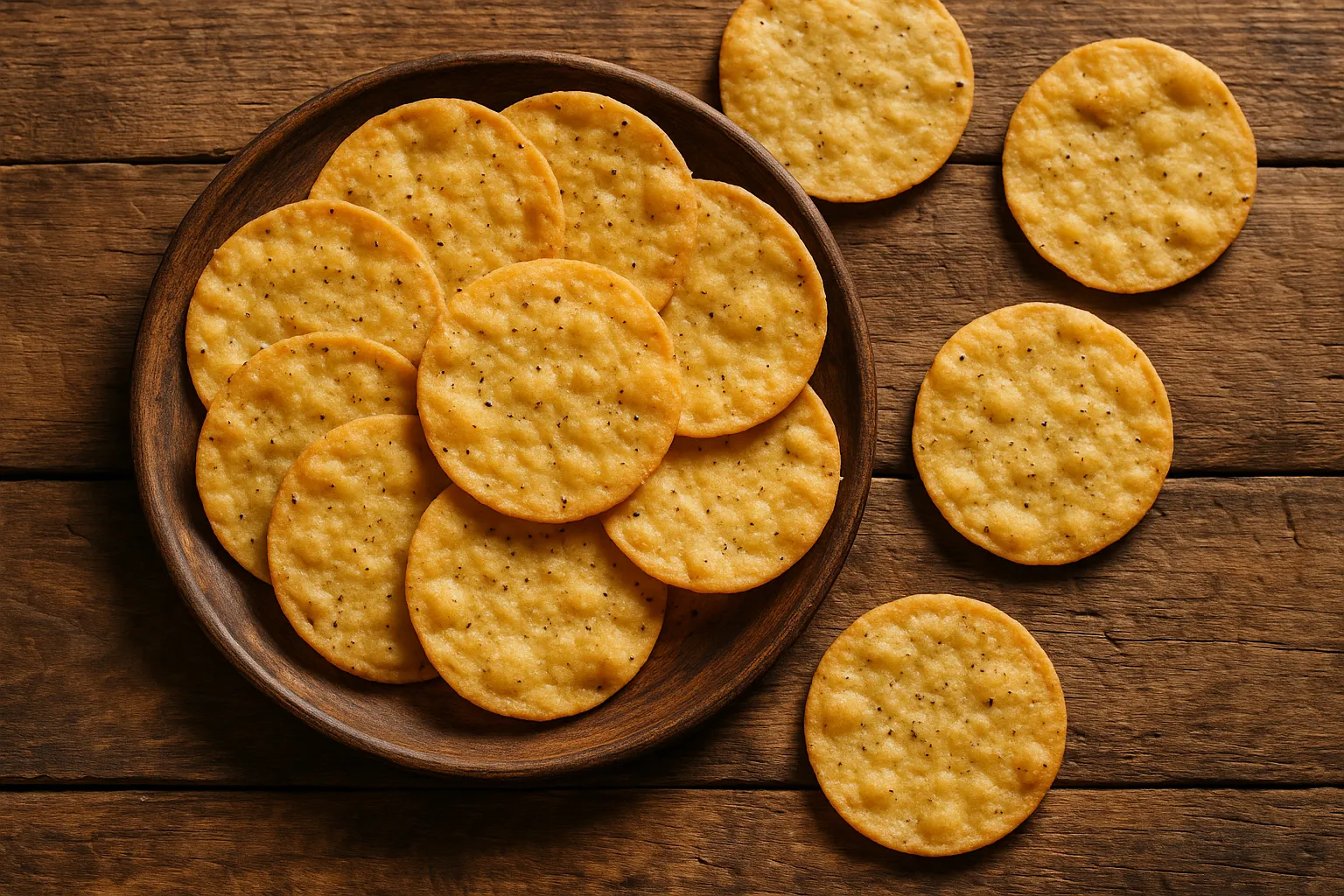
Crispy, flat Indian crackers perfect for chaat dishes or enjoying as a standalone crunchy snack with tea.
झटपट न्यूट्रिशन फैक्ट्स
प्रति 100g
| पोषक तत्व | मात्रा |
|---|---|
| कैलोरी | 450 kcal |
| प्रोटीन | 10g |
| कार्बोहाइड्रेट | 55g |
| फाइबर | 2.5g |
| शुगर | 1.5g |
| वसा | 20g |
| सोडियम | 580mg |
| आयरन | 3mg |
| कैल्शियम | 45mg |
| Phosphorus | 120mg |
मैक्रोन्यूट्रिएंट ब्रेकडाउन
 ChatGPT
  Claude
  AI Mode
  Perplexity
पोषण विशेषज्ञ की सलाह
Papdi's crispy texture comes from refined flour rolled thin and तला हुआ. With 450 कैलोरी प्रति 100g, it's lighter than many तला हुआ snacks. Enjoy 6-8 pieces (20-25g) as part of balanced chaat with yogurt and vegetables, or limit plain consumption to small हिस्से.
मिथक बनाम सच
मिथक #1: Papdi Is Just Empty कैलोरी With No पोषक तत्व
सच्चाई: जबकि refined flour-based, Papdi प्रदान करता है 10g प्रोटीन प्रति 100g from wheat flour, plus आयरन (3mg), calcium (45mg), and phosphorus (120mg). हालांकि, the deep-frying adds unnecessary कैलोरी. बेक किया हुआ versions retain पोषक तत्व with 40% fewer कैलोरी.
मिथक #2: Eating Papdi Chaat Is Healthier Than Plain Papdi
सच्चाई: Papdi Chaat can be healthier जब made with yogurt (प्रोटीन, probiotics), chickpeas (फाइबर), and vegetables (विटामिन). हालांकि, excessive sweet tamarind chutney adds 50-80 कैलोरी per tablespoon. Control chutney हिस्से; emphasize yogurt and veggies.
मिथक #3: Papdi Made With Refined Flour Causes Instant Weight Gain
सच्चाई: No single food causes instant weight gain. Weight gain results from sustained calorie surplus over time. A 30g Papdi serving (135 कैलोरी) fits into balanced diets. Focus on overall दैनिक कैलोरी and nutrient balance, not individual foods.
मिथक #4: Papdi Is the Healthiest Namkeen Option
सच्चाई: Papdi (450 kcal, 20g वसा प्रति 100g) is मध्यम compared to Bhujia (540 kcal, 46g वसा) but higher than बेक किया हुआ options. Healthiest namkeen alternatives: भुना हुआ chana (370 kcal, 6g वसा), khakhra (360 kcal, 5g वसा), or makhana (350 kcal, 1g वसा).
मिथक #5: You Can Eat Unlimited Papdi If You Skip Other कार्ब्स
सच्चाई: जबकि reducing other कार्ब्स creates room calorically, Papdi lacks the फाइबर, विटामिन, and खनिज in whole grains. Replacing chapati or rice entirely with Papdi misses आवश्यक पोषक तत्व. Enjoy as occasional snack; prioritize whole grains for दैनिक carbohydrate needs.
मिथक #6: Homemade Papdi Is हमेशा Healthier
सच्चाई: Homemade Papdi can be healthier with whole wheat flour and baking/air-frying (reducing वसा by 60-70%). हालांकि, traditional deep-तला हुआ homemade Papdi has similar कैलोरी to packaged versions. The preparation method matters more than homemade vs. store-bought.
हेल्थ गोल्स के हिसाब से न्यूट्रीस्कोर
| स्वास्थ्य लक्ष्य | NutriScore | यह स्कोर क्यों? |
|---|---|---|
| वजन घटाना |  | Moderate calorie density (450 kcal/100g). A 20g हिस्सा (6-8 pieces) प्रदान करता है 90 कैलोरी. Better than many तला हुआ snacks; limit to 20-25g servings 1-2 times weekly. |
| मांसपेशी वृद्धि | | प्रदान करता है 10g प्रोटीन and quick energy from कार्ब्स (55g). Pair with high-प्रोटीन chaat toppings (chickpeas, yogurt, paneer) for post-workout snack or light meal. |
| डायबिटीज प्रबंधन |  | Refined flour base with high glycemic index (70-75). Spikes ब्लड शुगर quickly. Limit to 15g हिस्से (3-4 pieces), pair with प्रोटीन and फाइबर, monitor glucose. |
| पीसीओएस प्रबंधन | | Refined कार्ब्स (55g प्रति 100g) affect insulin sensitivity. Reserve as occasional treat (15-20g monthly); choose whole grain crackers or nuts for regular snacking. |
| गर्भावस्था पोषण | | प्रदान करता है आयरन (3mg) and calcium (45mg), but refined flour lacks folate. Safe in 25-30g हिस्से 2-3 times weekly; prioritize whole grains and fortified foods दैनिक. |
| Viral/Flu Recovery |  | Easy to digest, प्रदान करता है quick energy. Light and crispy texture suitable के दौरान low appetite. Pair with warm soup or dal for balanced recovery meal. |
व्यक्तिगत पोषण
अपने भोजन को ट्रैक करें with NutriScan for personalized NutriScores based on your specific health goals!
ब्लड शुगर रेस्पॉन्स to Papdi
Understanding how Papdi affects your रक्त ग्लूकोज मदद करता है with हिस्सा sizes and meal pairing.
सामान्य ग्लूकोज प्रतिक्रिया वक्र
यह चार्ट दिखाता है typical रक्त ग्लूकोज response for general स्वस्थ individuals. व्यक्तिगत प्रतिक्रियाएं भिन्न हो सकती हैं. यह मेडिकल सलाह नहीं है.
स्पाइक को कैसे कम करें
Pairing Papdi with प्रोटीन and फाइबर significantly कम करता है ब्लड शुगर spikes:
- 🥛 Thick yogurt or Greek yogurt - Adds 10g प्रोटीन प्रति 100g, probiotics for gut health
- 🥒 उबला हुआ chickpeas (chana) - प्रदान करता है 9g प्रोटीन and 7.6g फाइबर प्रति 100g
- 🥗 Chopped vegetables (tomato, onion, cucumber) - Adds volume, फाइबर, विटामिन with minimal कैलोरी
- 🌿 ताज़ा coriander and mint chutney - Antioxidants and flavor without excess शुगर
This combination creates balanced Papdi Chaat that प्रदान करता है sustained energy and better satiety.
सांस्कृतिक महत्व
Papdi holds a special place in Indian street food culture and festive celebrations.
In India:
- आवश्यक ingredient in beloved chaat dishes: Papdi Chaat, Dahi Papdi, Sev Papdi
- Originated in North India, विशेष रूप से Delhi, Uttar Pradesh, and Punjab
- Street food vendors create elaborate chaat with layers of papdi, yogurt, chutneys, and sev
- Served के दौरान festivals like Holi, Diwali, and family gatherings
- Represents the Indian tradition of balancing textures (crispy papdi with creamy yogurt)
Chaat Culture:
- Chaat means "to lick" in Hindi, referring to finger-licking deliciousness
- Combines six tastes (sweet, sour, salty, spicy, bitter, astringent) in one dish
- Street chaat vendors are culinary artists creating customized flavor combinations
- Modern fusion शामिल है Papdi Nachos, Papdi Avocado Chaat, and Pizza Papdi
तुलना और विकल्प
Papdi vs Similar Snacks (प्रति 100g)
| पोषक तत्व | 🥨 Papdi | 🍞 Khakhra | 🥜 भुना हुआ Chana | 🌽 बेक किया हुआ Nachos |
|---|---|---|---|---|
| कैलोरी | 450 kcal | 360 kcal | 370 kcal | 480 kcal |
| कार्ब्स | 55g | 68g | 61g | 63g |
| फाइबर | 2.5g | 5g | 12g | 4g |
| प्रोटीन | 10g | 12g | 20g | 7g |
| वसा | 20g | 5g | 6g | 21g |
| आयरन | 3mg | 4mg | 5mg | 1.5mg |
| सोडियम | 580mg | 450mg | 200mg | 720mg |
| कैल्शियम | 45mg | 80mg | 105mg | 150mg |
| सबसे अच्छा | Chaat, occasional snack | Weight loss, डायबिटीज | प्रोटीन snack, वजन घटाना | Movie snack, dips |
अक्सर पूछे सवाल
Is Haldiram's Papdi स्वस्थ?
Papdi is a moderately caloric snack (450 kcal प्रति 100g) made from refined flour and तला हुआ in oil. जबकि it प्रदान करता है some प्रोटीन (10g), आयरन (3mg), and calcium (45mg), the deep-frying adds unnecessary वसा (20g प्रति 100g).
Best practices: Limit to 20-30g servings (6-10 pieces = 90-135 कैलोरी); enjoy 1-2 times weekly; use in balanced chaat with yogurt, chickpeas, and vegetables; avoid eating entire packs in one sitting; choose बेक किया हुआ or air-तला हुआ alternatives जब possible.
How many कैलोरी are in Papdi?
Haldiram's Papdi शामिल है approximately 450 कैलोरी प्रति 100g. Typical servings: 6-8 pieces (20g) = 90 कैलोरी; 10-12 pieces (30g) = 135 कैलोरी; small pack (100g) = 450 कैलोरी.
For weight management, stick to 20-25g हिस्से (90-112 कैलोरी) and account for additional कैलोरी from chaat toppings (yogurt, chutneys, sev).
Can diabetics eat Papdi?
Diabetics should limit Papdi consumption due to its refined flour base and high glycemic index (70-75). The rapid carbohydrate digestion causes quick ब्लड शुगर spikes.
Tips for diabetics: Limit to 15-20g हिस्से (3-6 pieces = 68-90 कैलोरी); pair with thick yogurt (प्रोटीन), उबला हुआ chickpeas (फाइबर), and vegetables; avoid sweet tamarind chutney; test ब्लड शुगर 2 hours बाद में eating; choose whole wheat or multigrain alternatives; consider as occasional treat (monthly), not regular snack.
क्या है: Papdi used for?
Papdi serves multiple culinary purposes in Indian cuisine:
Primary Uses: Foundation for Papdi Chaat (with yogurt, chickpeas, chutneys); Dahi Papdi (layered with yogurt and spices); Sev Papdi (topped with sev and chutneys); standalone tea-time snack.
Modern Uses: Papdi Nachos (Mexican-Indian fusion); Papdi Tacos; Papdi Pizza; Papdi Avocado Chaat; crouton substitute in soups; crunchy topping for salads.
The flat, crispy texture makes Papdi perfect for layering flavors and textures in elaborate chaat dishes.
Is Papdi good for वजन घटाना?
Papdi is not ideal for वजन घटाना but can fit in संयम. At 450 कैलोरी प्रति 100g, it's more calorie-dense than whole grains (chapati: 297 kcal, brown rice: 370 kcal प्रति 100g).
If सहित के दौरान वजन घटाना: Limit to 15-20g हिस्से (68-90 कैलोरी) once weekly; make प्रोटीन-rich chaat with thick yogurt (10g प्रोटीन प्रति 100g), उबला हुआ chickpeas (9g प्रोटीन), and vegetables; avoid तला हुआ toppings (sev) and excess chutneys; choose बेक किया हुआ papdi alternatives (180 kcal, 4g वसा प्रति 100g); track total दैनिक कैलोरी सहित all chaat components.
Better वजन घटाना snacks: भुना हुआ makhana (350 kcal, 1g वसा), air-popped popcorn (387 kcal, 4g वसा), cucumber slices with hummus (50 kcal प्रति सर्विंग).
क्या है: Papdi made of?
Papdi ingredients: Refined wheat flour (maida), water, salt, carom seeds (ajwain), vegetable oil (for frying), sometimes ghee or oil in dough.
Preparation: Flour, salt, and ajwain are mixed with water and small amount of oil to form stiff dough; rested for 15-20 minutes; rolled very thin (1-2mm); cut into circles or diamond shapes; deep-तला हुआ in hot oil until golden and crispy; drained and cooled; stored in airtight containers.
Healthier variations: Whole wheat flour बढ़ाता है फाइबर (from 2.5g to 8g प्रति 100g); baking or air-frying कम करता है वसा (from 20g to 4-6g); adding seeds (flax, sesame) boosts पोषक तत्व.
How much Papdi can I eat per day?
General Guidelines:
- 20-25g दैनिक - For regular snackers (90-112 कैलोरी, 6-8 pieces)
- 30g occasionally - For active individuals as part of balanced chaat (135 कैलोरी, 10-12 pieces)
- Avoid दैनिक consumption - For वजन घटाना, डायबिटीज, or पीसीओएस
अनुशंसित frequency: 1-2 times weekly rather than दैनिक; use as chaat base with पौष्टिक toppings; prioritize whole grains (roti, brown rice) for दैनिक carbohydrate needs.
Portion control tips: Count pieces instead of eating from bags; use small bowls (holds 15-20g); pre-हिस्सा into small containers; pair with filling yogurt and vegetables to limit Papdi quantity.
Can I make healthier Papdi at home?
Yes! Homemade Papdi can be significantly healthier with these modifications:
Healthier Ingredients: Use whole wheat flour instead of refined flour (adds 5.5g फाइबर प्रति 100g); mix in multigrain flour (ragi, jowar) for खनिज; add ground flaxseed (omega-3 fatty acids).
Healthier Cooking: Bake at 180°C/356°F for 15-20 minutes (कम करता है वसा from 20g to 4-6g प्रति 100g); air-fry at 200°C/392°F for 8-10 minutes (कम करता है वसा by 70%); brush lightly with oil instead of deep-frying.
Nutritional improvement: बेक किया हुआ whole wheat Papdi: 320 kcal, 15g प्रोटीन, 8g फाइबर, 5g वसा प्रति 100g versus traditional: 450 kcal, 10g प्रोटीन, 2.5g फाइबर, 20g वसा.
Store homemade Papdi in airtight containers for 2-3 weeks.


समान पौष्टिक खाद्य पदार्थ
4505 Chicharrones Classic Chili Salt
7 Eleven Japan Crispy Corn Cheese
Explore More Nutrition Tools & Resources
40 साल के Male के लिए Diet Plan
AI Calorie Counter App: photo लो, calories देखो, free
AI Nutritionist App: Monika से meals पर बात करो
Best Protein Supplements Women के लिए
Bulking Meal Plan App: surplus और protein एक साथ
ChatGPT Calorie Counter Alternative: जो total भी याद रखे
ChatGPT Diet Plan Alternative: जो खाया वो track भी करे
ChatGPT Weight Loss Coach Alternative: वज़न भी track करे
Fast Food Calorie Counter App: burger की calories photo से
Indian Diet Plan App: dal, roti, sabzi का सही हिसाब
Indian Food Calorie Calculator
Indian Food Calorie Calculator - भारतीय खाने के लिए तुरंत Nutrition Facts — 2026
Intermittent Fasting App for Women: timer साथ meal log भी
Intermittent Fasting Tracker App - Free Timer, बिना Trial
Macro Tracker App: फोटो से भरें protein, carb, fat
Mediterranean Diet Meal Plan App: तेल भी गिने
Monthly Grocery List Generator
Nutrition Label Scanner App: आपके खाए हिस्से का हिसाब
Vegetarian Meal Plan App: protein target वाला 28 दिन का plan
Voice-Activated Calorie Counter - बोलकर Log करें Meals और Track करें Nutrition Hands-Free — 2026
Water Tracker App: free पानी और Calorie Log