मसाला पनीर: कैलोरी, पोषण और स्वास्थ्य लाभ
India's ultimate high-प्रोटीन vegetarian dish, loaded with calcium, complete amino acids, and anti-inflammatory spices for muscle building and metabolic health.
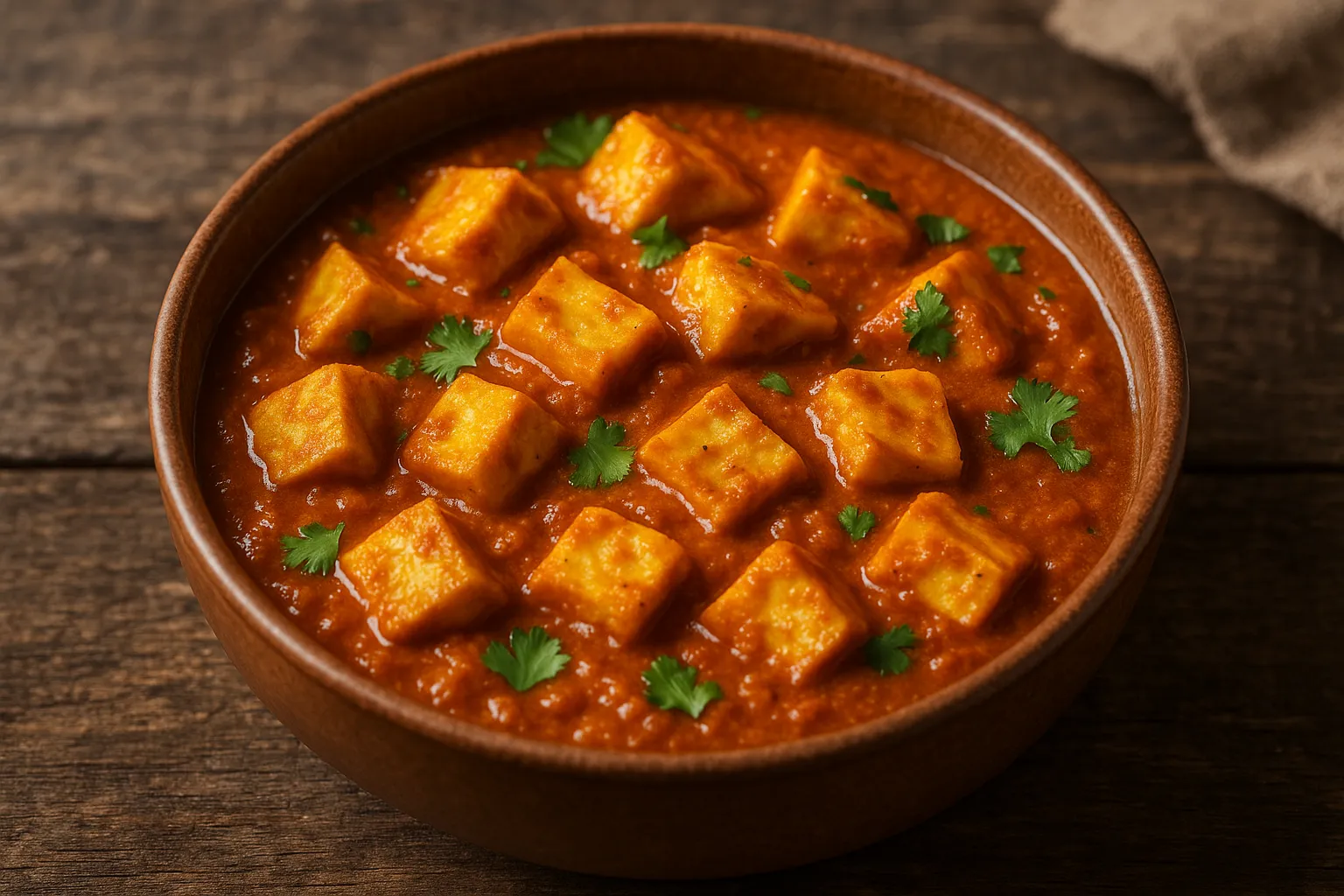
त्वरित पोषण तथ्य
प्रति 100g Serving (पका हुआ)
| पोषक तत्व | मात्रा |
|---|---|
| कैलोरी | 200 kcal |
| प्रोटीन | 20g |
| कार्ब्स | 6g |
| फाइबर | 0.8g |
| शुगर | 2g |
| फैट | 11g |
| कैल्शियम | 700mg |
| फॉस्फोरस | 400mg |
| मैग्नीशियम | 35mg |
| विटामिन B12 | 0.7mcg |
मैक्रोन्यूट्रिएंट टूटना
 ChatGPT
  Claude
  AI Mode
  Perplexity
पोषण विशेषज्ञ की सलाह
मसाला पनीर combines complete vegetarian प्रोटीन (20g प्रति 100g) with 700mg calcium—matching dairy जबकि delivering anti-inflammatory spices (turmeric, cumin). The slow-digesting casein प्रोटीन makes it ideal for sustained muscle growth and satiety, विशेष रूप से post-workout जब paired with complex कार्ब्स.
मिथ्या विध्वंसक
मिथक #1: Paneer Is Too High in वसा for वजन घटाना
सच्चाई: At 11g वसा प्रति 100g, मसाला पनीर adds कैलोरी but drives satiety through प्रोटीन and calcium. The high thermic effect of प्रोटीन (20-30% of कैलोरी burned के दौरान digestion) means 20g प्रोटीन in paneer burns 40-60 कैलोरी just processing it. Portion control (100g) makes it weight-loss friendly.
मिथक #2: Paneer Has No कार्ब्स, So Diabetics Must Avoid It
सच्चाई: With only 6g कार्ब्स प्रति 100g and virtually no impact on रक्त ग्लूकोज, paneer is excellent for diabetics. The high प्रोटीन (20g) and calcium (700mg) support metabolic health and reduce डायबिटीज progression risk. Low GI means safe consumption.
मिथक #3: Store-Bought Paneer Loses Nutritional Value
सच्चाई: Commercial paneer retains 95% of whey-concentrated पोषक तत्व: all 20g प्रोटीन, 700mg calcium, B विटामिन, and casein. The production process (milk curdling) actually concentrates पोषक तत्व compared to whole milk. Homemade paneer matches store quality perfectly.
मिथक #4: Cooking Paneer Destroys B12
सच्चाई: विटामिन B12 in paneer is heat-stable up to 100°C; standard curry cooking (80-90°C) retains 90%+ of B12. The 0.7mcg प्रति 100g remains bioavailable even बाद में masala preparation. Overcooking (>120°C) may reduce it slightly.
मिथक #5: Paneer Masala Sauce Ruins स्वास्थ्य लाभ
सच्चाई: Spices in masala (turmeric, coriander, cumin) enhance nutrient absorption and add anti-inflammatory polyphenols. Turmeric's curcumin and Black pepper's piperine boost bioavailability of वसा-soluble विटामिन by 50-200%. Tomato-based sauces add lycopene—choose these over cream-based for superior health.
न्यूट्रीस्कोर by स्वास्थ्य लक्ष्य
| स्वास्थ्य लक्ष्य | NutriScore | यह स्कोर क्यों? |
|---|---|---|
| वजन घटाना |  | 200 कैलोरी, 20g प्रोटीन (high satiety), 11g वसा. Limit to 100g हिस्से, use less oil, pair with non-starchy vegetables. |
| मांसपेशियों का विकास |  | 20g complete प्रोटीन, 700mg calcium, casein for sustained amino acids. Perfect post-workout with कार्ब्स (rice, roti). 2-3 servings दैनिक सहायता करता है muscle building. |
| डायबिटीज Management | | GI ~10, minimal कार्ब्स (6g), high प्रोटीन रोकता है glucose spikes. कैल्शियम and casein improve insulin sensitivity. |
| पीसीओएस Management | | High प्रोटीन (20g) कम करता है insulin resistance, low कार्ब्स (6g) critical for पीसीओएस. कैल्शियम सहायता करता है hormone regulation. Tomato-based masala adds anti-inflammatory compounds. |
| गर्भावस्था Nutrition | | 700mg calcium सहायता करता है fetal bone development, 20g प्रोटीन for placental growth, B12 (0.7mcg) रोकता है neural tube defects. Excellent प्रोटीन source for vegetarian pregnancies. |
| Viral/Flu Recovery | | 20g प्रोटीन aids immune cell synthesis, 700mg calcium सहायता करता है bone recovery, spices (turmeric) reduce सूजन. Lighter curry with less वसा easier on recovery digestion. |
व्यक्तिगत पोषण
अपने भोजन को ट्रैक करें with NutriScan for personalized NutriScores based on your specific health goals!
ब्लड शुगर रेस्पॉन्स to मसाला पनीर
Understanding how paneer affects your रक्त ग्लूकोज मदद करता है optimize meal pairing, विशेष रूप से for diabetics and weight management.
सामान्य ग्लूकोज प्रतिक्रिया वक्र
यह चार्ट दिखाता है typical रक्त ग्लूकोज response for general स्वस्थ individuals. व्यक्तिगत प्रतिक्रियाएं भिन्न हो सकती हैं. यह मेडिकल सलाह नहीं है.
Optimal Meal Pairing Strategies
- 🍚 Brown rice or basmati rice (1 cup) - Adds कार्ब्स for energy; pair 1:1 paneer to कार्ब्स for balanced macros
- 🥬 High-फाइबर vegetables (spinach, broccoli) - Adds 5-10g फाइबर, slowing carb absorption by 30-50%
- 🧈 Ghee or sesame oil dressing (1 tsp) - स्वस्थ fats enhance calcium and विटामिन absorption
- 🌶️ ताज़ा cilantro and tomato base - Anti-inflammatory compounds, low-glycemic sauces preferred over creamy curries
This combination: maximizes प्रोटीन synthesis for मांसपेशी वृद्धि; minimizes रक्त ग्लूकोज spikes; and extends satiety through फाइबर and वसा.
सांस्कृतिक महत्व
Paneer is a cornerstone of Indian vegetarian cuisine, originating thousands of years ago in South Asia and Central Asia, with documented uses in ancient Indian texts.
In India:
- Paneer appears in Mughal cuisine, विशेष रूप से in North India (Tandoori paneer, Paneer Tikka, Paneer Makhani)
- Named "paneer" from the Persian word "paniir" (whey-derived cheese)
- मसाला पनीर specifically evolved as a vegetarian प्रोटीन for Hindu and Jain populations
- Regional variations: Bengali paneer luchi, Gujarati paneer bhurji, Punjabi paneer kulcha
- Celebrated for sustainable production: whey byproduct used for animal feed and प्रोटीन supplements
Global Impact:
- Indian diaspora popularized paneer across UK, Canada, USA, and Australia; now widely available in supermarkets
- Paneer consumption in vegetarian diets rivals chicken consumption in traditional diets for प्रोटीन equivalence
- Paneer masala features in countless Indian restaurants worldwide; estimated 50+ variations globally
तुलना और विकल्प
मसाला पनीर vs Similar प्रोटीन Sources (प्रति 100g)
| पोषक तत्व | 🧀 Paneer | 🥚 Eggs | 🐔 ग्रिल्ड Chicken | 🌱 Tofu |
|---|---|---|---|---|
| कैलोरी | 200 kcal | 155 kcal | 165 kcal | 76 kcal |
| कार्ब्स | 6g | 1.1g | 0g | 2g |
| फाइबर | 0.8g | 0g | 0g | 0.4g |
| प्रोटीन | 20g | 13g | 31g | 8g |
| फैट | 11g | 11g | 3.6g | 4.8g |
| कैल्शियम | 700mg | 56mg | 11mg | 350mg |
| B12 | 0.7mcg | 1.1mcg | 0.3mcg | 0mcg |
| सबसे अच्छा | Muscle gain, vegetarian | Complete amino acids, versatile | Maximum प्रोटीन, low वसा | Low-calorie, आयरन-free |
अक्सर पूछे जाने वाले प्रश्न
Is मसाला पनीर good for वजन घटाना?
Yes, जब हिस्सा-controlled. The 20g प्रोटीन प्रति 100g activates satiety hormones, reducing overall calorie intake. हालांकि, 11g वसा contributes 200 कैलोरी प्रति सर्विंग. Optimal approach: stick to 100g हिस्से; reduce cooking oil (limit वसा to 8g); pair with non-starchy vegetables; choose tomato-based sauces over cream-based curries which add hidden कैलोरी.
Recommendation: 100g मसाला पनीर + 1 cup vegetables + 150g basmati rice = balanced 350-calorie meal supporting वजन घटाना.
Can diabetics eat मसाला पनीर?
Absolutely. With only 6g कार्ब्स प्रति 100g, a negligible glycemic index, and high प्रोटीन (20g), paneer has virtually zero ब्लड शुगर impact. The calcium and casein प्रोटीन enhance insulin sensitivity and metabolic health. Research shows regular paneer consumption कम करता है डायबिटीज progression risk.
Tip: Pair with high-फाइबर vegetables (spinach, broccoli, okra) to further reduce overall meal glycemic load.
How much प्रोटीन is in मसाला पनीर?
A 100g serving शामिल है 20g प्रोटीन—equivalent to 3 large eggs or 85g skinless chicken breast. This complete vegetarian प्रोटीन शामिल है all nine आवश्यक amino acids in proportions optimal for muscle building. The slow-digesting casein extends amino acid availability for 6-8 hours post-consumption.
For मांसपेशी वृद्धि: Consume 2-3 servings दैनिक (200-300g paneer) distributed across post-workout and प्रोटीन meals.
What are the main स्वास्थ्य लाभ?
Muscle & Bone Health: 20g complete प्रोटीन + 700mg calcium सहायता करता है muscle growth and bone mineral density. Immune Support: B विटामिन and casein enhance immune cell production. Anti-inflammatory: Turmeric and spices reduce joint सूजन and oxidative stress. Sustained Energy: Slow-digesting casein प्रोटीन रोकता है energy crashes unlike whey.
जब should I eat मसाला पनीर?
Muscle gain: Post-workout within 30 minutes, combined with simple कार्ब्स (white rice, banana) for optimal प्रोटीन synthesis. Weight loss: Lunch or early dinner with vegetables; avoids late-night slow digestion. डायबिटीज: With any main meal, ideally paired with high-फाइबर vegetables to मध्यम glycemic response. Best preparation: Tomato-based sauces over cream-based; minimal oil (1-2 tsp); ताज़ा spices for maximum anti-inflammatory compounds.
Is paneer better than tofu?
Both are excellent vegetarian proteins with different advantages:
Paneer: 20g प्रोटीन, 700mg calcium, complete amino acids, slow-digesting casein (sustained release), better for muscle building and हड्डियों का स्वास्थ्य.
Tofu: 8g प्रोटीन, 350mg calcium, lower calorie (76 vs 200), आयरन-rich (विशेष रूप से for women), isoflavones (plant-based estrogen compounds), better for वजन घटाना and आयरन absorption.
Recommendation: Rotate both for complementary benefits—paneer 3x weekly for muscle/bone, tofu 2x weekly for आयरन and lighter meals.


Similar High-प्रोटीन Foods
4505 Chicharrones Classic Chili Salt
7 Eleven Japan Crispy Corn Cheese
Explore More Nutrition Tools & Resources
40 साल के Male के लिए Diet Plan
AI Calorie Counter App: photo लो, calories देखो, free
AI Nutritionist App: Monika से meals पर बात करो
Best Protein Supplements Women के लिए
Bulking Meal Plan App: surplus और protein एक साथ
ChatGPT Calorie Counter Alternative: जो total भी याद रखे
ChatGPT Diet Plan Alternative: जो खाया वो track भी करे
ChatGPT Weight Loss Coach Alternative: वज़न भी track करे
Fast Food Calorie Counter App: burger की calories photo से
Indian Diet Plan App: dal, roti, sabzi का सही हिसाब
Indian Food Calorie Calculator
Indian Food Calorie Calculator - भारतीय खाने के लिए तुरंत Nutrition Facts — 2026
Intermittent Fasting App for Women: timer साथ meal log भी
Intermittent Fasting Tracker App - Free Timer, बिना Trial
Macro Tracker App: फोटो से भरें protein, carb, fat
Mediterranean Diet Meal Plan App: तेल भी गिने
Monthly Grocery List Generator
Nutrition Label Scanner App: आपके खाए हिस्से का हिसाब
Vegetarian Meal Plan App: protein target वाला 28 दिन का plan
Voice-Activated Calorie Counter - बोलकर Log करें Meals और Track करें Nutrition Hands-Free — 2026
Water Tracker App: free पानी और Calorie Log