Matki Usal: कैलोरी, पोषण और स्वास्थ्य लाभ
Traditional Maharashtrian प्रोटीन powerhouse made from moth beans, packed with पोषक तत्व for muscle health, weight management, and sustained energy.
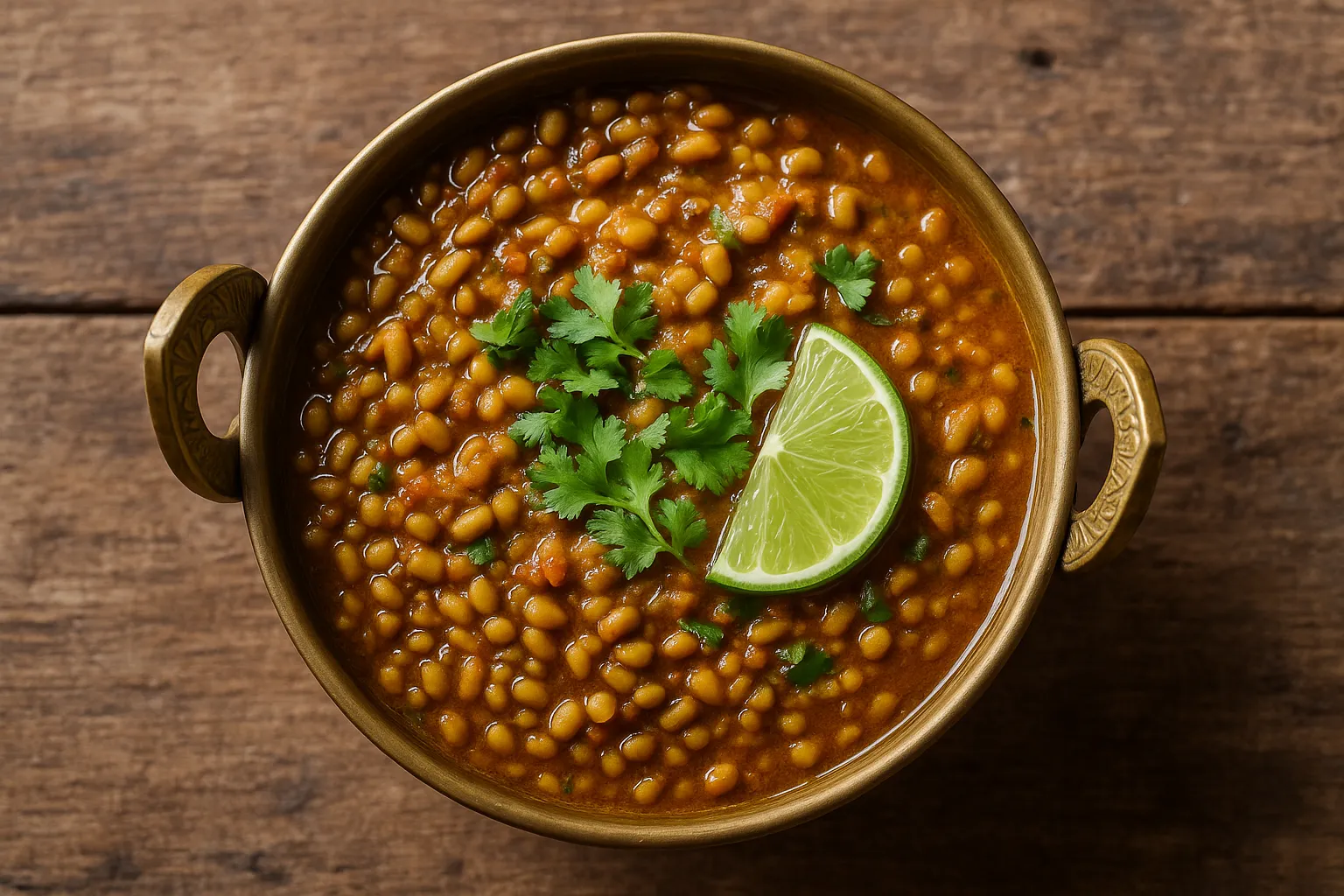
झटपट न्यूट्रिशन फैक्ट्स
प्रति 100g पका हुआ Matki Usal
| पोषक तत्व | मात्रा |
|---|---|
| कैलोरी | 343 kcal |
| प्रोटीन | 24g |
| कार्बोहाइड्रेट | 62g |
| फाइबर | 4g |
| शुगर | 2g |
| वसा | 1.6g |
| आयरन | 7mg |
| मैग्नीशियम | 189mg |
| Folate | 625mcg |
| पोटैशियम | 1246mg |
मैक्रोन्यूट्रिएंट ब्रेकडाउन
 ChatGPT
  Claude
  AI Mode
  Perplexity
पोषण विशेषज्ञ की सलाह
Matki usal प्रदान करता है an impressive 24g प्रोटीन प्रति 100g, making it one of the highest plant-based प्रोटीन sources. The combination of प्रोटीन and फाइबर सहायता करता है sustained energy, muscle health, and weight management.
मिथक बनाम सच
मिथक #1: Legumes Like Matki Cause Bloating for Everyone
सच्चाई: जबकि some people experience bloating, proper soaking and cooking methods reduce anti-पोषक तत्व and make matki easier to digest. Soak overnight, discard water, cook thoroughly, and start with small हिस्से to build tolerance.
मिथक #2: Matki Usal Is Too High in कार्ब्स for वजन घटाना
सच्चाई: The 24g प्रोटीन and 4g फाइबर promote fullness and muscle preservation के दौरान वजन घटाना. जब prepared with minimal oil and paired with vegetables, matki usal सहायता करता है sustainable weight management despite the carb content.
मिथक #3: Plant Proteins Are Inferior to Animal Proteins
सच्चाई: Moth beans provide a complete amino acid profile जब combined with grains throughout the day. Plant-based proteins support muscle building effectively and offer additional benefits like फाइबर, एंटीऑक्सीडेंट, and lower saturated वसा.
मिथक #4: Diabetics Should Avoid All Legumes
सच्चाई: Matki has a low to medium glycemic index and high फाइबर content that मदद करता है stabilize ब्लड शुगर. The प्रोटीन and फाइबर slow glucose absorption, making it suitable for diabetic meal plans in मध्यम हिस्से.
हेल्थ गोल्स के हिसाब से न्यूट्रीस्कोर
| स्वास्थ्य लक्ष्य | NutriScore | यह स्कोर क्यों? |
|---|---|---|
| वजन घटाना |  | High प्रोटीन (24g) and फाइबर (4g) promote fullness. Prepare with minimal oil, control हिस्से to 100-150g. |
| मांसपेशी वृद्धि | | Excellent plant-based प्रोटीन source (24g प्रति 100g). प्रदान करता है आयरन, magnesium, and पोटैशियम for muscle recovery. |
| डायबिटीज प्रबंधन |  | Low to medium GI, high फाइबर controls ब्लड शुगर. Limit to 100-150g, pair with vegetables, avoid excess oil. |
| पीसीओएस प्रबंधन | | High प्रोटीन सहायता करता है hormonal balance, low glycemic impact benefits insulin sensitivity. Excellent choice for पीसीओएस-friendly meals. |
| गर्भावस्था पोषण | | Rich in folate (625mcg), आयरन, and प्रोटीन for fetal development. सहायता करता है maternal health and ऊर्जा स्तर. |
| Viral/Flu Recovery | | High प्रोटीन सहायता करता है immune function and tissue repair. Easy to digest जब पका हुआ well. प्रदान करता है आवश्यक खनिज. |
व्यक्तिगत पोषण
अपने भोजन को ट्रैक करें with NutriScan for personalized NutriScores based on your specific health goals!
ब्लड शुगर रेस्पॉन्स to Matki Usal
Understanding how matki usal affects रक्त ग्लूकोज मदद करता है with पोर्शन कंट्रोल and meal planning.
सामान्य ग्लूकोज प्रतिक्रिया वक्र
यह चार्ट दिखाता है typical रक्त ग्लूकोज response for स्वस्थ individuals to 150g matki usal. Individual responses vary. यह मेडिकल सलाह नहीं है.
कैसे करें: Optimize Blood शुगर Control
Combining matki usal with vegetables and स्वस्थ fats further stabilizes ब्लड शुगर and enhances nutrient absorption:
- 🥬 Leafy greens or mixed vegetables - Adds फाइबर and micronutrients
- 🥑 Small amount of avocado or nuts - स्वस्थ fats slow digestion
- 🍋 Lemon juice or vinegar - May improve insulin sensitivity
- 🌶️ Spices like turmeric and cumin - Anti-inflammatory benefits
This combination creates a balanced meal with sustained energy release and minimal glucose spikes.
सांस्कृतिक महत्व
Matki (moth beans) has been cultivated in India for thousands of years, विशेष रूप से in Maharashtra, Rajasthan, and Gujarat.
In Maharashtra:
- Matki usal is a staple breakfast and dinner dish, अक्सर served with pav (bread rolls)
- Traditional preparation शामिल है overnight soaking and sprouting for enhanced nutrition
- Part of Maharashtrian street food culture, served at usal stalls and restaurants
- Considered an economical and पौष्टिक प्रोटीन source for all socioeconomic groups
In Indian Cuisine:
- Used in various regional dishes: Rajasthani matki curry, Gujarati matki dhokla
- Sprouted matki used in salads and chaats for extra nutrition
- Ayurveda recognizes matki as warming and nourishing for vata and kapha doshas
- Growing in popularity as plant-based प्रोटीन gains recognition
Nutritional Heritage:
- प्रदान करता है affordable, sustainable प्रोटीन for millions of Indians
- Drought-resistant crop supporting agricultural sustainability
- Part of India's rich legume diversity alongside moong, chana, and masoor
तुलना और विकल्प
Matki Usal vs Similar Legume Dishes (प्रति 100g)
| पोषक तत्व | 🥘 Matki Usal | 🌱 Moong Usal | 🥘 Chana Masala | 🥘 Rajma Curry |
|---|---|---|---|---|
| कैलोरी | 343 kcal | 347 kcal | 164 kcal | 127 kcal |
| कार्ब्स | 62g | 63g | 27g | 23g |
| फाइबर | 4g | 16g | 8g | 6g |
| प्रोटीन | 24g | 24g | 9g | 8.7g |
| वसा | 1.6g | 1.2g | 3g | 0.5g |
| आयरन | 7mg | 6.7mg | 3mg | 2.4mg |
| Folate | 625mcg | 625mcg | 172mcg | 130mcg |
| पोटैशियम | 1246mg | 1246mg | 291mg | 405mg |
| सबसे अच्छा | High प्रोटीन | फाइबर boost | Lower calorie | Kidney health |
अक्सर पूछे सवाल
Is matki usal good for वजन घटाना?
Yes, matki usal सहायता करता है वजन घटाना effectively. With 24g प्रोटीन प्रति 100g and 4g फाइबर, it बढ़ावा देता है fullness and मदद करता है preserve muscle mass के दौरान calorie restriction.
Best practices: Prepare with minimal oil (1-2 tsp प्रति सर्विंग); control हिस्से to 100-150g per meal; pair with vegetables and whole grain roti; eat for lunch or early dinner; avoid heavy coconut-based gravies.
Can diabetics eat matki usal?
Diabetics can eat matki usal in संयम. Moth beans have a low to medium glycemic index, and the high प्रोटीन and फाइबर content help stabilize ब्लड शुगर levels.
Tips for diabetics:
- Limit हिस्से to 100-150g per meal
- Pair with plenty of non-starchy vegetables
- Avoid adding शुगर or jaggery to the recipe
- Monitor ब्लड शुगर 2 hours बाद में eating
- Choose sprouted matki for even better glycemic control
हमेशा consult your healthcare provider लगभग सहित legumes in your diabetic meal plan.
How much प्रोटीन is in matki usal?
Matki usal शामिल है approximately 24 grams of प्रोटीन प्रति 100g, making it one of the richest plant-based प्रोटीन sources. A typical serving (150g) प्रदान करता है लगभग 36g of प्रोटीन, comparable to a large chicken breast.
This high प्रोटीन content makes matki usal excellent for muscle building, वजन घटाना, गर्भावस्था, and vegetarian/vegan diets.
What are the main स्वास्थ्य लाभ of matki usal?
Key Benefits:
- High प्रोटीन: 24g प्रति 100g सहायता करता है muscle health, satiety, and tissue repair
- Rich in Folate: 625mcg सहायता करता है गर्भावस्था, हृदय स्वास्थ्य, and cell division
- आयरन-Rich: 7mg मदद करता है prevent anemia and सहायता करता है ऊर्जा स्तर
- Blood शुगर Control: Low GI and high फाइबर stabilize glucose levels
- Heart Health: मैग्नीशियम, पोटैशियम, and फाइबर support cardiovascular function
- Weight Management: प्रोटीन and फाइबर combination बढ़ावा देता है fullness and lean muscle preservation
जब is the best time to eat matki usal?
Depends on your goal:
- वजन घटाना: Lunch or early dinner (पहले 7 PM). Avoid late-night consumption for better digestion.
- मांसपेशी वृद्धि: Post-workout meal or dinner. प्रदान करता है amino acids for muscle recovery.
- डायबिटीज: Lunch paired with vegetables and roti. Monitor हिस्सा sizes.
- General Health: Lunch is optimal for प्रोटीन-rich legume meals, allowing time for digestion.
IMPORTANT NOTE
Some people may experience bloating or gas from legumes. Start with smaller हिस्से and ensure thorough cooking to improve digestibility.
Is matki the same as moong?
No, matki (moth beans) and moong (mung beans) are different legumes, though both are पौष्टिक:
Matki (Moth Beans):
- Smaller, darker brown color
- Slightly higher प्रोटीन (24g vs 24g प्रति 100g dry)
- Firmer texture
- Traditional in Maharashtrian cuisine
Moong (Mung Beans):
- Larger, green color (can be yellow जब split)
- Higher फाइबर जब whole (16g vs 4g)
- Softer, easier to digest
- Widely used across India
Both are excellent प्रोटीन sources and can be used interchangeably in many recipes, though cooking times and textures differ.
How do I prepare matki to reduce bloating?
Steps to Improve Digestibility:
- Soak overnight (8-12 hours) in plenty of water
- Discard soaking water and rinse thoroughly
- Add a pinch of asafoetida (hing) जबकि cooking to reduce gas
- Cook thoroughly until soft and tender
- Start with small हिस्से (50-75g) and gradually increase
- Consider sprouting for 24-48 hours पहले cooking
These methods reduce anti-पोषक तत्व and complex sugars that cause digestive discomfort.
How many times per week should I eat matki usal?
General Guidelines:
- 3-4 times per week - Most people (variety is महत्वपूर्ण)
- दैनिक - Vegetarians/vegans needing consistent प्रोटीन sources
- 2-3 times per week - If you experience digestive discomfort
Rotate with other प्रोटीन sources: eggs, paneer, chicken, tofu, chana, rajma, moong for nutritional variety and better digestion.
अपने भोजन को ट्रैक करें with NutriScan app to ensure balanced nutrition and achieve your health goals.


समान पौष्टिक खाद्य पदार्थ
4505 Chicharrones Classic Chili Salt
7 Eleven Japan Crispy Corn Cheese
Explore More Nutrition Tools & Resources
40 साल के Male के लिए Diet Plan
AI Calorie Counter App: photo लो, calories देखो, free
AI Nutritionist App: Monika से meals पर बात करो
Best Protein Supplements Women के लिए
Bulking Meal Plan App: surplus और protein एक साथ
ChatGPT Calorie Counter Alternative: जो total भी याद रखे
ChatGPT Diet Plan Alternative: जो खाया वो track भी करे
ChatGPT Weight Loss Coach Alternative: वज़न भी track करे
Fast Food Calorie Counter App: burger की calories photo से
Indian Diet Plan App: dal, roti, sabzi का सही हिसाब
Indian Food Calorie Calculator
Indian Food Calorie Calculator - भारतीय खाने के लिए तुरंत Nutrition Facts — 2026
Intermittent Fasting App for Women: timer साथ meal log भी
Intermittent Fasting Tracker App - Free Timer, बिना Trial
Macro Tracker App: फोटो से भरें protein, carb, fat
Mediterranean Diet Meal Plan App: तेल भी गिने
Monthly Grocery List Generator
Nutrition Label Scanner App: आपके खाए हिस्से का हिसाब
Vegetarian Meal Plan App: protein target वाला 28 दिन का plan
Voice-Activated Calorie Counter - बोलकर Log करें Meals और Track करें Nutrition Hands-Free — 2026
Water Tracker App: free पानी और Calorie Log