Mixed Salad: कैलोरी, पोषण और स्वास्थ्य लाभ
The ultimate low-calorie powerhouse packed with विटामिन, खनिज, and फाइबर for every health goal.
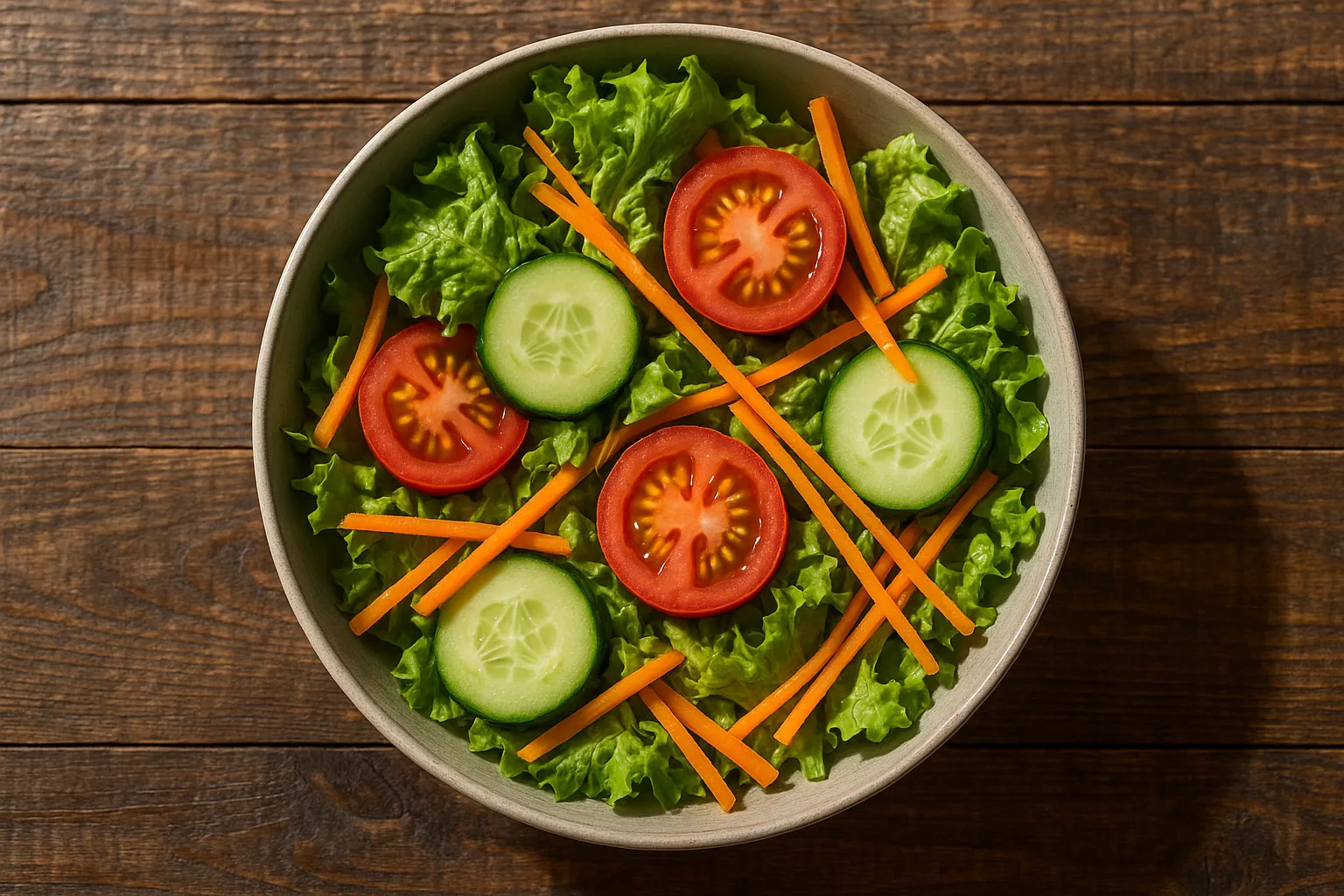
झटपट न्यूट्रिशन फैक्ट्स
प्रति 100g (1 cup)
| पोषक तत्व | मात्रा |
|---|---|
| कैलोरी | 20 kcal |
| प्रोटीन | 1.2g |
| कार्बोहाइड्रेट | 4g |
| फाइबर | 1.8g |
| शुगर | 2.1g |
| वसा | 0.2g |
| विटामिन A | 180mcg |
| विटामिन C | 15mg |
| विटामिन K | 85mcg |
| Folate | 40mcg |
| पोटैशियम | 195mg |
मैक्रोन्यूट्रिएंट ब्रेकडाउन
 ChatGPT
  Claude
  AI Mode
  Perplexity
पोषण विशेषज्ञ की सलाह
Mixed salad प्रदान करता है high nutrient density with minimal कैलोरी. The variety of vegetables ensures diverse phytonutrients, एंटीऑक्सीडेंट, and फाइबर that support पाचन स्वास्थ्य and weight management.
मिथक बनाम सच
मिथक #1: Salads Don't Provide Enough Nutrition
सच्चाई: Mixed salad delivers आवश्यक विटामिन A, C, K, and folate. The variety of vegetables प्रदान करता है diverse phytonutrients and एंटीऑक्सीडेंट. Add प्रोटीन and स्वस्थ fats for complete nutrition.
मिथक #2: Salads Are Only for वजन घटाना
सच्चाई: जबकि excellent for weight management (20 कैलोरी प्रति 100g), mixed salad benefits everyone. The फाइबर, विटामिन, and खनिज support पाचन स्वास्थ्य, immunity, and chronic disease prevention regardless of weight goals.
मिथक #3: कच्चा Vegetables Are Hard to Digest
सच्चाई: Most people digest कच्चा vegetables well. The फाइबर aids digestion and बढ़ावा देता है स्वस्थ gut bacteria. If sensitive, start with smaller हिस्से or lightly steam some vegetables जबकि keeping others कच्चा for enzyme benefits.
मिथक #4: You Need Dressing for पोषक तत्व Absorption
सच्चाई: जबकि वसा aids absorption of वसा-soluble विटामिन (A, K), you don't need heavy dressing. A teaspoon of olive oil or a few nuts प्रदान करता है enough वसा. Many पोषक तत्व absorb well without added fats.
मिथक #5: Salads Make You Hungry Quickly
सच्चाई: Plain salad alone may not satisfy, but adding प्रोटीन (chicken, chickpeas) and स्वस्थ fats (nuts, avocado) creates lasting fullness. The 1.8g फाइबर प्रति 100g also बढ़ावा देता है satiety जब combined with adequate प्रोटीन.
मिथक #6: Store-Bought Salads Are Just as स्वस्थ
सच्चाई: Pre-made salads अक्सर contain high-calorie dressings, preservatives, and fewer ताज़ा पोषक तत्व. Homemade mixed salad with ताज़ा vegetables प्रदान करता है maximum nutrition, minimal additives, and calorie control.
हेल्थ गोल्स के हिसाब से न्यूट्रीस्कोर
| स्वास्थ्य लक्ष्य | NutriScore | यह स्कोर क्यों? |
|---|---|---|
| वजन घटाना |  | Only 20 कैलोरी प्रति 100g, 1.8g फाइबर बढ़ावा देता है fullness, high water content. Ideal as meal starter or base. |
| मांसपेशी वृद्धि |  | Low कैलोरी but nutrient-dense. Add प्रोटीन (chicken, tofu, beans) for muscle support. |
| डायबिटीज प्रबंधन | | Low glycemic load, 4g कार्ब्स, high फाइबर stabilizes ब्लड शुगर. Pair with प्रोटीन and स्वस्थ fats. |
| पीसीओएस प्रबंधन | | Low calorie, low carb, high फाइबर सहायता करता है insulin sensitivity and weight management. |
| गर्भावस्था पोषण | | Rich in folate (40mcg) for fetal development, विटामिन K, फाइबर रोकता है constipation. |
| Viral/Flu Recovery | | High विटामिन C (15mg) boosts immunity, easy to digest, hydrating. Add प्रोटीन for recovery support. |
व्यक्तिगत पोषण
अपने भोजन को ट्रैक करें with NutriScan for personalized NutriScores based on your specific health goals!
ब्लड शुगर रेस्पॉन्स to Mixed Salad
Understanding how mixed salad affects your रक्त ग्लूकोज shows why it's ideal for stable energy.
सामान्य ग्लूकोज प्रतिक्रिया वक्र
यह चार्ट दिखाता है typical रक्त ग्लूकोज response for general स्वस्थ individuals. व्यक्तिगत प्रतिक्रियाएं भिन्न हो सकती हैं. यह मेडिकल सलाह नहीं है.
कैसे करें: Optimize Blood शुगर Stability
Adding प्रोटीन and स्वस्थ fats to mixed salad further stabilizes रक्त ग्लूकोज:
- 🥚 उबला हुआ eggs or chicken breast - Complete प्रोटीन source
- 🥜 Nuts (almonds, walnuts) - स्वस्थ fats and प्रोटीन
- 🥑 Avocado slices - Monounsaturated fats, फाइबर
- 🫘 Chickpeas or black beans - Plant प्रोटीन and complex कार्ब्स
This combination प्रदान करता है sustained energy, रोकता है hunger, and सहायता करता है metabolic health.
सांस्कृतिक महत्व
Salads have been consumed across cultures for millennia, evolving from simple herb mixtures to diverse vegetable combinations.
In India:
- Mixed vegetable salads (kachumber) served with every meal
- Regional variations: Bengali shukto, South Indian kosambari
- Ayurveda emphasizes कच्चा vegetables for digestive fire (agni)
- Growing modern salad culture in urban areas with diverse ingredients
Global Impact:
- Mediterranean diet emphasizes ताज़ा vegetable salads for longevity
- Middle Eastern fattoush and tabbouleh showcase regional flavors
- Asian salads incorporate unique dressings and ingredients
- Sustainable food source with minimal environmental impact
तुलना और विकल्प
Mixed Salad vs Similar Options (प्रति 100g)
| पोषक तत्व | 🥗 Mixed Salad | 🥒 Cucumber | 🥕 Carrot | 🍅 Tomato |
|---|---|---|---|---|
| कैलोरी | 20 kcal | 16 kcal | 41 kcal | 18 kcal |
| कार्ब्स | 4g | 3.6g | 10g | 3.9g |
| फाइबर | 1.8g | 0.5g | 2.8g | 1.2g |
| प्रोटीन | 1.2g | 0.7g | 0.9g | 0.9g |
| वसा | 0.2g | 0.1g | 0.2g | 0.2g |
| विटामिन A | 180mcg | 5mcg | 835mcg | 42mcg |
| विटामिन C | 15mg | 2.8mg | 5.9mg | 13.7mg |
| सबसे अच्छा | पोषक तत्व variety | Hydration, low-cal | Beta-carotene, vision | Lycopene, हृदय स्वास्थ्य |
अक्सर पूछे सवाल
Is mixed salad good for वजन घटाना?
Yes, mixed salad is excellent for वजन घटाना. With only 20 कैलोरी प्रति 100g and 1.8g फाइबर, it प्रदान करता है high volume with minimal कैलोरी जबकि promoting fullness.
Best practices: Eat 1-2 cups पहले main meals; add lean प्रोटीन (ग्रिल्ड chicken, tofu); use light dressing (lemon juice, olive oil); avoid high-calorie toppings (croutons, cheese, creamy dressings).
Can diabetics eat mixed salad?
Yes, mixed salad is ideal for diabetics. With low कार्बोहाइड्रेट (4g प्रति 100g) and high फाइबर, it has minimal impact on ब्लड शुगर levels.
Tips for diabetics: Pair with प्रोटीन (fish, chicken) and स्वस्थ fats (nuts, avocado); eat as first course to मध्यम subsequent glucose rise; avoid sweet dressings; include bitter greens (arugula, radicchio) for added benefits.
What पोषक तत्व are in mixed salad?
Key पोषक तत्व:
- विटामिन A (180mcg): Eye health, immunity, skin health
- विटामिन C (15mg): Antioxidant protection, collagen synthesis, immunity
- विटामिन K (85mcg): Blood clotting, हड्डियों का स्वास्थ्य
- Folate (40mcg): Cell growth, DNA synthesis, गर्भावस्था support
- पोटैशियम (195mg): हृदय स्वास्थ्य, blood pressure regulation
- फाइबर (1.8g): Digestive health, satiety, ब्लड शुगर control
The variety of vegetables ensures diverse phytonutrients and एंटीऑक्सीडेंट.
जब should I eat mixed salad?
Depends on your goal:
- वजन घटाना: पहले main meals (बढ़ाता है fullness) or as meal replacement with प्रोटीन
- डायबिटीज: With lunch and dinner, eaten first to मध्यम glucose response
- General Health: दैनिक as side dish or meal component
- Digestive Health: Any time; the फाइबर and water content aid digestion
Should salad be eaten कच्चा or पका हुआ?
Both methods offer benefits - combine approaches for optimal nutrition:
कच्चा Mixed Salad:
- Maximum विटामिन C retention
- Preserves enzymes and some B विटामिन
- Better texture and freshness
- Ideal for most vegetables
Lightly पका हुआ:
- बढ़ाता है lycopene availability (tomatoes)
- Enhances beta-carotene absorption (carrots)
- Easier digestion for sensitive individuals
- कम करता है some oxalates
Recommendation: Keep most vegetables कच्चा; lightly steam or sauté vegetables high in वसा-soluble पोषक तत्व.
How much mixed salad should I eat दैनिक?
General Guidelines:
- 2-3 cups (200-300g) दैनिक - Most adults (40-60 कैलोरी, आवश्यक पोषक तत्व)
- 1-2 cups दैनिक - Children, smaller appetites
- 3-4 cups दैनिक - Weight loss goals, high vegetable diets
Benefits of दैनिक consumption: प्रदान करता है फाइबर, विटामिन, खनिज, एंटीऑक्सीडेंट; सहायता करता है पाचन स्वास्थ्य; aids weight management; कम करता है chronic disease risk.
अपने भोजन को ट्रैक करें with NutriScan app to see how mixed salad fits your personal nutrition goals.
What's the healthiest salad dressing?
स्वस्थ Dressing Options:
- Extra virgin olive oil + lemon juice - Simple, heart-स्वस्थ fats
- Balsamic vinegar - Low calorie, एंटीऑक्सीडेंट
- Greek yogurt-based - प्रोटीन, probiotics
- Tahini + lemon - स्वस्थ fats, खनिज
Avoid: Creamy ranch, Caesar, honey mustard (100+ कैलोरी per 2 tablespoons). Keep dressing to 1-2 tablespoons maximum.


समान पौष्टिक खाद्य पदार्थ
4505 Chicharrones Classic Chili Salt
7 Eleven Japan Crispy Corn Cheese
Explore More Nutrition Tools & Resources
40 साल के Male के लिए Diet Plan
AI Calorie Counter App: photo लो, calories देखो, free
AI Nutritionist App: Monika से meals पर बात करो
Best Protein Supplements Women के लिए
Bulking Meal Plan App: surplus और protein एक साथ
ChatGPT Calorie Counter Alternative: जो total भी याद रखे
ChatGPT Diet Plan Alternative: जो खाया वो track भी करे
ChatGPT Weight Loss Coach Alternative: वज़न भी track करे
Fast Food Calorie Counter App: burger की calories photo से
Indian Diet Plan App: dal, roti, sabzi का सही हिसाब
Indian Food Calorie Calculator
Indian Food Calorie Calculator - भारतीय खाने के लिए तुरंत Nutrition Facts — 2026
Intermittent Fasting App for Women: timer साथ meal log भी
Intermittent Fasting Tracker App - Free Timer, बिना Trial
Macro Tracker App: फोटो से भरें protein, carb, fat
Mediterranean Diet Meal Plan App: तेल भी गिने
Monthly Grocery List Generator
Nutrition Label Scanner App: आपके खाए हिस्से का हिसाब
Vegetarian Meal Plan App: protein target वाला 28 दिन का plan
Voice-Activated Calorie Counter - बोलकर Log करें Meals और Track करें Nutrition Hands-Free — 2026
Water Tracker App: free पानी और Calorie Log