Parle Hide & Seek Milano: कैलोरी, पोषण और स्वास्थ्य लाभ
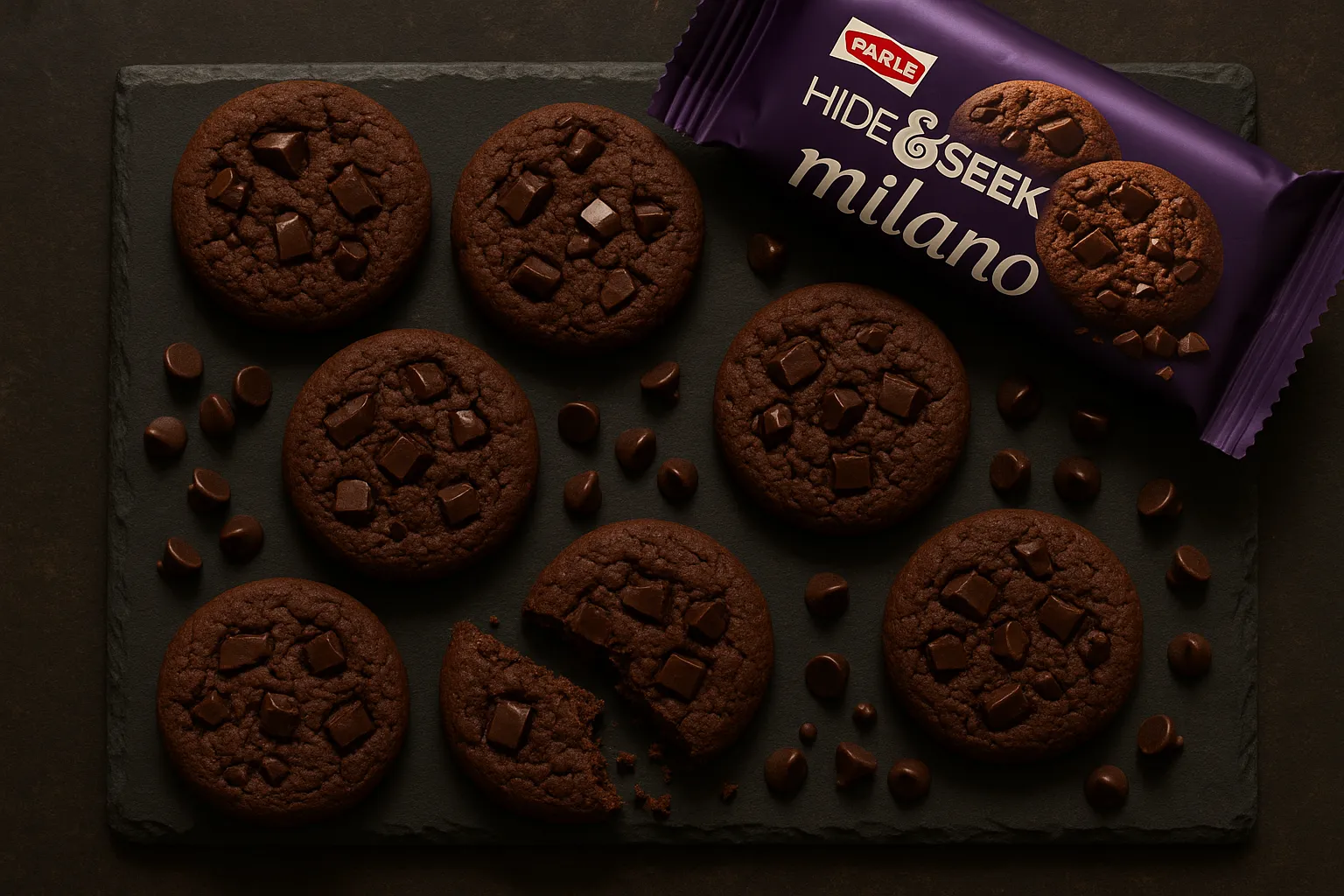
Parle's premium Italian-inspired chocolate chip cookie with rich chocolate chunks—indulgent but calorie-dense.
झटपट न्यूट्रिशन फैक्ट्स
Per 6 Biscuits (100g Serving)
| पोषक तत्व | मात्रा |
|---|---|
| कैलोरी | 518 kcal |
| प्रोटीन | 4.4g |
| कार्बोहाइड्रेट | 67g |
| फाइबर | ~2g |
| शुगर | 61.5g |
| वसा | 25.8g |
| संतृप्त वसा | 13.4g |
| सोडियम | 192mg |
| कोलेस्ट्रॉल | 4mg |
मैक्रोन्यूट्रिएंट ब्रेकडाउन
 ChatGPT
  Claude
  AI Mode
  Perplexity
पोषण विशेषज्ञ की सलाह
Milano packs 86 कैलोरी per biscuit—nearly 3x a regular Hide & Seek. The 61.5g शुगर प्रति 100g means just one biscuit प्रदान करता है 40% of your दैनिक added शुगर limit. Treat as an occasional indulgence, not a snack. Share the pack or store most away पहले eating.
मिथक बनाम सच
मिथक #1: Premium Cookies Are Healthier Than Regular Ones
सच्चाई: Milano has more कैलोरी (518 vs 484/100g), more शुगर (61.5g vs 32g), and more saturated वसा (13.4g vs ~10g) than regular Hide & Seek. Premium positioning reflects taste and marketing, not nutrition.
मिथक #2: Italian-Inspired Means Mediterranean Diet Benefits
सच्चाई: Despite "Milano" branding, this shares nothing with the heart-स्वस्थ Mediterranean diet. True Mediterranean eating emphasizes olive oil, whole grains, and nuts—not refined flour cookies with palm oil and शुगर.
मिथक #3: The Dark Chocolate in Milano Is Good for Heart Health
सच्चाई: जबकि dark chocolate (70%+ cocoa) has cardiovascular benefits, Milano's chocolate chips contain more शुगर than cocoa. The 13.4g saturated वसा प्रति 100g negates any potential chocolate benefits.
मिथक #4: One or Two Biscuits Won't Hurt
सच्चाई: Two Milano biscuits = 172 कैलोरी, 20g शुगर, 8.6g वसा. That's 80% of WHO's दैनिक added शुगर limit in just two cookies. Underestimating treat कैलोरी is a documented barrier to स्वस्थ eating.
मिथक #5: Milano Is a Good Tea-Time Snack
सच्चाई: Pairing 86-calorie cookies with milky chai (60-80 cal) means a "small snack" quickly becomes 200+ कैलोरी. Research shows liquid कैलोरी plus snacks lead to overconsumption as neither triggers fullness signals effectively.
हेल्थ गोल्स के हिसाब से न्यूट्रीस्कोर
| स्वास्थ्य लक्ष्य | NutriScore | यह स्कोर क्यों? |
|---|---|---|
| वजन घटाना |  | Extremely calorie-dense (518 cal/100g). One biscuit = 86 cal with no satiety. Avoid completely के दौरान वजन घटाना. |
| मांसपेशी वृद्धि | | Only 4.4g प्रोटीन प्रति 100g (518 cal). Terrible प्रोटीन-to-calorie ratio. Zero benefit for muscle synthesis. |
| डायबिटीज प्रबंधन | | 61.5g शुगर/100g—highest risk category. ADA strongly recommends avoiding such high-शुगर processed foods. |
| पीसीओएस प्रबंधन | | शुगर and saturated वसा worsen insulin resistance. पीसीओएस nutrition guidelines recommend eliminating refined शुगर snacks. |
| गर्भावस्था पोषण | | Empty कैलोरी risk gestational डायबिटीज. ACOG warns against high-शुगर processed foods के दौरान गर्भावस्था. |
| Viral/Flu Recovery |  | Quick कैलोरी जब appetite is poor, but high शुगर may suppress immune function. Better: fruit, honey, light crackers. |
व्यक्तिगत पोषण
Log your treats with NutriScan to see how Milano impacts your दैनिक शुगर and calorie budget!
ब्लड शुगर रेस्पॉन्स to Milano
The extremely high शुगर content causes one of the most dramatic glucose spikes among packaged snacks.
सामान्य ग्लूकोज प्रतिक्रिया वक्र
यह चार्ट दिखाता है typical रक्त ग्लूकोज response for general स्वस्थ individuals बाद में consuming 2 Milano biscuits. Individual responses vary. यह मेडिकल सलाह नहीं है.
कैसे करें: Minimize the Damage
Combining high-शुगर foods with प्रोटीन and वसा slows absorption:
- 🥛 Full-वसा milk or curd - वसा and प्रोटीन buffer शुगर absorption
- 🥜 Almonds or walnuts - स्वस्थ fats significantly slow glucose rise
- 🧀 Paneer or cheese - प्रोटीन मदद करता है stabilize ब्लड शुगर
- 🥚 उबला हुआ egg - Eat प्रोटीन first, then cookie if craving persists
Best strategy: eat Milano only बाद में a proper प्रोटीन-rich meal, कभी नहीं as a standalone snack.
सांस्कृतिक महत्व
Hide & Seek Milano launched in 2010 as Parle's entry into India's growing premium biscuit segment.
In India:
- Positioned as an "affordable luxury" at ₹30-50 per pack
- Popular for gifting के दौरान Diwali and celebrations
- Common in urban households as a "special occasion" treat
- Competes with imported cookies at 1/3rd the price
Market Position:
- Part of India's ₹3,000+ crore premium biscuit market
- Targets young urban professionals and families
- Available in Milano, Milano Vanilla Creme, and seasonal variants
- Sold in 200,000+ modern retail and online outlets
तुलना और विकल्प
Milano vs Other Premium Cookies (प्रति 100g)
| पोषक तत्व | 🍪 Milano | 🍪 Dark Fantasy | 🍪 Oreo | 🍪 Digestive |
|---|---|---|---|---|
| कैलोरी | 518 kcal | 520 kcal | 480 kcal | 450 kcal |
| कार्ब्स | 67g | 65g | 70g | 66g |
| फाइबर | ~2g | 3g | 2g | 8g |
| प्रोटीन | 4.4g | 5.5g | 4.5g | 8g |
| वसा | 25.8g | 26g | 21g | 16g |
| शुगर | 61.5g | 35g | 38g | 18g |
| सबसे अच्छा | Rare indulgence | Chocolate craving | Occasional treat | Better फाइबर option |
अक्सर पूछे सवाल
How many कैलोरी are in 1 Milano biscuit?
One Milano biscuit शामिल है approximately 86 कैलोरी—nearly 3x a regular Hide & Seek biscuit (30 cal). This शामिल है 4.3g वसा, 11g कार्ब्स, and 10g शुगर. Just two biscuits provide 172 कैलोरी, equivalent to a small meal's worth of treats.
Is Milano healthier than regular Hide & Seek?
No, Milano is significantly less स्वस्थ. प्रति 100g comparison: Milano has 518 कैलोरी vs 484; 61.5g शुगर vs 32g; 13.4g saturated वसा vs ~10g. The premium price reflects taste positioning, not nutritional value. Regular Hide & Seek is the "lesser evil" if you must choose.
Can diabetics eat Milano?
Strongly discouraged. With 61.5g शुगर प्रति 100g (10g per biscuit), Milano is among the highest-शुगर packaged snacks. Even one biscuit can spike रक्त ग्लूकोज significantly. The high saturated वसा also worsens insulin resistance over time. If craving chocolate, choose 2 squares of 70%+ dark chocolate instead.
Why is Milano so high in शुगर?
Milano's "premium" chocolate chip formula uses more chocolate and a sweeter base dough than regular Hide & Seek. The larger chocolate chunks contain significant added शुगर. इसके अलावा, the softer texture requires more शुगर for moisture retention. This results in 61.5g शुगर/100g vs 32g in original.
How does Milano compare to imported cookies?
Milano is comparable in कैलोरी to imports like Pepperidge Farm or Lotus Biscoff. हालांकि, Milano has significantly more शुगर (61.5g vs 35-40g आमतौर पर) and saturated वसा. Imported cookies अक्सर use butter instead of palm oil. Milano's advantage is price—1/3rd the cost of imports.
Is Milano suitable for children?
Not as a regular snack. One biscuit प्रदान करता है 10g शुगर—exceeding the ideal 5-10g added शुगर per snack for children. The 4.3g वसा and 86 कैलोरी per biscuit can contribute to childhood obesity. Limit to special occasions (birthdays, festivals), maximum 1 biscuit. Better दैनिक snacks: fruit, nuts, homemade cookies.
जब should I eat Milano to minimize impact?
If indulging: बाद में lunch जब insulin sensitivity is highest; paired with प्रोटीन (nuts, cheese, milk); कभी नहीं on empty stomach; कभी नहीं late at night. Portion control is critical—take 1 biscuit and immediately seal the pack away. The combination of शुगर and वसा makes these highly addictive.
How many Milano biscuits are safe per week?
For general health, treat Milano as a rare indulgence: 2-4 biscuits per week maximum, not दैनिक. For वजन घटाना: avoid entirely or limit to 1 biscuit on a cheat day. For डायबिटीज/पीसीओएस: avoid completely. For children: 1-2 biscuits per week at most, के दौरान special occasions only.


समान पौष्टिक खाद्य पदार्थ
4505 Chicharrones Classic Chili Salt
7 Eleven Japan Crispy Corn Cheese
Explore More Nutrition Tools & Resources
40 साल के Male के लिए Diet Plan
AI Calorie Counter App: photo लो, calories देखो, free
AI Nutritionist App: Monika से meals पर बात करो
Best Protein Supplements Women के लिए
Bulking Meal Plan App: surplus और protein एक साथ
ChatGPT Calorie Counter Alternative: जो total भी याद रखे
ChatGPT Diet Plan Alternative: जो खाया वो track भी करे
ChatGPT Weight Loss Coach Alternative: वज़न भी track करे
Fast Food Calorie Counter App: burger की calories photo से
Indian Diet Plan App: dal, roti, sabzi का सही हिसाब
Indian Food Calorie Calculator
Indian Food Calorie Calculator - भारतीय खाने के लिए तुरंत Nutrition Facts — 2026
Intermittent Fasting App for Women: timer साथ meal log भी
Intermittent Fasting Tracker App - Free Timer, बिना Trial
Macro Tracker App: फोटो से भरें protein, carb, fat
Mediterranean Diet Meal Plan App: तेल भी गिने
Monthly Grocery List Generator
Nutrition Label Scanner App: आपके खाए हिस्से का हिसाब
Vegetarian Meal Plan App: protein target वाला 28 दिन का plan
Voice-Activated Calorie Counter - बोलकर Log करें Meals और Track करें Nutrition Hands-Free — 2026
Water Tracker App: free पानी और Calorie Log