Red Wine: कैलोरी, पोषण और स्वास्थ्य लाभ
An ancient beverage rich in एंटीऑक्सीडेंट and polyphenols, enjoyed responsibly as part of a balanced lifestyle.
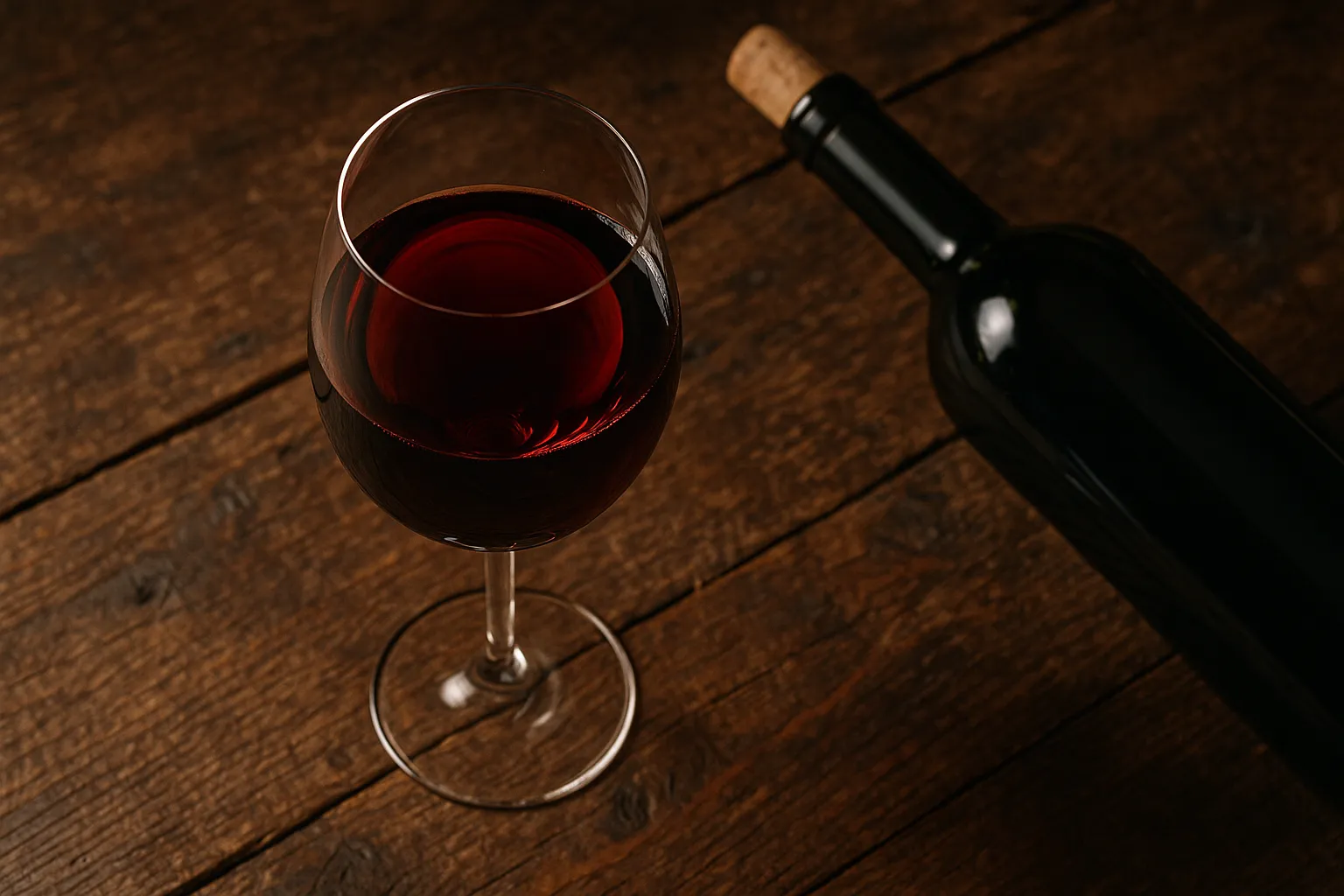
झटपट न्यूट्रिशन फैक्ट्स
Per 100ml (Small Glass)
| पोषक तत्व | मात्रा |
|---|---|
| कैलोरी | 85 kcal |
| प्रोटीन | 0.1g |
| कार्बोहाइड्रेट | 2.6g |
| शुगर | 0.6g |
| वसा | 0g |
| Alcohol | 10-12g |
| Resveratrol | 0.2-2mg |
| पोटैशियम | 127mg |
| आयरन | 0.5mg |
| मैग्नीशियम | 13mg |
मैक्रोन्यूट्रिएंट ब्रेकडाउन
 ChatGPT
  Claude
  AI Mode
  Perplexity
पोषण विशेषज्ञ की सलाह
Red wine शामिल है resveratrol and polyphenols with antioxidant properties. Moderation is key: 100ml for women, 200ml for men maximum दैनिक. The स्वास्थ्य लाभ do not outweigh the risks of excessive alcohol consumption.
मिथक बनाम सच
मिथक #1: Drinking Red Wine दैनिक Is Necessary for Heart Health
सच्चाई: जबकि मध्यम consumption may support cardiovascular health, you can get similar benefits from grapes, berries, and other polyphenol-rich foods without alcohol risks. Non-drinkers shouldn't start drinking for स्वास्थ्य लाभ.
मिथक #2: Red Wine मदद करता है You Lose Weight
सच्चाई: Red wine adds empty कैलोरी (85 per 100ml) from alcohol. Alcohol impairs वसा चयापचय and can increase appetite. For वजन घटाना, minimize or eliminate alcohol consumption rather than relying on potential metabolic benefits.
मिथक #3: All Red Wines Have the Same स्वास्थ्य लाभ
सच्चाई: Resveratrol content varies widely (0.2-2mg per 100ml) depending on grape variety, growing conditions, and winemaking process. Pinot Noir आमतौर पर has higher levels than Cabernet Sauvignon or Merlot.
मिथक #4: Red Wine पहले Bed सुधारता है Sleep
सच्चाई: जबकि alcohol may help you fall asleep faster, it disrupts REM sleep and sleep quality. You'll experience fragmented sleep, early waking, and reduced restorative deep sleep stages.
मिथक #5: One Glass of Red Wine a Day Is Safe for Everyone
सच्चाई: Safe alcohol limits vary by individual. Pregnant women should avoid all alcohol; those with liver disease, certain medications, or alcohol dependency should abstain completely. हमेशा consult healthcare providers लगभग personal risk factors.
मिथक #6: Red Wine रोकता है डायबिटीज
सच्चाई: जबकि मध्यम consumption may improve insulin sensitivity in some studies, alcohol can cause delayed hypoglycemia in diabetics. Red wine is not a डायबिटीज treatment and carries more risks than benefits for ब्लड शुगर control.
हेल्थ गोल्स के हिसाब से न्यूट्रीस्कोर
| स्वास्थ्य लक्ष्य | NutriScore | यह स्कोर क्यों? |
|---|---|---|
| वजन घटाना |  | 85 empty कैलोरी per 100ml; alcohol impairs वसा चयापचय, बढ़ाता है appetite. Limit to 100ml 2-3x weekly maximum. |
| मांसपेशी वृद्धि | | Alcohol कम करता है प्रोटीन synthesis, testosterone, and recovery. Interferes with muscle building; avoid on training days. |
| डायबिटीज प्रबंधन | | Can cause delayed hypoglycemia; affects ब्लड शुगर control. If consumed, max 100ml with food, choose dry wines, monitor glucose closely. |
| पीसीओएस प्रबंधन | | Alcohol disrupts hormone balance and liver detoxification. May worsen insulin resistance. Best avoided or limited to occasional 100ml servings. |
| गर्भावस्था पोषण |  | Zero alcohol is safe के दौरान गर्भावस्था. Can cause fetal alcohol spectrum disorders, developmental delays, birth defects. Complete avoidance required. |
| Viral/Flu Recovery | | Alcohol suppresses immune function, causes dehydration, interferes with sleep quality needed for recovery. Avoid completely जब sick. |
व्यक्तिगत पोषण
अपने भोजन को ट्रैक करें with NutriScan for personalized NutriScores based on your specific health goals!
ब्लड शुगर रेस्पॉन्स to Red Wine
Understanding how red wine affects रक्त ग्लूकोज is महत्वपूर्ण, विशेष रूप से for those managing डायबिटीज or insulin sensitivity.
सामान्य ग्लूकोज प्रतिक्रिया वक्र
यह चार्ट दिखाता है typical रक्त ग्लूकोज response for स्वस्थ individuals. Red wine may initially lower ब्लड शुगर, then cause delayed rebound. यह मेडिकल सलाह नहीं है.
Managing Blood शुगर with Alcohol
Red wine has a complex effect on ब्लड शुगर. Alcohol initially lowers रक्त ग्लूकोज by suppressing liver glucose production, which can be dangerous for diabetics.
Safety Guidelines:
- 🍽 कभी नहीं drink on empty stomach - हमेशा consume with a balanced meal containing प्रोटीन and वसा
- 📊 Monitor ब्लड शुगर - Check levels पहले drinking, बाद में 2 hours, and पहले bed
- 💊 Timing with medication - Be cautious with insulin and डायबिटीज medications that can cause hypoglycemia
- 🚫 Limit quantity - Maximum 100ml for women, 200ml for men per day, preferably less
The delayed hypoglycemic effect can occur 8-12 hours बाद में drinking, सहित के दौरान sleep. This is विशेष रूप से risky for people taking डायबिटीज medications.
सांस्कृतिक महत्व
Red wine has been integral to human civilization for over 8,000 years, originating in the Caucasus region of modern-day Georgia.
Historical Significance:
- Ancient Greeks and Romans used wine in religious ceremonies and दैनिक life
- Monks in medieval Europe perfected winemaking techniques in monasteries
- Mediterranean diet research brought global attention to wine's potential स्वास्थ्य लाभ
- French Paradox (1990s) sparked research into resveratrol and polyphenols
Global Production:
- Over 24 billion bottles produced annually worldwide
- Top producers: Italy, France, Spain, USA, Australia
- Premium varieties: Bordeaux, Burgundy, Barolo, Rioja, Napa Valley
In India:
- Growing wine industry in Maharashtra (Nashik), Karnataka (Bangalore)
- Indian wines increasingly recognized internationally
- Cultural adaptation as wine becomes more socially accepted
तुलना और विकल्प
Red Wine vs Other Alcoholic Beverages (Per 100ml)
| पोषक तत्व | 🍷 Red Wine | 🍺 Beer | 🥃 Whiskey | 🍸 Vodka |
|---|---|---|---|---|
| कैलोरी | 85 kcal | 43 kcal | 250 kcal | 231 kcal |
| कार्ब्स | 2.6g | 3.6g | 0g | 0g |
| प्रोटीन | 0.1g | 0.5g | 0g | 0g |
| Alcohol | 10-12g | 4-5g | 33g | 33g |
| Resveratrol | 0.2-2mg | 0mg | 0mg | 0mg |
| Antioxidants | High | Moderate | Low | None |
| सबसे अच्छा | Moderate polyphenol intake | Lower calorie option | Sipping neat (high alcohol) | Mixed drinks (neutral flavor) |
अक्सर पूछे सवाल
Is red wine good for हृदय स्वास्थ्य?
Moderate red wine consumption may support cardiovascular health due to resveratrol and polyphenols, which improve antioxidant status and reduce सूजन.
अनुशंसित limits: 100ml दैनिक for women, 200ml for men.
महत्वपूर्ण: The cardioprotective benefits don't outweigh alcohol-related risks. Non-drinkers shouldn't start drinking for स्वास्थ्य लाभ; get polyphenols from grapes, berries, and green tea instead.
Can diabetics drink red wine?
Diabetics can drink red wine in strict संयम. Choose dry wines with lower residual शुगर; हमेशा consume with food containing प्रोटीन and वसा.
Critical considerations: Alcohol causes delayed hypoglycemia 8-12 hours post-consumption; monitor ब्लड शुगर पहले bed; limit to 100ml maximum; avoid if taking insulin or sulfonylureas without medical guidance.
How many कैलोरी are in red wine?
A 100ml glass शामिल है 85 कैलोरी; a standard 150ml serving has approximately 125 कैलोरी. कैलोरी come primarily from alcohol (7 cal/g), not कार्बोहाइड्रेट.
For weight management, these are "empty कैलोरी" providing no nutritional value beyond potential एंटीऑक्सीडेंट. Track accurately with NutriScan app as wine कैलोरी add up quickly.
क्या है: resveratrol and why does it matter?
Resveratrol is a polyphenol antioxidant found in red wine (0.2-2mg per 100ml) that may support हृदय स्वास्थ्य, reduce सूजन, and protect against oxidative stress. Pinot Noir आमतौर पर शामिल है the highest levels.
Reality check: You'd need to drink excessive amounts of wine to get therapeutic resveratrol doses. Supplements or eating grapes provide benefits without alcohol risks.
Is red wine good for वजन घटाना?
No. Red wine adds empty कैलोरी (85 per 100ml) and alcohol impairs वसा चयापचय by prioritizing alcohol breakdown over वसा burning. It can also increase appetite and reduce inhibitions around food choices.
For वजन घटाना: Minimize or eliminate alcohol; if you drink, limit to 100ml 2-3 times weekly and account for कैलोरी in your दैनिक budget.
Can pregnant women drink red wine?
Absolutely not. No amount of alcohol is considered safe के दौरान गर्भावस्था. Alcohol crosses the placenta and can cause fetal alcohol spectrum disorders, developmental delays, physical abnormalities, and cognitive impairments.
The safest choice के दौरान गर्भावस्था and breastfeeding is zero alcohol consumption.
जब is the best time to drink red wine?
If you choose to drink, the safest approach is with evening meals, allowing time पहले bed for alcohol चयापचय.
Avoid: Drinking on empty stomach; पहले bed (disrupts sleep); पहले/बाद में intense exercise; जब taking medications; जब driving or operating machinery.
Best practice: With dinner, paired with प्रोटीन and स्वस्थ fats, staying within अनुशंसित limits (100ml women, 200ml men).
How much red wine is too much?
Moderate limits: 100ml दैनिक for women, 200ml for men maximum.
Heavy drinking: >200ml दैनिक for women or >300ml for men.
Excessive amounts increase risks: Liver disease, certain cancers, cardiovascular disease, addiction, accidents, mental health issues. If you find it difficult to stay within limits, seek medical guidance.


Similar पौष्टिक Beverages
4505 Chicharrones Classic Chili Salt
7 Eleven Japan Crispy Corn Cheese
Explore More Nutrition Tools & Resources
40 साल के Male के लिए Diet Plan
AI Calorie Counter App: photo लो, calories देखो, free
AI Nutritionist App: Monika से meals पर बात करो
Best Protein Supplements Women के लिए
Bulking Meal Plan App: surplus और protein एक साथ
ChatGPT Calorie Counter Alternative: जो total भी याद रखे
ChatGPT Diet Plan Alternative: जो खाया वो track भी करे
ChatGPT Weight Loss Coach Alternative: वज़न भी track करे
Fast Food Calorie Counter App: burger की calories photo से
Indian Diet Plan App: dal, roti, sabzi का सही हिसाब
Indian Food Calorie Calculator
Indian Food Calorie Calculator - भारतीय खाने के लिए तुरंत Nutrition Facts — 2026
Intermittent Fasting App for Women: timer साथ meal log भी
Intermittent Fasting Tracker App - Free Timer, बिना Trial
Macro Tracker App: फोटो से भरें protein, carb, fat
Mediterranean Diet Meal Plan App: तेल भी गिने
Monthly Grocery List Generator
Nutrition Label Scanner App: आपके खाए हिस्से का हिसाब
Vegetarian Meal Plan App: protein target वाला 28 दिन का plan
Voice-Activated Calorie Counter - बोलकर Log करें Meals और Track करें Nutrition Hands-Free — 2026
Water Tracker App: free पानी और Calorie Log