Sesame Buns: कैलोरी, पोषण और स्वास्थ्य लाभ
Golden, nutty-flavored bread rolls packed with calcium-rich sesame seeds and स्वस्थ fats for sustained energy.
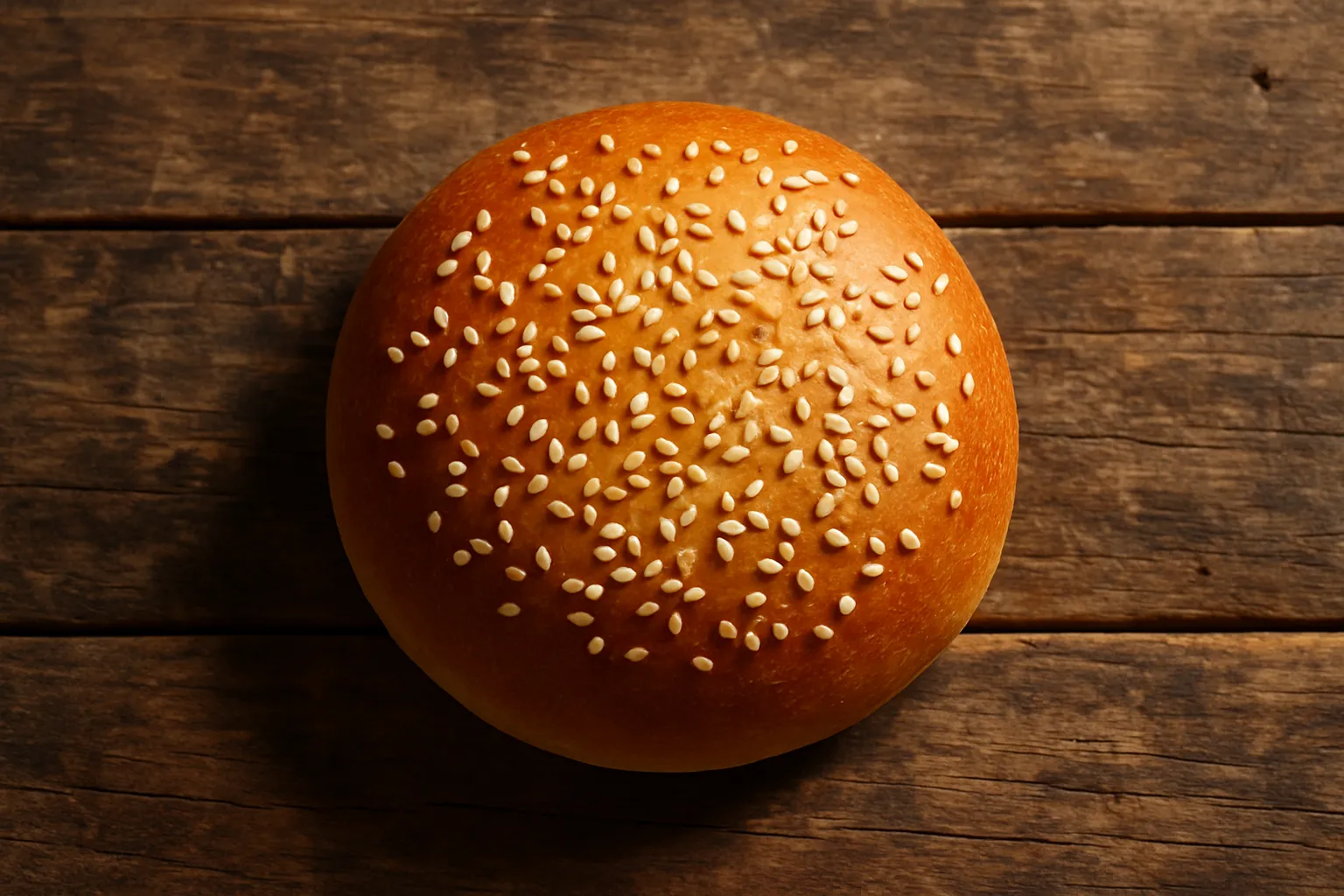
झटपट न्यूट्रिशन फैक्ट्स
Per 1 Medium Bun (40g)
| पोषक तत्व | मात्रा |
|---|---|
| कैलोरी | 280 kcal |
| प्रोटीन | 8g |
| कार्बोहाइड्रेट | 32g |
| फाइबर | 1.2g |
| शुगर | 3.5g |
| वसा | 14g |
| कैल्शियम | 150mg |
| आयरन | 2.1mg |
| मैग्नीशियम | 45mg |
मैक्रोन्यूट्रिएंट ब्रेकडाउन
 ChatGPT
  Claude
  AI Mode
  Perplexity
पोषण विशेषज्ञ की सलाह
Sesame seeds are nutritional powerhouses with 975mg calcium प्रति 100g - more than dairy milk! The स्वस्थ fats (14g per bun) from sesame provide oleic and linoleic acids that support हृदय स्वास्थ्य and hormone production. The sesame coating adds crunch जबकि delivering खनिज like copper, magnesium, and zinc.
मिथक बनाम सच
मिथक #1: All Bread Causes Weight Gain
सच्चाई: Sesame buns with quality ingredients support वजन घटाना जब portioned correctly. The स्वस्थ fats and प्रोटीन (8g) promote satiety, preventing overeating. The key is पोर्शन कंट्रोल (1 bun) and pairing with vegetables or प्रोटीन.
मिथक #2: Sesame Seeds Are Only for Taste
सच्चाई: Sesame seeds provide 975mg calcium प्रति 100g, supporting हड्डियों का स्वास्थ्य, muscle function, and nerve transmission. One bun delivers 150-200mg calcium - a significant contribution to दैनिक needs.
मिथक #3: Bread Is हमेशा High Glycemic
सच्चाई: Whole grain sesame buns have मध्यम glycemic index (55-60). The प्रोटीन (8g), फाइबर (1.2g), and स्वस्थ fats slow carbohydrate absorption. जब paired with eggs, cheese, or avocado, ब्लड शुगर response सुधारता है significantly.
मिथक #4: White Sesame Buns Are Healthier Than Whole Wheat
सच्चाई: Whole wheat sesame buns offer 2-3g फाइबर vs. 1g in white buns, plus more खनिज and phytonutrients. Higher फाइबर intake सहायता करता है better digestion and ब्लड शुगर control. Whole wheat = superior nutritional profile.
मिथक #5: Sesame Is Just a Garnish
सच्चाई: Sesame seeds are nutritionally complete, providing complete amino acid profile जब combined with whole grains. The seed coat शामिल है lignans - powerful एंटीऑक्सीडेंट supporting cardiovascular health and hormone balance.
मिथक #6: Sesame Buns Have No Nutritional Value Compared to Whole Grain Bread
सच्चाई: Sesame buns provide superior mineral density (calcium, zinc, copper) compared to plain whole grain bread. The स्वस्थ वसा content (14g) सुधारता है absorption of वसा-soluble विटामिन. पोषक तत्व quality per calorie अक्सर exceeds plain bread alternatives.
हेल्थ गोल्स के हिसाब से न्यूट्रीस्कोर
| स्वास्थ्य लक्ष्य | NutriScore | यह स्कोर क्यों? |
|---|---|---|
| वजन घटाना |  | 280 कैलोरी per bun (calorie-dense). Use as occasional treat, limit to 1 bun per day. Pair with vegetables and lean प्रोटीन to increase meal volume and satiety without extra कैलोरी. |
| मांसपेशी वृद्धि | | 32g कार्ब्स ideal for post-workout glycogen replenishment, 8g प्रोटीन सहायता करता है muscle repair. The 14g स्वस्थ fats support hormone production for muscle building and testosterone synthesis. |
| डायबिटीज प्रबंधन |  | Moderate GI (55-60). Choose whole grain varieties only, eat half a bun, हमेशा pair with प्रोटीन or वसा. Monitor ब्लड शुगर response. White buns अनुशंसित नहीं for डायबिटीज management. |
| पीसीओएस प्रबंधन | | Moderate कार्ब्स with स्वस्थ fats support पीसीओएस nutritional needs. Whole grain sesame buns better than white. Portion control आवश्यक (half bun) due to carb and calorie density. |
| गर्भावस्था पोषण | | Excellent source of calcium (150mg) for fetal bone development, प्रोटीन (8g) सहायता करता है placental growth, खनिज support immune function. |
| Viral/Flu Recovery | | Easy to eat, comforting, good calorie density for recovery energy needs. Minerals (zinc, magnesium, आयरन) support immune function. The calcium and प्रोटीन aid tissue repair के दौरान recovery. |
व्यक्तिगत पोषण
अपने भोजन को ट्रैक करें with NutriScan for personalized NutriScores based on your specific health goals!
ब्लड शुगर रेस्पॉन्स to Sesame Buns
Understanding how sesame buns affect your रक्त ग्लूकोज मदद करता है optimize meal composition and हिस्सा sizes.
सामान्य ग्लूकोज प्रतिक्रिया वक्र
यह चार्ट दिखाता है typical रक्त ग्लूकोज response for general स्वस्थ individuals. व्यक्तिगत प्रतिक्रियाएं भिन्न हो सकती हैं. यह मेडिकल सलाह नहीं है.
कैसे करें: Flatten the Blood शुगर Spike
Pairing sesame buns with प्रोटीन and वसा dramatically कम करता है glucose absorption:
- 🧀 Cheese slices - Dairy प्रोटीन and वसा slow carb digestion
- 🥚 उबला हुआ or तला हुआ eggs - Complete प्रोटीन, high satiety factor
- 🥑 Avocado - स्वस्थ monounsaturated वसा, फाइबर, खनिज
- 🧈 Nut butters - Peanut or almond butter adds प्रोटीन and स्वस्थ fats
- 🥬 Vegetables - Lettuce, tomato, cucumber add volume and फाइबर
This combination not only flattens glucose spikes but extends satiety, making sesame buns suitable for sustained energy and weight management goals.
सांस्कृतिक महत्व
Sesame buns represent a bridge between traditional grain-based staples and modern health-conscious eating.
In India:
- Sesame seeds (til) sacred in Hindu rituals and festivals
- Traditional til-gud (sesame-jaggery) sweets के दौरान winter solstice
- Sesame buns popularized through bakery culture in metros
- Regional variations: sesame used in breads across South Indian, Gujarati, Maharashtrian cuisines
Global Impact:
- Sesame buns common in Mediterranean, Middle Eastern, and Asian cuisines
- Sesame recognized as complete प्रोटीन source in nutritional science
- Growing popularity in health-conscious Western bakeries
- Sustainable crop requiring less water than other प्रोटीन sources
तुलना और विकल्प
Sesame Buns vs Similar Bread Rolls (Per Roll)
| पोषक तत्व | 🍞 Sesame Bun | 🍞 White Bread | 🌾 Whole Wheat Bun | 🥐 Croissant |
|---|---|---|---|---|
| कैलोरी | 280 kcal | 240 kcal | 220 kcal | 340 kcal |
| कार्ब्स | 32g | 35g | 30g | 28g |
| प्रोटीन | 8g | 6g | 7g | 6g |
| फाइबर | 1.2g | 0.8g | 3.5g | 0.2g |
| वसा | 14g (स्वस्थ) | 4g | 5g | 18g (saturated) |
| कैल्शियम | 150mg | 40mg | 45mg | 30mg |
| GI | 55-60 (medium) | 75 (high) | 52 (medium) | 67 (high) |
| सबसे अच्छा | Balanced nutrition, taste | Quick कार्ब्स, convenience | Weight loss, फाइबर | Occasional, indulgence |
अक्सर पूछे सवाल
Are sesame buns good for वजन घटाना?
Sesame buns support वजन घटाना जब used strategically. At 280 कैलोरी per bun, they're calorie-dense, but the 8g प्रोटीन and 14g स्वस्थ fats promote satiety and prevent overeating.
Best practices: Eat 1 bun max per day, pair with vegetables and lean प्रोटीन (eggs, cheese), choose whole grain varieties (higher फाइबर), and account for कैलोरी in your दैनिक intake.
Can diabetics eat sesame buns?
Yes, but with careful selection and पोर्शन कंट्रोल. Whole grain sesame buns have मध्यम glycemic index (52), जबकि white buns are higher (67-70).
Tips for diabetics:
- Choose 100% whole wheat sesame buns only
- Eat half a bun (140 कैलोरी, 16g कार्ब्स) instead of whole bun
- हमेशा pair with प्रोटीन (eggs, paneer) or स्वस्थ वसा (avocado, nut butter)
- Monitor ब्लड शुगर response 2 hours बाद में eating
- Limit to 2-3 times per week initially
How much calcium is in sesame seeds?
Sesame seeds contain approximately 975mg calcium प्रति 100g, making them one of the richest plant-based calcium sources. One medium sesame bun (40g) प्रदान करता है 150-200mg calcium, contributing significantly to दैनिक calcium needs (1000-1200mg).
For optimal absorption, sesame buns provide the calcium in food matrix form, making bioavailability superior to isolated supplements for many individuals.
What are the स्वास्थ्य लाभ of sesame buns?
Key Benefits:
- Bone Health: 150mg calcium per bun सहायता करता है bone density and fracture prevention
- Heart Health: Sesame lignans reduce cholesterol and support cardiovascular function
- Mineral Rich: तांबा, magnesium, zinc support चयापचय, immune function, and enzyme activity
- Sustained Energy: Combination of कार्ब्स, प्रोटीन, and वसा प्रदान करता है extended energy release
- Antioxidant Protection: Sesame seeds contain potent एंटीऑक्सीडेंट reducing सूजन
- Hormone Support: स्वस्थ fats आवश्यक for hormone production and balanced lipid profiles
जब is the best time to eat sesame buns?
Timing by goal:
- वजन घटाना: Breakfast with eggs/yogurt, प्रदान करता है sustained energy and satiety
- मांसपेशी वृद्धि: Post-workout within 30 minutes, कार्ब्स replenish glycogen, fats support hormone production
- डायबिटीज: Mid-morning or lunch paired with प्रोटीन and vegetables
- गर्भावस्था: Breakfast or lunch, calcium and प्रोटीन support fetal development
- General Health: Best के दौरान active daytime hours, avoid late evening due to calorie density
IMPORTANT NOTE
हमेशा pair with प्रोटीन and vegetables to optimize ब्लड शुगर response and satiety.
Are white or whole wheat sesame buns healthier?
Whole wheat sesame buns are nutritionally superior:
Whole Wheat Advantages:
- Double the फाइबर (3.5g vs 1.2g) - सहायता करता है digestion and satiety
- Lower glycemic index (52 vs 67) - better ब्लड शुगर control
- More खनिज and phytonutrients
- Better for डायबिटीज and weight management
White Bun Advantages:
- Lighter, fluffier texture
- Faster carb absorption (good post-workout)
- Better tolerance for sensitive digestive systems
- Traditional taste preference
Recommendation: Choose whole wheat for दैनिक consumption, reserve white buns for occasional treats or post-workout recovery.
Can sesame buns be part of a gluten-free diet?
Traditional sesame buns contain wheat flour (gluten). Gluten-free sesame buns are available at specialty bakeries using gluten-free flour blends (rice, almond, coconut flour).
Nutrition varies by blend used. Check labels for: प्रोटीन content (aim for 6-8g), फाइबर (3g+), and carb-to-फाइबर ratio. Many gluten-free buns have lower फाइबर and higher शुगर - read labels carefully.


समान पौष्टिक खाद्य पदार्थ
4505 Chicharrones Classic Chili Salt
7 Eleven Japan Crispy Corn Cheese
Explore More Nutrition Tools & Resources
40 साल के Male के लिए Diet Plan
AI Calorie Counter App: photo लो, calories देखो, free
AI Nutritionist App: Monika से meals पर बात करो
Best Protein Supplements Women के लिए
Bulking Meal Plan App: surplus और protein एक साथ
ChatGPT Calorie Counter Alternative: जो total भी याद रखे
ChatGPT Diet Plan Alternative: जो खाया वो track भी करे
ChatGPT Weight Loss Coach Alternative: वज़न भी track करे
Fast Food Calorie Counter App: burger की calories photo से
Indian Diet Plan App: dal, roti, sabzi का सही हिसाब
Indian Food Calorie Calculator
Indian Food Calorie Calculator - भारतीय खाने के लिए तुरंत Nutrition Facts — 2026
Intermittent Fasting App for Women: timer साथ meal log भी
Intermittent Fasting Tracker App - Free Timer, बिना Trial
Macro Tracker App: फोटो से भरें protein, carb, fat
Mediterranean Diet Meal Plan App: तेल भी गिने
Monthly Grocery List Generator
Nutrition Label Scanner App: आपके खाए हिस्से का हिसाब
Vegetarian Meal Plan App: protein target वाला 28 दिन का plan
Voice-Activated Calorie Counter - बोलकर Log करें Meals और Track करें Nutrition Hands-Free — 2026
Water Tracker App: free पानी और Calorie Log