Sliced Onions: कैलोरी, पोषण और स्वास्थ्य लाभ
Nature's anti-inflammatory powerhouse packed with quercetin, prebiotic फाइबर, and sulfur compounds for robust health across every life stage.
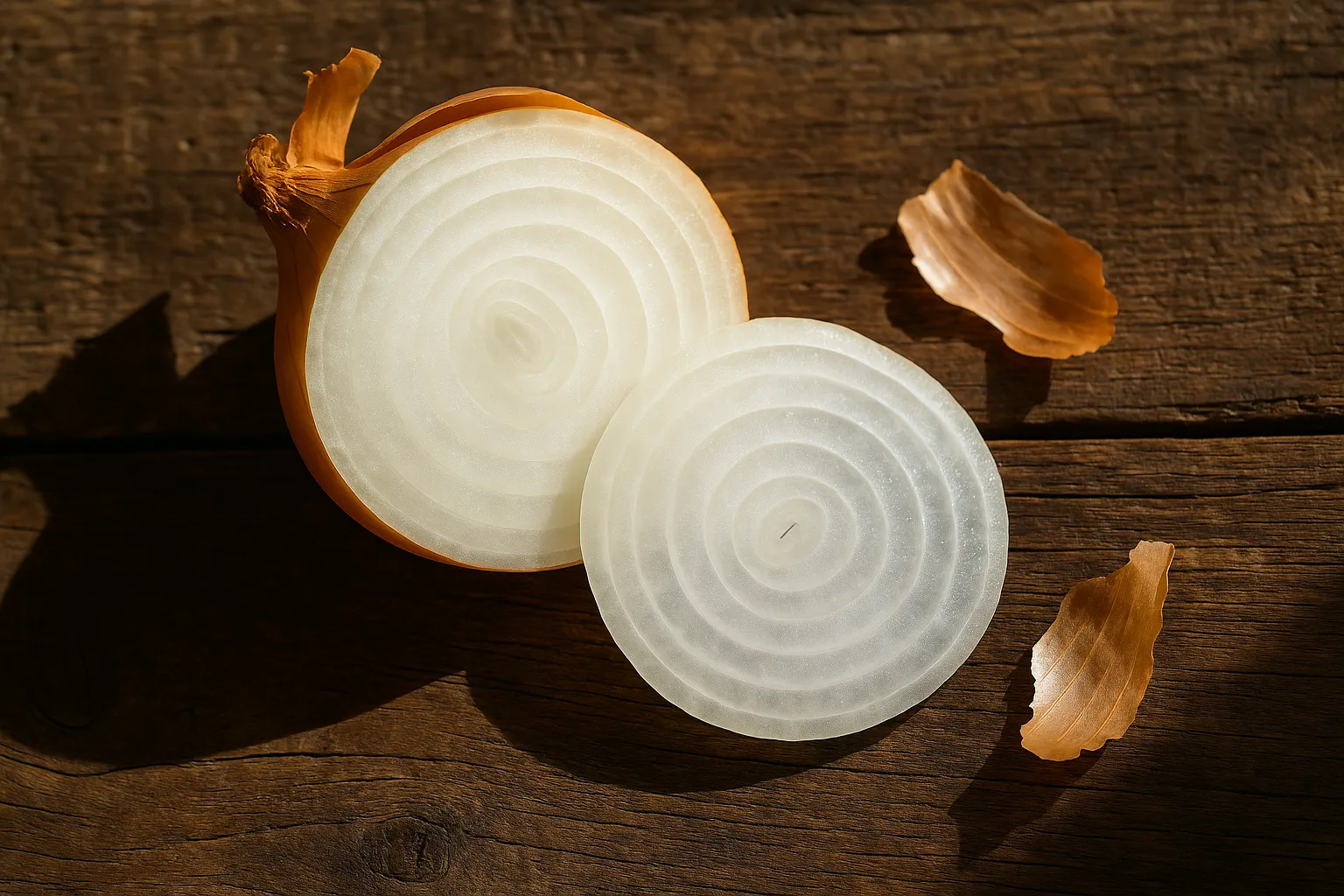
झटपट न्यूट्रिशन फैक्ट्स
Per 1 Cup Sliced Onions (160g)
| पोषक तत्व | मात्रा |
|---|---|
| कैलोरी | 64 kcal |
| प्रोटीन | 1.7g |
| कार्बोहाइड्रेट | 15g |
| फाइबर | 2.7g |
| शुगर | 7g |
| वसा | 0.2g |
| विटामिन C | 8.9mg |
| Folate | 30mcg |
| Manganese | 0.2mg |
| पोटैशियम | 234mg |
मैक्रोन्यूट्रिएंट ब्रेकडाउन
 ChatGPT
  Claude
  AI Mode
  Perplexity
पोषण विशेषज्ञ की सलाह
Onions contain quercetin, a potent flavonoid with documented anti-inflammatory and antioxidant properties. कच्चा onions retain higher विटामिन C; cooking बढ़ाता है quercetin bioavailability. The inulin prebiotic फाइबर feeds लाभदायक gut bacteria, supporting digestive and immune health.
मिथक बनाम सच
मिथक #1: Onions Cause Bad Breath and That Means They're Toxic
सच्चाई: The sulfur compounds (thiosulfates, disulfides) that create onion breath are the same compounds that fight सूजन and oxidative stress. Bad breath is a sign of bioactive compounds at work, not toxicity. Rinse or chew parsley बाद में eating.
मिथक #2: Cooking Destroys Onion पोषक तत्व Completely
सच्चाई: Cooking कम करता है विटामिन C (~25% loss) but बढ़ाता है quercetin availability for absorption. Studies show पका हुआ onions deliver more antioxidant benefits than कच्चा क्योंकि heat breaks cell walls. Use both कच्चा and पका हुआ.
मिथक #3: Onions Are High in कार्ब्स and Bad for Diabetics
सच्चाई: Onions have a glycemic index of ~10 and studies show onion consumption सुधारता है insulin sensitivity and ब्लड शुगर control. One cup प्रदान करता है only 15g कार्ब्स with 2.7g फाइबर, making net कार्ब्स just 12g—safe for diabetics.
मिथक #4: All Onion Varieties Have the Same Nutrition
सच्चाई: Red onions contain 25% more quercetin than yellow, जबकि white onions have the most sulfur compounds. The phytonutrient profile varies by variety and growing conditions. Red and purple onions pack the strongest anti-inflammatory punch.
मिथक #5: Sliced Onions Go Bad Quickly and Lose पोषक तत्व
सच्चाई: Sliced onions retain पोषक तत्व for 3-7 days जब refrigerated in an airtight container. Some studies suggest light cutting slightly बढ़ाता है quercetin availability due to enzyme activation. Store properly and use within a week.
हेल्थ गोल्स के हिसाब से न्यूट्रीस्कोर
| स्वास्थ्य लक्ष्य | NutriScore | यह स्कोर क्यों? |
|---|---|---|
| वजन घटाना |  | Only 40 कैलोरी प्रति मध्यम onion, 2.7g फाइबर बढ़ावा देता है fullness, inulin सहायता करता है satiety. Eat freely; use as base for curries and salads. |
| मांसपेशी वृद्धि |  | Low calorie with prebiotic फाइबर सहायता करता है nutrient absorption and gut health for better प्रोटीन digestion. Add to all meals for micronutrient boost. |
| डायबिटीज प्रबंधन | | GI ~10, low glycemic load, allyl compounds improve insulin sensitivity. Use 1/2-1 cup दैनिक; no हिस्सा restrictions needed. |
| पीसीओएस प्रबंधन | | Anti-inflammatory quercetin targets पीसीओएस-related सूजन; inulin फाइबर aids hormonal balance. Include दैनिक in meals. |
| गर्भावस्था पोषण | | Rich in folate (30mcg सहायता करता है fetal development), विटामिन C aids आयरन absorption; quercetin anti-inflammatory benefits prevent gestational complications. |
| Viral/Flu Recovery | | विटामिन C boosts immunity; sulfur compounds support mucus clearance; कच्चा onions provide enzymes; gentle on compromised digestion. |
व्यक्तिगत पोषण
अपने भोजन को ट्रैक करें with NutriScan for personalized NutriScores based on your specific health goals!
ब्लड शुगर रेस्पॉन्स to Sliced Onions
Onions have minimal रक्त ग्लूकोज impact due to their extremely low glycemic index and high फाइबर content.
सामान्य ग्लूकोज प्रतिक्रिया वक्र
यह चार्ट दिखाता है typical रक्त ग्लूकोज response for general स्वस्थ individuals. व्यक्तिगत प्रतिक्रियाएं भिन्न हो सकती हैं. यह मेडिकल सलाह नहीं है.
Why Onions Keep Blood शुगर Stable
The low glycemic index (~10) and high insoluble फाइबर suppress glucose absorption. Even better, pairing onions with प्रोटीन amplifies satiety:
- 🍗 With chicken or fish - Slows carb absorption, extends fullness
- 🧈 With butter or oil - बढ़ाता है वसा-soluble nutrient absorption (quercetin)
- 🥛 With yogurt or curd - Adds probiotics; proteins reduce glycemic response
- 🌾 With whole grains - फाइबर synergy सुधारता है digestion
सांस्कृतिक महत्व
Onions have been cultivated for over 5,000 years, originating in Central Asia and spreading globally as a dietary staple.
In India:
- Fundamental base (tadka) for nearly all curries and home cooking
- Used medicinally in Ayurveda for respiratory health and digestion
- Red onions (लाल प्याज़) preferred for pickles and कच्चा salads
- Wedding ceremonies traditionally avoid onions के दौरान fasting periods
- Everyday vegetable in Indian diet (onions, ginger, garlic trio)
Global Impact:
- Fourth most produced vegetable globally (100 million tons annually)
- Stored long-term without refrigeration, making them a food security crop
- Different varieties thrive in diverse climates (tropical to temperate)
- Every part utilized: bulb, greens (spring onions), and stalks
तुलना और विकल्प
Sliced Onions vs Similar Vegetables (प्रति 100g)
| पोषक तत्व | 🧅 Sliced Onions | 🧄 Garlic | 🌱 Leeks | 🧅 Red Onions |
|---|---|---|---|---|
| कैलोरी | 40 kcal | 149 kcal | 61 kcal | 43 kcal |
| कार्ब्स | 9g | 33g | 14g | 10g |
| फाइबर | 1.7g | 2.1g | 2.4g | 1.7g |
| प्रोटीन | 1.1g | 6.4g | 1.5g | 1.1g |
| वसा | 0.1g | 0.5g | 0.3g | 0.1g |
| Quercetin | Moderate (4-7mg) | Low (0.2mg) | Low (0.3mg) | High (12-13mg) |
| विटामिन C | 8.9mg | 31mg | 12mg | 8.8mg |
| सबसे अच्छा | Anti-inflammatory base, salads | Intense flavor, immune boost | Mild flavor, soups, leek-based | Maximum quercetin, pickles |
अक्सर पूछे सवाल
Are onions good for वजन घटाना?
Yes, onions are an excellent वजन घटाना food. One cup has only 64 कैलोरी, 2.7g फाइबर for fullness, and inulin that feeds satiating bacteria. The quercetin सहायता करता है metabolic health. Eat onions freely in all meals; they're calorie-free relative to their volume and benefit.
Can diabetics eat onions?
Absolutely. Onions have a glycemic index around 10 and contain allyl compounds that enhance insulin sensitivity. Aim for 1/2 to 1 cup दैनिक; पोर्शन कंट्रोल isn't critical given the low carb load.
What makes onions anti-inflammatory?
The compound quercetin, a flavonoid with proven anti-inflammatory properties; sulfur-based thiosulfates and disulfides; and organosulfur compounds all target multiple सूजन pathways. Together they reduce cytokine production and oxidative stress throughout the body.
Are red onions better than white or yellow?
Red and purple onions contain 25% more quercetin and 60% more anthocyanins (additional एंटीऑक्सीडेंट) than yellow or white varieties. For maximum anti-inflammatory benefit, choose red; for everyday cooking, any variety works.
How should I store sliced onions?
Refrigerate in an airtight container for 3-7 days. कच्चा sliced onions retain पोषक तत्व better than pre-chopped; if buying pre-sliced, use within 2-3 days. Freeze for 2-3 months if not using ताज़ा; thaw only for पका हुआ dishes.
Can कच्चा onions cause digestive issues?
कच्चा onions contain fermentable oligosaccharides (FODMAPs) that trigger bloating or gas in sensitive individuals (IBS, small intestinal bacterial overgrowth). Cooking कम करता है FODMAP content by ~50%. If sensitive, steam or sauté onions lightly.


Similar पौष्टिक Vegetables
4505 Chicharrones Classic Chili Salt
7 Eleven Japan Crispy Corn Cheese
Explore More Nutrition Tools & Resources
40 साल के Male के लिए Diet Plan
AI Calorie Counter App: photo लो, calories देखो, free
AI Nutritionist App: Monika से meals पर बात करो
Best Protein Supplements Women के लिए
Bulking Meal Plan App: surplus और protein एक साथ
ChatGPT Calorie Counter Alternative: जो total भी याद रखे
ChatGPT Diet Plan Alternative: जो खाया वो track भी करे
ChatGPT Weight Loss Coach Alternative: वज़न भी track करे
Fast Food Calorie Counter App: burger की calories photo से
Indian Diet Plan App: dal, roti, sabzi का सही हिसाब
Indian Food Calorie Calculator
Indian Food Calorie Calculator - भारतीय खाने के लिए तुरंत Nutrition Facts — 2026
Intermittent Fasting App for Women: timer साथ meal log भी
Intermittent Fasting Tracker App - Free Timer, बिना Trial
Macro Tracker App: फोटो से भरें protein, carb, fat
Mediterranean Diet Meal Plan App: तेल भी गिने
Monthly Grocery List Generator
Nutrition Label Scanner App: आपके खाए हिस्से का हिसाब
Vegetarian Meal Plan App: protein target वाला 28 दिन का plan
Voice-Activated Calorie Counter - बोलकर Log करें Meals और Track करें Nutrition Hands-Free — 2026
Water Tracker App: free पानी और Calorie Log