Soy Sauce: कैलोरी, पोषण और स्वास्थ्य लाभ
A umami-rich, fermented condiment that adds deep savory flavor to dishes with virtually no कैलोरी—perfect for calorie-conscious cooking.
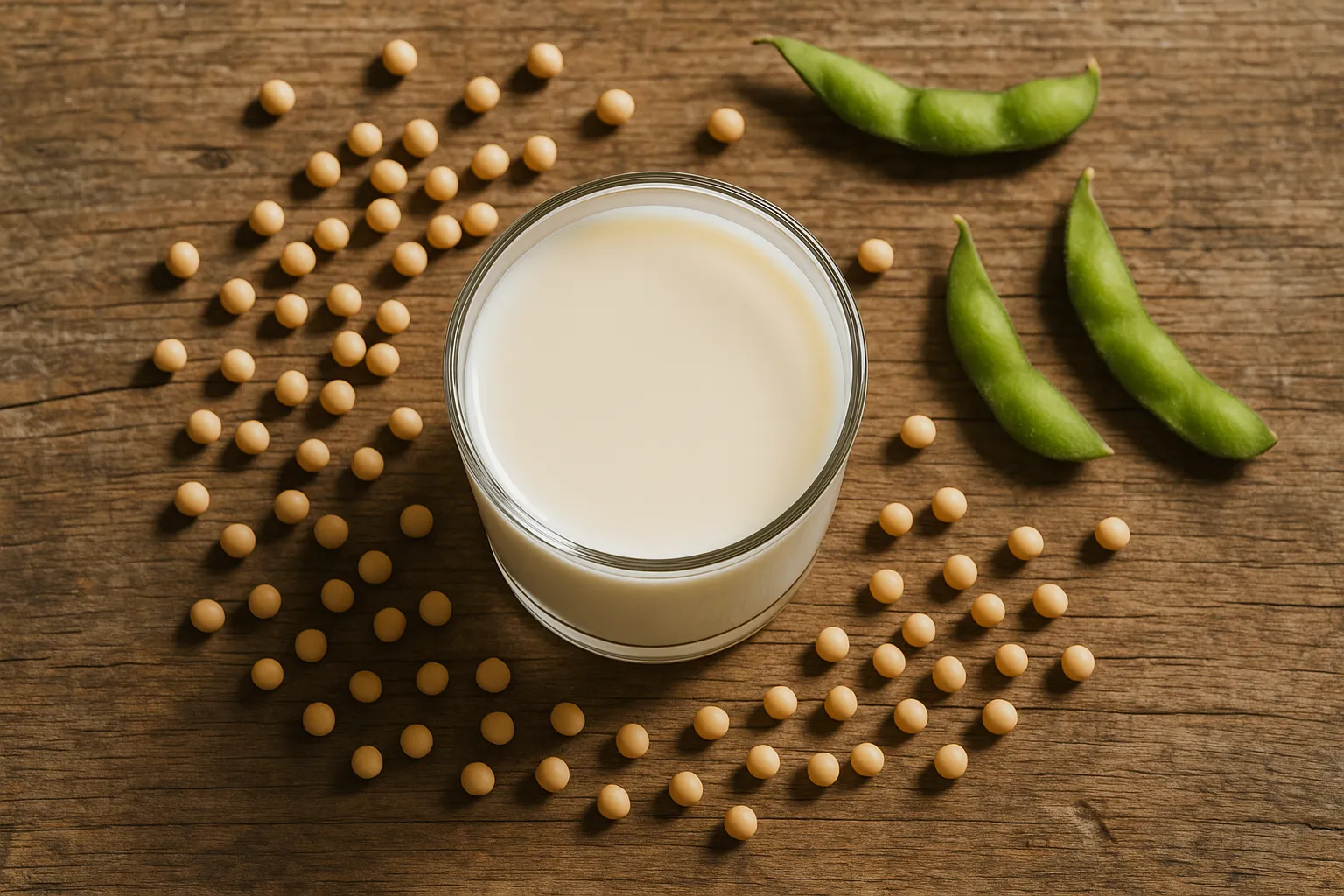
झटपट न्यूट्रिशन फैक्ट्स
Per 1 Tablespoon Soy Sauce (18g)
| पोषक तत्व | मात्रा |
|---|---|
| कैलोरी | 16 kcal |
| प्रोटीन | 2.2g |
| कार्बोहाइड्रेट | 1.5g |
| फाइबर | 0g |
| वसा | 0g |
| सोडियम | 920mg |
| आयरन | 0.4mg |
| पोटैशियम | 37mg |
| मैग्नीशियम | 4mg |
| Manganese | 0.1mg |
मैक्रोन्यूट्रिएंट ब्रेकडाउन
 ChatGPT
  Claude
  AI Mode
  Perplexity
पोषण विशेषज्ञ की सलाह
Fermented soy sauce शामिल है glutamic acid, the amino acid responsible for umami flavor. This allows you to use less salt in cooking जबकि achieving rich taste. Fermented varieties (6+ months aged) also contain लाभदायक enzymes and probiotics supporting पाचन स्वास्थ्य, though सोडियम content remains the primary consideration.
मिथक बनाम सच
मिथक #1: Soy Sauce Causes Weight Gain
सच्चाई: Soy sauce is virtually calorie-free (16 कैलोरी per tablespoon). It सहायता करता है वजन घटाना by replacing salt or caloric condiments like mayonnaise (100+ कैलोरी) and sauces. A 2022 study found umami flavors enhance satiety, helping reduce overall calorie intake.
मिथक #2: All Soy Sauce शामिल है Harmful Additives
सच्चाई: Traditional fermented soy sauce (6+ months) शामिल है only soybeans, wheat, salt, and water. Non-fermented types may use chemical hydrolysis. Choose naturally brewed varieties with short ingredient lists. हमेशा check labels for additives like high-fructose corn syrup.
मिथक #3: Fermented Soy Is Unsafe for Those with Soy Allergies
सच्चाई: Fermentation breaks down allergenic soy proteins, making traditionally fermented soy sauce safer than कच्चा soy. हालांकि, those with severe soy allergies should consult doctors. Tamari (100% soybean without wheat) is another gluten-free alternative.
मिथक #4: Soy Sauce Spikes Blood शुगर
सच्चाई: Soy sauce has minimal कार्बोहाइड्रेट (1.5g per tablespoon) and low glycemic index. The fermentation process converts most sugars into amino acids and organic acids, making it safe for diabetics in मध्यम amounts.
मिथक #5: High सोडियम Means Soy Sauce हमेशा Raises Blood Pressure
सच्चाई: जबकि one tablespoon शामिल है 40% दैनिक सोडियम, this is a single serving. पोटैशियम in soy sauce (37mg) सहायता करता है blood pressure regulation. Low-सोडियम varieties and dilution strategies make soy sauce compatible with blood pressure management.
मिथक #6: Soy Sauce Is Just Salt Dissolved in Water
सच्चाई: Traditional soy sauce is a complex fermented product containing amino acids, B विटामिन, एंटीऑक्सीडेंट, and लाभदायक microorganisms. Fermentation creates unique flavor compounds and लाभदायक enzymes absent in simple salt solutions.
हेल्थ गोल्स के हिसाब से न्यूट्रीस्कोर
| स्वास्थ्य लक्ष्य | NutriScore | यह स्कोर क्यों? |
|---|---|---|
| वजन घटाना |  | 16 कैलोरी per tablespoon, virtually वसा-free. Umami flavor replaces caloric condiments. Use as salt replacement for savory cooking. |
| मांसपेशी वृद्धि |  | Minimal प्रोटीन (2.2g per tablespoon). Better paired with high-प्रोटीन dishes. High सोडियम may require संयम के दौरान intense training. |
| डायबिटीज प्रबंधन |  | Low glycemic index (1.5g कार्ब्स), minimal impact on ब्लड शुगर. High सोडियम may affect some diabetics; choose low-सोडियम varieties and monitor. |
| पीसीओएस प्रबंधन | | Low calorie, minimal कार्ब्स. Use sparingly due to high सोडियम. Fermented benefits support gut health; limit to 1 teaspoon दैनिक. |
| गर्भावस्था पोषण | | Low calorie, negligible पोषक तत्व. High सोडियम may increase blood pressure concerns in गर्भावस्था. Consult doctor; use low-सोडियम soy sauce if allowed. |
| Viral/Flu Recovery | | Fermented enzymes aid digestion. Low कैलोरी ideal for reduced appetite. High सोडियम may cause fluid retention; use संयम. |
व्यक्तिगत पोषण
अपने भोजन को ट्रैक करें with NutriScan for personalized NutriScores based on your specific health goals!
ब्लड शुगर रेस्पॉन्स to Soy Sauce
Soy sauce has minimal impact on रक्त ग्लूकोज due to low carbohydrate content and fermented compounds.
सामान्य ग्लूकोज प्रतिक्रिया वक्र
यह चार्ट दिखाता है minimal रक्त ग्लूकोज impact from soy sauce (low GI, <2g कार्ब्स). व्यक्तिगत प्रतिक्रियाएं भिन्न हो सकती हैं. यह मेडिकल सलाह नहीं है.
कैसे करें: Use Soy Sauce Strategically
- 🍲 Broth-based soups - Add soy sauce instead of salt for deep savory flavor
- 🥢 Stir-fries - Combine with ginger and garlic to reduce oil needs
- 🥒 Marinades - Replace oil-heavy marinades with soy-based solutions
- 🍚 Rice dishes - Season rice without added कैलोरी or वसा
This approach maximizes flavor जबकि maintaining caloric and nutritional targets.
सांस्कृतिक महत्व
Soy sauce represents one of the world's most महत्वपूर्ण fermented condiments, originating in East Asia over 2,000 years ago.
In China:
- Ancient origins (Zhou Dynasty, 206 BC) from fermented soybeans
- आवश्यक to Chinese cuisine across all regions (Sichuan, Guangdong, Shandong)
- Traditional brewing can take 6-18 months for superior quality
In Japan:
- Shoyu (Japanese soy sauce) refined के दौरान the Edo period (1603-1868)
- Incorporated into every meal: sushi, ramen, tempura, ग्रिल्ड foods
- Kikkoman (largest producer) standardized soy sauce globally
Global Impact:
- Consumed by 2+ billion people across Asia, Europe, Americas
- Production 2+ million tons annually
- UNESCO recognizes traditional fermented soy sauce as cultural heritage
तुलना और विकल्प
Soy Sauce vs Similar Condiments (Per Tablespoon, 18g)
| पोषक तत्व | 🥢 Soy Sauce | 🧂 Table Salt | 🥥 Coconut Aminos | 🥛 Tamari (Gluten-Free) |
|---|---|---|---|---|
| कैलोरी | 16 kcal | 0 kcal | 12 kcal | 15 kcal |
| प्रोटीन | 2.2g | 0g | 0.6g | 2.5g |
| कार्ब्स | 1.5g | 0g | 2.8g | 1g |
| वसा | 0g | 0g | 0g | 0g |
| सोडियम | 920mg | 2300mg | 310mg | 860mg |
| आयरन | 0.4mg | 0mg | 0.2mg | 0.5mg |
| Umami | High (glutamic acid) | None | Medium | High |
| सबसे अच्छा | Asian dishes, versatile | Cooking, low-carb diets | Soy-free, low-सोडियम option | Gluten-free, similar flavor |
अक्सर पूछे सवाल
How many कैलोरी are in soy sauce?
One tablespoon (18g) शामिल है only 16 कैलोरी, making it virtually calorie-free as a condiment. Nutritionally, it प्रदान करता है 2.2g प्रोटीन and 1.5g कार्बोहाइड्रेट with zero वसा. The entire calorie content comes from कार्बोहाइड्रेट and trace proteins, making soy sauce ideal for वजन घटाना and calorie-restricted diets.
Is soy sauce high in सोडियम?
Yes, one tablespoon शामिल है 920mg सोडियम (40% दैनिक मूल्य). For those with hypertension or सोडियम restrictions, use low-सोडियम soy sauce (300-400mg per tablespoon), dilute with water or broth, or substitute coconut aminos (310mg सोडियम). दैनिक limit recommendations vary; consult your healthcare provider.
Does soy sauce contain gluten?
Traditional soy sauce शामिल है wheat as a fermentation ingredient, making it unsuitable for gluten-free diets. Tamari (100% soybean, no wheat) is the certified gluten-free alternative. हमेशा check labels; some brands add barley or other gluten-containing grains.
Is fermented soy sauce healthier?
Traditionally fermented soy sauce (6+ months aged) शामिल है लाभदायक enzymes, probiotics, and amino acids that support पाचन स्वास्थ्य. Non-fermented (chemically hydrolyzed) lacks these compounds. Choose varieties labeled "6-month aged," "traditionally brewed," or "naturally fermented" for maximum nutritional benefit.
Can people with high blood pressure use soy sauce?
Standard soy sauce exceeds दैनिक सोडियम limits for hypertensive patients. Strategies: use low-सोडियम soy sauce (limit to 1-2 teaspoons), dilute with water, use tamari, or try coconut aminos. हमेशा consult your doctor लगभग दैनिक सोडियम allowance पहले using any soy sauce.
What are the main स्वास्थ्य लाभ of soy sauce?
Fermented soy sauce प्रदान करता है एंटीऑक्सीडेंट, सुधारता है प्रोटीन digestion through enzymes, सहायता करता है gut bacteria health, and adds rich umami flavor without added कैलोरी. हालांकि, high सोडियम limits दैनिक intake to 1-2 tablespoons. Best used as a low-calorie replacement for salt, oil-based condiments, or sugary sauces.


Similar पौष्टिक Condiments
4505 Chicharrones Classic Chili Salt
7 Eleven Japan Crispy Corn Cheese
Explore More Nutrition Tools & Resources
40 साल के Male के लिए Diet Plan
AI Calorie Counter App: photo लो, calories देखो, free
AI Nutritionist App: Monika से meals पर बात करो
Best Protein Supplements Women के लिए
Bulking Meal Plan App: surplus और protein एक साथ
ChatGPT Calorie Counter Alternative: जो total भी याद रखे
ChatGPT Diet Plan Alternative: जो खाया वो track भी करे
ChatGPT Weight Loss Coach Alternative: वज़न भी track करे
Fast Food Calorie Counter App: burger की calories photo से
Indian Diet Plan App: dal, roti, sabzi का सही हिसाब
Indian Food Calorie Calculator
Indian Food Calorie Calculator - भारतीय खाने के लिए तुरंत Nutrition Facts — 2026
Intermittent Fasting App for Women: timer साथ meal log भी
Intermittent Fasting Tracker App - Free Timer, बिना Trial
Macro Tracker App: फोटो से भरें protein, carb, fat
Mediterranean Diet Meal Plan App: तेल भी गिने
Monthly Grocery List Generator
Nutrition Label Scanner App: आपके खाए हिस्से का हिसाब
Vegetarian Meal Plan App: protein target वाला 28 दिन का plan
Voice-Activated Calorie Counter - बोलकर Log करें Meals और Track करें Nutrition Hands-Free — 2026
Water Tracker App: free पानी और Calorie Log