Spicy Mayonnaise: कैलोरी, पोषण और स्वास्थ्य लाभ
Popular creamy condiment adding bold flavor to sandwiches, sushi, and wraps—but packing 100 कैलोरी per tablespoon. Understanding पोर्शन कंट्रोल is key.
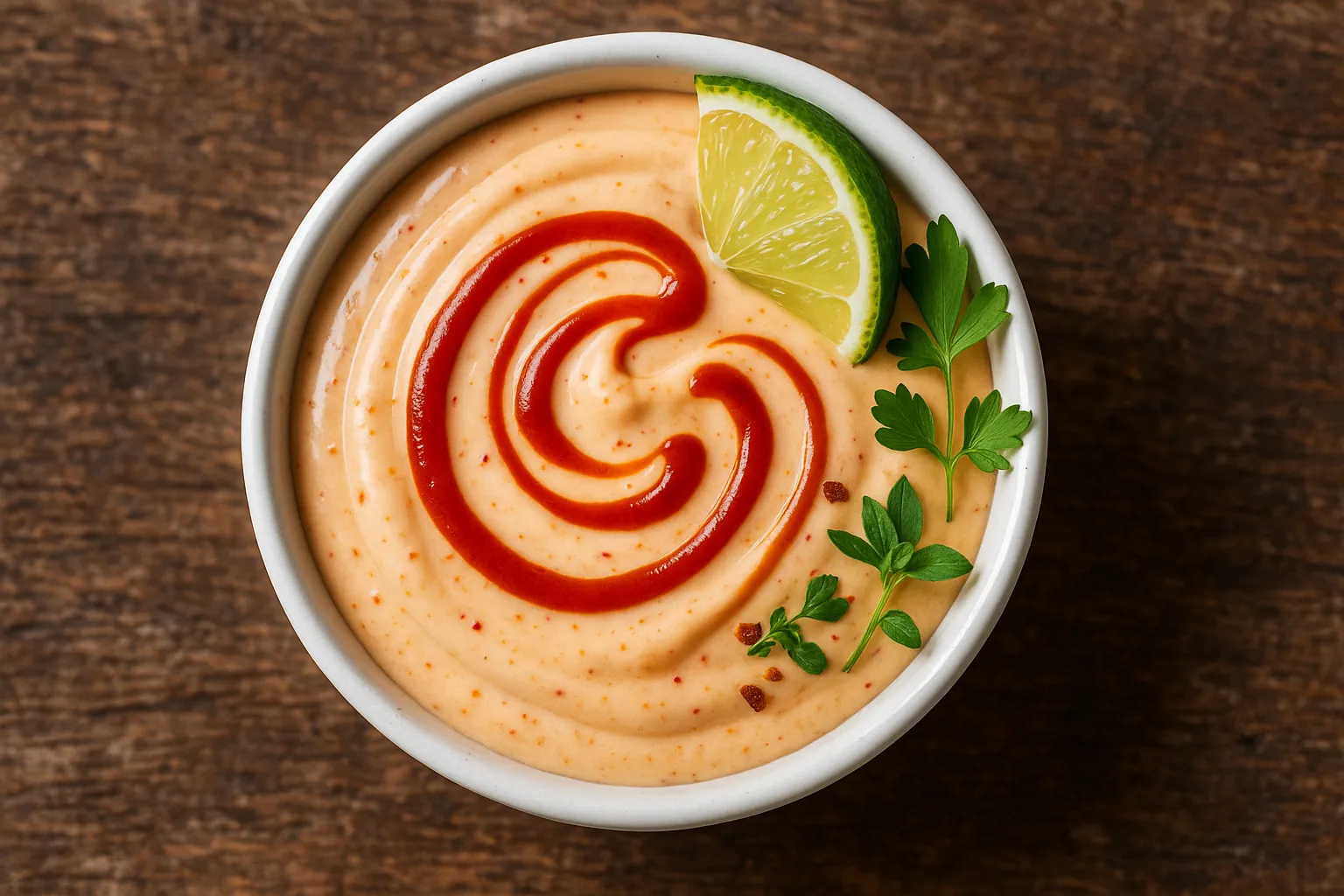
झटपट न्यूट्रिशन फैक्ट्स
Per 1 Tablespoon (15g)
| पोषक तत्व | मात्रा |
|---|---|
| कैलोरी | 100 kcal |
| प्रोटीन | 0.2g |
| कार्बोहाइड्रेट | 0.5g |
| फाइबर | 0g |
| शुगर | 0.2g |
| वसा | 11g |
| संतृप्त वसा | 1.5g |
| सोडियम | 85mg |
| विटामिन E | 1.2mg |
| Omega-6 | ~6g |
मैक्रोन्यूट्रिएंट ब्रेकडाउन
 ChatGPT
  Claude
  AI Mode
  Perplexity
पोषण विशेषज्ञ की सलाह
Spicy mayonnaise is 98% वसा by कैलोरी. जबकि it adds flavor, just 2 tablespoons contain 200 कैलोरी—equivalent to a small meal. Measure हिस्से carefully and consider Greek yogurt-based alternatives for similar creaminess with 85% fewer कैलोरी.
मिथक बनाम सच
मिथक #1: Mayo Is Just Empty कैलोरी
सच्चाई: जबकि calorie-dense, mayonnaise प्रदान करता है विटामिन E (8% DV per tablespoon) and मदद करता है absorb वसा-soluble विटामिन from vegetables. हालांकि, the high calorie-to-nutrient ratio means better sources exist for most विटामिन.
मिथक #2: All Mayonnaise Is Equally Unhealthy
सच्चाई: The type of oil matters significantly. Soybean oil mayo is high in inflammatory omega-6. Olive oil or avocado oil mayo प्रदान करता है healthier monounsaturated fats. Read labels carefully.
मिथक #3: Light Mayo Has No Nutritional Value
सच्चाई: Light/reduced-वसा mayo maintains similar texture with 35-50 कैलोरी per tablespoon (65% calorie reduction). The reduced वसा content actually makes sense for a condiment—use it for flavor, not nutrition.
मिथक #4: Spicy Mayo Is Healthier Than Regular
सच्चाई: Adding sriracha or hot sauce to mayo doesn't significantly change कैलोरी or nutrition. The capsaicin may provide minor चयापचय boost, but the 100-calorie वसा load remains. Don't justify larger हिस्से.
मिथक #5: Mayonnaise Causes Heart Disease
सच्चाई: Research shows the वसा type matters more than total वसा. Olive oil-based mayo with balanced omega-3/6 ratios isn't inherently harmful. Excess कैलोरी from any source increase disease risk.
मिथक #6: Homemade Mayo Is हमेशा Healthier
सच्चाई: Homemade mayo can be healthier IF you use quality oils (olive, avocado) instead of vegetable oil. हालांकि, calorie content remains similar. The main benefit is controlling ingredients and avoiding additives.
हेल्थ गोल्स के हिसाब से न्यूट्रीस्कोर
| स्वास्थ्य लक्ष्य | NutriScore | यह स्कोर क्यों? |
|---|---|---|
| वजन घटाना |  | Very calorie-dense (100 cal/tbsp). Easy to overconsume. Limit to 1 teaspoon or choose 50-cal light versions. |
| मांसपेशी वृद्धि |  | प्रदान करता है कैलोरी and मदद करता है absorb वसा-soluble विटामिन, but negligible प्रोटीन (0.2g). Use moderately with प्रोटीन-rich foods. |
| डायबिटीज प्रबंधन | | Very low कार्ब्स (0.5g), won't spike ब्लड शुगर. हालांकि, high कैलोरी contribute to weight gain affecting डायबिटीज control. Limit हिस्से. |
| पीसीओएस प्रबंधन | | Low carb but high omega-6 may promote सूजन. Choose olive/avocado oil versions. Use sparingly. |
| गर्भावस्था पोषण | | Safe if pasteurized (most commercial mayo is). प्रदान करता है विटामिन E and मदद करता है nutrient absorption. Choose quality versions, limit हिस्से to control weight gain. |
| Viral/Flu Recovery | | Calorie-dense for maintaining weight के दौरान illness. Easy to swallow. हालांकि, प्रदान करता है minimal immune-supporting पोषक तत्व. Use as needed for palatability. |
व्यक्तिगत पोषण
अपने भोजन को ट्रैक करें with NutriScan for personalized NutriScores and हिस्सा recommendations based on your specific health goals!
ब्लड शुगर रेस्पॉन्स to Spicy Mayonnaise
Spicy mayonnaise has minimal impact on ब्लड शुगर due to negligible carbohydrate content, but understanding its use in meals is महत्वपूर्ण.
सामान्य ग्लूकोज प्रतिक्रिया वक्र
यह चार्ट दिखाता है minimal रक्त ग्लूकोज response due to negligible carb content. व्यक्तिगत प्रतिक्रियाएं भिन्न हो सकती हैं. यह मेडिकल सलाह नहीं है.
Smart Usage for Blood शुगर Control
जबकि mayo doesn't spike ब्लड शुगर, the वसा content actually slows digestion of the entire meal:
- 🥪 In sandwiches - वसा slows bread's glucose absorption (positive effect)
- 🍣 With sushi - Moderates rice's glycemic impact
- 🥗 On salads - मदद करता है absorb वसा-soluble विटामिन from vegetables
- 🌯 In wraps - Balances कार्ब्स from tortilla/roti
हालांकि, excessive कैलोरी from mayo can lead to weight gain, which worsens insulin resistance over time. Portion control is critical.
सांस्कृतिक महत्व
Mayonnaise originated in 18th-century France but has become a global condiment with regional variations.
Global Variations:
- Japan: Kewpie mayo (sweeter, tangier) is a staple; spicy mayo आवश्यक for sushi rolls
- Latin America: Mayo mixed with lime, chipotle, or jalapeños
- Middle East: Garlic mayo (toum) made with only garlic, oil, lemon
- India: अक्सर mixed with mint, coriander, or tandoori spices for sandwiches
- Korea: Spicy gochujang mayo for Korean तला हुआ chicken
Spicy Mayo in Modern Cuisine:
- Popularized by Japanese-American sushi restaurants in 1990s
- आवश्यक for spicy tuna rolls, poke bowls, sushi burritos
- Now used in burgers, tacos, wraps, and as dipping sauce
- Food trucks and fusion restaurants created countless variations
Commercial vs. Homemade:
- Commercial versions use soybean oil (cheap, high omega-6)
- Quality brands offer olive oil, avocado oil, or canola oil versions
- Homemade allows control of oil type and spice level
- Growing market for vegan mayo (aquafaba-based, eggless)
तुलना और विकल्प
Spicy Mayonnaise vs Similar Condiments (Per 1 Tablespoon)
| पोषक तत्व | 🌶️ Spicy Mayo | 🥑 Greek Yogurt + Sriracha | 🫒 Olive Oil Mayo | 💡 Light Mayo |
|---|---|---|---|---|
| कैलोरी | 100 kcal | 15 kcal | 100 kcal | 35 kcal |
| वसा | 11g | 0.4g | 11g | 3.5g |
| Sat वसा | 1.5g | 0.2g | 1.5g | 0.5g |
| प्रोटीन | 0.2g | 1.5g | 0.2g | 0.1g |
| कार्ब्स | 0.5g | 1g | 0.3g | 1g |
| सोडियम | 85mg | 8mg | 90mg | 120mg |
| Omega-6 | ~6g (high) | 0.1g (low) | 1.5g (मध्यम) | ~2g (मध्यम) |
| सबसे अच्छा | Flavor (use sparingly) | Weight loss, high प्रोटीन | हृदय स्वास्थ्य, better fats | Calorie control |
अक्सर पूछे सवाल
Is spicy mayonnaise bad for वजन घटाना?
Spicy mayonnaise is very challenging for वजन घटाना due to extreme calorie density. At 100 कैलोरी per tablespoon, हिस्से escalate quickly; most people use 2-3 tablespoons in sandwiches (200-300 कैलोरी); वसा content प्रदान करता है no satiety benefit at this serving size.
Weight loss strategies:
- Replace entirely: Greek yogurt + sriracha (15 cal/tbsp, 85% reduction)
- Use light mayo: 35-50 कैलोरी per tablespoon (65% reduction)
- Measure strictly: Use actual measuring spoon, कभी नहीं "eyeball"
- Thin it out: Mix 1 tsp mayo + 1 tbsp yogurt for better volume
- Choose avocado: 1/4 avocado (60 cal) प्रदान करता है स्वस्थ fats + फाइबर
Can diabetics eat spicy mayonnaise?
Diabetics can use spicy mayonnaise in small amounts. Minimal कार्ब्स (0.5g/tbsp) means no ब्लड शुगर spike; वसा content actually slows meal digestion; हालांकि, कैलोरी contribute to weight gain affecting डायबिटीज management.
Tips for diabetics:
- Limit to 1 teaspoon per meal (33 कैलोरी vs 100)
- Choose light or reduced-वसा versions (35-50 कैलोरी)
- Pair with high-फाइबर vegetables to increase meal volume
- Monitor total दैनिक वसा intake (25-35% of कैलोरी अनुशंसित)
- Focus on meal हिस्सा sizes—mayo is one small component
Studies show dietary वसा type affects सूजन, which impacts डायबिटीज. Choose olive or avocado oil mayo. हमेशा consult your healthcare provider.
How many कैलोरी are in spicy mayo?
Standard हिस्से:
- 1 teaspoon (5g): 33 कैलोरी, 3.7g वसा
- 1 tablespoon (15g): 100 कैलोरी, 11g वसा
- Typical sandwich use (2 tbsp): 200 कैलोरी, 22g वसा
- Sushi roll drizzle (1 tbsp): 100 कैलोरी, 11g वसा
Compare to alternatives: Light mayo = 35 cal/tbsp; Greek yogurt + hot sauce = 15 cal/tbsp; Avocado spread = 60 cal for 1/4 avocado.
Is spicy mayonnaise high in omega-6?
Yes, most commercial mayonnaise is made with soybean or vegetable oil, providing approximately 6g omega-6 fatty acids per tablespoon. Excessive omega-6 intake may promote सूजन जब not balanced with omega-3s.
Better options:
- Olive oil mayo: Lower omega-6, higher monounsaturated fats
- Avocado oil mayo: Better omega-6/omega-3 ratio
- Canola oil mayo: More balanced fatty acid profile
- Add omega-3: Pair mayo with fatty fish for balance
Optimal omega-6 to omega-3 ratio is 4:1 or lower. Standard mayo is approximately 20:1.
क्या है: spicy mayo made of?
Basic Recipe:
- Mayonnaise (oil, egg yolk, vinegar, salt)
- Sriracha or hot sauce (chili peppers, vinegar, garlic, शुगर)
- Optional: Lime juice, garlic, paprika, cayenne
Variations:
- Japanese style: Kewpie mayo + sriracha + sesame oil
- Mexican style: Mayo + chipotle + lime
- Korean style: Mayo + gochujang (fermented chili paste)
- Indian style: Mayo + tandoori spices or green chili
Homemade Control: Making your own allows healthier oil choice (olive, avocado); reduced salt and शुगर; customized spice level. हालांकि, कैलोरी remain similar to commercial versions.
Are there healthier alternatives to spicy mayo?
Best Alternatives:
1. Greek Yogurt + Hot Sauce (15 cal/tbsp)
- 85% fewer कैलोरी, adds 1.5g प्रोटीन, similar creamy texture
2. Avocado Spread (60 cal for 1/4 avocado)
- Heart-स्वस्थ fats, फाइबर, पोटैशियम, natural creaminess
3. Hummus + Harissa (25 cal/tbsp)
- Plant प्रोटीन, फाइबर, complex flavor, Mediterranean option
4. Light Mayo + Sriracha (35-40 cal/tbsp)
- 65% calorie reduction, maintains mayo flavor
5. Olive Oil Mayo (100 cal/tbsp)
- Same कैलोरी, better वसा profile, anti-inflammatory
6. Cashew Cream + Hot Sauce (40 cal/tbsp, vegan)
- Plant-based, creamy, खनिज from nuts
Best strategy: Use alternatives for most meals, save real mayo for special occasions. Your taste preferences adapt within 2-3 weeks.
How should I store spicy mayonnaise?
Storage Guidelines:
- Unopened commercial: 1 year at room temperature
- Opened commercial: Refrigerate immediately, use within 2 months
- Homemade with कच्चा eggs: Refrigerate, use within 3-4 days
- Homemade with pasteurized eggs: Refrigerate, use within 1 week
- Mixed with sriracha: Refrigerate, use within 1 month
Safety Notes:
- हमेशा refrigerate बाद में opening or preparing
- Use clean utensils to prevent contamination
- Discard if color, smell, or texture changes
- Don't leave at room temperature beyond 2 hours
- Commercial mayo is safer than homemade due to preservatives and acid content
Can I use spicy mayo every day?
Depends on हिस्से and overall diet:
Limited use okay (1 tsp/day):
- प्रदान करता है 33 कैलोरी, fits most meal plans
- Won't significantly impact weight or health
- Choose olive or avocado oil versions
दैनिक excess use problematic:
- 2+ tablespoons दैनिक = 200+ कैलोरी from condiment alone
- 700+ कैलोरी weekly from mayo contributes to weight gain
- High omega-6 intake may promote chronic सूजन
- Better to rotate condiments for nutrient diversity
Optimal approach: Reserve mayo for 2-3 meals per week; use alternatives (yogurt, hummus, avocado) for other meals; measure हिस्से with actual spoons; choose quality versions with better oils.


समान पौष्टिक खाद्य पदार्थ
4505 Chicharrones Classic Chili Salt
7 Eleven Japan Crispy Corn Cheese
Explore More Nutrition Tools & Resources
40 साल के Male के लिए Diet Plan
AI Calorie Counter App: photo लो, calories देखो, free
AI Nutritionist App: Monika से meals पर बात करो
Best Protein Supplements Women के लिए
Bulking Meal Plan App: surplus और protein एक साथ
ChatGPT Calorie Counter Alternative: जो total भी याद रखे
ChatGPT Diet Plan Alternative: जो खाया वो track भी करे
ChatGPT Weight Loss Coach Alternative: वज़न भी track करे
Fast Food Calorie Counter App: burger की calories photo से
Indian Diet Plan App: dal, roti, sabzi का सही हिसाब
Indian Food Calorie Calculator
Indian Food Calorie Calculator - भारतीय खाने के लिए तुरंत Nutrition Facts — 2026
Intermittent Fasting App for Women: timer साथ meal log भी
Intermittent Fasting Tracker App - Free Timer, बिना Trial
Macro Tracker App: फोटो से भरें protein, carb, fat
Mediterranean Diet Meal Plan App: तेल भी गिने
Monthly Grocery List Generator
Nutrition Label Scanner App: आपके खाए हिस्से का हिसाब
Vegetarian Meal Plan App: protein target वाला 28 दिन का plan
Voice-Activated Calorie Counter - बोलकर Log करें Meals और Track करें Nutrition Hands-Free — 2026
Water Tracker App: free पानी और Calorie Log