Tadka Dal: कैलोरी, पोषण और स्वास्थ्य लाभ
India's प्रोटीन powerhouse - yellow lentils tempered with aromatic spices, offering complete nutrition in every comforting bowl.
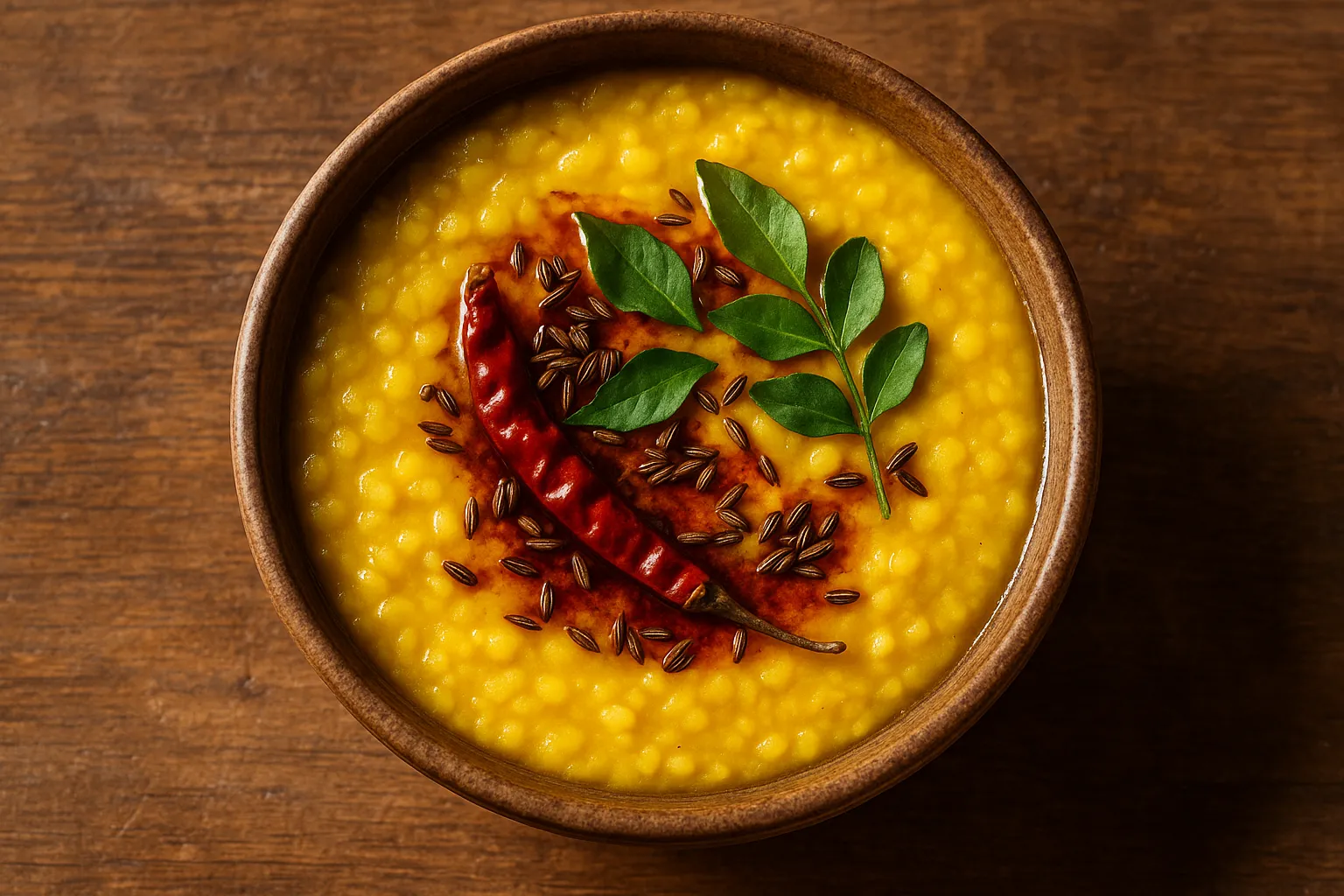
झटपट न्यूट्रिशन फैक्ट्स
प्रति 100g Serving (लगभग 1/2 cup)
| पोषक तत्व | मात्रा |
|---|---|
| कैलोरी | 120 kcal |
| प्रोटीन | 9g |
| कार्बोहाइड्रेट | 15g |
| फाइबर | 5g |
| शुगर | 2g |
| वसा | 3g |
| आयरन | 2.7mg |
| Folate | 115mcg |
| पोटैशियम | 340mg |
| मैग्नीशियम | 45mg |
मैक्रोन्यूट्रिएंट ब्रेकडाउन
 ChatGPT
  Claude
  AI Mode
  Perplexity
पोषण विशेषज्ञ की सलाह
Tadka dal combines complete plant प्रोटीन from lentils with spices like cumin and turmeric that enhance nutrient absorption and provide anti-inflammatory benefits. The tempering (tadka) with ghee or oil makes वसा-soluble पोषक तत्व more bioavailable.
मिथक बनाम सच
मिथक #1: Dal Causes Bloating and Gas
सच्चाई: जबकि lentils contain oligosaccharides that can cause gas, proper cooking with spices like cumin, hing (asafoetida), and ginger significantly कम करता है this effect. Soaking dal for 2-4 hours पहले cooking also मदद करता है.
मिथक #2: Dal Doesn't Have Complete प्रोटीन
सच्चाई: जबकि dal is slightly lower in methionine, pairing it with rice or roti creates a complete amino acid profile. This traditional dal-rice combination प्रदान करता है all आवश्यक amino acids needed for muscle building and repair.
मिथक #3: Too Much Dal Causes Kidney Stones
सच्चाई: Moderate dal consumption (1-2 cups दैनिक) is safe and लाभदायक for kidney health. Only excessive प्रोटीन intake (over 2g per kg body weight) combined with inadequate hydration poses risks. Stay hydrated and consume balanced हिस्से.
मिथक #4: Dal Has Too Many कार्ब्स for वजन घटाना
सच्चाई: Despite 15g कार्ब्स प्रति 100g, dal's high फाइबर (5g) and प्रोटीन (9g) create a low glycemic response that बढ़ावा देता है वसा loss. The फाइबर and प्रोटीन increase satiety, reducing overall calorie intake.
मिथक #5: Yellow Dal Has Less प्रोटीन Than Black Dal
सच्चाई: Toor dal (yellow) शामिल है 22-23g प्रोटीन प्रति 100g dry weight, similar to urad dal (black). The पका हुआ weight differs due to water content, but प्रोटीन concentration remains comparable across lentil varieties.
मिथक #6: Dal Should Be Avoided at Night
सच्चाई: Dal is actually ideal for dinner as it's easy to digest, प्रदान करता है sustained energy through the night, and the प्रोटीन सहायता करता है overnight muscle repair and recovery. The myth likely stems from improper cooking methods.
हेल्थ गोल्स के हिसाब से न्यूट्रीस्कोर
| स्वास्थ्य लक्ष्य | NutriScore | यह स्कोर क्यों? |
|---|---|---|
| वजन घटाना |  | Only 120 कैलोरी with 9g प्रोटीन and 5g फाइबर for maximum satiety. Low वसा, high volume food perfect for calorie deficit. |
| मांसपेशी वृद्धि | | 9g प्रोटीन प्रति 100g, complete amino acids जब paired with rice. Excellent plant-based प्रोटीन for muscle synthesis. |
| डायबिटीज प्रबंधन | | Low GI (30-35) and high फाइबर stabilize ब्लड शुगर. Perfect दैनिक staple for diabetics. |
| पीसीओएस प्रबंधन | | Low GI, high प्रोटीन, and anti-inflammatory spices support hormone balance. मदद करता है manage insulin resistance. |
| गर्भावस्था पोषण | | Rich in folate (115mcg) for fetal development and आयरन (2.7mg) to prevent anemia. दैनिक आवश्यक. |
| Viral/Flu Recovery | | Easy to digest, immune-boosting spices, प्रोटीन for tissue repair, warm and comforting. Perfect recovery food. |
व्यक्तिगत पोषण
अपने भोजन को ट्रैक करें with NutriScan for personalized NutriScores based on your specific health goals!
ब्लड शुगर रेस्पॉन्स to Tadka Dal
Understanding dal's minimal impact on रक्त ग्लूकोज makes it ideal for diabetics and weight management.
सामान्य ग्लूकोज प्रतिक्रिया वक्र
यह चार्ट दिखाता है typical रक्त ग्लूकोज response for general स्वस्थ individuals. व्यक्तिगत प्रतिक्रियाएं भिन्न हो सकती हैं. यह मेडिकल सलाह नहीं है.
कैसे करें: Optimize Blood शुगर Control
Combining dal with whole grains and vegetables creates an even flatter glucose curve:
- 🍚 Brown rice or millets - Adds resistant starch and B विटामिन
- 🥗 Mixed vegetable curry - Extra फाइबर slows digestion further
- 🥄 Raita or yogurt - प्रोटीन and probiotics enhance gut health
- 🥒 Cucumber and onion salad - Low-calorie volume with micronutrients
This traditional Indian thali combination represents scientifically optimal ब्लड शुगर management.
सांस्कृतिक महत्व
Dal is the soul of Indian cuisine, with references dating back over 4,000 years in Vedic texts.
In India:
- Consumed दैनिक in 98% of Indian households across all economic levels
- Regional varieties: Punjabi Tadka Dal, Bengali Cholar Dal, Gujarati Dal Dhokli
- Ayurveda considers dal-rice the most balanced and sattvic (pure) meal
- Offered in temples and served at every auspicious occasion
- "Dal-chawal" (dal-rice) represents comfort, home, and maternal love in Indian culture
Spiritual & Health Connection:
- Mentioned in ancient Ayurvedic texts for balancing doshas
- Traditional preparation methods maximize digestibility and nutrient absorption
- Spice combinations (cumin, turmeric, asafoetida) have medicinal properties recognized for centuries
Global Recognition:
- UNESCO recognized Indian thali (सहित dal) as part of cultural heritage
- Growing popularity worldwide as plant-based प्रोटीन source
- Featured prominently in modern plant-based and sustainable diet movements
तुलना और विकल्प
Tadka Dal vs Similar प्रोटीन Sources (प्रति 100g)
| पोषक तत्व | 🥘 Tadka Dal | 🥘 Rajma (Kidney Beans) | 🥘 Chana (Chickpeas) | 🍗 Chicken Breast |
|---|---|---|---|---|
| कैलोरी | 120 kcal | 130 kcal | 165 kcal | 165 kcal |
| कार्ब्स | 15g | 22g | 27g | 0g |
| फाइबर | 5g | 7g | 7.6g | 0g |
| प्रोटीन | 9g | 9g | 8.9g | 31g |
| वसा | 3g | 0.5g | 2.6g | 3.6g |
| आयरन | 2.7mg | 2.9mg | 2.9mg | 0.9mg |
| Folate | 115mcg | 130mcg | 172mcg | 4mcg |
| GI | 30-35 | 29 | 28 | 0 |
| सबसे अच्छा | दैनिक staple | Weight loss | High फाइबर needs | Muscle building |
अक्सर पूछे सवाल
Is tadka dal good for वजन घटाना?
Yes, tadka dal is excellent for वजन घटाना with only 120 कैलोरी प्रति 100g but packed with 9g प्रोटीन and 5g फाइबर that promote fullness. The high प्रोटीन मदद करता है preserve muscle के दौरान वजन घटाना, जबकि फाइबर कम करता है hunger and controls appetite.
Best practices: Eat 1-1.5 cups (240-360ml) दैनिक with vegetables; reduce tempering oil to 1 tsp; pair with brown rice or millets; avoid cream or butter garnishes.
Can diabetics eat tadka dal?
Absolutely! Tadka dal is one of the best foods for diabetics with a low glycemic index (30-35). The combination of प्रोटीन, फाइबर, and complex कार्ब्स रोकता है ब्लड शुगर spikes and सहायता करता है long-term glucose control.
Tips for diabetics: Consume 1-2 cups दैनिक; pair with whole grains and vegetables; add extra फाइबर with spinach or bottle gourd; the tempering spices (turmeric, cumin) have anti-diabetic properties.
दैनिक dal consumption is associated with better HbA1c control in diabetic patients.
How much प्रोटीन is in tadka dal?
Tadka dal शामिल है approximately 9 grams of प्रोटीन प्रति 100g serving. One cup (240ml) of पका हुआ dal प्रदान करता है लगभग 18-20g of प्रोटीन, contributing significantly to दैनिक प्रोटीन needs.
For complete प्रोटीन profile, combine with rice or roti - this traditional combination प्रदान करता है all nine आवश्यक amino acids needed for muscle building and repair.
What are the main स्वास्थ्य लाभ of tadka dal?
Key Benefits:
- High Plant प्रोटीन: 9g प्रति 100g सहायता करता है muscle maintenance and repair
- Rich in फाइबर: 5g बढ़ावा देता है पाचन स्वास्थ्य and satiety
- Blood शुगर Control: Low GI (30-35) रोकता है glucose spikes
- Heart Health: Low saturated वसा, high पोटैशियम, and folate support cardiovascular function
- आयरन & Folate: रोकता है anemia, विशेष रूप से महत्वपूर्ण for women and गर्भावस्था
- Anti-inflammatory: Turmeric and cumin in tempering reduce सूजन
Is tadka dal healthier than chicken?
Both are पौष्टिक प्रोटीन sources but serve different nutritional needs:
Tadka Dal Advantages:
- Lower in saturated वसा and कैलोरी
- Rich in फाइबर (5g vs 0g in chicken)
- शामिल है आयरन, folate, and complex कार्ब्स
- Plant-based, sustainable, budget-friendly
Chicken Advantages:
- Higher प्रोटीन content (31g vs 9g प्रति 100g)
- Complete प्रोटीन without food combining
- Rich in विटामिन B12 (not in dal)
Recommendation: For plant-based diets, डायबिटीज, or हृदय स्वास्थ्य → Choose dal. For high प्रोटीन needs or muscle building → Include both.
How अक्सर should I eat dal?
दैनिक consumption is लाभदायक for most people. Dal प्रदान करता है आवश्यक प्रोटीन, फाइबर, आयरन, and folate that support overall health.
अनुशंसित frequency:
- General Health: 1 cup (240ml) दैनिक
- वजन घटाना: 1-1.5 cups दैनिक as primary प्रोटीन
- मांसपेशी वृद्धि: 1-2 cups दैनिक plus other प्रोटीन sources
- डायबिटीज: 1-2 cups दैनिक for ब्लड शुगर control
- गर्भावस्था: 1-2 cups दैनिक for folate and आयरन
Rotate between different dals (toor, moong, masoor) for nutrient variety.
क्या है: the best time to eat dal?
Dal is suitable for any meal, but timing can optimize specific goals:
- वजन घटाना: Lunch and dinner (high satiety कम करता है snacking)
- मांसपेशी वृद्धि: Post-workout lunch or dinner (प्रोटीन for recovery)
- डायबिटीज: All meals (stabilizes ब्लड शुगर throughout day)
- Digestion: Avoid very late dinner if prone to acidity; earlier dinner (by 8 PM) is ideal
Traditional wisdom: Dal-rice for lunch प्रदान करता है sustained afternoon energy without drowsiness.
Does dal cause gas and bloating?
Properly prepared dal should not cause significant gas. Traditional Indian cooking methods specifically address this:
Prevention tips:
- Soak lentils for 2-4 hours पहले cooking (कम करता है oligosaccharides)
- Add hing (asafoetida) to tempering (powerful carminative)
- Use cumin seeds in tadka (aids digestion)
- Include ginger in cooking (कम करता है gas formation)
- Cook thoroughly until very soft (सुधारता है digestibility)
If gas persists, start with smaller हिस्से and gradually increase as your gut bacteria adapt.


समान पौष्टिक खाद्य पदार्थ
4505 Chicharrones Classic Chili Salt
7 Eleven Japan Crispy Corn Cheese
Explore More Nutrition Tools & Resources
40 साल के Male के लिए Diet Plan
AI Calorie Counter App: photo लो, calories देखो, free
AI Nutritionist App: Monika से meals पर बात करो
Best Protein Supplements Women के लिए
Bulking Meal Plan App: surplus और protein एक साथ
ChatGPT Calorie Counter Alternative: जो total भी याद रखे
ChatGPT Diet Plan Alternative: जो खाया वो track भी करे
ChatGPT Weight Loss Coach Alternative: वज़न भी track करे
Fast Food Calorie Counter App: burger की calories photo से
Indian Diet Plan App: dal, roti, sabzi का सही हिसाब
Indian Food Calorie Calculator
Indian Food Calorie Calculator - भारतीय खाने के लिए तुरंत Nutrition Facts — 2026
Intermittent Fasting App for Women: timer साथ meal log भी
Intermittent Fasting Tracker App - Free Timer, बिना Trial
Macro Tracker App: फोटो से भरें protein, carb, fat
Mediterranean Diet Meal Plan App: तेल भी गिने
Monthly Grocery List Generator
Nutrition Label Scanner App: आपके खाए हिस्से का हिसाब
Vegetarian Meal Plan App: protein target वाला 28 दिन का plan
Voice-Activated Calorie Counter - बोलकर Log करें Meals और Track करें Nutrition Hands-Free — 2026
Water Tracker App: free पानी और Calorie Log