Anpan: Calories, Nutrition and Health Benefits
Japan's beloved sweet bread filled with nutritious red bean paste, offering gentle energy and plant-based protein in every bite.
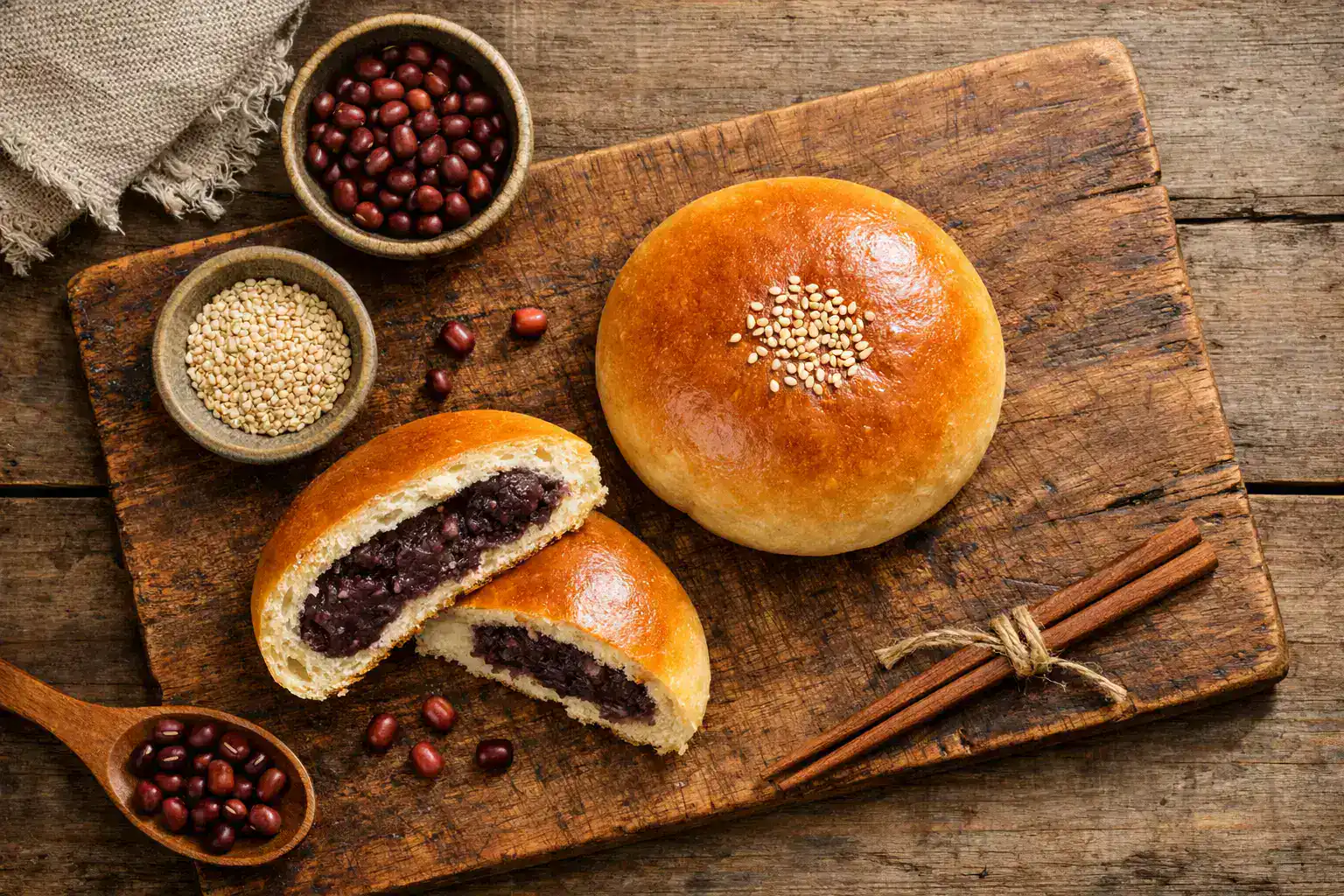
Quick Nutrition Facts
Per 1 Anpan Bun (82g)
| Nutrient | Amount |
|---|---|
| Calories | 190 kcal |
| Protein | 7.8g |
| Carbohydrates | 31g |
| Fiber | 3.5g |
| Sugars | 12g |
| Fat | 3.2g |
| Iron | 1.5mg |
| Selenium | 10.4mcg |
| Folate | 22mcg |
| Potassium | 70mg |
Macronutrient Breakdown
 ChatGPT
  Claude
  AI Mode
  Perplexity
NUTRITIONIST INSIGHT
Anpan provides 7.8g protein per bun thanks to adzuki beans, making it one of the more nutritious sweet bread options. The adzuki bean filling has a lower glycemic impact than refined sugar due to its resistant starch and fiber content.
Myth Busters
MYTH #1: Anpan Is Just Empty Calories Like Other Pastries
TRUTH: Unlike most pastries, anpan contains 7.8g protein and 3.5g fiber from adzuki beans. The fiber promotes satiety and aids digestion, making it more nutritious than cream-filled or chocolate pastries.
MYTH #2: Diabetics Must Completely Avoid Anpan
TRUTH: Diabetics can occasionally enjoy anpan in moderation. Adzuki beans have slow digestibility that moderates blood sugar spikes compared to refined sugar desserts. Eat half portions and pair with protein.
MYTH #3: Anpan Has Too Much Sugar
TRUTH: One anpan has 12g sugar, less than a glazed donut (10-15g) and much less than a cinnamon roll (20-30g). The adzuki bean paste provides natural sweetness with added nutrients rather than empty calories.
MYTH #4: Anpan Is Not Filling
TRUTH: The combination of 7.8g protein, 3.5g fiber, and complex carbohydrates from adzuki beans promotes longer-lasting fullness compared to pastries made with only refined flour and sugar.
MYTH #5: All Sweet Breads Are Equally Unhealthy
TRUTH: Anpan stands out among sweet breads with its adzuki bean protein and antioxidants. Adzuki beans contain polyphenols that support cardiovascular health and blood sugar regulation.
NutriScore by Health Goals
| Health Goal | NutriScore | Why This Score? |
|---|---|---|
| Weight Loss |  | 190 calories with 3.5g fiber that aids satiety. Limit to 1 per day as occasional treat, not daily snack. |
| Muscle Gain |  | Good post-workout option with 31g carbs for glycogen and 7.8g protein. Better than most sweet breads for muscle recovery. |
| Diabetes Management |  | 31g carbs per bun requires careful management. Adzuki beans have moderate glycemic impact, but eat half portions and pair with protein. |
| PCOS Management | | Moderate carb content affects insulin. Limit to 1/2 bun occasionally, pair with protein source. |
| Pregnancy Nutrition | | Contains folate important for fetal development, iron for blood health, and gentle energy. Good occasional snack. |
| Viral/Flu Recovery | | Easy to digest, provides quick energy and protein. Soft texture is gentle on sore throats. |
PERSONALIZED NUTRITION
Track your meals with NutriScan for personalized NutriScores based on your specific health goals!
Blood Sugar Response to Anpan
Understanding how anpan affects your blood glucose can help you make informed decisions about when and how to eat it.
Typical Glucose Response Curve
This chart shows typical blood glucose response for general healthy individuals. Individual responses may vary. Not medical advice.
How to Flatten the Spike
Pairing anpan with protein or healthy fat slows glucose absorption and reduces the peak blood sugar level:
- 🥛 Greek yogurt or milk - Adds protein and balances the sweetness
- 🥜 A handful of almonds - Healthy fats and protein slow absorption
- 🍵 Green tea - Traditional pairing that may help with glucose metabolism
- 🥚 Boiled egg - Complete protein for sustained energy
This combination not only reduces the glucose spike but also extends energy release, keeping you fuller for longer.
Cultural Significance
Anpan is one of Japan's most iconic breads, invented in 1874 by Kimura Yasube at the Ginza Kimuraya bakery in Tokyo.
In Japan:
- Considered the original Japanese bread (yōshoku adapted for Japanese tastes)
- Gifted to Emperor Meiji in 1875, cementing its cultural importance
- April 4th is officially "Anpan Day" in Japan
- Variations include koshian (smooth paste), tsubuan (chunky paste), and seasonal flavors
Global Impact:
- Popular across East Asia in bakeries and convenience stores
- Anime character "Anpanman" (a superhero with an anpan head) is beloved by Japanese children
- Represents the Japanese philosophy of combining Western and traditional elements
- Available worldwide in Japanese bakeries and Asian supermarkets
Compare & Substitute
Anpan vs Similar Sweet Breads (Per 100g)
| Nutrient | 🍞 Anpan | 🍩 Donut | 🥐 Croissant | 🍞 Melon Pan |
|---|---|---|---|---|
| Calories | 233 kcal | 452 kcal | 406 kcal | 366 kcal |
| Carbs | 38g | 51g | 45g | 56g |
| Fiber | 4.3g | 1.7g | 2.6g | 1.5g |
| Protein | 9.5g | 5g | 8g | 7g |
| Fat | 3.9g | 25g | 21g | 13g |
| Sugar | 15g | 22g | 10g | 25g |
| Best For | Protein snack, post-workout | Occasional indulgence | Breakfast treat | Sweet tooth satisfaction |
Frequently Asked Questions
Is anpan good for weight loss?
Anpan can fit into a weight loss diet as an occasional treat. One bun has 190 calories with 7.8g protein and 3.5g fiber that promotes fullness, making it more satisfying than empty-calorie pastries.
Best practices: Limit to 1 bun per day maximum, choose as occasional treat rather than daily snack, pair with green tea to enhance satisfaction.
Can diabetics eat anpan?
Diabetics should enjoy anpan sparingly due to 31g carbohydrates per bun. The adzuki bean filling has a lower glycemic impact than refined sugar desserts.
Tips for diabetics:
- Eat half a bun at a time (15g carbs vs 31g)
- Always pair with protein or healthy fat
- Best timing: mid-morning or afternoon, not on empty stomach
- Monitor blood sugar 2 hours after eating
The adzuki beans contain resistant starch that moderates blood sugar response compared to pure sugar fillings.
How much protein is in anpan?
One anpan bun contains 7.8g of protein, which is notably higher than most sweet breads. This comes from both the wheat flour and the adzuki bean filling.
For comparison, a donut has only 3-4g protein, making anpan a smarter choice when you want something sweet with more nutritional value.
What are the main health benefits of anpan?
Key Benefits:
- Plant-Based Protein: 7.8g protein from adzuki beans and wheat
- Digestive Health: 3.5g fiber supports regular bowel movements
- Iron Content: 1.5mg iron supports blood health
- Antioxidants: Adzuki beans contain polyphenols
- Selenium: 10.4mcg supports thyroid function
- Quick Energy: Carbohydrates provide sustained energy
When is the best time to eat anpan?
Depends on your goal:
- Weight Loss: Morning (with breakfast) or pre-workout (45 minutes before). Avoid late night.
- Muscle Gain: Post-workout (within 30 minutes) for glycogen replenishment and protein.
- Diabetes: Mid-morning or afternoon, paired with protein. Never on empty stomach.
- Energy: 30-45 minutes before physical activity.
IMPORTANT NOTE
Avoid eating anpan alone on empty stomach if managing blood sugar or watching calorie intake.
Is anpan healthier than a donut?
Yes, anpan is significantly healthier than a donut:
| Comparison | Anpan (1 bun) | Donut (1 glazed) |
|---|---|---|
| Calories | 190 | 270 |
| Fat | 3.2g | 14g |
| Protein | 7.8g | 3g |
| Fiber | 3.5g | 1g |
Anpan has less fat, more protein, more fiber, and contains beneficial nutrients from adzuki beans.
How many anpan can I eat per day?
General Guidelines:
- 1 anpan daily - Maximum for most people
- 1/2 anpan daily - For diabetes, PCOS, or strict calorie diets
- 1-2 anpan daily - Only for athletes with high energy needs
Avoid excess: More than 1 per day adds significant carbohydrates and calories. Treat anpan as an occasional indulgence, not a daily staple.
Track your meals with NutriScan app to see how anpan fits your personal nutrition goals.


Similar Nutritious Foods
4505 Chicharrones Classic Chili Salt
7 Eleven Japan Crispy Corn Cheese
Explore More Nutrition Tools & Resources
AI Calorie Counter App - Snap a Photo, Get Macros
AI Nutritionist App That Reads Your Logged Meals
Best Protein Supplements for Women
Bulking Meal Plan App That Sets Your Surplus
ChatGPT Calorie Counter Alternative That Keeps the Total
ChatGPT Diet Plan Alternative That Tracks What You Eat
ChatGPT Weight Loss Coach Alternative With a Food Log
Fast Food Calorie Counter App That Reads the Tray
Free Calorie Tracker App with AI Photo Scans | NutriScan
Indian Diet Plan App With Veg and Non Veg Meals
Indian Food Calorie Calculator - Get Instant Nutrition Facts for Desi Meals — 2026
Intermittent Fasting for Women, Timer and Meal Log App
Intermittent Fasting Tracker App - Free Fasting Timer
Macro Tracker App That Fills the Numbers From a Photo
Mediterranean Diet Meal Plan App That Counts the Oil
Micronutrient Tracker App for Vitamins and Minerals
MyFitnessPal Alternative That Stays Free | NutriScan
NutriScore App: A Free Grade on Every Meal | NutriScan
Nutrition Label Scanner App for the Amount You Ate
Second Trimester Protein Guide
Vegetarian Meal Plan App With a Protein Target
Voice Calorie Counter - Speak to Track Meals Hands-Free
Water and Calorie Tracker App - Free Water Log