Adana Kebab: Calories, Nutrition and Health Benefits
 ChatGPT
  Claude
  AI Mode
  Perplexity
 Adana Kebab: 225 calories, 2 g carbs, 25 g protein and 17.5 g fat per 100g Serving.
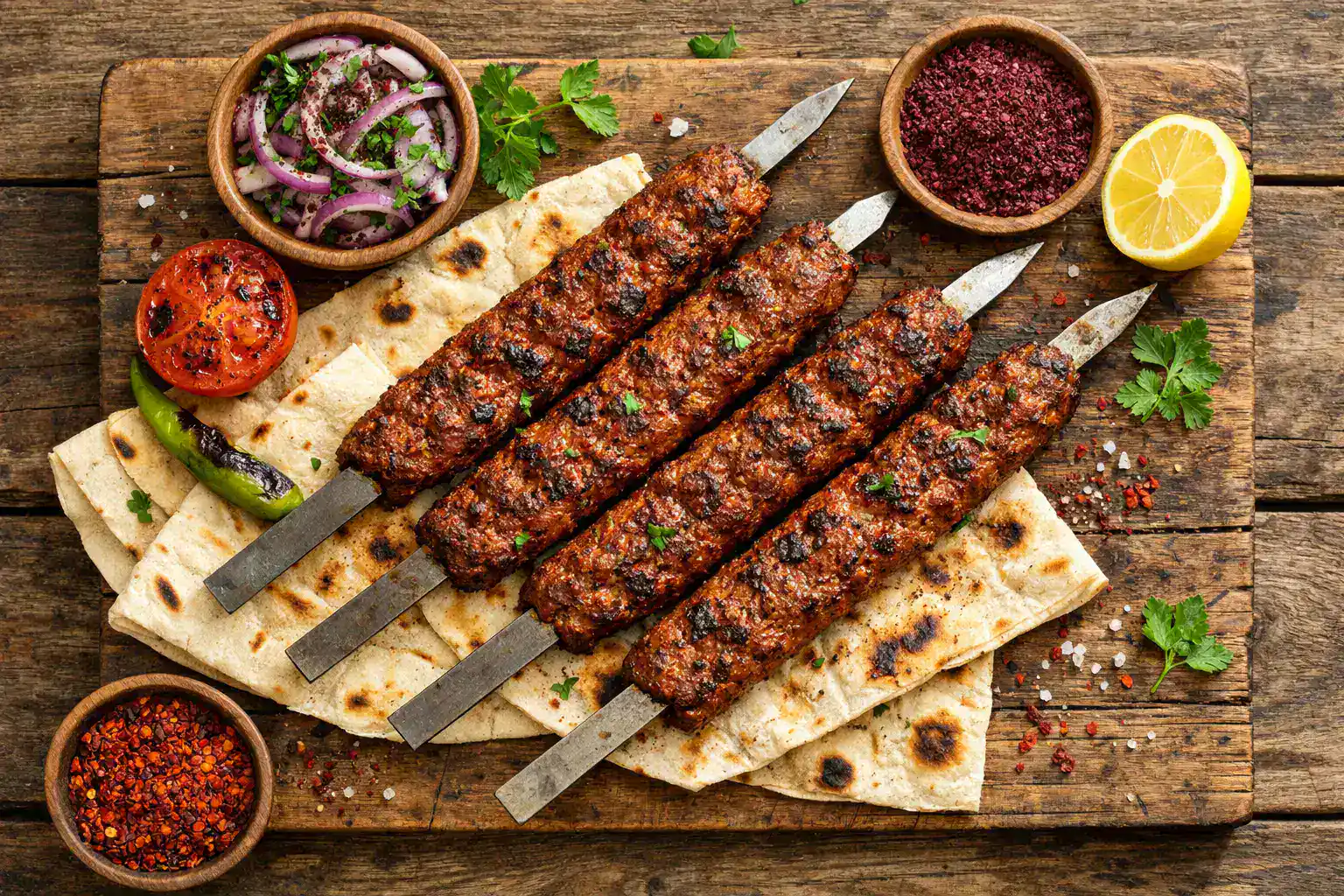
Quick Nutrition Facts
Per 100g Serving
| Nutrient | Amount |
|---|---|
| Calories | 225 kcal |
| Protein | 25g |
| Carbohydrates | 2g |
| Fiber | 0g |
| Sugars | 0g |
| Fat | 17.5g |
| Saturated Fat | 6g |
| Iron | 2.4mg |
| Vitamin B12 | 2.5mcg |
| Zinc | 4.5mg |
Macronutrient Breakdown
NUTRITIONIST INSIGHT
Adana kebab delivers 25g of complete protein per 100g, making it one of the most protein-dense traditional foods. The lamb provides heme iron, which is absorbed 2-3 times better than plant-based iron, supporting energy and oxygen delivery to muscles.
Myth Busters
MYTH #1: Adana Kebab Is Unhealthy Junk Food
TRUTH: Unlike processed fast food, authentic Adana kebab is made from whole lamb with natural spices. It's high in protein (25g/100g), iron, and B vitamins essential for muscle and blood health. The key is portion control and pairing with vegetables.
MYTH #2: All the Fat in Kebab Is Bad
TRUTH: While Adana kebab contains saturated fat, it also provides beneficial nutrients. Lamb fat contains conjugated linoleic acid (CLA), which research suggests may help with body composition. Moderation is key, not avoidance.
MYTH #3: Spicy Kebabs Damage Your Stomach
TRUTH: The capsaicin in red pepper flakes (pul biber) used in Adana kebab may actually support digestive health and metabolism. Unless you have an existing digestive condition, spicy foods don't cause ulcers or stomach damage.
MYTH #4: You Can't Eat Kebab on a Diet
TRUTH: With only 2g of carbs per 100g, Adana kebab fits perfectly into low-carb and keto diets. Skip the bread, add grilled vegetables, and you have a high-protein, diet-friendly meal that keeps you full for hours.
MYTH #5: Kebab Has No Nutritional Value
TRUTH: Adana kebab provides significant nutritional benefits: 100% daily B12, 30% daily iron, 45% daily zinc, and all essential amino acids. It's a nutrient-dense protein source, not empty calories.
NutriScore by Health Goals
| Health Goal | NutriScore | Why This Score? |
|---|---|---|
| Weight Loss | 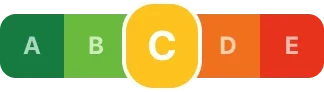 | High protein promotes satiety, but moderate calories (225/100g). Limit to 100-150g per serving, skip bread. |
| Muscle Gain |  | Excellent complete protein (25g), rich in leucine for muscle synthesis, iron for oxygen delivery. |
| Diabetes Management | | Very low carbs (2g) mean minimal blood sugar impact. Protein and fat slow digestion further. Avoid with bread. |
| PCOS Management |  | Low-carb profile helps insulin sensitivity. Choose lean cuts when possible due to saturated fat. |
| Pregnancy Nutrition | | Excellent iron source to prevent anemia, B12 for fetal development. Ensure well-cooked to avoid toxoplasmosis risk. |
| Viral/Flu Recovery | | High protein for immune function, zinc supports recovery, easily digestible when minced. |
PERSONALIZED NUTRITION
Track your meals with NutriScan for personalized NutriScores based on your specific health goals!
Blood Sugar Response to Adana Kebab
Understanding how Adana kebab affects your blood glucose helps you make informed meal decisions.
Typical Glucose Response Curve
This chart shows typical blood glucose response for general healthy individuals. Individual responses may vary. Not medical advice.
How to Optimize Your Meal
Protein and fat in Adana kebab naturally slow glucose absorption, resulting in a very flat blood sugar curve:
- 🥗 Add grilled vegetables - Fiber slows absorption further
- 🍅 Include fresh salad - Tomatoes, onions, and parsley add nutrients and fiber
- 🫓 Skip the bread - Pide or lavash adds 30-40g carbs that spike blood sugar
- 🍋 Squeeze lemon - Acidity may help moderate glucose response
This protein-rich meal provides sustained energy without the crash associated with high-carb foods.
Cultural Significance
Adana kebab originates from Adana, Turkey's fifth-largest city in the Mediterranean region, known as the kebab capital of the country.
In Turkey:
- Protected geographical indication (PGI) status since 2004
- Made only with hand-minced lamb and specific spice ratios
- Traditionally served on lavash bread with grilled peppers and tomatoes
- Central to Turkish culinary heritage and social gatherings
Global Spread:
- Popular across Middle East, Germany, UK, and worldwide
- German-Turkish döner culture brought kebab mainstream in Europe
- Adapted in various countries with local ingredients
- UNESCO recognized Turkish kebab culture as intangible heritage
Traditional Preparation:
- Meat is hand-minced (not machine ground) for proper texture
- Lamb tail fat is essential for authentic flavor and juiciness
- Grilled over charcoal for smoky flavor
- Served with sumac, fresh herbs, and grilled vegetables
Compare & Substitute
Adana Kebab vs Similar Foods (Per 100g)
| Nutrient | 🍢 Adana Kebab | 🍗 Chicken Shish | 🥙 Doner Kebab | 🍖 Kofte |
|---|---|---|---|---|
| Calories | 225 kcal | 165 kcal | 215 kcal | 245 kcal |
| Carbs | 2g | 1g | 8g | 5g |
| Fiber | 0g | 0g | 1g | 0.5g |
| Protein | 25g | 31g | 18g | 22g |
| Fat | 17.5g | 4g | 14g | 18g |
| Iron | 2.4mg | 1.0mg | 2.0mg | 2.2mg |
| Sodium | 400mg | 350mg | 550mg | 420mg |
| Best For | Muscle gain, keto, iron needs | Weight loss, low-fat diets | Quick protein, convenience | Traditional flavor, variety |
Frequently Asked Questions
How many calories are in Adana Kebab?
One skewer of Adana kebab (approximately 150g) contains 338 calories. Per 100g, it provides 225 calories with an excellent protein-to-calorie ratio.
Serving size breakdown:
- 100g (small portion): 225 calories
- 150g (1 skewer): 338 calories
- 200g (large serving): 450 calories
Is Adana Kebab good for muscle building?
Yes, Adana kebab is excellent for muscle building with 25g of complete protein per 100g. It contains all essential amino acids, including leucine which triggers muscle protein synthesis.
Muscle-building benefits:
- Complete protein with all amino acids
- Heme iron for oxygen delivery to muscles
- B12 for energy metabolism
- Zinc for testosterone support
Can diabetics eat Adana Kebab?
Adana kebab is suitable for diabetics due to its very low carbohydrate content (only 2g per 100g). The high protein and fat content means minimal blood sugar impact.
Tips for diabetics:
- Skip the bread (adds 30-40g carbs)
- Pair with grilled vegetables instead
- Watch portion sizes due to calorie density
- Monitor individual response
What makes Adana Kebab spicy?
The signature spice comes from pul biber (Turkish red pepper flakes) and a blend of:
- Aleppo pepper or Urfa biber
- Sumac for tanginess
- Garlic and salt
- Sometimes cumin and black pepper
The heat level varies by recipe but is typically medium-spicy.
Is Adana Kebab keto-friendly?
Yes, Adana kebab is very keto-friendly with only 2g of net carbs per 100g. The macros fit perfectly into ketogenic diets:
- Fat: 17.5g (70% of calories)
- Protein: 25g (44%)
- Carbs: 2g (4%)
Avoid eating with bread to keep it keto-compliant.
How does Adana Kebab compare to Doner Kebab?
Key differences:
- Adana has more protein (25g vs 18g)
- Doner has more carbs (8g vs 2g)
- Adana is spicier and cooked on skewers
- Doner is shaved from rotating spit
- Both are high in iron and B vitamins
Choose Adana for maximum protein, Doner for convenience.
IMPORTANT NOTE
Always ensure kebab is cooked thoroughly (internal temp 74°C/165°F) to avoid foodborne illness. Pregnant women should be especially careful about meat preparation.




Similar Nutritious Foods
4505 Chicharrones Classic Chili Salt
7 Eleven Japan Crispy Corn Cheese
Explore More Nutrition Tools & Resources
AI Calorie Counter App - Snap a Photo, Get Macros
AI Nutritionist App That Reads Your Logged Meals
Best Protein Supplements for Women
Bulking Meal Plan App That Sets Your Surplus
ChatGPT Calorie Counter Alternative That Keeps the Total
ChatGPT Diet Plan Alternative That Tracks What You Eat
ChatGPT Weight Loss Coach Alternative With a Food Log
Fast Food Calorie Counter App That Reads the Tray
Free Calorie Tracker App with AI Photo Scans | NutriScan
Indian Diet Plan App With Veg and Non Veg Meals
Indian Food Calorie Calculator - Get Instant Nutrition Facts for Desi Meals — 2026
Intermittent Fasting for Women, Timer and Meal Log App
Intermittent Fasting Tracker App - Free Fasting Timer
Macro Tracker App That Fills the Numbers From a Photo
Mediterranean Diet Meal Plan App That Counts the Oil
Micronutrient Tracker App for Vitamins and Minerals
MyFitnessPal Alternative That Stays Free | NutriScan
NutriScore App: A Free Grade on Every Meal | NutriScan
Nutrition Label Scanner App for the Amount You Ate
Second Trimester Protein Guide
Vegetarian Meal Plan App With a Protein Target
Voice Calorie Counter - Speak to Track Meals Hands-Free
Water and Calorie Tracker App - Free Water Log