7-Eleven Japan Onigiri (Tuna Mayo): Calories, Nutrition and Health Benefits
 ChatGPT
  Claude
  AI Mode
  Perplexity
 7-Eleven Japan Onigiri (Tuna Mayo): 180 calories, 32 g carbs, 6 g protein and 4 g fat per 1 Onigiri (110g).
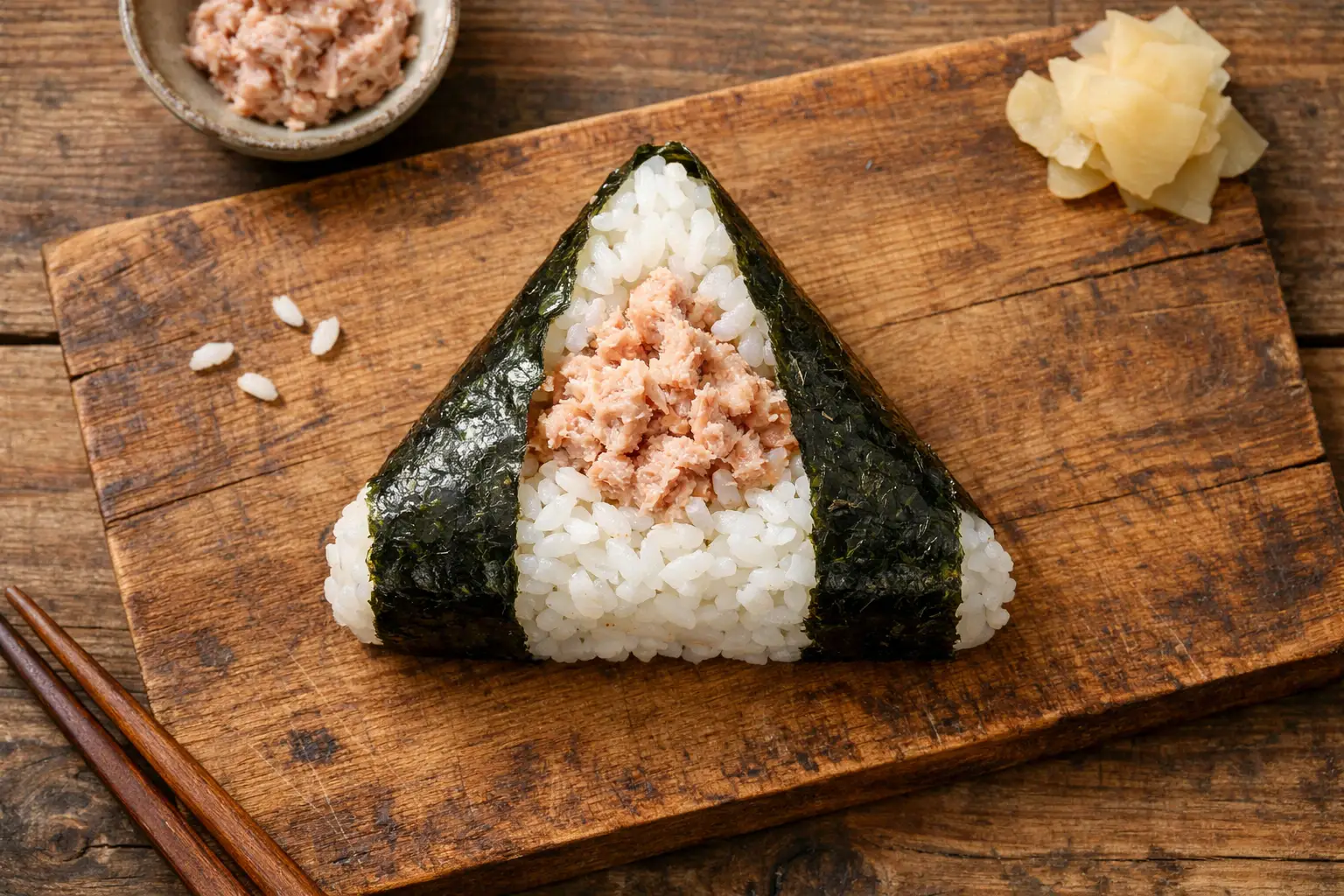
Quick Nutrition Facts
Per 1 Onigiri (110g)
| Nutrient | Amount |
|---|---|
| Calories | 180 kcal |
| Protein | 6g |
| Carbohydrates | 32g |
| Fiber | 0.5g |
| Sugars | 1g |
| Fat | 4g |
| Sodium | 380mg |
| Omega-3 | ~200mg |
| Vitamin B12 | 0.5mcg |
| Selenium | 12mcg |
Macronutrient Breakdown
NUTRITIONIST INSIGHT
Onigiri provides quick-release energy from white rice plus protein from tuna filling. The nori seaweed wrapper adds iodine and minerals. For better blood sugar control, eat alongside vegetables or miso soup.
See all 5 compared in the 7-Eleven Japan Calories chart.
Myth Busters
MYTH #1: Onigiri Is Just Empty Carbs
TRUTH: While primarily carbohydrate-based, tuna mayo onigiri provides 6g protein, omega-3 fatty acids from tuna, and minerals from nori seaweed. It's more nutritionally complete than plain bread or crackers.
MYTH #2: Convenience Store Food Is Always Unhealthy
TRUTH: Japanese konbini (convenience store) onigiri uses simple ingredients without preservatives. Fresh daily production and strict food safety standards make it a cleaner option than many fast foods.
MYTH #3: Onigiri Should Be Avoided for Weight Loss
TRUTH: At 180 calories with moderate protein, onigiri can fit weight loss plans. Portion-controlled rice servings with protein fillings support satiety. The key is mindful eating and not overconsumption.
MYTH #4: White Rice in Onigiri Causes Diabetes
TRUTH: While white rice has a high glycemic index, cooled rice forms resistant starch that lowers glycemic response. Onigiri sold refrigerated may have slightly better blood sugar impact than freshly cooked hot rice.
MYTH #5: All Onigiri Fillings Are Equal
TRUTH: Protein fillings like tuna, salmon, or chicken provide better nutrition than plain salted rice. Tuna mayo offers omega-3s but also added fat from mayonnaise. Choose fillings based on your health goals.
NutriScore by Health Goals
| Health Goal | NutriScore | Why This Score? |
|---|---|---|
| Weight Loss |  | 180 calories in a small package; moderate protein (6g) helps satiety. Limit to 1 per day. |
| Muscle Gain |  | Good post-workout carbs (32g) for glycogen replenishment; 6g protein from tuna supports recovery. |
| Diabetes Management |  | White rice has high GI (70-73); eat small portions, pair with vegetables, monitor blood sugar. |
| PCOS Management | | High-GI carbs affect insulin; limit to occasional consumption, choose protein-rich fillings. |
| Pregnancy Nutrition | | Light tuna is safe in moderation during pregnancy; provides protein and omega-3s. Limit to 2-3 per week due to mercury concerns. |
| Viral/Flu Recovery | | Easy to digest, provides quick energy, gentle on upset stomach; pair with warm soup for hydration. |
PERSONALIZED NUTRITION
Track your meals with NutriScan for personalized NutriScores based on your specific health goals!
Blood Sugar Response to Onigiri
Understanding how onigiri affects your blood glucose can help you make informed decisions about when and how to eat it.
Typical Glucose Response Curve
This chart shows typical blood glucose response for general healthy individuals. Individual responses may vary. Not medical advice.
How to Flatten the Spike
Pairing high-GI foods with protein or fiber slows glucose absorption and reduces the peak blood sugar level:
- 🥗 Add a side salad - Fiber from vegetables slows carb absorption
- 🍵 Drink green tea - Catechins may help moderate blood sugar response
- 🥚 Eat with boiled eggs - Additional protein buffers the glucose spike
- 🥒 Include pickled vegetables - Traditional Japanese pickles aid digestion
This combination not only reduces the glucose spike but also extends energy release, keeping you fuller for longer.
Cultural Significance
Onigiri is one of Japan's most beloved foods, with origins dating back over 1,000 years to the Heian period.
In Japan:
- Convenience stores sell over 2.3 billion onigiri annually
- 7-Eleven Japan alone offers 100+ varieties throughout the year
- Tuna mayo (ツナマヨ) consistently ranks as the #1 most popular filling
- Traditional triangular shape represents mountain worship in Shinto culture
- Nori wrapper keeps hands clean and adds umami flavor
Global Impact:
- Japanese convenience store culture has spread to Taiwan, Thailand, and beyond
- Onigiri has become a symbol of Japanese "kawaii" food culture
- Growing popularity in Western countries as healthy fast food alternative
- Featured in countless anime and manga as comfort food
Compare & Substitute
Onigiri vs Similar Portable Foods (Per Serving)
| Nutrient | 🍙 Tuna Onigiri (110g) | 🥪 Tuna Sandwich (150g) | 🌯 Tuna Wrap (180g) | 🍱 Sushi Roll (150g) |
|---|---|---|---|---|
| Calories | 180 kcal | 320 kcal | 350 kcal | 250 kcal |
| Carbs | 32g | 35g | 40g | 38g |
| Fiber | 0.5g | 2g | 3g | 1g |
| Protein | 6g | 15g | 12g | 9g |
| Fat | 4g | 15g | 14g | 6g |
| Sodium | 380mg | 650mg | 720mg | 520mg |
| Best For | Light snack, portion control | Higher protein needs | Meal replacement | Variety, omega-3s |
Frequently Asked Questions
How many calories are in a 7-Eleven tuna mayo onigiri?
A standard 7-Eleven Japan tuna mayo onigiri contains 180 calories per piece (approximately 110g). This includes 32g carbohydrates, 6g protein, and 4g fat. Calorie counts may vary slightly between different 7-Eleven regions and preparation methods.
Is onigiri good for weight loss?
Onigiri can support weight loss when consumed mindfully. At 180 calories with 6g protein, it provides reasonable satiety for its calorie count.
Tips for weight loss:
- Limit to 1-2 onigiri per day
- Choose protein-rich fillings (tuna, salmon, chicken)
- Pair with vegetables or miso soup for fiber
- Avoid eating multiple onigiri as meal replacement
The portion-controlled nature of onigiri helps prevent overeating compared to unlimited rice servings.
Can diabetics eat onigiri?
Diabetics should approach onigiri cautiously due to the high glycemic index of white rice (GI 70-73).
Tips for diabetics:
- Eat half an onigiri at a time (16g carbs vs 32g)
- Always pair with protein or fiber-rich sides
- Choose refrigerated onigiri (cooled rice has more resistant starch)
- Monitor blood sugar 2 hours after eating
- Avoid eating on empty stomach
Consult your healthcare provider for personalized advice.
Is tuna mayo onigiri healthy?
Tuna mayo onigiri offers moderate nutrition with both benefits and considerations:
Benefits:
- Protein: 6g from tuna supports muscle maintenance
- Omega-3s: Approximately 200mg from tuna
- Convenience: Portion-controlled, no preparation needed
- Clean ingredients: No artificial preservatives in Japanese konbini versions
Considerations:
- Mayonnaise adds saturated fat
- White rice has high glycemic index
- Sodium content (380mg) requires monitoring if on low-salt diet
When is the best time to eat onigiri?
Depends on your goal:
- Pre-workout: 30-60 minutes before exercise for quick energy
- Post-workout: Within 30 minutes after exercise for glycogen replenishment
- Mid-morning snack: Between breakfast and lunch for sustained energy
- Travel food: Convenient, mess-free option for trips
IMPORTANT NOTE
Avoid eating multiple onigiri late at night if managing weight or blood sugar levels.
How long does convenience store onigiri last?
7-Eleven Japan onigiri typically has a 1-2 day shelf life when properly refrigerated. Key storage tips:
- Check expiration date on packaging
- Keep refrigerated at 4°C (40°F) or below
- Consume within hours of opening for best taste
- Do not freeze (rice texture will suffer)
- If rice feels hard or dry, quality has degraded




Similar Nutritious Foods
4505 Chicharrones Classic Chili Salt
7 Eleven Japan Crispy Corn Cheese
Explore More Nutrition Tools & Resources
AI Calorie Counter App - Snap a Photo, Get Macros
AI Nutritionist App That Reads Your Logged Meals
Best Protein Supplements for Women
Bulking Meal Plan App That Sets Your Surplus
ChatGPT Calorie Counter Alternative That Keeps the Total
ChatGPT Diet Plan Alternative That Tracks What You Eat
ChatGPT Weight Loss Coach Alternative With a Food Log
Fast Food Calorie Counter App That Reads the Tray
Free Calorie Tracker App with AI Photo Scans | NutriScan
Indian Diet Plan App With Veg and Non Veg Meals
Indian Food Calorie Calculator - Get Instant Nutrition Facts for Desi Meals — 2026
Intermittent Fasting for Women, Timer and Meal Log App
Intermittent Fasting Tracker App - Free Fasting Timer
Macro Tracker App That Fills the Numbers From a Photo
Mediterranean Diet Meal Plan App That Counts the Oil
Micronutrient Tracker App for Vitamins and Minerals
MyFitnessPal Alternative That Stays Free | NutriScan
NutriScore App: A Free Grade on Every Meal | NutriScan
Nutrition Label Scanner App for the Amount You Ate
Second Trimester Protein Guide
Vegetarian Meal Plan App With a Protein Target
Voice Calorie Counter - Speak to Track Meals Hands-Free
Water and Calorie Tracker App - Free Water Log