Adaptogen Coffee Blend: Calories, Nutrition and Health Benefits
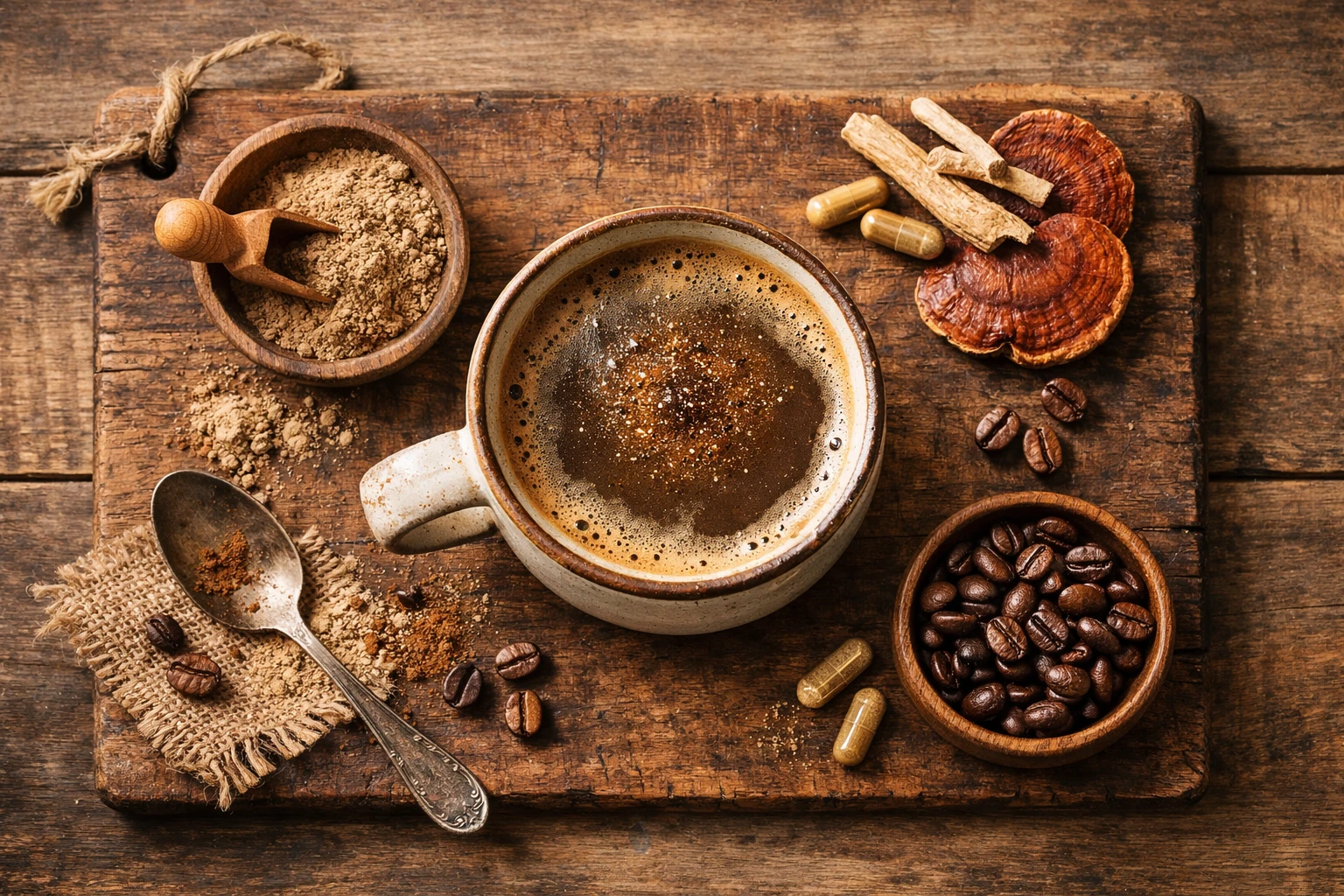
Functional coffee infused with stress-reducing herbs and mushrooms delivering calm, focused energy without jitters or crashes.
Quick Nutrition Facts
Per 4 tbsp (21g) - Makes 8 oz Coffee
| Nutrient | Amount |
|---|---|
| Calories | 5 kcal |
| Protein | 0g |
| Carbohydrates | 1g |
| Fiber | 0g |
| Sugars | 0g |
| Fat | 0g |
| Caffeine | ~80mg |
Common Adaptogens:
- Ashwagandha (stress reduction)
- Reishi mushroom (immune support)
- Eleuthero (endurance)
- Holy basil/Tulsi (cortisol regulation)
Macronutrient Breakdown
 ChatGPT
  Claude
  AI Mode
  Perplexity
NUTRITIONIST INSIGHT
Adaptogen coffee combines moderate caffeine (~80mg vs. 95mg in regular coffee) with stress-modulating herbs for alert calmness. Ashwagandha can reduce cortisol by 11-32% while reishi supports immune resilience, creating energy without anxiety.
Myth Busters
MYTH #1: Adaptogens Are Just Placebo
TRUTH: Clinical studies show ashwagandha reduces cortisol levels and improves stress biomarkers by 11-32%. Reishi contains beta-glucans that modulate immune response. While effects vary individually, adaptogens have measurable physiological impacts beyond placebo.
MYTH #2: Adding Adaptogens Ruins Coffee Taste
TRUTH: Quality adaptogen coffee blends maintain coffee as the dominant flavor with subtle earthy or nutty undertones. Mushroom extracts are processed to be nearly tasteless. Most drinkers cannot distinguish well-made adaptogen coffee from premium regular coffee.
MYTH #3: You Need High Doses for Adaptogens to Work
TRUTH: Typical adaptogen coffee contains 50-300mg ashwagandha or 100-500mg reishi per serving - lower than supplement doses (600mg+) but sufficient when taken daily. Adaptogens work cumulatively; consistent moderate intake over 4-8 weeks provides benefits.
MYTH #4: All Mushroom Coffee Has Psychedelic Effects
TRUTH: Adaptogen coffee uses functional mushrooms (reishi, lion's mane, chaga, cordyceps) - not psilocybin mushrooms. These culinary/medicinal mushrooms are non-psychoactive and legally sold worldwide. They support cognition and immunity without altering consciousness.
MYTH #5: Adaptogen Coffee Is Too Expensive
TRUTH: Adaptogen coffee costs $0.75-1.50 per cup compared to $0.25-0.50 for regular coffee. For the same price as daily cafe coffee ($3-5), you get therapeutic herbs. View it as combining coffee and supplements in one affordable serving.
MYTH #6: Adaptogens Make You Drowsy
TRUTH: Adaptogens like ashwagandha and reishi support balanced energy rather than sedation. They reduce stress-induced fatigue and improve sleep quality at night while maintaining alertness during the day. Combined with caffeine, they provide focused energy without jitters.
NutriScore by Health Goals
| Health Goal | NutriScore | Why This Score? |
|---|---|---|
| Weight Loss |  | Only 5 calories; 80mg caffeine boosts metabolism; adaptogens reduce stress-induced cortisol linked to belly fat. Perfect morning energizer. |
| Muscle Gain |  | Caffeine enhances workout performance; adaptogens support recovery from training stress. Pair with protein for optimal pre-workout fuel. |
| Diabetes Management | | Zero sugar, 1g carbs; ashwagandha may improve insulin sensitivity. Monitor individual response; limit to 2 cups daily. |
| PCOS Management | | Ashwagandha supports hormone balance and reduces stress; zero sugar helps insulin sensitivity. Moderate caffeine (80mg) is PCOS-safe for most. |
| Pregnancy Nutrition |  | Most adaptogens lack pregnancy safety data; some may affect hormones. Limit caffeine to 200mg daily per ACOG. Avoid adaptogen blends; choose regular decaf. |
| Viral/Flu Recovery | | Reishi and ashwagandha support immune function during stress; moderate caffeine maintains energy. Better for recovery phase than acute illness. |
PERSONALIZED NUTRITION
Track your meals with NutriScan for personalized NutriScores based on your specific health goals!
Blood Sugar Response to Adaptogen Coffee
Understanding how adaptogen coffee affects your blood glucose helps you optimize timing for sustained energy and stress resilience.
Typical Glucose Response Curve
This chart shows typical blood glucose response for general healthy individuals. Individual responses may vary. Not medical advice.
How to Optimize Energy and Blood Sugar
Pairing adaptogen coffee with balanced breakfast prevents caffeine-induced glucose spikes and extends energy release:
- 🥑 Avocado toast on whole grain - Healthy fats and complex carbs stabilize blood sugar
- 🥚 Eggs with vegetables - Protein and fiber slow absorption
- 🥜 Almond butter with apple slices - Balanced macros prevent crashes
- 🥛 Greek yogurt with berries - Protein and antioxidants enhance adaptogen benefits
This combination provides 4-6 hours of sustained energy, mental clarity, and stress resilience without mid-morning crashes.
Cultural Significance
Adaptogen coffee represents the convergence of ancient herbal medicine and modern wellness culture, emerging as a mainstream functional beverage trend in 2023-2025.
In Traditional Medicine:
- Ashwagandha used for 3,000+ years in Ayurvedic medicine for vitality and longevity
- Reishi called "mushroom of immortality" in Traditional Chinese Medicine for 2,000+ years
- Holy basil (tulsi) revered as sacred adaptogenic herb in Hindu tradition
- Eleuthero (Siberian ginseng) used by Russian athletes for endurance in 1960s
Modern Wellness Movement:
- Bulletproof Coffee (2009) pioneered functional coffee trend with MCT oil and butter
- Four Sigmatic popularized mushroom coffee in 2016, making adaptogens accessible
- Wellness influencers and biohackers adopted adaptogen coffee for productivity without anxiety
- Mainstream retail availability: Whole Foods, Target, Amazon carry 50+ adaptogen coffee brands
Scientific Validation:
- Over 500 published studies on ashwagandha's stress-reducing mechanisms
- Adaptogens recognized by herbalists and integrative medicine practitioners globally
- Bridge between evidence-based nutrition and traditional plant medicine
Compare & Substitute
Adaptogen Coffee vs Similar Functional Beverages (Per 8 oz Serving)
| Nutrient | ☕ Adaptogen Coffee | ☕ Regular Coffee | 🍵 Matcha | 🍄 Mushroom Coffee (no caffeine) |
|---|---|---|---|---|
| Calories | 5 kcal | 2 kcal | 5 kcal | 5 kcal |
| Protein | 0g | 0g | 1g | 0g |
| Caffeine | 80mg | 95mg | 70mg | 0mg |
| Adaptogens | Yes (varied) | No | L-theanine only | Yes (reishi, lion's mane) |
| Sugar | 0g | 0g | 0g | 0g |
| Antioxidants | Moderate | High | Very high | High |
| Best For | Stress + energy | Pure energy boost | Calm focus | Immune support without caffeine |
Frequently Asked Questions
What are adaptogens in coffee?
Adaptogens are herbs and mushrooms that help the body adapt to physical, chemical, and biological stress. Common adaptogens in coffee include ashwagandha (stress reduction, cortisol regulation), reishi mushroom (immune support, sleep quality), eleuthero/Siberian ginseng (endurance, stamina), and holy basil (anxiety reduction, hormone balance). They work by modulating the hypothalamic-pituitary-adrenal axis and cortisol levels, providing calm energy without overstimulation.
Is adaptogen coffee good for weight loss?
Yes, adaptogen coffee supports weight loss with only 5 calories per serving while delivering 80mg caffeine to boost metabolism and fat oxidation. Adaptogens like ashwagandha reduce stress-induced cortisol elevation; chronic high cortisol contributes to abdominal fat storage. Best consumed morning (6-10 AM) or pre-workout (30-60 minutes before); avoid after 2 PM to prevent sleep disruption. Limit to 2 cups daily; pair with balanced breakfast for sustained energy.
Does adaptogen coffee really reduce stress?
Clinical research demonstrates measurable stress reduction: ashwagandha reduces cortisol levels by 11-32% and improves stress resilience scores; reishi mushroom supports immune function during chronic stress; holy basil reduces anxiety biomarkers. Effects typically appear after 4-8 weeks of consistent daily intake. Individual responses vary; adaptogens work best combined with adequate sleep, nutrition, and stress management practices. Most users report feeling "alert but calm" rather than jittery.
Can diabetics drink adaptogen coffee?
Diabetics can safely drink adaptogen coffee. With 0g sugar and only 1g carbs, it causes no blood sugar spike. Some adaptogens like ashwagandha may improve insulin sensitivity and fasting blood glucose. However, caffeine can temporarily reduce insulin sensitivity in some individuals; monitor post-consumption blood sugar. Best timing: morning or early afternoon; avoid on empty stomach. Limit to 2 cups daily; avoid adding sugar or sweetened creamers. Consult healthcare provider if on diabetes medications.
Is adaptogen coffee safe during pregnancy?
Pregnant women should avoid most adaptogen coffee blends. While moderate caffeine (under 200mg daily) is generally safe per ACOG guidelines, many adaptogens lack pregnancy safety data: ashwagandha may affect thyroid hormones; reishi lacks sufficient human pregnancy studies; some adaptogens have traditional use as uterine stimulants. Better alternatives: decaf regular coffee, caffeine-free herbal teas, pregnancy-safe herbal infusions. If craving functional coffee, choose plain coffee under 200mg daily. Always consult your healthcare provider before consuming adaptogens during pregnancy or breastfeeding.
What does adaptogen coffee taste like?
Adaptogen coffee tastes like regular coffee with subtle earthy, slightly nutty, or umami undertones. Mushroom-based blends (reishi, lion's mane) add mild savory depth without tasting "mushroomy"; ashwagandha blends can be slightly bitter or herbaceous; quality blends balance adaptogens so coffee remains the dominant flavor. Most drinkers describe it as "smooth, less acidic coffee with depth." Add milk, cream, or plant-based alternatives as usual; adaptogens do not curdle dairy. Start with light-roast adaptogen coffee for gentler herbal notes.
How long does it take for adaptogen coffee to work?
Immediate effects: caffeine provides alertness within 15-30 minutes. Adaptogen benefits emerge gradually: subtle stress resilience improvements appear within 1-2 weeks; measurable cortisol reduction and stress biomarker changes occur after 4-8 weeks of consistent daily intake. For best results, drink adaptogen coffee daily at the same time (morning preferred); effects are cumulative rather than instant. Think of adaptogens as long-term wellness support, not quick fixes. Pair with adequate sleep, nutrition, and stress management for optimal results.


Similar Nutritious Fruits
4505 Chicharrones Classic Chili Salt
7 Eleven Japan Crispy Corn Cheese
Explore More Nutrition Tools & Resources
AI Calorie Counter App - Snap a Photo, Get Macros
AI Nutritionist App That Reads Your Logged Meals
Best Protein Supplements for Women
Bulking Meal Plan App That Sets Your Surplus
ChatGPT Calorie Counter Alternative That Keeps the Total
ChatGPT Diet Plan Alternative That Tracks What You Eat
ChatGPT Weight Loss Coach Alternative With a Food Log
Fast Food Calorie Counter App That Reads the Tray
Free Calorie Tracker App with AI Photo Scans | NutriScan
Indian Diet Plan App With Veg and Non Veg Meals
Indian Food Calorie Calculator - Get Instant Nutrition Facts for Desi Meals — 2026
Intermittent Fasting for Women, Timer and Meal Log App
Intermittent Fasting Tracker App - Free Fasting Timer
Macro Tracker App That Fills the Numbers From a Photo
Mediterranean Diet Meal Plan App That Counts the Oil
Micronutrient Tracker App for Vitamins and Minerals
MyFitnessPal Alternative That Stays Free | NutriScan
NutriScore App: A Free Grade on Every Meal | NutriScan
Nutrition Label Scanner App for the Amount You Ate
Second Trimester Protein Guide
Vegetarian Meal Plan App With a Protein Target
Voice Calorie Counter - Speak to Track Meals Hands-Free
Water and Calorie Tracker App - Free Water Log