7-Eleven Japan Tamago Sando: Calories, Nutrition and Health Benefits
Japan's iconic konbini egg sandwich with creamy Kewpie mayo, fluffy milk bread, and 10g complete protein in every bite.
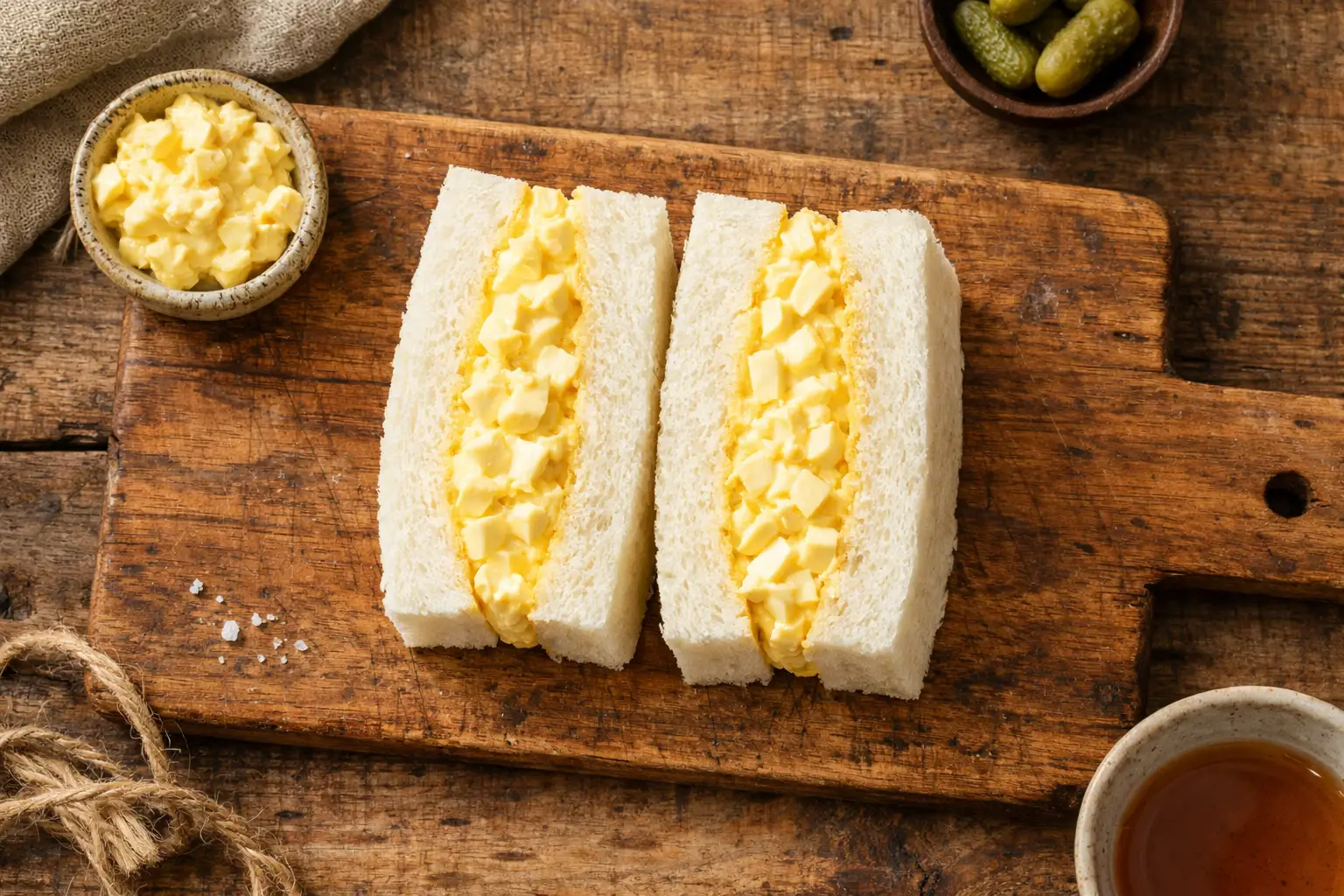
Quick Nutrition Facts
Per 1 Sandwich (140g)
| Nutrient | Amount |
|---|---|
| Calories | 260 kcal |
| Protein | 10g |
| Carbohydrates | 24g |
| Fiber | 1g |
| Sugars | 4g |
| Fat | 14g |
| Saturated Fat | 3.5g |
| Cholesterol | 185mg |
| Sodium | 580mg |
| Choline | 147mg |
Macronutrient Breakdown
 ChatGPT
  Claude
  AI Mode
  Perplexity
NUTRITIONIST INSIGHT
Tamago sando delivers 10g of complete protein with all essential amino acids plus choline for brain health. The egg-and-mayo filling slows carb digestion from the white bread, giving you a more gradual energy release than bread alone.
Myth Busters
MYTH #1: Egg Sandwiches Are Junk Food
TRUTH: Tamago sando provides 10g complete protein, choline, and B vitamins from eggs. Egg protein has the highest digestibility score among common foods and supports muscle health. The quality depends on portion control and what you eat alongside it.
MYTH #2: The Mayo Makes It Unhealthy
TRUTH: Kewpie mayo uses egg yolks and rice vinegar, providing monounsaturated and polyunsaturated fats. Most fat in eggs and mayo is unsaturated and does not increase heart disease risk when consumed in moderation. The 14g total fat actually helps slow glucose absorption.
MYTH #3: Eggs Raise Cholesterol Dangerously
TRUTH: Modern research shows dietary cholesterol from eggs has minimal impact on blood cholesterol for most people. Eggs are no longer viewed by national health bodies as a cardiovascular risk factor. One tamago sando has 185mg cholesterol, well within daily limits.
MYTH #4: White Bread Means Zero Nutrition
TRUTH: While shokupan milk bread is low in fiber, it provides easily digestible carbohydrates for quick energy. Combined with egg protein and fat in tamago sando, the glycemic response is significantly lower than eating white bread alone since protein slows glucose absorption by up to 73%.
MYTH #5: Convenience Store Food Is Always Processed
TRUTH: Japanese konbini sandwiches use surprisingly simple ingredients: eggs, bread, mayo, salt. 7-Eleven Japan's tamago sando has fewer additives than many Western packaged sandwiches and is made fresh daily in-store.
NutriScore by Health Goals
| Health Goal | NutriScore | Why This Score? |
|---|---|---|
| Weight Loss |  | 260 calories with 10g protein, but low fiber (1g) limits satiety. Best as a light meal paired with vegetables. |
| Muscle Gain |  | 10g complete protein with all essential amino acids. Good post-workout option with 24g carbs for glycogen replenishment. |
| Diabetes Management | | White bread has high GI (70-75), but egg protein and fat slow glucose absorption. Pair with fiber-rich vegetables to further reduce spike. |
| PCOS Management | | Moderate calories but refined carbs affect insulin sensitivity. Limit to occasional consumption, pair with leafy greens. |
| Pregnancy Nutrition | | Eggs provide choline essential for fetal brain development (147mg per egg, 27% DV). Ensure eggs are fully cooked. |
| Viral/Flu Recovery | | Easy to digest, gentle on stomach, provides protein for immune function and quick carb energy when appetite is low. |
PERSONALIZED NUTRITION
Track your meals with NutriScan for personalized NutriScores based on your specific health goals!
Blood Sugar Response to Tamago Sando
Understanding how tamago sando affects your blood glucose can help you make informed decisions about when and how to eat it.
Typical Glucose Response Curve
This chart shows typical blood glucose response for general healthy individuals. Individual responses may vary. Not medical advice.
How to Flatten the Spike
- 🥗 Side salad with vinaigrette - Adds fiber and vinegar further lowers glycemic response
- 🥒 Pickled vegetables (tsukemono) - Traditional Japanese pairing adds fiber and probiotics
- 🍵 Green tea (unsweetened) - Catechins may help moderate blood sugar response
- 🥜 A handful of almonds or edamame - Adds healthy fats, fiber, and extra protein
This combination not only reduces the glucose spike but also extends energy release, keeping you fuller for longer.
Cultural Significance
The tamago sando is one of Japan's most beloved konbini (convenience store) foods, dating back to the 1980s when 7-Eleven Japan perfected the format.
In Japan:
- Konbini egg sandwiches sell over 2 million units daily across Japan's 57,000+ convenience stores
- 7-Eleven, FamilyMart, and Lawson each have unique tamago sando recipes, sparking passionate fan debates
- The sandwich reflects Japanese shokunin (craftsman) philosophy: simple ingredients perfected through technique
- Shokupan milk bread, Kewpie mayo, and precisely cooked eggs create a texture unlike any Western egg sandwich
Global Impact:
- Japanese egg sandwiches became a global food trend after social media exposure in the 2010s
- Dedicated tamago sando shops have opened in New York, London, Sydney, and Bangkok
- 7-Eleven launched their Japanese-style egg sandwich in US stores in 2025, bridging konbini culture worldwide
Compare & Substitute
Tamago Sando vs Similar Sandwiches (Per 100g)
| Nutrient | 🥚 Tamago Sando | 🥪 Western Egg Salad Sandwich | 🍞 Tuna Mayo Sandwich | 🥖 BLT Sandwich |
|---|---|---|---|---|
| Calories | 186 kcal | 220 kcal | 210 kcal | 240 kcal |
| Carbs | 17g | 19g | 18g | 20g |
| Fiber | 0.7g | 1g | 1g | 1.5g |
| Protein | 7.1g | 8g | 9g | 10g |
| Fat | 10g | 13g | 11g | 13g |
| Sodium | 414mg | 520mg | 480mg | 600mg |
| Cholesterol | 132mg | 150mg | 30mg | 25mg |
| Best For | Light meal, quick energy | Higher protein snack | Omega-3 fatty acids | Higher protein, more filling |
Frequently Asked Questions
How many calories are in a 7-Eleven tamago sando?
A 7-Eleven Japan tamago sando contains approximately 260 calories per sandwich (140g). The calories break down to about 45% from fat (14g), 37% from carbohydrates (24g), and 15% from protein (10g).
Per 100g: 186 calories, making it a moderate-calorie convenience food compared to other sandwich options.
Is tamago sando healthy?
Tamago sando provides 10g complete protein with all essential amino acids, plus choline (147mg per egg) for brain health. The main nutritional drawback is low fiber (1g) and moderate sodium (580mg).
Best practices: Pair with a side salad or fruit for fiber, choose it as a light meal rather than a snack, and limit to 1 per sitting.
Can diabetics eat tamago sando?
Diabetics should eat tamago sando in moderation. The white shokupan bread has a high glycemic index (70-75), but egg protein and fat slow glucose absorption significantly.
Tips for diabetics:
- Eat with a fiber-rich side (salad, vegetables, edamame)
- Avoid eating on an empty stomach
- Monitor blood sugar 2 hours after eating
- Choose whole grain alternatives when available
What makes Japanese egg sandwiches different?
3 key differences set Japanese tamago sando apart from Western egg sandwiches:
- Shokupan milk bread: Softer, fluffier, and crustless with a subtle sweetness
- Kewpie mayo: Uses only egg yolks (not whole eggs) plus rice vinegar for richer umami
- Texture balance: Carefully calibrated bread-to-filling ratio for a lighter, creamier bite
How much protein is in a tamago sando?
10g of complete protein per sandwich. Egg protein has the highest protein digestibility score among common foods and provides all essential amino acids.
For muscle gain, pair with a protein shake or Greek yogurt to boost total protein intake per meal.
Is tamago sando safe during pregnancy?
Yes, tamago sando is generally safe during pregnancy when eggs are fully cooked. Eggs provide choline essential for fetal brain development and high-quality protein.
Precautions: Ensure the egg filling is properly cooked (not runny), consume within the expiration date, and keep refrigerated. Avoid if you have egg allergies.
Track your meals with NutriScan app to see how tamago sando fits your personal nutrition goals.


Similar Nutritious Foods
4505 Chicharrones Classic Chili Salt
7 Eleven Japan Crispy Corn Cheese
Explore More Nutrition Tools & Resources
AI Calorie Counter App - Snap a Photo, Get Macros
AI Nutritionist App That Reads Your Logged Meals
Best Protein Supplements for Women
Bulking Meal Plan App That Sets Your Surplus
ChatGPT Calorie Counter Alternative That Keeps the Total
ChatGPT Diet Plan Alternative That Tracks What You Eat
ChatGPT Weight Loss Coach Alternative With a Food Log
Fast Food Calorie Counter App That Reads the Tray
Free Calorie Tracker App with AI Photo Scans | NutriScan
Indian Diet Plan App With Veg and Non Veg Meals
Indian Food Calorie Calculator - Get Instant Nutrition Facts for Desi Meals — 2026
Intermittent Fasting for Women, Timer and Meal Log App
Intermittent Fasting Tracker App - Free Fasting Timer
Macro Tracker App That Fills the Numbers From a Photo
Mediterranean Diet Meal Plan App That Counts the Oil
Micronutrient Tracker App for Vitamins and Minerals
MyFitnessPal Alternative That Stays Free | NutriScan
NutriScore App: A Free Grade on Every Meal | NutriScan
Nutrition Label Scanner App for the Amount You Ate
Second Trimester Protein Guide
Vegetarian Meal Plan App With a Protein Target
Voice Calorie Counter - Speak to Track Meals Hands-Free
Water and Calorie Tracker App - Free Water Log