7-Eleven Japan Matcha Cookie: Calories, Nutrition and Health Benefits
 ChatGPT
  Claude
  AI Mode
  Perplexity
 A wagashi-inspired convenience store treat made with premium Uji matcha and white chocolate chips, delivering 120 calories of antioxidant-rich indulgence per cookie.
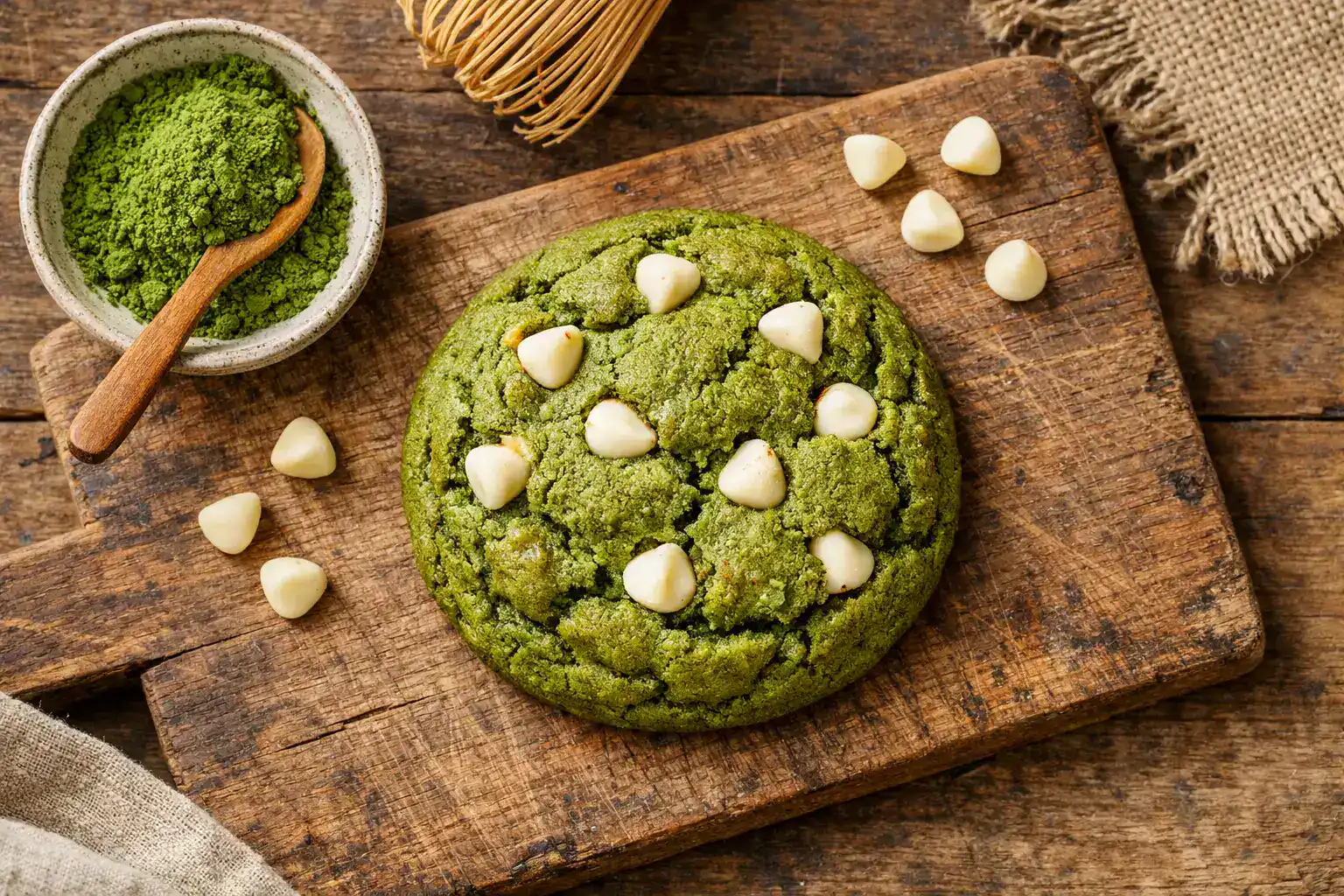
Quick Nutrition Facts
Per 1 Cookie (~30g)
| Nutrient | Amount |
|---|---|
| Calories | 120 kcal |
| Protein | 2g |
| Carbohydrates | 18g |
| Fiber | 0.5g |
| Sugars | 10g |
| Fat | 5g |
| Saturated Fat | 2.5g |
| Sodium | 65mg |
| Iron | 0.6mg |
| Caffeine | ~5-10mg |
Macronutrient Breakdown
NUTRITIONIST INSIGHT
This matcha cookie delivers a small but meaningful dose of EGCG catechins from Uji matcha, which retain about 80% antioxidant activity even after baking. At 120 calories, it fits easily into a balanced snack plan. The L-theanine in matcha promotes calm alertness without the jittery effects of coffee.
See all 5 compared in the 7-Eleven Japan Calories chart.
Myth Busters
MYTH #1: Matcha Cookies Are a Health Food
TRUTH: While matcha provides EGCG catechins with antioxidant properties, this is still a cookie with 10g sugar and 5g fat. The matcha content per cookie is small compared to a cup of matcha tea. Enjoy as an occasional treat, not a health supplement.
MYTH #2: The Caffeine in Matcha Cookies Will Keep You Awake
TRUTH: Each cookie contains only 5-10mg caffeine, far less than a cup of coffee (95mg) or even a cup of matcha tea (70mg). The L-theanine in matcha actually promotes relaxation and may counteract caffeine jitters, making it unlikely to disrupt sleep.
MYTH #3: Japanese Konbini Snacks Are Always Unhealthy
TRUTH: At 120 calories per cookie, this is notably lower than Western cookies (150-250 calories). Japanese konbini products are formulated for portion control and moderate indulgence. The key is mindful consumption, not avoidance.
MYTH #4: Baking Destroys All Matcha Benefits
TRUTH: Research shows baking reduces total catechin content by about 19%, meaning roughly 80% of the antioxidant compounds survive. While you get less EGCG than from drinking matcha tea, the benefits are not entirely lost.
MYTH #5: White Chocolate Chips Cancel Out Matcha Benefits
TRUTH: While white chocolate adds sugar and fat, it does not chemically negate matcha's antioxidants. The EGCG catechins remain bioactive alongside other ingredients. The overall nutritional profile is the sum of all components.
NutriScore by Health Goals
| Health Goal | NutriScore | Why This Score? |
|---|---|---|
| Weight Loss |  | 120 calories per cookie is moderate but low in fiber (0.5g). Limit to 1 cookie as a controlled treat. Pair with green tea for fullness. |
| Muscle Gain |  | Only 2g protein per cookie. Not ideal for muscle building. Better as a pre-workout quick carb source (18g carbs) than post-workout. |
| Diabetes Management | | 10g sugar and 18g carbs can spike blood sugar. Green tea catechins may slightly moderate glucose response, but portion control is key. Limit to half a cookie paired with protein. |
| PCOS Management | | Refined carbs and sugar affect insulin sensitivity. Limit to occasional half-cookie serving with nuts or yogurt. |
| Pregnancy Nutrition | | Low caffeine (~5-10mg per cookie) is well within the 200mg daily limit recommended by ACOG. Safe as an occasional treat. Limit to 1-2 cookies daily. |
| Viral/Flu Recovery | | Quick digestible energy (120 cal). Matcha EGCG has anti-inflammatory properties that may support recovery. Easy to eat when appetite is low. |
PERSONALIZED NUTRITION
Track your meals with NutriScan for personalized NutriScores based on your specific health goals!
Blood Sugar Response to 7-Eleven Matcha Cookie
Understanding how this matcha cookie affects your blood glucose can help you decide when and how to enjoy it as a treat.
Typical Glucose Response Curve
This chart shows typical blood glucose response for general healthy individuals. Individual responses may vary. Not medical advice.
How to Flatten the Spike
Pairing carb-rich snacks with protein or fat slows glucose absorption and reduces peak blood sugar:
- 🍵 A cup of unsweetened matcha tea - Adds EGCG catechins that support glucose metabolism
- 🥜 A small handful of almonds - Healthy fats and protein slow carb absorption
- 🧀 A piece of cheese - Protein and fat balance the sugar content
- 🥛 A glass of milk or soy milk - Protein helps moderate the glycemic response
This combination reduces the glucose spike and extends energy release, keeping you satisfied longer.
Cultural Significance
The 7-Eleven Japan Matcha Cookie represents the intersection of traditional Japanese tea culture and modern convenience store (konbini) innovation.
In Japan:
- Uji matcha from Kyoto has been cultivated since the 12th century and is considered the finest grade
- Konbini culture is a unique Japanese phenomenon where convenience stores offer premium-quality snacks
- Wagashi (traditional Japanese confections) inspire many modern konbini products, including this cookie
- 7-Eleven Japan develops exclusive products not available in other countries
Global Impact:
- Japanese konbini snacks have become a global food tourism phenomenon
- Matcha-flavored products have expanded worldwide, driven by health-conscious consumers
- The konbini model of small-portion, quality treats influences snack culture globally
Compare & Substitute
7-Eleven Matcha Cookie vs Similar Snacks (Per 100g)
| Nutrient | 🍵 Matcha Cookie | 🍪 Chocolate Chip Cookie | 🍘 Rice Cracker (Senbei) | 🍡 Mochi (Plain) |
|---|---|---|---|---|
| Calories | 400 kcal | 488 kcal | 373 kcal | 235 kcal |
| Carbs | 60g | 62g | 82g | 52g |
| Fiber | 1.7g | 2.2g | 1.5g | 0.5g |
| Protein | 6.7g | 5.4g | 7.5g | 3.5g |
| Fat | 16.7g | 24g | 2g | 0.4g |
| Sugar | 33g | 38g | 5g | 22g |
| Caffeine | ~17-33mg | 0mg | 0mg | 0mg |
| Best For | Antioxidant treat, afternoon snack | High-energy indulgence | Low-fat savory craving | Low-fat chewy treat |
Frequently Asked Questions
How many calories are in a 7-Eleven Japan Matcha Cookie?
One cookie contains approximately 120 calories, with 18g carbohydrates, 5g fat, and 2g protein. Per 100g, that is about 400 kcal. This is lower than most Western-style cookies which average 150-250 calories per serving.
Is the 7-Eleven Matcha Cookie healthy?
It provides some matcha-derived antioxidants (EGCG catechins) and L-theanine, but is still a treat with 10g sugar and 5g fat per cookie. Best enjoyed in moderation as part of a balanced diet, ideally limited to 1 cookie per day.
Does the matcha in the cookie provide real health benefits?
Research shows baking retains about 80% of matcha catechins. The EGCG in matcha has documented antioxidant, anti-inflammatory, and metabolism-supporting effects. However, the amount per cookie is smaller than a serving of matcha tea.
Can diabetics eat 7-Eleven Matcha Cookies?
Diabetics should exercise caution. Each cookie has 18g carbs and 10g sugar. Limit to half a cookie paired with protein or fat. Green tea catechins may provide a modest benefit to glycemic control, but the sugar content remains a concern.
Tips for diabetics:
- Eat half a cookie at a time (9g carbs)
- Pair with unsweetened matcha tea or nuts
- Monitor blood sugar 2 hours after eating
- Best timing: after a protein-rich meal, not on empty stomach
Is this cookie safe during pregnancy?
Yes, in moderation. Each cookie contains roughly 5-10mg caffeine from the matcha, well below the 200mg daily caffeine limit recommended by ACOG. Limit to 1-2 cookies per day and account for other caffeine sources in your diet.
What makes Uji matcha special compared to regular matcha?
Uji matcha comes from Kyoto, Japan's most prestigious tea-growing region since the 12th century. It undergoes shade-growing to increase chlorophyll and L-theanine content, resulting in a deeper green color, richer umami flavor, and higher concentration of beneficial catechins compared to standard matcha.




Similar Nutritious Foods
4505 Chicharrones Classic Chili Salt
7 Eleven Japan Crispy Corn Cheese
Explore More Nutrition Tools & Resources
AI Calorie Counter App - Snap a Photo, Get Macros
AI Nutritionist App That Reads Your Logged Meals
Best Protein Supplements for Women
Bulking Meal Plan App That Sets Your Surplus
ChatGPT Calorie Counter Alternative That Keeps the Total
ChatGPT Diet Plan Alternative That Tracks What You Eat
ChatGPT Weight Loss Coach Alternative With a Food Log
Fast Food Calorie Counter App That Reads the Tray
Free Calorie Tracker App with AI Photo Scans | NutriScan
Indian Diet Plan App With Veg and Non Veg Meals
Indian Food Calorie Calculator - Get Instant Nutrition Facts for Desi Meals — 2026
Intermittent Fasting for Women, Timer and Meal Log App
Intermittent Fasting Tracker App - Free Fasting Timer
Macro Tracker App That Fills the Numbers From a Photo
Mediterranean Diet Meal Plan App That Counts the Oil
Micronutrient Tracker App for Vitamins and Minerals
MyFitnessPal Alternative That Stays Free | NutriScan
NutriScore App: A Free Grade on Every Meal | NutriScan
Nutrition Label Scanner App for the Amount You Ate
Second Trimester Protein Guide
Vegetarian Meal Plan App With a Protein Target
Voice Calorie Counter - Speak to Track Meals Hands-Free
Water and Calorie Tracker App - Free Water Log