ADHD Child Supplement: Calories, Nutrition and Health Benefits
A trending focus support supplement for children with ADHD, providing omega-3, magnesium, zinc, and B vitamins to support brain health at just 10 calories per serving.
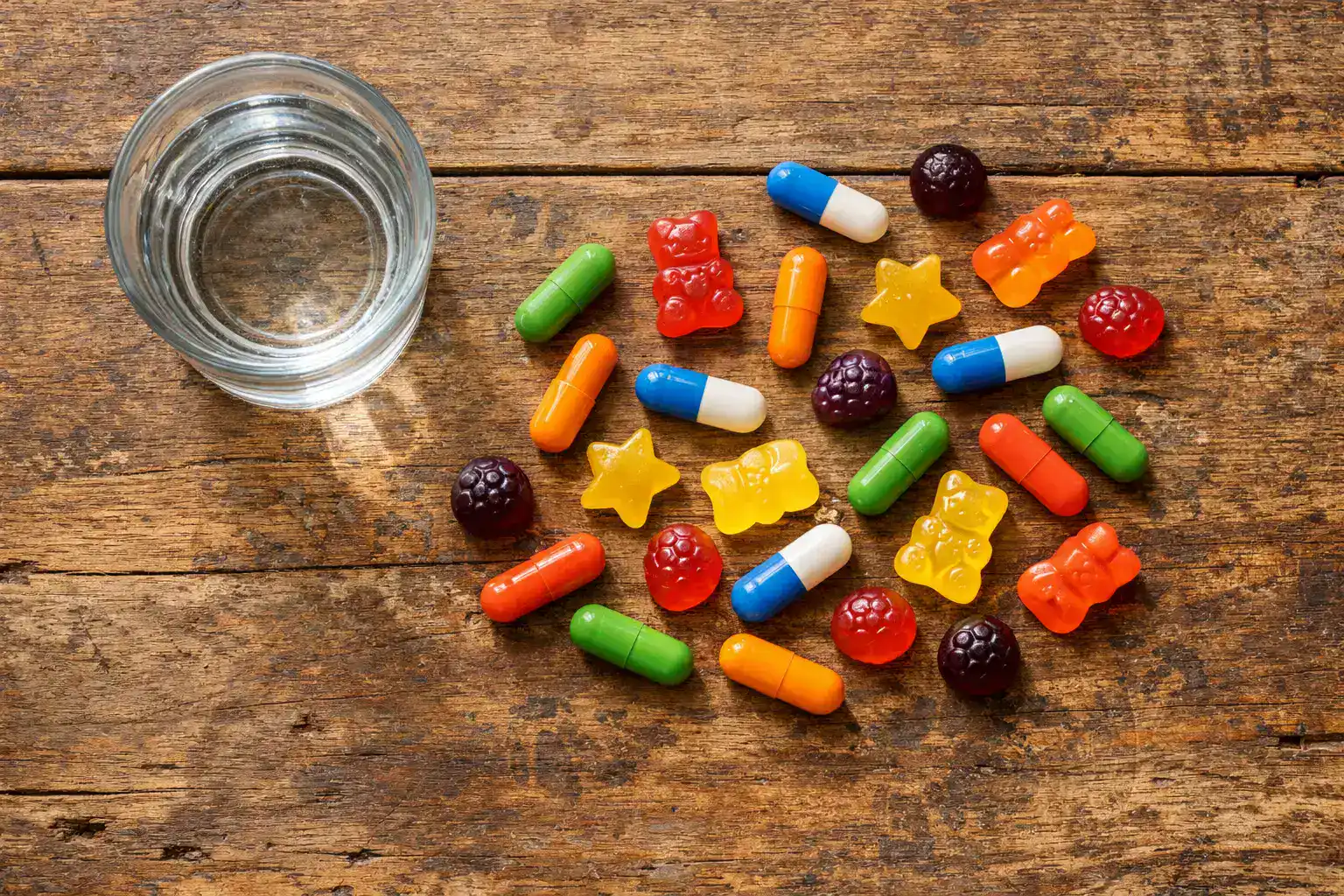
Quick Nutrition Facts
Per 1 Serving (3 Gummies, ~6g)
| Nutrient | Amount |
|---|---|
| Calories | 10 kcal |
| Protein | 0g |
| Carbohydrates | 2g |
| Fiber | 0g |
| Sugars | 2g |
| Fat | 0g |
| Omega-3 (ALA) | 130mg |
| DHA | 50mg |
| Vitamin B6 | 25mg |
| Zinc | 5mg |
Macronutrient Breakdown
 ChatGPT
  Claude
  AI Mode
  Perplexity
NUTRITIONIST INSIGHT
ADHD child supplements are extremely low in calories (10 per serving) but deliver targeted micronutrients. Children with ADHD show 38% lower omega-3 blood levels on average, making supplementation particularly valuable when dietary intake is insufficient.
Myth Busters
MYTH #1: ADHD Supplements Replace Medication
TRUTH: Supplements are not a substitute for prescribed ADHD medication. Research shows omega-3 and micronutrients may support symptom management alongside conventional treatment, but they are complementary, not replacements. Always consult a pediatrician.
MYTH #2: Sugar in Gummy Supplements Worsens ADHD
TRUTH: The 2g of sugar per serving in focus gummies is minimal. Research on sugar and ADHD shows conflicting results about sugar causing hyperactivity. The small amount in supplements is unlikely to affect symptoms significantly.
MYTH #3: All Kids with ADHD Need the Same Supplements
TRUTH: Nutrient needs vary significantly among children. A study found that iron, magnesium, vitamin D, and zinc deficiencies are common but not universal in ADHD children. Blood testing should guide supplementation choices.
MYTH #4: Higher Doses of Supplements Work Better
TRUTH: More is not better with micronutrients. Excessive zinc or iron supplementation can be toxic. A 2016 study found magnesium at 6mg/kg/day with 0.6mg/kg/day B6 improved symptoms without excess dosing.
MYTH #5: ADHD Supplements Show Results Immediately
TRUTH: Omega-3 supplements require at least 15 weeks of consistent use to show measurable improvements. Magnesium may show cognitive benefits within 8 weeks. Patience and consistency are essential.
NutriScore by Health Goals
| Health Goal | NutriScore | Why This Score? |
|---|---|---|
| Weight Loss |  | Only 10 calories per serving with zero fat. No impact on caloric intake goals. |
| Muscle Gain |  | No protein or caloric contribution. Zinc supports recovery but supplement alone insufficient for muscle goals. |
| Diabetes Management |  | Minimal sugar (2g). Low GI foods reduce ADHD symptoms and support blood sugar stability. Omega-3 may improve insulin sensitivity. |
| PCOS Management | | Omega-3 anti-inflammatory benefits support hormonal balance. Minimal caloric impact. |
| Pregnancy Nutrition | | DHA supports fetal neurodevelopment. Consult OB-GYN before use; standard prenatal vitamins may already contain these nutrients. |
| Viral/Flu Recovery | | Zinc provides mild immune support. Not a primary recovery supplement; lacks vitamin C and caloric energy. |
PERSONALIZED NUTRITION
Track your child's supplement intake with NutriScan for personalized NutriScores based on their specific health goals!
Blood Sugar Response to ADHD Child Supplement
Understanding how ADHD focus supplements affect blood glucose helps parents make informed decisions about timing and pairing.
Typical Glucose Response Curve
*This chart shows typical blood glucose response for general healthy individuals. Individual responses may vary. Not medical advice.*
How to Flatten the Spike
Low glycemic index foods help reduce ADHD symptoms and maintain steady blood sugar levels:
- 🥜 Nut butter with whole grain toast - Healthy fats and complex carbs slow glucose absorption
- 🥛 Full-fat yogurt - Protein and fat provide sustained energy alongside supplements
- 🥚 Scrambled eggs at breakfast - Complete protein pairs well with morning supplement timing
- 🫐 Fresh berries - Low GI fruit with antioxidants that support brain health
This combination ensures steady energy for focus throughout the school day.
Cultural Significance
ADHD awareness and supplementation trends have grown significantly worldwide over the past two decades.
In India:
- Ayurvedic tradition uses Brahmi (Bacopa monnieri) and Shankhpushpi for cognitive support in children
- Growing awareness of ADHD diagnosis has increased supplement adoption in urban areas
- Traditional diets rich in turmeric, ghee, and nuts naturally provide brain-supportive nutrients
- ICMR guidelines emphasize dietary approaches before supplementation
Global Impact:
- ADHD affects 5-7% of children worldwide (over 100 million children)
- Omega-3 supplement market for children exceeded $2 billion globally by 2025
- Nordic countries lead in omega-3 supplementation research and adoption
- Growing preference for natural and plant-based supplement alternatives
Compare & Substitute
ADHD Child Supplement vs Similar Focus Supplements (Per Serving)
| Nutrient | Focus Gummy | Fish Oil Capsule | Magnesium Chewable | Multivitamin Gummy |
|---|---|---|---|---|
| Calories | 10 kcal | 15 kcal | 5 kcal | 15 kcal |
| Carbs | 2g | 0g | 1g | 4g |
| Fat | 0g | 1.5g | 0g | 0g |
| Protein | 0g | 0g | 0g | 0g |
| Omega-3 | 180mg | 600mg | 0mg | 50mg |
| Magnesium | 40mg | 0mg | 200mg | 20mg |
| Zinc | 5mg | 0mg | 0mg | 3mg |
| Sugar | 2g | 0g | 1g | 3g |
| Best For | All-in-one focus blend | High-dose omega-3 | Calming, sleep support | General nutrition |
Frequently Asked Questions
How many calories are in ADHD child supplements?
Most ADHD child focus supplements contain 5-15 calories per serving. Gummy forms average 10 calories per 3-gummy serving, primarily from 2g of carbohydrates used for flavoring and binding. Capsule and liquid forms often contain fewer calories (5 or less).
Calorie comparison by format: Gummies 10-15 kcal, softgels 10 kcal, liquid drops 5 kcal, chewable tablets 5 kcal.
Are omega-3 supplements effective for ADHD in children?
Research from 16 studies shows omega-3 supplementation consistently lessens hyperactivity in ADHD children. Blood levels of omega-3 in ADHD children are 38% lower than peers on average.
Recommended dosage:
- Ages 4-8: 1,000-1,500mg EPA+DHA daily
- Ages 9-13: 2,000-2,500mg EPA+DHA daily
- Choose products with 2:1 EPA to DHA ratio
- Minimum 15-week trial for measurable results
What key nutrients should ADHD supplements contain?
6 essential nutrients for ADHD support backed by research: omega-3 (EPA+DHA), magnesium, zinc, iron (if deficient), vitamin B6, and vitamin D.
Priority nutrients: Omega-3 at 500mg+ EPA daily is most studied. Magnesium at 200mg daily showed cognitive improvement in 8 weeks. Zinc at 15mg daily supports neurotransmitter function.
Are ADHD supplements safe for children?
Omega-3 supplements have high tolerability with only mild side effects reported such as occasional nosebleeds and gastrointestinal discomfort. No severe side effects have been documented in clinical trials.
Safety guidelines:
- Always consult a pediatrician before starting supplements
- Get blood tests to check nutrient levels first
- Do not exceed recommended dosages
- Watch for interactions with ADHD medications
Can diet alone manage ADHD symptoms?
Diet plays a significant role but rarely replaces comprehensive ADHD management. Research shows low glycemic index foods help reduce symptoms in some children. Nutrient deficiencies in iron, zinc, magnesium, and omega-3 are more common in ADHD children.
Dietary strategies: Prioritize whole grains, fatty fish, leafy greens, nuts, and seeds. Minimize processed foods and artificial additives. Track nutrient intake with NutriScan app to identify gaps.
How long do ADHD supplements take to show results?
Omega-3 supplements require at least 15 weeks of consistent daily use to show measurable improvement in attention and hyperactivity scores. Magnesium supplements may show cognitive improvements within 8 weeks.
Timeline expectations: Weeks 1-4 minimal change, weeks 4-8 possible calming effects, weeks 8-12 attention improvements may begin, weeks 12-16+ measurable symptom reduction in responding children.




Similar Nutritious Foods
4505 Chicharrones Classic Chili Salt
7 Eleven Japan Crispy Corn Cheese
Explore More Nutrition Tools & Resources
AI Calorie Counter App - Snap a Photo, Get Macros
AI Nutritionist App That Reads Your Logged Meals
Best Protein Supplements for Women
Bulking Meal Plan App That Sets Your Surplus
ChatGPT Calorie Counter Alternative That Keeps the Total
ChatGPT Diet Plan Alternative That Tracks What You Eat
ChatGPT Weight Loss Coach Alternative With a Food Log
Fast Food Calorie Counter App That Reads the Tray
Free Calorie Tracker App with AI Photo Scans | NutriScan
Indian Diet Plan App With Veg and Non Veg Meals
Indian Food Calorie Calculator - Get Instant Nutrition Facts for Desi Meals — 2026
Intermittent Fasting for Women, Timer and Meal Log App
Intermittent Fasting Tracker App - Free Fasting Timer
Macro Tracker App That Fills the Numbers From a Photo
Mediterranean Diet Meal Plan App That Counts the Oil
Micronutrient Tracker App for Vitamins and Minerals
MyFitnessPal Alternative That Stays Free | NutriScan
NutriScore App: A Free Grade on Every Meal | NutriScan
Nutrition Label Scanner App for the Amount You Ate
Second Trimester Protein Guide
Vegetarian Meal Plan App With a Protein Target
Voice Calorie Counter - Speak to Track Meals Hands-Free
Water and Calorie Tracker App - Free Water Log