BEAST LIFE L-Carnitine: Nutrition, Dosage and Fat Loss Facts
Fat metabolism amino acid supplement designed to transport fatty acids for energy production during exercise and calorie restriction.
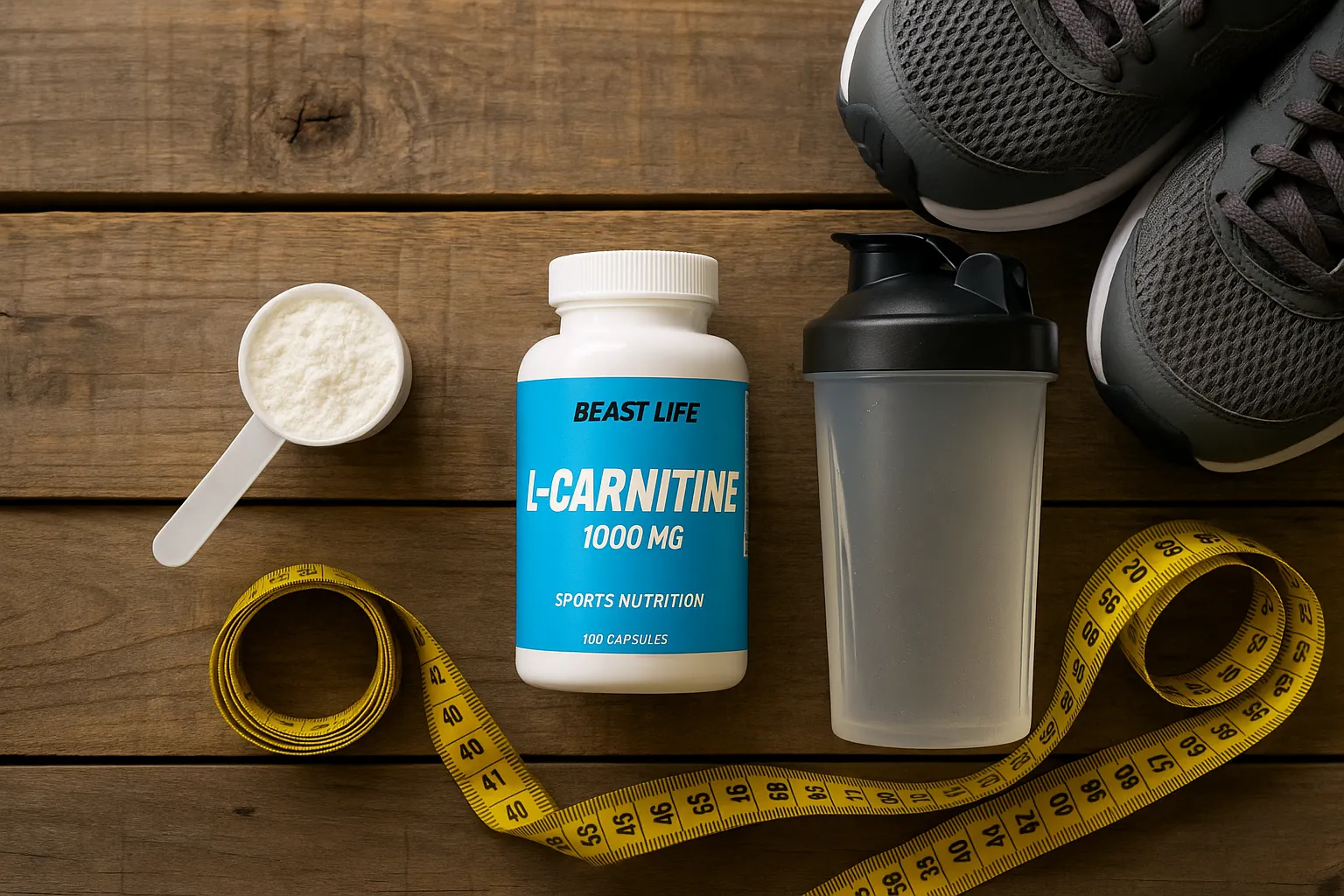
Quick Nutrition Facts
Per 1 Serving (1.5g powder)
| Nutrient | Amount |
|---|---|
| Calories | 0 kcal |
| Protein | 0g |
| Carbohydrates | 0g |
| Fiber | 0g |
| Sugars | 0g |
| Fat | 0g |
| L-Carnitine | 1500mg |
| Sodium | Variable |
Recommended Dosage: 2-3g daily (2 servings)
Macronutrient Breakdown
 ChatGPT
  Claude
  AI Mode
  Perplexity
NUTRITIONIST INSIGHT
L-Carnitine is naturally produced by your body and found in meat (60-180mg per serving). Supplementation provides 10-20x higher doses for enhanced fat oxidation during training. Works best combined with calorie deficit and exercise, not as standalone fat burner.
Myth Busters
MYTH #1: L-Carnitine Burns Fat Without Diet or Exercise
TRUTH: L-Carnitine facilitates fat transport but does not burn fat independently. Meta-analysis shows 1-2.9kg additional weight loss only when combined with calorie restriction and exercise. No fat loss occurs without energy deficit.
MYTH #2: Higher Doses Work Better (5-10g)
TRUTH: 2-3g daily is optimal. Studies show no additional benefit beyond 3g, and high doses (5g+) increase side effects like nausea, diarrhea, and fishy body odor without improving fat oxidation.
MYTH #3: L-Carnitine Causes Muscle Loss
TRUTH: L-Carnitine may preserve muscle during calorie restriction by improving fat oxidation and reducing protein breakdown. No evidence supports muscle loss claims. Actually supports lean mass retention during cutting phases.
MYTH #4: Only Works for Vegetarians
TRUTH: Meat eaters get 60-180mg L-Carnitine daily from food. Supplementation (2000-3000mg) provides significantly higher doses that may enhance performance and fat metabolism during intense training phases, beneficial for both vegetarians and omnivores.
MYTH #5: Must Take on Empty Stomach
TRUTH: L-Carnitine absorption improves when taken with carbohydrates due to insulin-mediated uptake into muscle cells. Best taken 30-60 minutes before workout with small carb source (fruit, toast).
MYTH #6: Instantly Burns Fat During Cardio
TRUTH: L-Carnitine supports fat metabolism over weeks, not hours. Benefits accumulate with consistent use (2-12 weeks). Single-dose effects on fat burning are minimal. Requires sustained supplementation and training.
NutriScore by Health Goals
| Health Goal | NutriScore | Why This Score? |
|---|---|---|
| Weight Loss |  | Supports fat metabolism during calorie deficit. 2-3g daily enhances fat oxidation. Requires diet compliance; not standalone solution. |
| Muscle Gain |  | Limited direct muscle-building benefits. May reduce exercise-induced muscle damage and improve recovery. Better for cutting than bulking. |
| Diabetes Management | | May improve insulin sensitivity and glucose disposal in type 2 diabetes. 2g daily shows metabolic benefits. Consult doctor before starting. |
| PCOS Management | | Supports fat metabolism in insulin-resistant PCOS. May improve metabolic markers. Use alongside lifestyle modifications. |
| Pregnancy Nutrition |  | Insufficient safety data during pregnancy. Body produces adequate amounts naturally. Avoid supplementation unless prescribed. |
| Viral/Flu Recovery | | May reduce fatigue and support energy metabolism. Limited evidence for immune benefits. Focus on complete nutrition first. |
PERSONALIZED NUTRITION
Track your meals with NutriScan for personalized NutriScores based on your specific health goals!
Fat Metabolism & Energy Response
Understanding how L-Carnitine affects fat oxidation during exercise can help optimize timing and expectations.
Fat Oxidation Enhancement Over Time
This chart shows typical fat oxidation improvement with consistent L-Carnitine supplementation (2-3g daily) combined with exercise. Individual responses vary. Not medical advice.
How to Maximize Fat Burning
Pairing L-Carnitine with proper nutrition and exercise timing enhances fat metabolism:
- 🥤 Take with carbohydrates (30-50g) - Improves muscle uptake via insulin
- ⏰ 30-60 minutes before cardio - Maximizes availability during fat oxidation
- 🔥 Combine with calorie deficit - Essential for actual fat loss (not just oxidation)
- 💪 Consistent training - Benefits accumulate over 2-12 weeks, not single sessions
This combination optimizes L-Carnitine's fat transport mechanism while creating conditions for actual fat loss through energy deficit and exercise.
Cultural Significance
L-Carnitine was first isolated in 1905 from meat extract and named after the Latin word "carnus" (flesh).
In Sports Nutrition:
- Popular in bodybuilding since 1980s for cutting phases
- Used by endurance athletes for fat metabolism and recovery
- Common in pre-workout and fat burner formulations
- Research-backed for exercise performance since 1990s
Global Impact:
- Naturally synthesized in human liver and kidneys from lysine and methionine
- Found highest in red meat (95mg per 100g), lower in chicken (5mg) and fish (5mg)
- Vegetarians and vegans produce adequate amounts endogenously but have lower tissue stores
- Annual global market exceeds $150 million for weight loss and sports supplements
Compare & Substitute
L-Carnitine vs Similar Fat Metabolism Supplements (Per Standard Dose)
| Nutrient | 🏃 L-Carnitine (2-3g) | 🍵 Green Tea Extract (400mg EGCG) | ☕ Caffeine (200mg) | 🔥 CLA (3-6g) |
|---|---|---|---|---|
| Calories | 0 kcal | 0 kcal | 0 kcal | 27-54 kcal |
| Mechanism | Fat transport | Thermogenesis + oxidation | CNS stimulation | Fat cell regulation |
| Protein | 0g | 0g | 0g | 0g |
| Fat | 0g | 0g | 0g | 3-6g |
| Carbs | 0g | 0g | 0g | 0g |
| Stimulant | No | Yes (mild) | Yes (strong) | No |
| Time to Effect | 2-12 weeks | 1-4 weeks | 30-60 minutes | 4-12 weeks |
| Best For | Endurance, fat loss | Metabolism boost, antioxidants | Energy, focus | Body composition |
Frequently Asked Questions
Does L-Carnitine actually burn fat?
L-Carnitine transports fatty acids into mitochondria for energy production but does not directly burn fat. Effectiveness requires calorie deficit and exercise. Meta-analysis shows 1-2.9kg additional weight loss when combined with diet and training.
Best practices: 2-3g daily; take pre-workout; maintain calorie deficit; combine with cardio or resistance training.
What is the best dosage for L-Carnitine?
Standard dosage is 2-3g daily for fat loss and athletic performance. Take 30-60 minutes before cardio or split into 2 doses (1.5g morning, 1.5g pre-workout).
Tips for optimal results:
- Start with 1.5g to assess tolerance; increase to 3g after 1 week
- Take with 30-50g carbohydrates for better absorption
- Best timing: pre-workout or morning on rest days
- Cycle 8-12 weeks on, 2-4 weeks off to maintain effectiveness
Vegetarians may benefit from daily supplementation due to zero dietary intake.
Can L-Carnitine cause muscle loss?
No, L-Carnitine does not cause muscle loss. It may actually preserve lean muscle during calorie restriction by improving fat oxidation and reducing protein breakdown during exercise. Some studies suggest reduced exercise-induced muscle damage and faster recovery.
For muscle preservation during cutting: 2-3g daily combined with adequate protein intake (1.6-2.2g per kg bodyweight).
Is L-Carnitine safe for daily use?
Yes, generally safe at 2-3g doses daily for up to 12 months. Potential side effects include nausea, stomach discomfort, diarrhea, or fishy body odor at high doses (5g+).
Avoid if you have:
- Kidney disease: Reduced clearance may cause accumulation
- Seizure disorders: May increase seizure frequency
- Hypothyroidism: May interfere with thyroid hormone
Consult healthcare provider before starting if you have chronic conditions or take medications.
When should I take L-Carnitine?
Best taken 30-60 minutes before cardio or weight training for maximum fat oxidation during exercise. Can split into 2 doses (morning + pre-workout) for sustained support.
Depends on your goal:
- Fat Loss: Pre-cardio (fasted or fed) with small carb source
- Performance: 30-60 min before training with pre-workout meal
- General Health: Morning with breakfast for consistent blood levels
- Vegetarian: Daily regardless of training for tissue stores
Taking with 30-50g carbohydrates improves muscle uptake via insulin-mediated transport.
Do I need L-Carnitine if I eat meat?
Meat eaters get 60-180mg L-Carnitine daily from food (red meat highest source). Supplementation provides 2000-3000mg (10-20x higher doses) that may enhance fat burning during intense training or calorie restriction.
Who benefits most:
- Vegetarians/vegans - Zero dietary intake; rely on endogenous production
- Athletes in cutting phase - Enhanced fat oxidation during training
- Older adults - Natural carnitine synthesis declines with age
- Intense training - Higher turnover during exercise
Meat eaters with moderate exercise may not need supplementation; vegetarians and serious athletes benefit most.
How long does L-Carnitine take to work?
Effects on fat metabolism appear within 2-12 weeks of consistent supplementation. Single doses provide minimal immediate fat burning. Benefits accumulate with sustained use (2-3g daily) combined with regular training.
Timeline expectations: Week 1-2: Minimal noticeable changes; Week 3-4: Improved endurance and recovery; Week 6-12: Enhanced fat oxidation and body composition changes (with proper diet).
Requires patience and consistency; not a quick-fix fat burner.


Similar Nutritious Supplements
4505 Chicharrones Classic Chili Salt
7 Eleven Japan Crispy Corn Cheese
Explore More Nutrition Tools & Resources
AI Calorie Counter App - Snap a Photo, Get Macros
AI Nutritionist App That Reads Your Logged Meals
Best Protein Supplements for Women
Bulking Meal Plan App That Sets Your Surplus
ChatGPT Calorie Counter Alternative That Keeps the Total
ChatGPT Diet Plan Alternative That Tracks What You Eat
ChatGPT Weight Loss Coach Alternative With a Food Log
Fast Food Calorie Counter App That Reads the Tray
Free Calorie Tracker App with AI Photo Scans | NutriScan
Indian Diet Plan App With Veg and Non Veg Meals
Indian Food Calorie Calculator - Get Instant Nutrition Facts for Desi Meals — 2026
Intermittent Fasting for Women, Timer and Meal Log App
Intermittent Fasting Tracker App - Free Fasting Timer
Macro Tracker App That Fills the Numbers From a Photo
Mediterranean Diet Meal Plan App That Counts the Oil
Micronutrient Tracker App for Vitamins and Minerals
MyFitnessPal Alternative That Stays Free | NutriScan
NutriScore App: A Free Grade on Every Meal | NutriScan
Nutrition Label Scanner App for the Amount You Ate
Second Trimester Protein Guide
Vegetarian Meal Plan App With a Protein Target
Voice Calorie Counter - Speak to Track Meals Hands-Free
Water and Calorie Tracker App - Free Water Log