BEAST LIFE Omega-3 Fish Oil: Nutrition Facts and Health Benefits
Premium omega-3 supplement delivering 1100mg EPA+DHA per serving for heart health, inflammation reduction, and cognitive support.
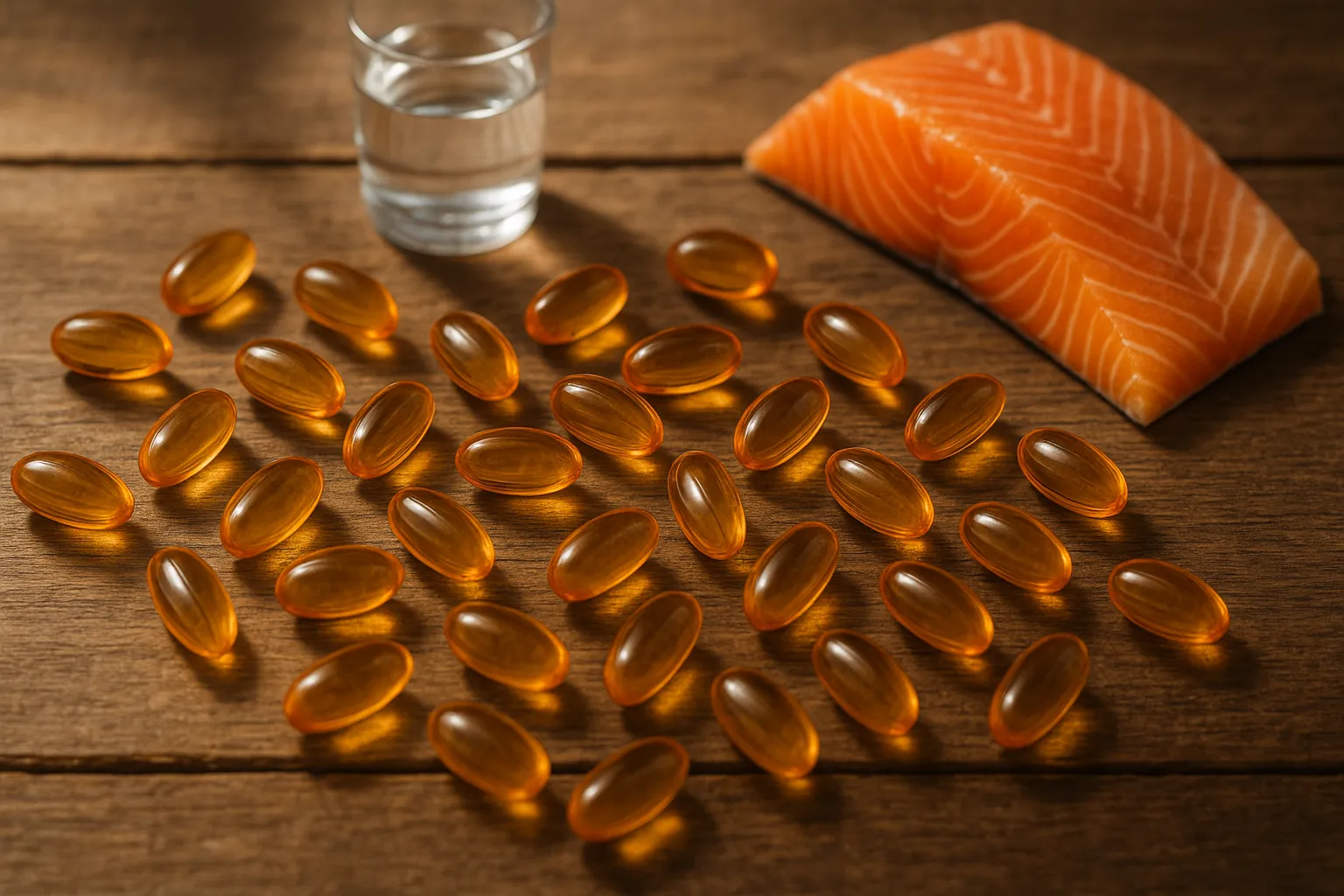
Quick Nutrition Facts
Per Serving (2 Softgels - 2000mg total fish oil)
| Nutrient | Amount |
|---|---|
| Calories | 20 kcal |
| Total Fat | 2g |
| EPA | 660mg |
| DHA | 440mg |
| Total Omega-3 | 1100mg |
| Cholesterol | 10mg |
| Vitamin E | 10 IU |
EPA/DHA Breakdown
 ChatGPT
  Claude
  AI Mode
  Perplexity
NUTRITIONIST INSIGHT
The 2:1 EPA to DHA ratio in BEAST LIFE Omega-3 provides optimal cardiovascular and anti-inflammatory benefits. Molecular distillation ensures purity and removes heavy metals, PCBs, and dioxins.
Myth Busters
MYTH #1: All Fish Oil Causes Fish Burps
TRUTH: Fish burps indicate poor quality or improper storage. High-quality molecularly distilled fish oil has minimal fishy taste. Solutions: freeze softgels before taking; choose enteric-coated versions; take with meals; store properly in cool, dark place.
MYTH #2: More Omega-3 Is Always Better
TRUTH: Excessive omega-3 (>5000mg daily) can thin blood excessively and cause bleeding risk. Optimal range is 1000-3000mg EPA+DHA for most adults. Higher doses should be medically supervised, especially if taking blood thinners.
MYTH #3: Plant-Based Omega-3 (ALA) Is Equivalent to Fish Oil
TRUTH: Only 5-10% of ALA from flaxseed/walnuts converts to EPA/DHA in the body. Marine sources provide pre-formed EPA and DHA for direct absorption. Vegetarians need 3-4x more ALA to match fish oil benefits or should consider algae-based omega-3.
MYTH #4: Fish Oil Should Only Be Taken in the Morning
TRUTH: Timing doesn't significantly affect absorption; consistency matters more. Take with largest meal of the day for best fat absorption. Some people prefer bedtime to avoid any fishy aftertaste or to support overnight anti-inflammatory processes.
MYTH #5: You Can Get Enough Omega-3 from Diet Alone
TRUTH: While fatty fish (salmon, mackerel, sardines) are excellent sources, most people don't consume the recommended 2-3 servings weekly. Supplementation ensures consistent intake, especially for non-fish eaters. One serving of BEAST LIFE Omega-3 equals ~3oz fatty fish.
MYTH #6: Fish Oil Supplements Are Contaminated with Mercury
TRUTH: Reputable brands use molecular distillation to remove mercury and other toxins. Fish oil supplements typically have lower mercury than whole fish because purification removes heavy metals. Look for third-party testing (IFOS, USP certification) for quality assurance.
NutriScore by Health Goals
| Health Goal | NutriScore | Why This Score? |
|---|---|---|
| Weight Loss |  | Only 20 calories per serving; supports fat metabolism; reduces inflammation that may hinder weight loss. |
| Muscle Gain |  | Reduces exercise-induced inflammation; accelerates recovery; supports protein synthesis; improves insulin sensitivity for nutrient partitioning. |
| Diabetes Management | | Improves insulin sensitivity; reduces triglycerides; supports cardiovascular health in diabetics; minimal impact on blood sugar. |
| PCOS Management | | Reduces inflammation and insulin resistance; supports hormonal balance; improves metabolic markers; beneficial for cardiovascular risk reduction in PCOS. |
| Pregnancy Nutrition | | DHA crucial for fetal brain and eye development; EPA reduces preeclampsia risk; supports maternal cardiovascular health. |
| Viral/Flu Recovery | | Strong anti-inflammatory properties support immune function; reduces cytokine storm severity; supports respiratory health; accelerates recovery through reduced systemic inflammation. |
PERSONALIZED NUTRITION
Track your supplements with NutriScan for personalized NutriScores based on your specific health goals!
Inflammation Response to Omega-3
Understanding how omega-3 reduces inflammatory markers helps optimize timing and dosage for your health goals.
Typical C-Reactive Protein (CRP) Reduction Over Time
*This chart shows typical CRP reduction with consistent omega-3 supplementation. Individual responses vary. Not medical advice.*
Maximizing Anti-Inflammatory Benefits
Omega-3 works synergistically with certain nutrients and lifestyle factors to enhance inflammation reduction:
- 🥬 Anti-inflammatory diet - Reduce omega-6 oils (corn, soybean); emphasize vegetables and berries
- 🏋️ Regular exercise - Moderate activity enhances omega-3 incorporation into cell membranes
- 😴 Quality sleep - 7-9 hours supports optimal anti-inflammatory pathways
- 🧘 Stress management - Reduces cortisol that counteracts omega-3 benefits
Consistency matters more than perfect timing; take your omega-3 daily with the largest meal for 8-12 weeks to see measurable inflammation reduction.
Cultural Significance
Fish oil has been valued across cultures for centuries as a health tonic.
Traditional Use:
- Nordic countries have consumed cod liver oil since the Viking era for strength and immunity
- Inuit populations maintain excellent cardiovascular health despite high-fat diets due to marine omega-3 consumption
- Traditional Chinese Medicine uses fish-derived oils for joint health and "blood circulation"
Modern Science:
- 1970s research on Greenland Inuit populations revealed omega-3's cardiovascular benefits
- Over 40,000 clinical studies now validate omega-3 for heart, brain, and inflammatory conditions
- American Heart Association recommends fatty fish twice weekly or supplements for those with heart disease
Global Impact:
- $2.5 billion global fish oil supplement market
- Sustainable fishing certifications (MSC, Friend of the Sea) address overfishing concerns
- Algae-based omega-3 emerging as eco-friendly alternative with identical DHA structure
Compare & Substitute
Omega-3 Supplements Comparison (Per 2-Softgel Serving)
| Nutrient | 🐟 BEAST LIFE Fish Oil | 🌱 Flaxseed Oil (ALA) | 🦐 Krill Oil | 🌿 Algae Oil (Vegan DHA) |
|---|---|---|---|---|
| Calories | 20 kcal | 25 kcal | 20 kcal | 15 kcal |
| Total Fat | 2g | 2.8g | 2g | 1.5g |
| EPA | 660mg | 0mg | 150mg | 0-50mg |
| DHA | 440mg | 0mg | 90mg | 200-300mg |
| ALA | 0mg | 1400mg | 0mg | 0mg |
| Absorption | Good | Poor (5-10% conversion) | Excellent (liquid) | Good |
| Sustainability | MSC certified | High | Moderate | Very high |
| Best For | Heart, joints, brain | Budget plant-based | Brain, astaxanthin | Vegans, DHA needs |
Frequently Asked Questions
What is the optimal EPA/DHA ratio in fish oil?
The ideal ratio is 2:1 EPA to DHA (660mg EPA to 440mg DHA). EPA primarily supports cardiovascular health and reduces inflammation markers like C-reactive protein; DHA is crucial for brain cell membrane structure and cognitive function. BEAST LIFE Omega-3 provides this clinically-backed ratio for balanced benefits across heart, brain, and joint health.
How much fish oil should I take daily?
General health: 1000-2000mg combined EPA+DHA (2-4 softgels). Heart health: 2000-3000mg daily. Athletes/high inflammation: 2000-4000mg daily. Pregnancy: minimum 200-300mg DHA daily. Always start with lower doses; take with meals to minimize digestive upset; consult healthcare provider for doses above 3000mg or if on blood thinners.
Why does fish oil cause burps and how can I prevent them?
Fish burps occur when the softgel dissolves in the stomach, releasing fish oil before it reaches the intestines. Solutions: take with largest meal of the day; freeze softgels before consumption (slows dissolution); choose enteric-coated versions; take before bed; store in refrigerator. Quality fish oil with proper purification has minimal fishy taste; persistent strong smell indicates oxidation or low quality.
Can I take omega-3 with other supplements?
Yes, omega-3 pairs well with most supplements. Beneficial combinations: vitamin D for immune support; magnesium for cardiovascular health; multivitamins; protein supplements. Caution: may enhance blood-thinning effects when combined with garlic, ginkgo, or vitamin E; space 2-3 hours from calcium supplements for optimal absorption; avoid with high-dose vitamin A (cod liver oil already contains vitamin A).
Is fish oil safe during pregnancy?
Yes, omega-3 is not only safe but crucial during pregnancy for fetal brain and eye development. DHA supports neural growth in second and third trimesters; EPA reduces inflammation and may lower preeclampsia risk. Recommended: 200-300mg DHA daily minimum; many prenatal supplements include omega-3; choose brands tested for mercury and PCBs; consult healthcare provider for doses above 1000mg EPA+DHA.
How can I tell if my fish oil is high quality?
Quality markers: third-party tested for purity (IFOS or USP certification); minimal fishy smell (indicates freshness); clear or slightly yellow softgels; molecular distillation mentioned on label; high EPA+DHA concentration per serving (>500mg combined); expiration date clearly marked; stored in dark bottle to prevent oxidation. BEAST LIFE uses molecular distillation and provides 1100mg omega-3 per serving, indicating concentrated high-quality oil.
How long does it take to see benefits from fish oil?
Triglyceride reduction: 4-6 weeks. Inflammation markers (CRP): 8-12 weeks. Joint pain improvement: 8-12 weeks. Cognitive benefits: 3-6 months. Cardiovascular protection: ongoing cumulative benefit. Consistency is key; omega-3 must incorporate into cell membranes for full effects. Take daily with meals; don't expect immediate results; benefits compound over time.
Should I take fish oil if I eat fish regularly?
If you consume 2-3 servings of fatty fish (salmon, mackerel, sardines, herring) weekly, you likely meet omega-3 needs. One 3oz serving of salmon provides approximately 1000-1500mg EPA+DHA. However, supplementation ensures consistency; consider supplements on days you don't eat fish; pregnant women and those with cardiovascular conditions may benefit from both dietary sources and supplements for higher intake.




Similar Nutritious Supplements
4505 Chicharrones Classic Chili Salt
7 Eleven Japan Crispy Corn Cheese
Explore More Nutrition Tools & Resources
AI Calorie Counter App - Snap a Photo, Get Macros
AI Nutritionist App That Reads Your Logged Meals
Best Protein Supplements for Women
Bulking Meal Plan App That Sets Your Surplus
ChatGPT Calorie Counter Alternative That Keeps the Total
ChatGPT Diet Plan Alternative That Tracks What You Eat
ChatGPT Weight Loss Coach Alternative With a Food Log
Fast Food Calorie Counter App That Reads the Tray
Free Calorie Tracker App with AI Photo Scans | NutriScan
Indian Diet Plan App With Veg and Non Veg Meals
Indian Food Calorie Calculator - Get Instant Nutrition Facts for Desi Meals — 2026
Intermittent Fasting for Women, Timer and Meal Log App
Intermittent Fasting Tracker App - Free Fasting Timer
Macro Tracker App That Fills the Numbers From a Photo
Mediterranean Diet Meal Plan App That Counts the Oil
Micronutrient Tracker App for Vitamins and Minerals
MyFitnessPal Alternative That Stays Free | NutriScan
NutriScore App: A Free Grade on Every Meal | NutriScan
Nutrition Label Scanner App for the Amount You Ate
Second Trimester Protein Guide
Vegetarian Meal Plan App With a Protein Target
Voice Calorie Counter - Speak to Track Meals Hands-Free
Water and Calorie Tracker App - Free Water Log