BEAST LIFE Performance Yeast Protein: Calories, Nutrition & Benefits
High-quality fermented protein with complete amino acids, superior digestibility, and none of the dairy allergens.
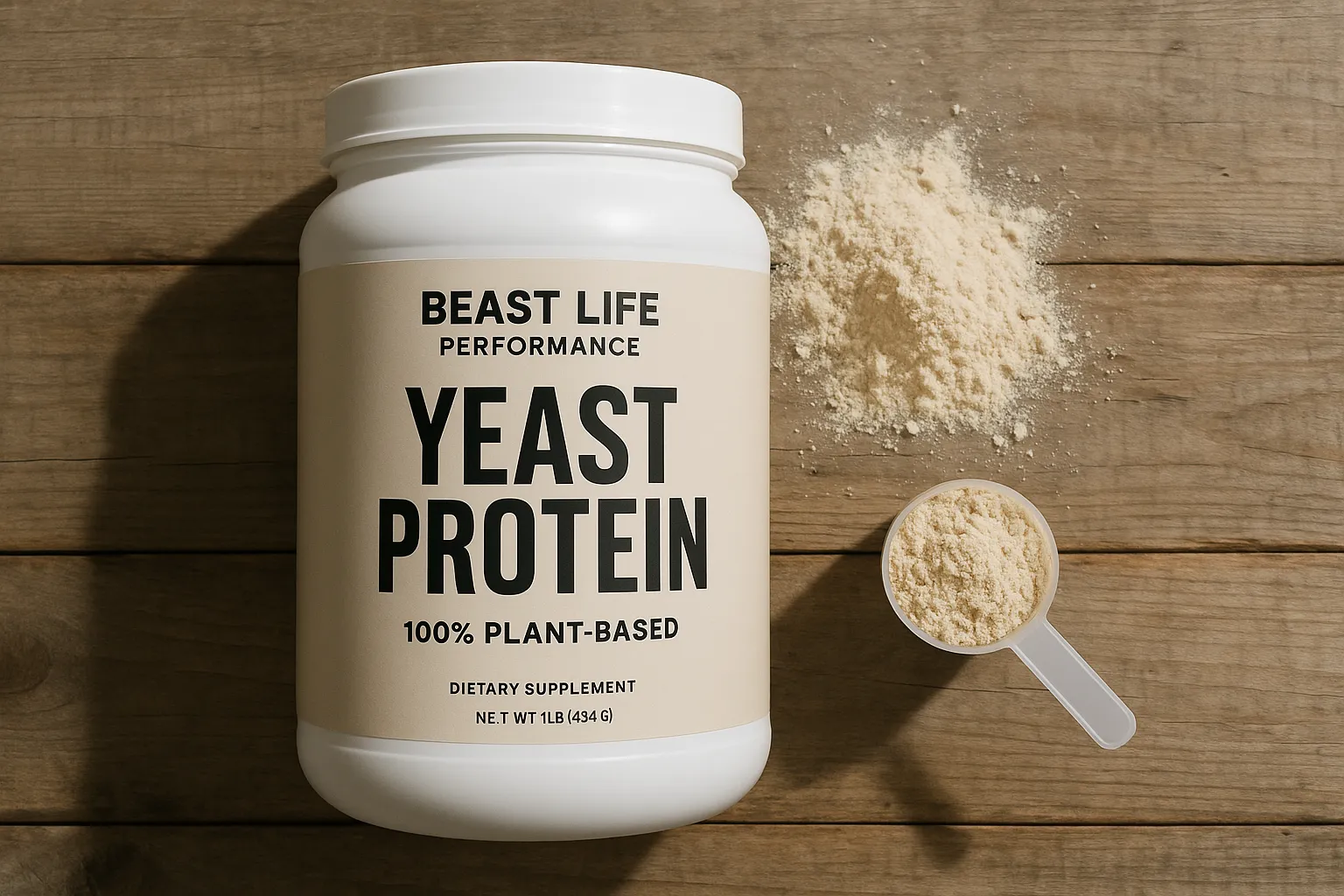
Quick Nutrition Facts
Per 1 Scoop (30g)
| Nutrient | Amount |
|---|---|
| Calories | 120 kcal |
| Protein | 25g |
| Carbohydrates | 3g |
| Fiber | 1g |
| Sugars | 0g |
| Fat | 2g |
| Sodium | 150mg |
| Iron | 3mg |
| Vitamin B12 | 2.4mcg |
| Beta-Glucans | 400mg |
Macronutrient Breakdown
 ChatGPT
  Claude
  AI Mode
  Perplexity
NUTRITIONIST INSIGHT
Yeast protein delivers complete amino acids with PDCAAS 1.0 digestibility - matching whey quality. Fermentation process enhances bioavailability and adds immune-supporting beta-glucans without common allergens.
Myth Busters
MYTH #1: Yeast Protein Causes Yeast Infections
TRUTH: Fermented yeast protein is deactivated and purified. It doesn't contain live yeast organisms that cause infections. Studies show no connection between dietary yeast protein and Candida overgrowth. Safe for regular consumption.
MYTH #2: Plant Proteins Are Always Inferior to Whey
TRUTH: Yeast protein has complete amino acid profile with leucine content (2.2g per serving) comparable to whey. Research shows similar muscle protein synthesis rates. Only difference: absorption speed (whey slightly faster, yeast more sustained).
MYTH #3: Fermented Means It Contains Alcohol
TRUTH: Fermentation process uses controlled microbial cultures to break down proteins - no alcohol production. The yeast is heat-treated and deactivated before extraction. Final product is 100% alcohol-free.
MYTH #4: Yeast Protein Tastes Bad
TRUTH: Modern yeast protein has neutral taste with proper flavoring. Unlike nutritional yeast's cheesy flavor, isolated yeast protein mixes smoothly. Beast Life adds natural flavors making it comparable to premium whey products.
MYTH #5: It's Only for Vegans
TRUTH: While vegan-friendly, yeast protein benefits everyone. Athletes with lactose intolerance, dairy allergies, or digestive sensitivity prefer it over whey. Also ideal for those reducing environmental impact or seeking protein variety.
NutriScore by Health Goals
| Health Goal | NutriScore | Why This Score? |
|---|---|---|
| Weight Loss |  | 120 calories, 25g protein promotes satiety and muscle preservation. Low carbs (3g) and minimal fat support calorie deficit. |
| Muscle Gain | | Complete amino acids with 2.2g leucine per serving triggers muscle protein synthesis. 83% protein content rivals whey isolate. |
| Diabetes Management | | Zero sugars, low glycemic impact, and beta-glucans improve insulin sensitivity. Safe for diabetics as protein shake or meal addition. |
| PCOS Management | | High protein stabilizes blood sugar and reduces cravings. Dairy-free option eliminates potential hormone-disrupting compounds from conventional dairy. |
| Pregnancy Nutrition |  | Complete protein supports fetal development with 3mg iron and vitamin B12. Consult doctor before starting. |
| Viral/Flu Recovery | | Easy to digest, beta-glucans support immune function, complete amino acids aid tissue repair during recovery. |
PERSONALIZED NUTRITION
Track your meals with NutriScan for personalized NutriScores based on your specific health goals!
Blood Sugar Response to Yeast Protein
Understanding how yeast protein affects blood glucose helps optimize your supplementation strategy.
Typical Glucose Response Curve
This chart shows typical blood glucose response for general healthy individuals. Individual responses may vary. Not medical advice.
How to Maximize Benefits
Pairing yeast protein with specific foods enhances nutrient absorption and creates balanced nutrition:
- 🍌 Banana or berries - Quick carbs for post-workout glycogen replenishment
- 🥜 Almond or peanut butter - Healthy fats slow digestion and extend satiety
- 🥛 Oat milk or coconut milk - Plant-based liquid for smooth consistency
- 🌾 Oats or quinoa - Complex carbs for sustained energy during meal replacement
This combination optimizes protein utilization while maintaining stable blood sugar and prolonged energy.
Cultural Significance
Fermented yeast has been used for nutrition and medicine for over 5,000 years, from ancient Egyptian brewing to traditional Chinese medicine.
In Modern Nutrition:
- First isolated as protein source in 1960s research labs
- NASA studied yeast protein for space nutrition (sustainable, compact)
- European athletes adopted it in 1990s before widespread availability
- Beast Life popularized performance-grade version in India (2020s)
Global Impact:
- Sustainable protein requiring 99% less water than beef production
- Circular economy: often derived from brewery byproducts
- Allergen-free alternative for 65% lactose-intolerant global population
- First choice for athletes in dairy-restricted regions
Compare & Substitute
Yeast Protein vs Similar Proteins (Per 100g)
| Nutrient | 🧫 Yeast Protein | 🥛 Whey Isolate | 🌱 Pea Protein | 🌾 Soy Protein |
|---|---|---|---|---|
| Calories | 400 kcal | 370 kcal | 380 kcal | 390 kcal |
| Protein | 83g | 90g | 80g | 85g |
| Carbs | 10g | 3g | 8g | 7g |
| Fiber | 3g | 0g | 6g | 4g |
| Fat | 7g | 1g | 7g | 5g |
| Iron | 10mg | 0.5mg | 8mg | 12mg |
| B12 | 8mcg | 2mcg | 0mcg | 0mcg |
| Leucine | 7.3g | 9.5g | 6.8g | 7.0g |
| Best For | Vegan, dairy-free muscle | Maximum protein concentration | Budget plant protein | Hormone-free plant complete |
Frequently Asked Questions
Is yeast protein as effective as whey protein?
Yes, yeast protein provides complete amino acids with high digestibility (PDCAAS 1.0 similar to whey). Studies show comparable muscle protein synthesis rates with fewer digestive issues.
Key comparison: Whey absorbs slightly faster (20-30 minutes vs 40-60 minutes); yeast provides more sustained amino acid release; both equally effective for muscle building when consumed around workouts. Choose based on dietary preferences and digestion tolerance.
Can people with yeast allergies consume yeast protein?
Most yeast protein is purified and deactivated, removing allergenic compounds. However, those with severe yeast sensitivities should consult healthcare providers first.
Safety approach: Start with 1/4 scoop (6g protein) and monitor for 24 hours; gradually increase if no reaction; common yeast allergies involve live organisms (baker's yeast), not deactivated isolated protein. Always read labels and choose reputable brands with allergen testing.
How much protein is in one scoop?
One scoop (30g) contains 25g of protein. This provides 83% protein by weight, comparable to whey isolate and superior to concentrate (70-80%).
Recommended intake: 1 scoop for women (100-150 lbs); 1-2 scoops for men (150-200 lbs); 2 scoops for heavy athletes (200+ lbs) or high training volume. Spread servings across day for optimal absorption.
What are the main benefits of fermented yeast protein?
Key Benefits:
- Complete Amino Acids: All nine essential amino acids in optimal ratios
- High Digestibility: Fermentation breaks down complex proteins for easier absorption
- Beta-Glucans: 400mg per serving supports immune function and gut health
- Allergen-Free: No dairy, soy, gluten, or common allergens
- Sustainable: Requires minimal water and land compared to animal proteins
- Vitamin B12: Rare in plant proteins, naturally present in yeast
When is the best time to take yeast protein?
Depends on your goal:
- Muscle Gain: Post-workout within 30 minutes or with breakfast for morning protein synthesis.
- Weight Loss: Between meals to reduce cravings or as meal replacement (blend with fruits/oats).
- Diabetes: Mid-morning or afternoon to stabilize blood sugar; avoid with high-carb meals.
- Recovery: Before bed for overnight muscle repair (casein-like sustained release).
Works anytime you need quality protein; no strict timing required outside athletic performance optimization.
Does yeast protein cause bloating?
Yeast protein typically causes less bloating than dairy proteins due to lack of lactose and lower FODMAP content. However, individual responses vary.
Tips to minimize bloating: Start with half servings (15g protein) for first week; drink 300-400ml water with each shake; avoid mixing with high-fiber foods initially; choose unflavored version if artificial sweeteners cause issues; take digestive enzymes if needed. Most users report better digestion than whey within 2-3 weeks.
How does it compare to whey in taste and texture?
Modern yeast protein has neutral taste with proper flavoring, mixing smoothly like premium whey. Beast Life version includes natural flavors making it comparable to leading whey brands.
Texture notes: Slightly thicker than whey isolate but smoother than pea protein; no gritty aftertaste; mixes well with water or plant milk; works in smoothies, oatmeal, and baking. Some prefer the mouthfeel over whey; taste preference is subjective.


Similar Nutritious Supplements
4505 Chicharrones Classic Chili Salt
7 Eleven Japan Crispy Corn Cheese
Explore More Nutrition Tools & Resources
AI Calorie Counter App - Snap a Photo, Get Macros
AI Nutritionist App That Reads Your Logged Meals
Best Protein Supplements for Women
Bulking Meal Plan App That Sets Your Surplus
ChatGPT Calorie Counter Alternative That Keeps the Total
ChatGPT Diet Plan Alternative That Tracks What You Eat
ChatGPT Weight Loss Coach Alternative With a Food Log
Fast Food Calorie Counter App That Reads the Tray
Free Calorie Tracker App with AI Photo Scans | NutriScan
Indian Diet Plan App With Veg and Non Veg Meals
Indian Food Calorie Calculator - Get Instant Nutrition Facts for Desi Meals — 2026
Intermittent Fasting for Women, Timer and Meal Log App
Intermittent Fasting Tracker App - Free Fasting Timer
Macro Tracker App That Fills the Numbers From a Photo
Mediterranean Diet Meal Plan App That Counts the Oil
Micronutrient Tracker App for Vitamins and Minerals
MyFitnessPal Alternative That Stays Free | NutriScan
NutriScore App: A Free Grade on Every Meal | NutriScan
Nutrition Label Scanner App for the Amount You Ate
Second Trimester Protein Guide
Vegetarian Meal Plan App With a Protein Target
Voice Calorie Counter - Speak to Track Meals Hands-Free
Water and Calorie Tracker App - Free Water Log