Beetroot: Calories, Nutrition and Health Benefits
A vibrant superfood packed with nitrates, folate, and antioxidants that support heart health, athletic performance, and pregnancy nutrition.
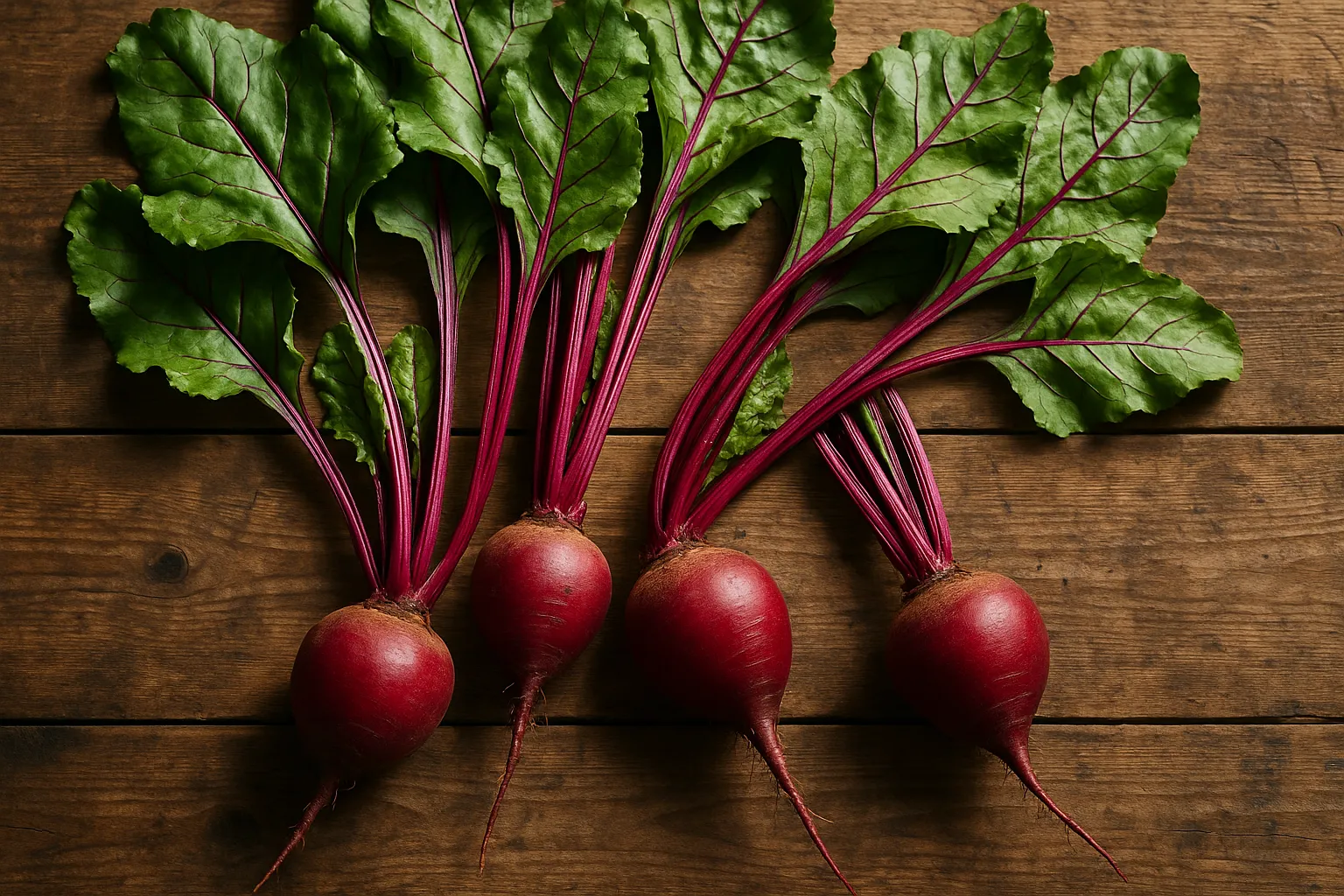
Quick Nutrition Facts
Per 100g (1 Medium Beetroot)
| Nutrient | Amount |
|---|---|
| Calories | 43 kcal |
| Protein | 1.6g |
| Carbohydrates | 9.6g |
| Fiber | 2.8g |
| Sugars | 6.8g |
| Fat | 0.2g |
| Folate | 109mcg |
| Vitamin C | 4.9mg |
| Potassium | 325mg |
| Iron | 0.8mg |
| Nitrates | 250mg |
Macronutrient Breakdown
 ChatGPT
  Claude
  AI Mode
  Perplexity
NUTRITIONIST INSIGHT
Beetroot contains 250mg nitrates per 100g that convert to nitric oxide, lowering blood pressure by 4-10 mmHg. The folate content (27% DV) makes it exceptional for pregnancy nutrition.
Myth Busters
MYTH #1: Beetroot Has Too Much Sugar for Diabetics
TRUTH: While beetroot contains 6.8g natural sugars per 100g, studies show it may improve insulin sensitivity and blood glucose control. The fiber and nitrates outweigh sugar concerns when eaten in moderation (1/2 cup servings).
MYTH #2: Beetroot Juice is As Healthy As Whole Beetroot
TRUTH: Beetroot juice concentrates nitrates (good for blood pressure) but removes fiber (2.8g per 100g). Whole beetroot provides better blood sugar control and digestive benefits. Choose juice for pre-workout, whole beetroot for meals.
MYTH #3: Pink Urine After Eating Beetroot Means Kidney Problems
TRUTH: Beeturia (pink urine) is harmless and affects 10-14% of people. It indicates betalain pigments passing through your system, not kidney issues. Only concern if accompanied by pain or other urinary symptoms.
MYTH #4: Cooked Beetroot Loses All Nutrients
TRUTH: Cooking reduces vitamin C and some nitrates, but beetroot retains most folate, iron, fiber, and betalains when steamed or roasted. Raw and cooked both offer benefits - variety is key.
MYTH #5: Beetroot Supplements Work as Well as Whole Beetroot
TRUTH: Whole beetroot and juice provide superior bioavailability compared to nitrate supplements. Fresh beetroot delivers synergistic nutrients, antioxidants, and fiber that isolated supplements lack.
MYTH #6: Beetroot Only Benefits Athletes
TRUTH: While athletes see 15-25% performance improvements, beetroot benefits everyone through lower blood pressure, improved brain blood flow, reduced inflammation, and pregnancy nutrition support.
NutriScore by Health Goals
| Health Goal | NutriScore | Why This Score? |
|---|---|---|
| Weight Loss |  | Only 43 calories, 2.8g fiber promotes fullness, natural sweetness satisfies cravings, low calorie density allows large portions. |
| Muscle Gain |  | Nitrates improve blood flow and oxygen delivery to muscles, natural carbs for glycogen, but low protein (pair with protein foods). |
| Diabetes Management | | May improve insulin sensitivity despite natural sugars. Moderate GI (64), limit to 1/2 cup servings, monitor blood sugar. |
| PCOS Management | | Anti-inflammatory betalains, moderate natural sugars, improves blood flow and hormonal balance. Limit to 100g daily. |
| Pregnancy Nutrition | | Exceptional folate (109mcg, 27% DV) prevents neural tube defects, iron for blood production, nitrates support healthy blood pressure. |
| Viral/Flu Recovery | | Vitamin C supports immunity, easy to digest, anti-inflammatory properties, natural sugars for energy, gentle on upset stomach. |
PERSONALIZED NUTRITION
Track your meals with NutriScan for personalized NutriScores based on your specific health goals!
Blood Sugar Response to Beetroot
Understanding beetroot's glycemic impact helps optimize portion sizes and meal pairings.
Typical Glucose Response Curve
*This chart shows typical blood glucose response for general healthy individuals. Individual responses may vary. Not medical advice.*
How to Optimize Blood Sugar Response
Pairing beetroot with protein or healthy fat moderates the natural sugar impact:
- 🥗 Greek yogurt or curd (dahi) - Protein slows sugar absorption
- 🥜 Walnuts or almonds - Healthy fats stabilize blood sugar
- 🧀 Paneer or cheese - Protein and fat combination
- 🥚 Hard-boiled eggs - Complete protein source
Adding beetroot to salads with protein ensures steady energy and maximizes nutritional benefits without blood sugar spikes.
Cultural Significance
Beetroot has been cultivated for over 4,000 years, originally valued for its leaves before the root became popular.
In India:
- Known as "chukandar" in Hindi
- Popular in North Indian cuisine (salads, raita, juice)
- Traditional Ayurvedic medicine uses beetroot for blood purification
- Growing popularity in health-conscious urban communities
- Beetroot juice vendors common in major cities
Global Impact:
- Eastern Europe: Essential in borscht soup (Russia, Ukraine, Poland)
- Ancient Romans used beetroot as aphrodisiac and fever treatment
- Victorian England used beetroot juice as hair dye
- Modern sports nutrition: Athletes consume 500ml juice 2-3 hours pre-competition
Compare & Substitute
Beetroot vs Similar Vegetables (Per 100g)
| Nutrient | 🍠 Beetroot | 🥕 Carrot | 🥔 Sweet Potato | 🍅 Tomato |
|---|---|---|---|---|
| Calories | 43 kcal | 41 kcal | 86 kcal | 18 kcal |
| Carbs | 9.6g | 9.6g | 20.1g | 3.9g |
| Fiber | 2.8g | 2.8g | 3g | 1.2g |
| Protein | 1.6g | 0.9g | 1.6g | 0.9g |
| Folate | 109mcg (27% DV) | 19mcg (5% DV) | 11mcg (3% DV) | 15mcg (4% DV) |
| Nitrates | 250mg (high) | 50mg (low) | Minimal | 10mg (very low) |
| Vitamin A | 33 IU | 16,706 IU (high) | 14,187 IU (high) | 833 IU |
| Best For | Blood pressure, pregnancy | Eye health, vitamin A | Complex carbs, vitamin A | Low calorie, lycopene |
Frequently Asked Questions
Does beetroot lower blood pressure?
Yes, beetroot effectively lowers blood pressure due to high nitrate content (250mg per 100g). Nitrates convert to nitric oxide, which relaxes and dilates blood vessels.
Evidence: 250ml beetroot juice can reduce systolic blood pressure by 4-10 mmHg within 2-3 hours, lasting up to 24 hours. The effect is both immediate and cumulative with regular consumption.
Best practices: 250-500ml juice daily or 100-200g cooked beetroot; consume 2-3 hours before desired effect; avoid mouthwash (kills beneficial bacteria that convert nitrates).
Is beetroot good for pregnancy?
Yes, beetroot is excellent for pregnancy nutrition, providing critical nutrients for fetal development and maternal health.
Key benefits:
- Folate (109mcg per 100g): 27% DV prevents neural tube defects
- Iron (0.8mg): Supports increased blood production
- Nitrates support healthy blood pressure: May reduce preeclampsia risk
- Fiber (2.8g): Prevents pregnancy constipation
Safety: Both cooked beetroot and pasteurized juice are safe. Limit to 100-200g daily. Always consult your healthcare provider.
Can diabetics eat beetroot?
Diabetics can eat beetroot in moderation despite natural sugars (6.8g per 100g). Research shows beetroot may improve insulin sensitivity.
Tips for diabetics:
- Limit to 1/2 cup (50-75g) per meal
- Choose cooked beetroot over juice (fiber slows absorption)
- Pair with protein or healthy fat
- Monitor blood sugar 2 hours after eating
- Glycemic index: 64 (moderate)
Studies show beetroot doesn't significantly raise blood glucose in type 2 diabetics when consumed appropriately.
How much beetroot should I eat per day?
Recommended amounts vary by goal:
- General health: 100-200g raw beetroot or 250ml juice daily
- Blood pressure management: 250-500ml juice or 150-200g cooked beetroot
- Athletic performance: 500ml juice 2-3 hours before exercise
- Pregnancy: 100-150g cooked beetroot daily
- Weight loss: 100-150g (very low calorie)
Important: Start with smaller amounts (50-100g) to assess tolerance. Some people experience beeturia (pink urine) or temporary digestive changes.
Does beetroot improve athletic performance?
Yes, beetroot juice significantly enhances endurance performance through improved oxygen efficiency. Studies show 500ml beetroot juice consumed 2-3 hours before exercise:
Performance benefits:
- 15-25% improvement in time to exhaustion
- Reduced oxygen cost of exercise (more efficient)
- Enhanced blood flow to working muscles
- Improved high-intensity exercise tolerance
Best practices: 500ml juice 2-3 hours pre-exercise; consistent daily intake for 3-7 days before competition; works best for endurance (running, cycling, swimming).
Why does beetroot turn urine pink?
Beeturia (pink or red urine) is harmless and occurs in 10-14% of people after eating beetroot. It's caused by betalain pigments (betacyanin and betaxanthin) passing through the digestive system without being fully broken down.
Factors affecting beeturia:
- Stomach acid levels (lower acid = more beeturia)
- Iron status (iron deficiency increases beeturia)
- Genetic variations in pigment metabolism
- Amount of beetroot consumed
When to worry: Only if pink urine occurs WITHOUT eating beetroot (may indicate blood in urine). Beeturia itself is not a medical concern.
Is beetroot juice or raw beetroot better?
Both have unique benefits - choose based on your goals:
Beetroot Juice:
- Higher nitrate concentration (better for blood pressure, athletic performance)
- Faster absorption (effects within 2-3 hours)
- No fiber (less digestive work)
- Higher sugar concentration (GI impact)
Raw/Cooked Beetroot:
- Contains 2.8g fiber per 100g (digestive health, blood sugar control)
- More filling (weight management)
- Complete nutrient profile with minerals
- Slower, sustained nitrate release
Recommendation: Juice for pre-workout or blood pressure management; whole beetroot for meals and weight management. Variety is best.
Can I eat beetroot every day?
Yes, eating beetroot daily is safe and beneficial for most people. The cardioprotective effects of dietary nitrate are well-documented.
Daily consumption guidelines:
- 100-200g cooked beetroot provides optimal nitrates without excess
- Monitor for harmless side effects: pink urine, temporary red stool, mild digestive changes
- Avoid excessive juice (more than 500ml daily) due to concentrated sugars
Who should limit beetroot:
- Kidney stone history (beetroot contains oxalates)
- Low blood pressure (nitrates lower BP further)
- FODMAP sensitivity (may cause bloating)
Track your intake with NutriScan app to ensure beetroot fits your nutritional goals.




Similar Nutritious Items
4505 Chicharrones Classic Chili Salt
7 Eleven Japan Crispy Corn Cheese
Explore More Nutrition Tools & Resources
AI Calorie Counter App - Snap a Photo, Get Macros
AI Nutritionist App That Reads Your Logged Meals
Best Protein Supplements for Women
Bulking Meal Plan App That Sets Your Surplus
ChatGPT Calorie Counter Alternative That Keeps the Total
ChatGPT Diet Plan Alternative That Tracks What You Eat
ChatGPT Weight Loss Coach Alternative With a Food Log
Fast Food Calorie Counter App That Reads the Tray
Free Calorie Tracker App with AI Photo Scans | NutriScan
Indian Diet Plan App With Veg and Non Veg Meals
Indian Food Calorie Calculator - Get Instant Nutrition Facts for Desi Meals — 2026
Intermittent Fasting for Women, Timer and Meal Log App
Intermittent Fasting Tracker App - Free Fasting Timer
Macro Tracker App That Fills the Numbers From a Photo
Mediterranean Diet Meal Plan App That Counts the Oil
Micronutrient Tracker App for Vitamins and Minerals
MyFitnessPal Alternative That Stays Free | NutriScan
NutriScore App: A Free Grade on Every Meal | NutriScan
Nutrition Label Scanner App for the Amount You Ate
Second Trimester Protein Guide
Vegetarian Meal Plan App With a Protein Target
Voice Calorie Counter - Speak to Track Meals Hands-Free
Water and Calorie Tracker App - Free Water Log