Boiled Sona Masoori Rice: Calories, Nutrition and Health Benefits
Popular South Indian medium-grain white rice known for its light texture and easy digestibility - learn how to enjoy it wisely for your health goals.
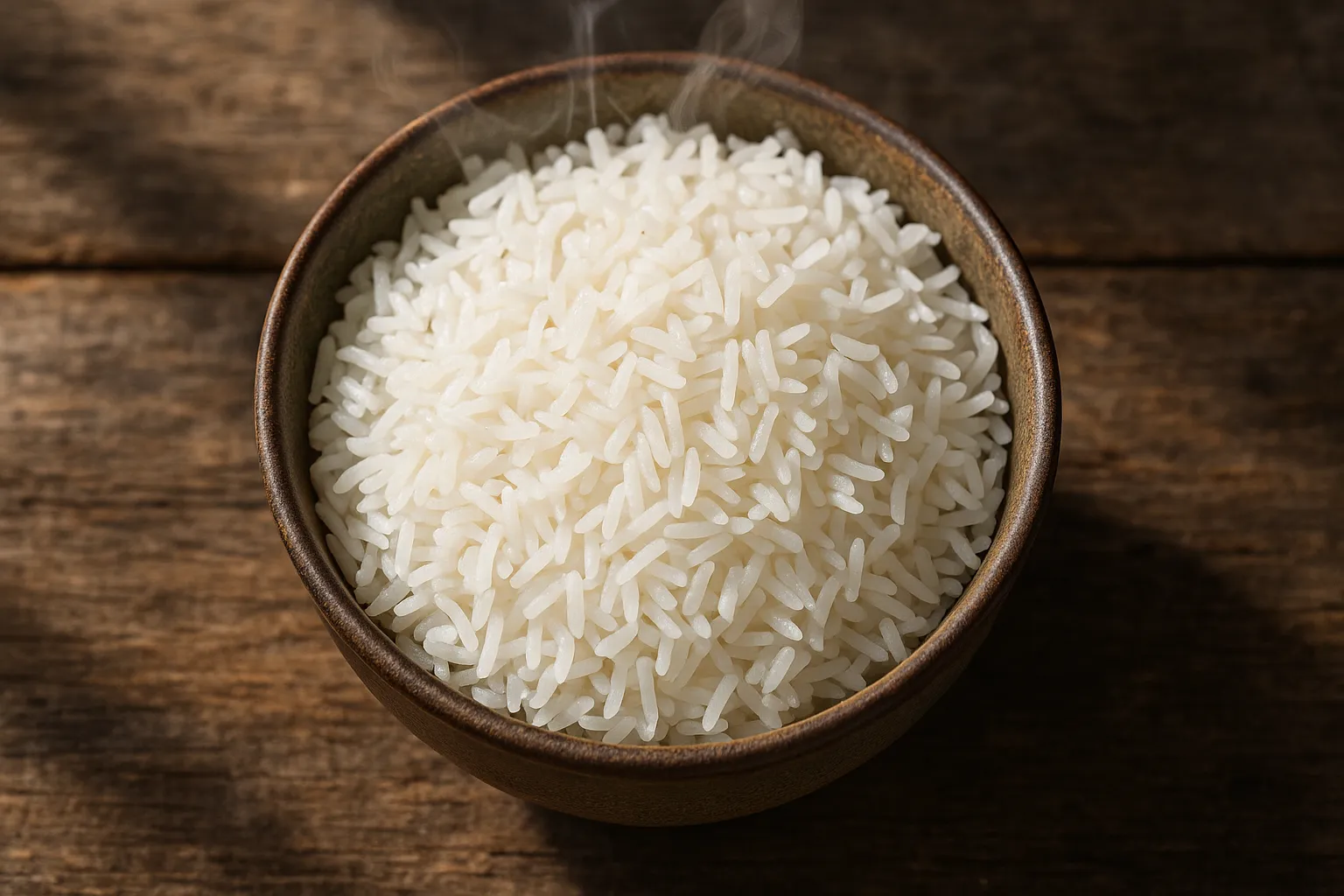
Quick Nutrition Facts
Per 100g Serving (approximately 2/3 cup cooked)
| Nutrient | Amount |
|---|---|
| Calories | 130 kcal |
| Protein | 2.7g |
| Carbohydrates | 28g |
| Fiber | 0.4g |
| Sugars | 0.1g |
| Fat | 0.3g |
| Iron | 0.2mg |
| Magnesium | 12mg |
| Thiamin (B1) | 0.02mg |
| Niacin (B3) | 0.4mg |
Macronutrient Breakdown
 ChatGPT
  Claude
  AI Mode
  Perplexity
NUTRITIONIST INSIGHT
Sona Masoori is a medium-grain white rice with lighter starch content than basmati, making it easier to digest. While it has a moderate glycemic index (64), portion control and pairing with protein or vegetables significantly reduces blood sugar impact. Best consumed during active hours when your body can utilize the energy.
Myth Busters
MYTH #1: All Rice Is Bad for Weight Loss
TRUTH: Rice isn't inherently fattening - excess calories are. A 100g portion has 130 calories. The issue is portion sizes (restaurants serve 300-400g). Studies show controlled rice portions with vegetables and protein support weight loss when total calories are managed.
MYTH #2: White Rice Has No Nutritional Value
TRUTH: While less nutritious than brown rice, white rice provides quick energy, B vitamins (thiamin, niacin), and is easy to digest. It's culturally important and practical for billions. The key is portion control, pairing wisely, and balancing overall diet.
MYTH #3: Diabetics Can Never Eat Rice
TRUTH: While white rice consumption is associated with increased diabetes risk when eaten in large amounts, small portions (50-75g) with protein and vegetables can fit into diabetic diets. Better alternatives are brown rice, millets, or mixed grain rice.
MYTH #4: You Must Avoid Rice at Night
TRUTH: For weight loss, avoiding rice at dinner helps because metabolism slows at night and you're less active. However, if your calories are controlled and you're active in evenings, timing matters less than total intake. Athletes often eat rice at night for recovery.
MYTH #5: Washing Rice Removes All Nutrients
TRUTH: Washing removes surface starch (helps prevent sticky rice), not significant nutrients. Most nutrients in white rice are throughout the grain. For enriched rice, limit washing to preserve added B vitamins.
MYTH #6: Rice Causes Diabetes
TRUTH: High white rice consumption (more than 3 servings daily) is associated with increased diabetes risk, particularly in sedentary populations. The mechanism is repeated blood sugar spikes causing insulin resistance over time. Moderate intake (1 serving daily) with active lifestyle shows minimal risk.
NutriScore by Health Goals
| Health Goal | NutriScore | Why This Score? |
|---|---|---|
| Weight Loss |  | 130 calories, minimal fiber (0.4g) means low satiety. Limit to 100-150g per meal at lunch only. Better alternatives: brown rice, millets, cauliflower rice. |
| Muscle Gain |  | Excellent post-workout carb source (28g per 100g) for glycogen replenishment. Low fiber means quick digestion. Pair with protein. Serve 150-200g portions. |
| Diabetes Management |  | GI 64 and studies link white rice to increased diabetes risk. If consumed: limit to 50-75g, pair with dal/vegetables, choose brown rice when possible. |
| PCOS Management | | Medium-high GI worsens insulin resistance central to PCOS. Limit to 75-100g maximum, prefer low-GI alternatives like brown rice, quinoa, millets. |
| Pregnancy Nutrition | | Safe energy source during pregnancy when paired with protein and vegetables. Easy to digest during morning sickness. Aim for 150g per meal with dal/curry. |
| Viral/Flu Recovery | | Highly digestible, gentle on stomach, provides quick energy without taxing digestion. Perfect recovery food with dal and easily digestible proteins. |
PERSONALIZED NUTRITION
Track your meals with NutriScan for personalized NutriScores based on your specific health goals!
Blood Sugar Response to Sona Masoori Rice
Understanding rice's effect on blood glucose helps you make informed decisions about portions and pairing strategies.
Typical Glucose Response Curve
*This chart shows typical blood glucose response. Individual responses may vary. Not medical advice.*
How to Reduce Blood Sugar Spikes
Pairing rice with protein, fat, and fiber significantly reduces glucose response:
- 🥘 Always pair with dal or lentils - Protein and fiber slow digestion
- 🥗 Add vegetables (50% of plate) - Fiber creates physical barrier slowing absorption
- 🥚 Include protein (chicken, fish, eggs, paneer) - Reduces glycemic load by 20-30%
- 🥄 Add 1 tsp ghee or healthy oil - Fat slows gastric emptying
Portion Strategy: Use smaller plates; fill half with vegetables, quarter with rice (100g), quarter with protein. This approach reduces blood sugar spike by up to 40%.
Cultural Significance
Sona Masoori rice is deeply embedded in South Indian culture and cuisine.
In India:
- Primary rice variety in Andhra Pradesh, Karnataka, and Tamil Nadu
- Name derives from "Sona" (gold) and "Masuri" (a region), indicating premium quality
- Medium-grain rice developed in the 1970s for high yield and disease resistance
- Traditional accompaniment to sambar, rasam, and South Indian curries
- Preferred for daily meals over aromatic basmati due to lighter texture
- Used in temple offerings (prasadam) and festival meals
Global Impact:
- India exports Sona Masoori rice worldwide, especially to USA, Middle East, and Europe
- Staple for Indian diaspora maintaining cultural food connections
- Rice provides 20% of global caloric intake for 3 billion people
- Sustainable crop when grown with water management and reduced methane emissions
Compare & Substitute
Sona Masoori Rice vs Alternatives (Per 100g Cooked)
| Nutrient | 🍚 Sona Masoori (White) | 🍚 Basmati Rice (White) | 🍚 Brown Rice | 🌾 Foxtail Millet |
|---|---|---|---|---|
| Calories | 130 kcal | 130 kcal | 111 kcal | 118 kcal |
| Carbs | 28g | 28g | 23g | 26g |
| Fiber | 0.4g | 0.4g | 1.8g | 1.2g |
| Protein | 2.7g | 2.7g | 2.6g | 3.5g |
| Fat | 0.3g | 0.3g | 0.9g | 1.2g |
| Iron | 0.2mg | 0.2mg | 0.4mg | 0.9mg |
| Magnesium | 12mg | 12mg | 43mg | 81mg |
| GI | 64 (Medium) | 58-68 (Medium) | 50-55 (Low) | 50-55 (Low) |
| Best For | Daily meals, post-workout | Biryanis, aromatic dishes | Weight loss, diabetes | Diabetes, weight loss |
Frequently Asked Questions
Is Sona Masoori rice good for weight loss?
Sona Masoori can be included in weight loss diets with strict portion control and smart pairing. At 130 calories per 100g with minimal fiber (0.4g), it's less filling than higher-fiber alternatives.
Best practices for weight loss: Limit to 100-150g cooked rice per meal; eat only at lunch, never dinner; fill half your plate with vegetables; pair with protein (dal, chicken, eggs); better alternatives are brown rice (1.8g fiber), quinoa, millets, or cauliflower rice for faster weight loss.
Can diabetics eat Sona Masoori rice?
Diabetics should be cautious with white rice including Sona Masoori. Studies show white rice with GI 64 and high consumption (more than 3 servings daily) is associated with increased diabetes risk and difficulty in blood sugar control.
Tips for diabetics: If consumed, limit to 50-75g per meal maximum; always pair with dal, vegetables, and protein; eat at lunch when more active; choose brown rice, millets, or mixed grain rice as better alternatives; monitor blood sugar 2 hours after eating to understand individual response.
Consider replacing 50-75% of rice with cauliflower rice or adding millets for lower glycemic impact.
How much protein is in Sona Masoori rice?
Sona Masoori rice contains 2.7g protein per 100g cooked - relatively low compared to other staples. A typical 150g serving provides only 4g protein, far below daily needs (50-60g for most adults).
Protein strategy: Always combine rice with protein-rich foods - dal provides 9g protein per 100g; chicken provides 31g per 100g; eggs provide 13g per 100g. A balanced meal with 100g rice + 100g dal + vegetables provides 12g protein.
What makes Sona Masoori rice different from basmati?
Key Differences:
- Grain Type: Sona Masoori is medium-grain and wider; basmati is long-grain and slender
- Aroma: Sona Masoori is less aromatic; basmati has distinctive nutty aroma
- Texture: Sona Masoori is lighter and less starchy; basmati is fluffier with separate grains
- Cuisine: Sona Masoori for South Indian daily meals; basmati for biryanis and North Indian dishes
- GI: Similar (Sona Masoori ~64, basmati 58-68)
- Nutrition: Nearly identical macros (130 calories, 28g carbs, 2.7g protein)
Choose based on regional preference and dish type, not significant nutritional differences.
When is the best time to eat rice?
Depends on your goal:
- Weight Loss: Lunch only (utilize energy during active afternoon hours); avoid dinner when metabolism slows. Maximum 100-150g.
- Muscle Gain: Post-workout lunch or dinner (150-200g portions) for glycogen replenishment and recovery.
- Diabetes: Lunch in small portions (50-75g) paired with protein and vegetables; avoid dinner spikes before sleep.
- General Health: Lunch preferred; if dinner, finish 2-3 hours before bed and keep portions smaller (75-100g).
IMPORTANT NOTE
Athletes and highly active individuals can eat rice at dinner for recovery without weight concerns if total calories are controlled.
Should I choose white or brown rice?
Brown rice is nutritionally superior for most health goals:
Brown Rice Advantages: Higher fiber (1.8g vs 0.4g per 100g); more minerals (magnesium, iron, zinc); lower GI (50-55 vs 64); better for weight loss, diabetes, heart health.
White Rice Advantages: Easier to digest; cooks faster; preferred taste for many; better for post-workout quick energy; suitable during digestive upset.
Recommendation: Diabetes/weight loss = brown rice or millets; muscle gain/post-workout = white rice acceptable; general health = mix both or transition to brown rice gradually; digestive issues = white rice until resolved.
How do I cook perfect Sona Masoori rice?
Basic Method (1:2 rice to water ratio):
- Rinse rice 2-3 times until water runs clear (removes excess starch)
- Soak 15-30 minutes (optional, improves texture)
- Use 1 cup rice to 2 cups water
- Bring to boil, then reduce to low heat
- Cover and simmer 12-15 minutes
- Turn off heat, let steam 5 minutes
- Fluff with fork before serving
Nutrition tip: Cook rice, cool completely in refrigerator for 12-24 hours, then reheat. This creates resistant starch that lowers GI by 10-15% and improves blood sugar response.
Can I eat Sona Masoori rice daily?
Yes, daily consumption is safe for most people when portions are controlled and diet is balanced. However, consideration of health goals is important.
Daily guidelines: Active adults can eat 150-200g daily at lunch; weight loss goals should limit to 100g or replace with brown rice/millets; diabetics should limit to 50-75g or choose low-GI alternatives; always balance with vegetables (50% of plate), protein, and avoid rice at dinner for weight management.
Track with NutriScan app to see how rice fits your personal nutrition targets and adjust portions based on your activity level and goals.




Similar Nutritious Foods
4505 Chicharrones Classic Chili Salt
7 Eleven Japan Crispy Corn Cheese
Explore More Nutrition Tools & Resources
AI Calorie Counter App - Snap a Photo, Get Macros
AI Nutritionist App That Reads Your Logged Meals
Best Protein Supplements for Women
Bulking Meal Plan App That Sets Your Surplus
ChatGPT Calorie Counter Alternative That Keeps the Total
ChatGPT Diet Plan Alternative That Tracks What You Eat
ChatGPT Weight Loss Coach Alternative With a Food Log
Fast Food Calorie Counter App That Reads the Tray
Free Calorie Tracker App with AI Photo Scans | NutriScan
Indian Diet Plan App With Veg and Non Veg Meals
Indian Food Calorie Calculator - Get Instant Nutrition Facts for Desi Meals — 2026
Intermittent Fasting for Women, Timer and Meal Log App
Intermittent Fasting Tracker App - Free Fasting Timer
Macro Tracker App That Fills the Numbers From a Photo
Mediterranean Diet Meal Plan App That Counts the Oil
Micronutrient Tracker App for Vitamins and Minerals
MyFitnessPal Alternative That Stays Free | NutriScan
NutriScore App: A Free Grade on Every Meal | NutriScan
Nutrition Label Scanner App for the Amount You Ate
Second Trimester Protein Guide
Vegetarian Meal Plan App With a Protein Target
Voice Calorie Counter - Speak to Track Meals Hands-Free
Water and Calorie Tracker App - Free Water Log