Cadbury Eclairs: Calories, Nutrition and Health Benefits
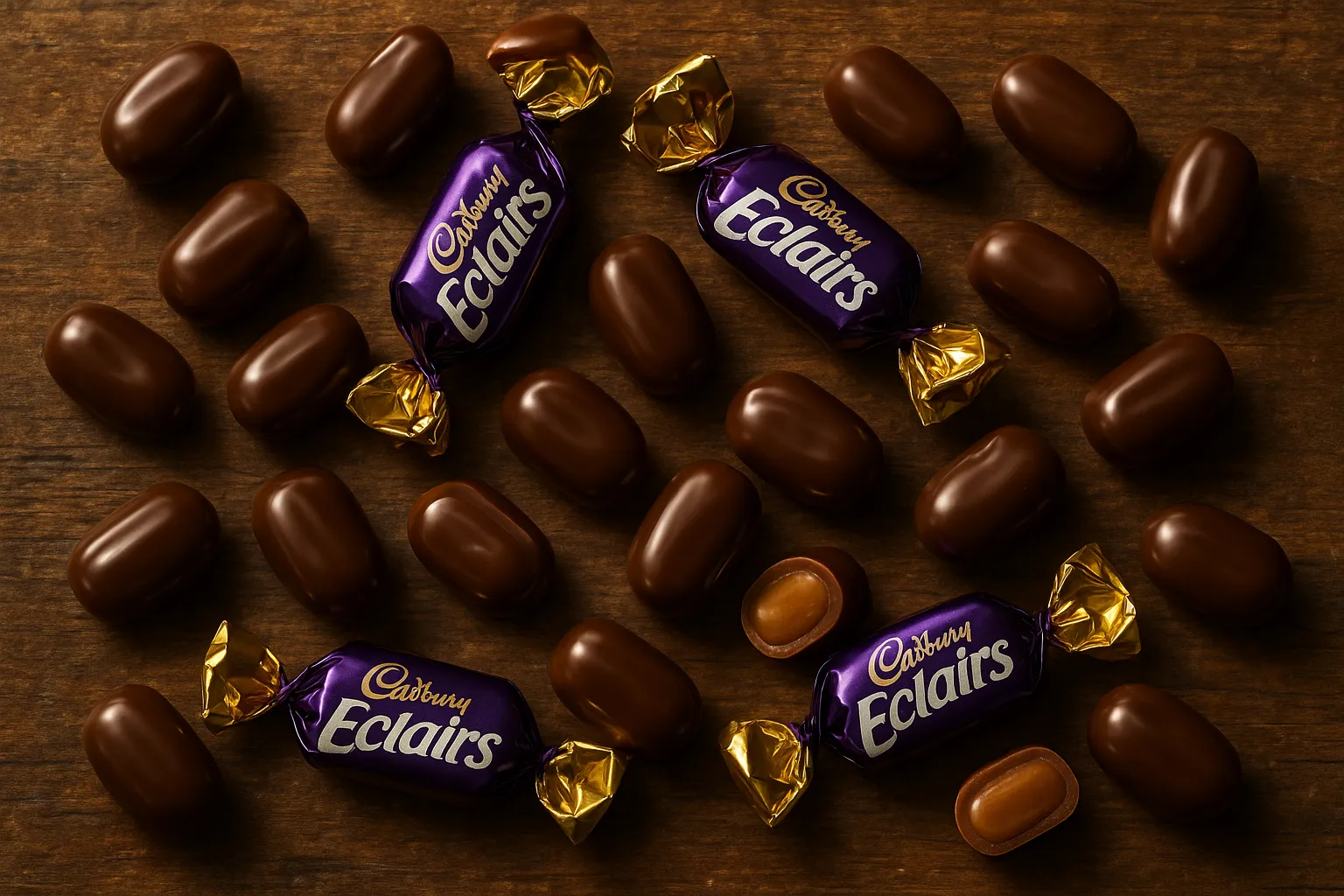
Classic chocolate toffee candies with creamy centers—a nostalgic indulgence from India's favorite chocolate brand, perfect for controlled portions and guilt-free moments.
Quick Nutrition Facts
Per 1 Piece (9g)
| Nutrient | Amount |
|---|---|
| Calories | 45 kcal |
| Protein | 0.2g |
| Carbohydrates | 6.5g |
| Fiber | 0g |
| Sugars | 5.8g |
| Fat | 2g |
| Saturated Fat | 1.2g |
| Cocoa Solids | ~8% |
| Milk Solids | 6-8% |
Macronutrient Breakdown
 ChatGPT
  Claude
  AI Mode
  Perplexity
NUTRITIONIST INSIGHT
Cadbury Eclairs' small size (9g per piece) is a built-in portion control mechanism. Unlike larger confections, individual pieces satisfy cravings without excessive intake. The cocoa content (~8%) provides polyphenols with mild antioxidant benefit—not a health food, but not devoid of merit either.
Myth Busters
MYTH #1: One Eclair Ruins Your Diet
TRUTH: A single piece at 45 calories represents minimal caloric impact—less than 2% of a 2,500-calorie daily intake. The psychology of prohibition often leads to overeating; mindful occasional consumption prevents deprivation-driven binges.
MYTH #2: Chocolate Toffee Is Pure Empty Calories
TRUTH: While Eclairs are treat foods, cocoa butter contains stearic acid (linked to neutral cholesterol effects) and milk solids provide small amounts of calcium. Milk chocolate polyphenols show modest antioxidant activity—not a replacement for vegetables, but not entirely empty.
MYTH #3: Sugar in Candy Always Causes Blood Sugar Spikes
TRUTH: At 5.8g sugar per small piece, the glycemic load is modest. When paired with protein or fat, even simple sugars show blunted glucose response. Portion size and pairing matter more than ingredient alone.
MYTH #4: All Toffee Candies Are Equally Unhealthy
TRUTH: Eclairs (45 cal, 2g fat, 1.2g saturated) differ from larger toffee bars or fudges with 150+ calories. Cadbury's formula emphasizes controlled portions—the nutritional profile reflects this restraint compared to homemade or premium toffee products.
MYTH #5: Chocolate Causes Acne in Everyone
TRUTH: Scientific evidence linking chocolate to acne is mixed and weak; individual responses vary widely. For most people, 1-2 pieces pose minimal skin risk. Monitor personal response rather than following blanket rules.
NutriScore by Health Goals
| Health Goal | NutriScore | Why This Score? |
|---|---|---|
| Weight Loss |  | 45 calories per piece, high sugar ratio (5.8g sugars/6.5g carbs). Provides psychological satisfaction; limit to 1-2 pieces max. Saves better choices for whole foods. |
| Muscle Gain |  | Minimal protein (0.2g), no fiber. Post-workout, pair with protein shake. Better options available for muscle-building macros. |
| Diabetes Management | | 6.5g carbs, 5.8g sugar per piece. Requires pairing with protein; maximum 1 piece if at all. Consult healthcare provider. |
| PCOS Management | | Sugar-heavy ratio affects insulin sensitivity. Limit to 1-2 pieces per month; always pair with protein and fat. Monitor for individual PCOS symptom triggers. |
| Pregnancy Nutrition | | Low nutritional density; no protein, fiber, or micronutrients. Occasional piece satisfies cravings; balance with nutrient-dense alternatives for fetal development. |
| Viral/Flu Recovery | | Quick energy from simple carbs aids recovery; cocoa provides comfort. Better paired with herbal tea; ensure adequate protein and hydration elsewhere. |
PERSONALIZED NUTRITION
Track your meals with NutriScan for personalized NutriScores based on your specific health goals!
Blood Sugar Response to Cadbury Eclairs
Understanding how toffee candies affect blood glucose helps you time consumption strategically, especially when managing energy or metabolic health.
Typical Glucose Response Curve (1 Piece)
*This chart shows typical blood glucose response for general healthy individuals. Individual responses may vary. Not medical advice.*
How to Minimize the Spike
Pairing simple sugars with protein and healthy fats moderates glucose response:
- 🥛 Milk or yogurt - Protein and lactose slow glucose absorption
- 🥜 Nuts or peanut butter - Healthy fats extend satiety window
- 🍵 Herbal or green tea - Polyphenols aid glucose metabolism
- 💪 Post-strength training - Muscles absorb glucose without spiking blood sugar
Consuming after a balanced meal (containing protein and vegetables) further blunts any response.
Cultural Significance
Cadbury Eclairs, launched in the 1970s, became India's icon for affordable indulgence. The brand redefined chocolate accessibility, making confections available to middle-class families across India.
In India:
- Eclairs remain best-selling toffee candy; household staple in Indian homes
- Price point (₹5-10 per piece historically) made chocolate accessible to all income levels
- Cultural significance in festivals—distributed as gifts during celebrations
- Iconic wrapper design recognized across generations; nostalgic candy for millennials
Global Context:
- Small-format candies dominate confection markets in price-sensitive regions
- Portion-controlled treats trend in developed markets; India long understood this value
- Sustainability focus growing—Cadbury expanding recyclable packaging initiatives
Compare & Substitute
Chocolate-Toffee Candies vs Similar Indulgences (Per 9g)
| Nutrient | 🍫 Cadbury Eclairs | 🍬 Halls Candy | 🍕 Regular Chocolate | 🥜 Peanut Brittle |
|---|---|---|---|---|
| Calories | 45 kcal | 20 kcal | 55 kcal | 50 kcal |
| Carbs | 6.5g | 5g | 6g | 5.5g |
| Fiber | 0g | 0g | 0.2g | 0.3g |
| Protein | 0.2g | 0g | 0.5g | 0.8g |
| Fat | 2g | 0g | 3.5g | 3g |
| Sugar | 5.8g | 4.8g | 5.2g | 3.2g |
| Best For | Portion control | Throat soothe | Cocoa indulgence | Protein boost |
Frequently Asked Questions
How many Cadbury Eclairs can I eat daily?
For balanced health, 2-3 pieces (90-135 calories) fit within daily treats without derailing goals. For weight loss, limit to 1-2 pieces maximum or skip 3-4 days weekly. For diabetes, maximum 1 piece paired with protein/fat. Individual tolerance varies; monitor energy and mood.
Are Eclairs bad for teeth?
Yes, like all sugary candies. The 5.8g sugar per piece feeds cavity-causing bacteria. Mitigation: eat during meals (saliva production peaks), rinse mouth with water afterward, or wait 30 minutes before brushing (avoid acid erosion). Fluoride toothpaste essential for regular consumers.
What makes Eclairs different from other Cadbury chocolates?
Eclairs use toffee-centered filling with milk chocolate coating, creating distinct chewiness compared to solid bars. The smaller size (9g) reduces per-serving calories and sugar versus larger chocolate bars. Formulation prioritizes affordability and portion control.
Do Eclairs contain allergens?
Yes: milk (primary allergen), potential traces of tree nuts and soy depending on manufacturing location. Always check packaging for specific allergen warnings; Cadbury facilities handle multiple allergens. Individual sensitivities vary—consult labels and healthcare providers.
Best time to eat Eclairs for weight loss?
Mid-afternoon (3-4 PM) when energy dips but before dinner. Pair with herbal tea for satiety without calories. Avoid morning on empty stomach (spiked glucose causes crash 2 hours later). Post-workout timing possible if paired with protein shake (glucose aids glycogen replenishment).
How do Cadbury Eclairs compare nutritionally to premium chocolates?
Cadbury Eclairs prioritize value (small size, low calories, accessibility); premium chocolates emphasize cocoa quality and lower sugar. Nutritionally, premium dark chocolates offer higher antioxidants (70%+ cocoa vs 8% here). Choose Eclairs for satisfaction psychology; premium for health-focused cocoa benefits.




Similar Nutritious Snacks
4505 Chicharrones Classic Chili Salt
7 Eleven Japan Crispy Corn Cheese
Explore More Nutrition Tools & Resources
AI Calorie Counter App - Snap a Photo, Get Macros
AI Nutritionist App That Reads Your Logged Meals
Best Protein Supplements for Women
Bulking Meal Plan App That Sets Your Surplus
ChatGPT Calorie Counter Alternative That Keeps the Total
ChatGPT Diet Plan Alternative That Tracks What You Eat
ChatGPT Weight Loss Coach Alternative With a Food Log
Fast Food Calorie Counter App That Reads the Tray
Free Calorie Tracker App with AI Photo Scans | NutriScan
Indian Diet Plan App With Veg and Non Veg Meals
Indian Food Calorie Calculator - Get Instant Nutrition Facts for Desi Meals — 2026
Intermittent Fasting for Women, Timer and Meal Log App
Intermittent Fasting Tracker App - Free Fasting Timer
Macro Tracker App That Fills the Numbers From a Photo
Mediterranean Diet Meal Plan App That Counts the Oil
Micronutrient Tracker App for Vitamins and Minerals
MyFitnessPal Alternative That Stays Free | NutriScan
NutriScore App: A Free Grade on Every Meal | NutriScan
Nutrition Label Scanner App for the Amount You Ate
Second Trimester Protein Guide
Vegetarian Meal Plan App With a Protein Target
Voice Calorie Counter - Speak to Track Meals Hands-Free
Water and Calorie Tracker App - Free Water Log