Cheese Slices: Calories, Nutrition and Health Benefits
Convenient, protein-packed dairy essential for muscle building, bone health, and satisfying snacks across all nutritional goals.
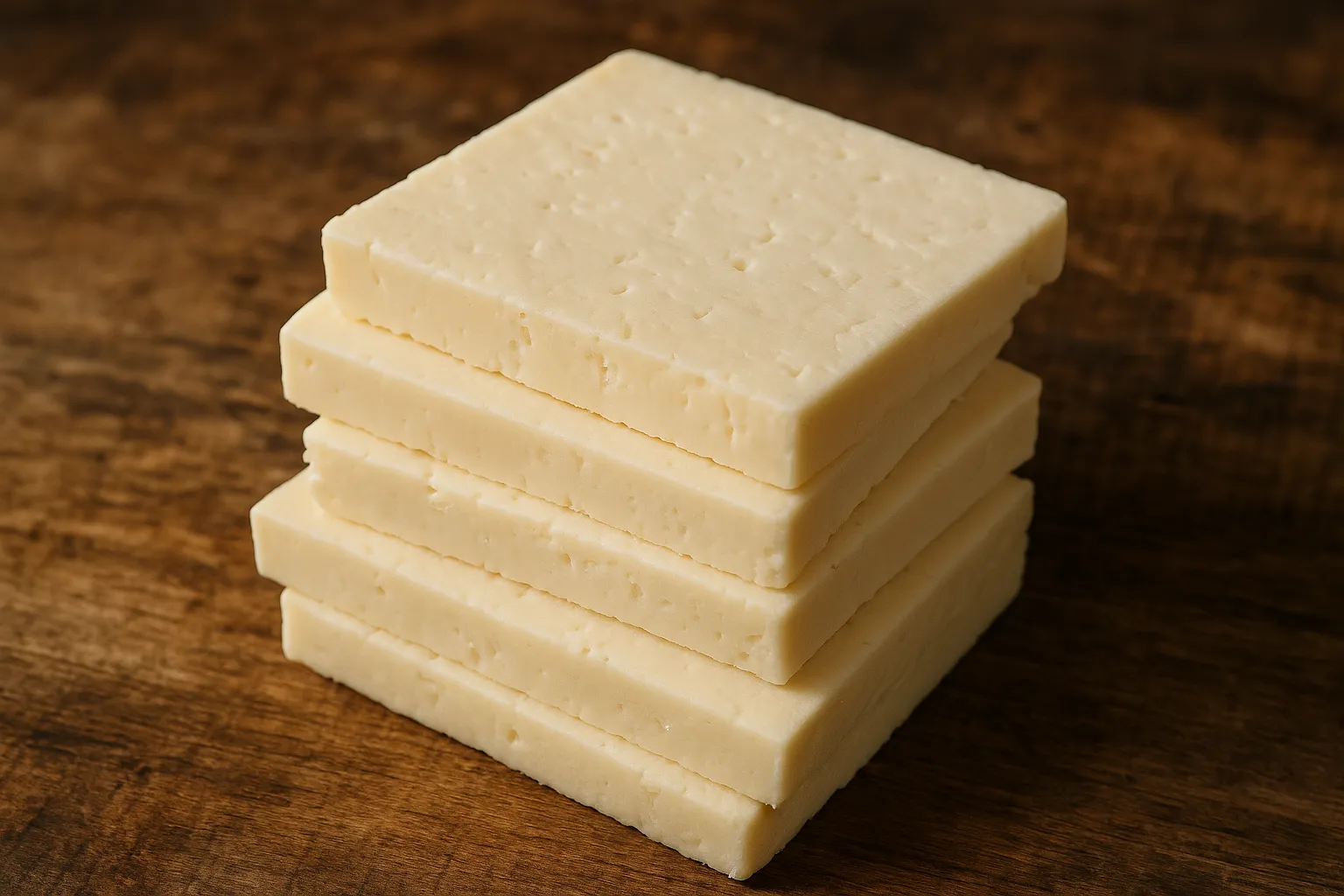
Quick Nutrition Facts
Per 1 Cheese Slice (21g)
| Nutrient | Amount |
|---|---|
| Calories | 80 kcal |
| Protein | 5g |
| Carbohydrates | 0.7g |
| Fiber | 0g |
| Sugars | 0.1g |
| Fat | 6.5g |
| Calcium | 150-180mg |
| Vitamin B12 | 0.4mcg |
| Sodium | 180mg |
| Selenium | 7mcg |
Macronutrient Breakdown
 ChatGPT
  Claude
  AI Mode
  Perplexity
NUTRITIONIST INSIGHT
Cheese slices deliver concentrated protein (5g) and calcium in minimal calories. One slice provides 15% daily calcium needs, essential for bone density, muscle contraction, and nerve transmission. The saturated fat content supports fat-soluble vitamin absorption.
Myth Busters
MYTH #1: Cheese Causes Weight Gain
TRUTH: Cheese slices have only 80 calories and 5g protein that promotes fullness and satiety. Weight gain comes from excess overall calories. In moderation (1-2 slices), cheese supports weight loss when paired with vegetables. The high protein-to-calorie ratio makes it ideal for satiation.
MYTH #2: Cheese Is Bad For Your Heart
TRUTH: Dairy fat contains conjugated linoleic acid (CLA) which has protective cardiovascular benefits. Studies show fermented cheese moderates cholesterol and blood pressure better than expected. One slice daily (80 calories) provides heart-protective calcium without excess saturated fat.
MYTH #3: All Cheese Slices Are the Same
TRUTH: Processed cheese slices differ significantly from natural cheese. Natural cheddar/mozzarella slices have 100% cheese content; processed slices add emulsifiers and additives. Compare labels: natural slices have better protein-to-carb ratios and fewer additives. Choose accordingly based on your nutritional needs.
MYTH #4: Cheese Is Too High in Sodium
TRUTH: One cheese slice contains 180mg sodium (8% daily limit). This is moderate—within healthy daily intake (2,300mg). Pair with low-sodium vegetables and water; this prevents sodium overload. Processed varieties are higher (200-250mg per slice); natural cheese is a better choice for sodium-conscious individuals.
MYTH #5: Dairy Cheese Causes Inflammation
TRUTH: Fermented dairy like cheese contains probiotics and antimicrobial compounds that reduce inflammation. The lactose content in cheese is minimal (most fermented away), making it anti-inflammatory. Only avoid if you have diagnosed lactose intolerance.
MYTH #6: Cheese Slices Have No Nutritional Value
TRUTH: One slice delivers 5g complete protein (all amino acids), 150-180mg calcium (15% DV), vitamin B12 for energy, and selenium for antioxidant protection. These nutrients support muscle recovery, bone strength, nerve function, and immune health—making cheese slices nutrient-dense per calorie.
NutriScore by Health Goals
| Health Goal | NutriScore | Why This Score? |
|---|---|---|
| Weight Loss |  | 80 calories, 5g protein for satiety. Limit to 1-2 slices daily paired with vegetables. High fat density requires portion control. |
| Muscle Gain |  | Excellent protein (5g per slice), complete amino acids, high calcium supports muscle contraction. Stack with whole grains post-workout. |
| Diabetes Management | | Zero glycemic impact (0.7g carbs), minimal glucose spike. Pairs safely with vegetables and legumes for balanced meals without blood sugar risk. |
| PCOS Management | | Low carb (0.7g), supports hormone stability. High fat requires moderation (1 slice); pair with fiber-rich vegetables for insulin sensitivity. |
| Pregnancy Nutrition | | Rich in calcium (15% DV) for fetal bone development, vitamin B12 for neural development, protein for placental growth. Supports maternal bone health during pregnancy. |
| Viral/Flu Recovery | | Complete protein for antibody production, selenium for immune cells, calcium for inflammation control. Easy to eat when appetite is low. |
PERSONALIZED NUTRITION
Track your meals with NutriScan for personalized NutriScores based on your specific health goals!
Blood Sugar Response to Cheese Slices
Cheese has minimal impact on blood glucose due to zero net carbs and high fat content that slows any minimal carbohydrate absorption.
Typical Glucose Response Curve
This chart shows typical blood glucose response for general healthy individuals. Individual responses may vary. Not medical advice.
Pairing Recommendations
Cheese slices pair exceptionally well with whole grains, vegetables, and legumes to create balanced, satisfying meals:
- 🥔 Whole grain crackers - Adds fiber, sustains energy
- 🥕 Raw vegetables (carrots, peppers, cucumbers) - Adds fiber and minerals, zero carb spike
- 🌾 Legumes (lentils, chickpeas) - Combines protein, creates complete amino acid profile
- 🍎 Apple slices - Natural sugars offset by fiber, classic pairing
This combination creates balanced macronutrient profiles while minimizing blood sugar impact.
Cultural Significance
Cheese-making spans 8,000+ years, with ancient civilizations using cheese for food preservation and nutrition across Europe, the Middle East, and Asia.
In India:
- Paneer (fresh cheese) is fundamental to vegetarian cuisine, used in curries and snacks
- Processed cheese slices are increasingly popular in urban Indian meals and fast food
- Modern Indian dietary evolution incorporates cheese slices in sandwiches and toast
- Regional variations: chikhalwali (traditional fresh cheese), emerging milk-based dairy products
Global Impact:
- Over 400 varieties of cheese exist worldwide, each with unique flavor and nutrition profiles
- Cheese is a staple protein source across Mediterranean, Northern European, and American diets
- Modern processing allows shelf-stable cheese slices for convenience and global distribution
- Sustainability: cheese production helps utilize dairy byproducts, supporting agricultural communities
Compare & Substitute
Cheese Slices vs Similar Protein Sources (Per 100g)
| Nutrient | 🧀 Cheese Slices | 🥚 Egg (boiled) | 🥛 Greek Yogurt | 🍗 Chicken Breast |
|---|---|---|---|---|
| Calories | 380 kcal | 155 kcal | 59 kcal | 165 kcal |
| Protein | 24g | 13g | 10g | 31g |
| Fat | 31g | 11g | 0.4g | 3.6g |
| Carbs | 3g | 1.1g | 3.6g | 0g |
| Calcium | 720mg | 52mg | 100mg | 11mg |
| B12 | 1.5mcg | 0.9mcg | 0.3mcg | 0.3mcg |
| Best For | Convenience, bone health | Complete amino acids | Low-fat protein snacks | Lean muscle gain |
Frequently Asked Questions
Are cheese slices good for weight loss?
Cheese slices support weight loss in moderation. One slice has 80 calories and 5g protein that promotes fullness. Best practices: limit to 1-2 slices per day; pair with vegetables or whole grains; choose lower-fat varieties (6-7g fat per slice); drink water to aid satiety. The high protein-to-calorie ratio makes cheese excellent for appetite control.
Can diabetics eat cheese slices?
Yes, diabetics can safely enjoy cheese slices. They contain minimal carbohydrates (0.7g per slice) and won't spike blood sugar. Natural cheese is preferable to processed varieties due to fewer additives. Pair with vegetables and fiber sources for balanced meals that maintain stable glucose levels.
Is processed cheese bad for you?
Processed cheese slices contain emulsifiers (polyphosphates, citrates) for smooth melting and stabilizers to extend shelf life. While safe in moderation, they're less nutritious than natural cheese. Compare labels: good processed slices have 5g+ protein, <200mg sodium per slice, no artificial colors. Occasional use (1-2 slices) poses no health risk for most people.
How many cheese slices per day is safe?
Generally safe limits depend on your health goal: weight loss (1-2 slices daily with meals); muscle gain (2-3 slices daily with whole grains); diabetes (1-2 slices with vegetables); pregnancy (2-3 slices for calcium); normal maintenance (up to 3 slices). Monitor total daily fat intake (target 25-35% of calories); excess cheese can contribute to high saturated fat.
What are the health benefits of cheese slices?
Cheese slices provide complete protein (5g) for muscle repair; calcium (15% DV) for bone density and nerve function; vitamin B12 for energy and red blood cell formation; selenium for antioxidant protection and immune support. Regular consumption supports cardiovascular health, bone strength, and sustained satiety.
Is cheese slices better than whole cheese?
Whole cheese (cheddar, mozzarella) offers superior flavor and typically fewer additives; cheese slices prioritize convenience and consistent melting. Nutritionally similar per serving, whole cheese provides more versatility in cooking. Choose based on your lifestyle: slices for quick meals; blocks for cooking and better taste.
Can I eat cheese slices on an empty stomach?
Yes, cheese slices are gentle on digestion and won't cause stomach upset when consumed alone. However, pairing with a carbohydrate source (whole grain crackers, fruit) or fiber (vegetables) creates more balanced nutrition and extends satiety. Avoid if you have lactose intolerance or dairy sensitivity.
How to store cheese slices?
Keep unopened packages in refrigerator at 35-40°F (1.7-4.4°C). After opening, wrap tightly in plastic wrap or store in an airtight container; consume within 1-2 weeks. Frozen cheese slices last 3-4 months but may change texture (best for melting in cooked dishes). Check packaging date; processed slices have longer shelf life (3-4 months unopened) due to emulsifiers.


Similar Nutritious Foods
4505 Chicharrones Classic Chili Salt
7 Eleven Japan Crispy Corn Cheese
Explore More Nutrition Tools & Resources
AI Calorie Counter App - Snap a Photo, Get Macros
AI Nutritionist App That Reads Your Logged Meals
Best Protein Supplements for Women
Bulking Meal Plan App That Sets Your Surplus
ChatGPT Calorie Counter Alternative That Keeps the Total
ChatGPT Diet Plan Alternative That Tracks What You Eat
ChatGPT Weight Loss Coach Alternative With a Food Log
Fast Food Calorie Counter App That Reads the Tray
Free Calorie Tracker App with AI Photo Scans | NutriScan
Indian Diet Plan App With Veg and Non Veg Meals
Indian Food Calorie Calculator - Get Instant Nutrition Facts for Desi Meals — 2026
Intermittent Fasting for Women, Timer and Meal Log App
Intermittent Fasting Tracker App - Free Fasting Timer
Macro Tracker App That Fills the Numbers From a Photo
Mediterranean Diet Meal Plan App That Counts the Oil
Micronutrient Tracker App for Vitamins and Minerals
MyFitnessPal Alternative That Stays Free | NutriScan
NutriScore App: A Free Grade on Every Meal | NutriScan
Nutrition Label Scanner App for the Amount You Ate
Second Trimester Protein Guide
Vegetarian Meal Plan App With a Protein Target
Voice Calorie Counter - Speak to Track Meals Hands-Free
Water and Calorie Tracker App - Free Water Log