Chickpea Pasta: Calories, Nutrition and Health Benefits
A high-protein, high-fiber pasta alternative made from chickpea flour, delivering nearly double the protein and triple the fiber of regular wheat pasta.
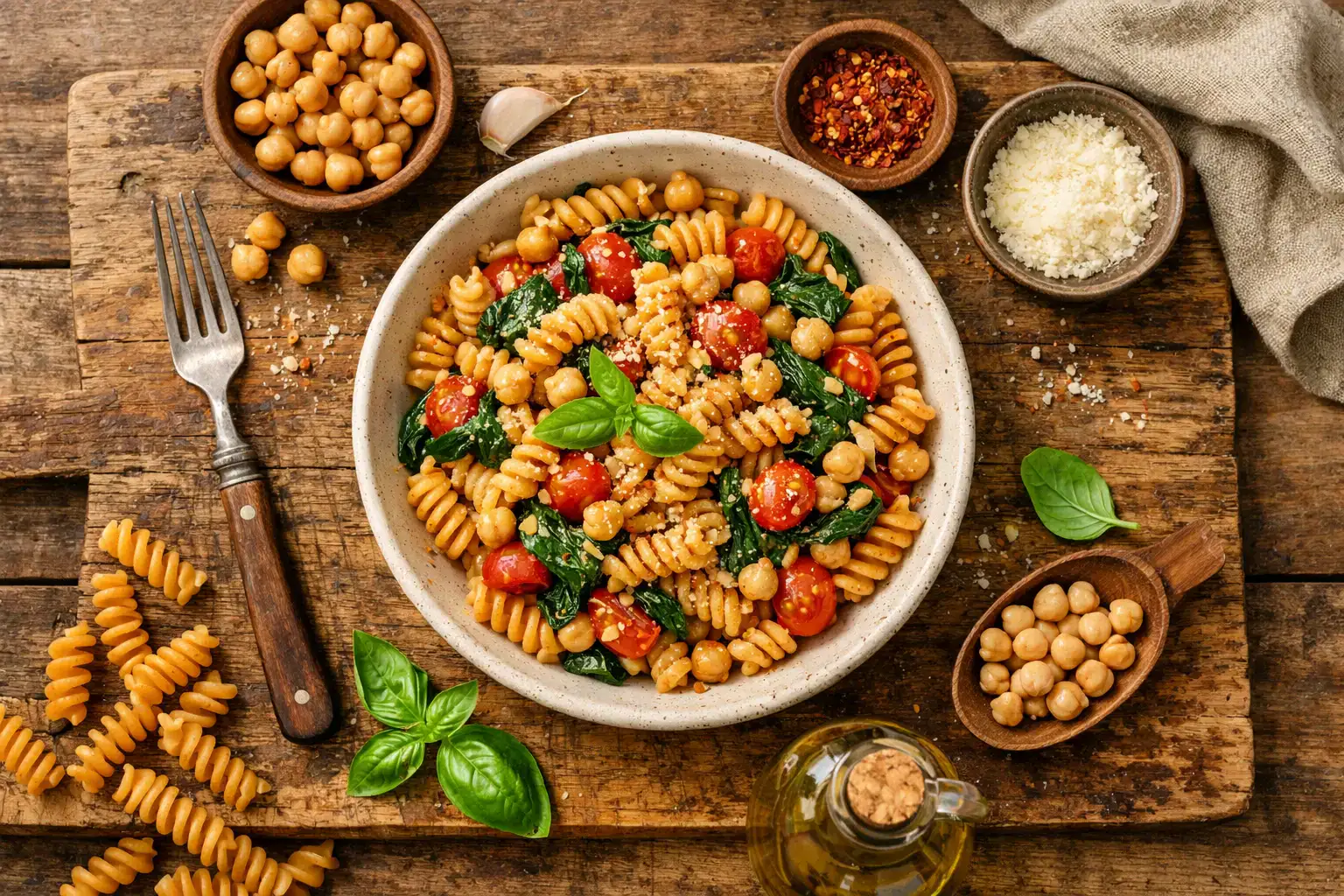
Quick Nutrition Facts
Per 1 Serving (56g dry / ~140g cooked)
| Nutrient | Amount |
|---|---|
| Calories | 190 kcal |
| Protein | 14g |
| Carbohydrates | 32g |
| Fiber | 8g |
| Sugars | 1g |
| Fat | 3g |
| Iron | 3mg |
| Potassium | 520mg |
| Calcium | 40mg |
| Magnesium | 50mg |
Macronutrient Breakdown
 ChatGPT
  Claude
  AI Mode
  Perplexity
NUTRITIONIST INSIGHT
Chickpea pasta delivers 14g of plant-based protein per serving, making it one of the highest-protein pasta alternatives available. The 8g of fiber supports gut health through prebiotic oligosaccharides that feed beneficial gut bacteria.
Myth Busters
MYTH #1: Chickpea Pasta Tastes Nothing Like Real Pasta
TRUTH: Modern chickpea pasta has a slightly nutty flavor and firm texture that pairs well with most sauces. The high protein content actually helps it hold its shape better during cooking, preventing the mushy texture common in other alternative pastas.
MYTH #2: Chickpea Pasta Has Too Many Carbs for Low-Carb Diets
TRUTH: With 32g carbs per serving (vs 43g in wheat pasta), chickpea pasta has 25% fewer carbs. More importantly, 8g of fiber means only 24g net carbs, and the resistant starch content further reduces digestible carbohydrates.
MYTH #3: Plant-Based Pasta Lacks Complete Protein
TRUTH: Chickpeas provide a near-complete amino acid profile. While slightly low in methionine, pairing with grains, vegetables, or a varied diet throughout the day provides all essential amino acids.
MYTH #4: Chickpea Pasta Causes Bloating
TRUTH: Initial gas and bloating can occur due to the oligosaccharides (raffinose). This typically reduces within 1-2 weeks of regular consumption as gut bacteria adapt. Start with half portions and increase gradually.
MYTH #5: Chickpea Pasta Is Just a Marketing Gimmick
TRUTH: The nutritional differences are significant: 2x the protein, 3x the fiber, lower glycemic index (GI 36 vs 55-65), and more iron and potassium than regular wheat pasta. These are measurable, evidence-based advantages.
NutriScore by Health Goals
| Health Goal | NutriScore | Why This Score? |
|---|---|---|
| Weight Loss |  | 190 cal with 14g protein and 8g fiber keeps you full. High satiety index reduces overall calorie intake. |
| Muscle Gain | | 14g plant protein per serving with quality carbs for glycogen replenishment. Pair with lean protein for a complete post-workout meal. |
| Diabetes Management | | Low GI (36), resistant starch slows glucose absorption, and cooling/reheating further lowers glycemic response. |
| PCOS Management |  | Pulse-based diets reduce insulin response in women with PCOS. High fiber supports hormone balance. |
| Pregnancy Nutrition | | Rich in iron (3mg, 17% DV) and folate for fetal development. Maternal bean consumption improves diet quality and fiber intake. |
| Viral/Flu Recovery | | Easily digestible protein and complex carbs for sustained energy. Iron and zinc support immune function during recovery. |
PERSONALIZED NUTRITION
Track your meals with NutriScan for personalized NutriScores based on your specific health goals!
Blood Sugar Response to Chickpea Pasta
Understanding how chickpea pasta affects your blood glucose helps you make informed decisions, especially if managing diabetes or insulin resistance.
Typical Glucose Response Curve
This chart shows typical blood glucose response for general healthy individuals. Individual responses may vary. Not medical advice.
How to Flatten the Spike
Pairing chickpea pasta with healthy fats and fiber-rich vegetables slows glucose absorption and reduces the peak blood sugar level:
- 🫒 Extra virgin olive oil - Healthy monounsaturated fats slow digestion
- 🥦 Steamed broccoli or spinach - Adds fiber and reduces glycemic load
- 🥑 Avocado or pesto - Healthy fats and additional nutrients
- 🍅 Tomato-based sauce with vegetables - Low-calorie, high-fiber pairing
Cooling and reheating chickpea pasta increases resistant starch content, further lowering the glycemic response.
Cultural Significance
Chickpeas have been cultivated for over 7,500 years in the Middle East and Mediterranean regions, making them one of the earliest domesticated legumes.
In India:
- Chickpeas (chana) are a staple across Indian cuisine, from chana masala to besan (chickpea flour) dishes
- Besan is used in countless preparations: pakoras, chilla, laddoo, and sev
- Ayurveda recognizes chickpeas as balya (strength-giving) and good for building muscle
- India is the world's largest chickpea producer, growing over 70% of global supply
Global Adoption:
- Mediterranean staple: hummus, falafel, and pasta integrale di ceci (Italian chickpea pasta)
- Middle Eastern cuisine has used chickpea flour in flatbreads for centuries
- Modern pulse pasta market grew 30% annually since 2020, driven by protein and fiber demand
- Now available in most major grocery chains worldwide as a mainstream pasta alternative
Compare & Substitute
Chickpea Pasta vs Other Pastas (Per 100g dry)
| Nutrient | Chickpea Pasta | Regular Wheat Pasta | Lentil Pasta | Brown Rice Pasta |
|---|---|---|---|---|
| Calories | 339 kcal | 371 kcal | 335 kcal | 357 kcal |
| Carbs | 57g | 75g | 53g | 79g |
| Fiber | 14g | 3g | 11g | 2g |
| Protein | 25g | 13g | 24g | 7g |
| Fat | 5g | 1.5g | 2g | 2g |
| Iron | 5.4mg | 1.3mg | 6mg | 1.5mg |
| Potassium | 930mg | 220mg | 700mg | 150mg |
| GI | 36 | 55-65 | 32 | 60-75 |
| Best For | High protein, low GI | General use, budget | Iron boost, low GI | Gluten-free, mild flavor |
Frequently Asked Questions
Is chickpea pasta good for weight loss?
Yes, chickpea pasta is excellent for weight loss. A serving provides 190 calories with 14g protein and 8g fiber, both of which promote satiety. Studies show high-fiber, high-protein meals reduce overall calorie intake by keeping you fuller for longer.
Best practices: Control portions to one serving (56g dry), add plenty of vegetables, use light sauces, and avoid cream-based preparations.
Can diabetics eat chickpea pasta?
Chickpea pasta is one of the best pasta options for diabetics. Its low glycemic index (GI 36) and high resistant starch content slow glucose absorption significantly.
Tips for diabetics:
- Cook al dente for lower glycemic impact
- Cool and reheat to increase resistant starch
- Pair with non-starchy vegetables and healthy fats
- Monitor blood sugar 2 hours after eating to calibrate portions
Always consult your healthcare provider for personalized dietary advice.
How much protein is in chickpea pasta?
A 56g dry serving provides 14g of protein, nearly double the 7g in regular wheat pasta. Per 100g dry, chickpea pasta contains 25g of protein, making it one of the highest-protein pasta alternatives.
For muscle gain, combine with additional protein sources like grilled chicken, tofu, or a side of Greek yogurt.
Is chickpea pasta healthier than regular pasta?
Key advantages over regular wheat pasta:
- Double the protein: 14g vs 7g per serving
- Triple the fiber: 8g vs 2.5g per serving
- Lower glycemic index: GI 36 vs 55-65
- More iron: 3mg vs 0.7mg per serving
- More potassium: 520mg vs 120mg per serving
- Often gluten-free: Suitable for celiac disease (check labels)
The trade-off is a slightly different taste and higher cost.
Does chickpea pasta cause bloating?
Some people experience initial bloating due to oligosaccharides (raffinose) in chickpeas. This typically resolves within 1-2 weeks as gut bacteria adapt.
Tips to reduce bloating:
- Start with half portions and increase gradually
- Rinse cooked pasta to remove some oligosaccharides
- Cook thoroughly (al dente is fine, undercooked is not)
- Drink adequate water with the meal
Is chickpea pasta gluten-free?
Most 100% chickpea flour pastas are naturally gluten-free. However, some brands blend chickpea flour with wheat flour. Always check the ingredient label and look for certified gluten-free labels if you have celiac disease or gluten sensitivity.
How should I cook chickpea pasta?
Cooking tips for best results:
- Use plenty of salted water (at least 4 liters per 500g)
- Cook 1-2 minutes less than package directions for al dente texture
- Stir frequently in the first 2 minutes to prevent sticking
- Rinse briefly with cold water if not serving immediately
- Toss with sauce immediately after draining to prevent clumping
Track your meals with NutriScan app to see how chickpea pasta fits your personal nutrition goals.


Similar Nutritious Foods
4505 Chicharrones Classic Chili Salt
7 Eleven Japan Crispy Corn Cheese
Explore More Nutrition Tools & Resources
AI Calorie Counter App - Snap a Photo, Get Macros
AI Nutritionist App That Reads Your Logged Meals
Best Protein Supplements for Women
Bulking Meal Plan App That Sets Your Surplus
ChatGPT Calorie Counter Alternative That Keeps the Total
ChatGPT Diet Plan Alternative That Tracks What You Eat
ChatGPT Weight Loss Coach Alternative With a Food Log
Fast Food Calorie Counter App That Reads the Tray
Free Calorie Tracker App with AI Photo Scans | NutriScan
Indian Diet Plan App With Veg and Non Veg Meals
Indian Food Calorie Calculator - Get Instant Nutrition Facts for Desi Meals — 2026
Intermittent Fasting for Women, Timer and Meal Log App
Intermittent Fasting Tracker App - Free Fasting Timer
Macro Tracker App That Fills the Numbers From a Photo
Mediterranean Diet Meal Plan App That Counts the Oil
Micronutrient Tracker App for Vitamins and Minerals
MyFitnessPal Alternative That Stays Free | NutriScan
NutriScore App: A Free Grade on Every Meal | NutriScan
Nutrition Label Scanner App for the Amount You Ate
Second Trimester Protein Guide
Vegetarian Meal Plan App With a Protein Target
Voice Calorie Counter - Speak to Track Meals Hands-Free
Water and Calorie Tracker App - Free Water Log